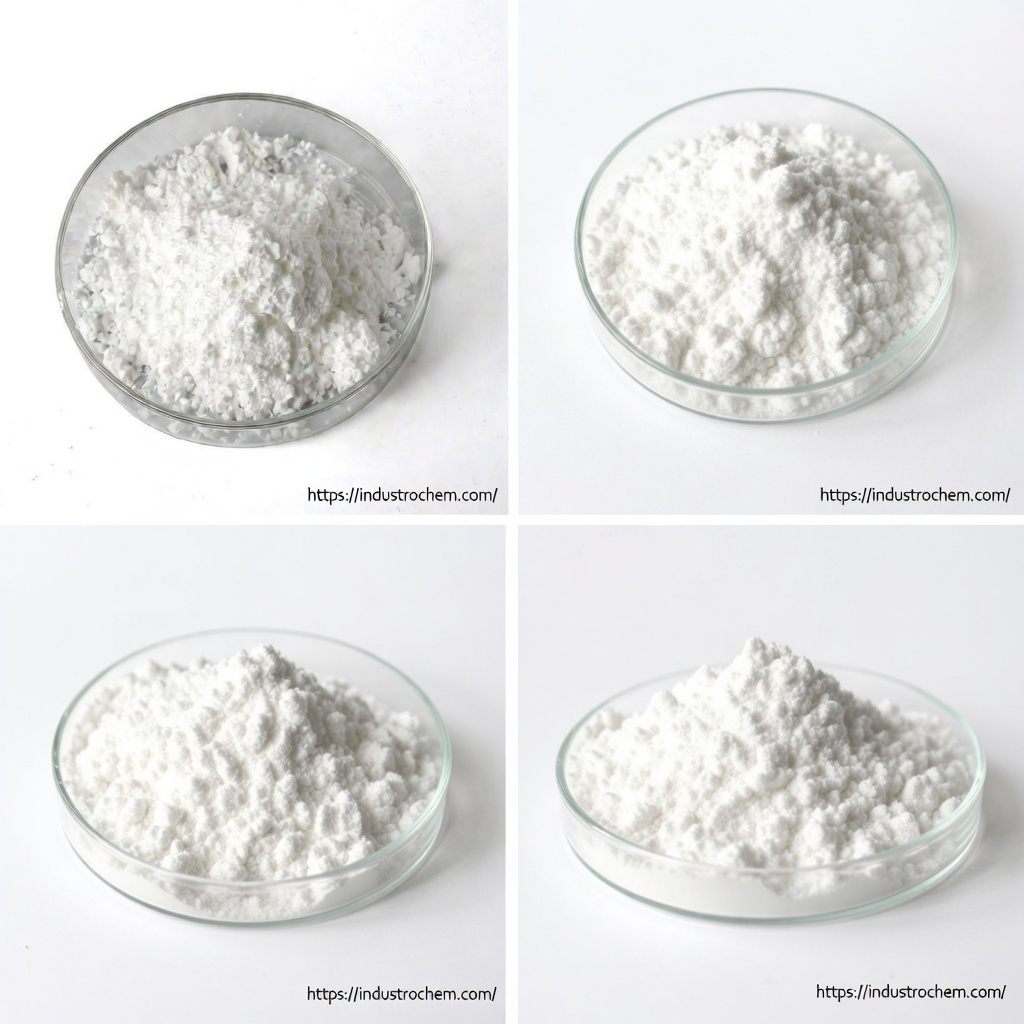
Povidone (CAS 9003-39-8) is a non-ionic water-soluble synthetic polymer synthesized through the free-radical polymerization of N-vinyl-2-pyrrolidone, serving as a critical functional excipient within the Pharmaceutical API & Intermediates category. Functioning as a high-performance polyvidone matrix, this versatile PVP resin exhibits excellent complexing capabilities, physiological inertness, and film-forming properties, making the poly(1-vinyl-2-pyrrolidone) integral to wet granulation processes and controlled-release solid dosage formulations. Its highly hygroscopic polyvinylpyrrolidone structure provides exceptional adhesive strength and solubility enhancement for poorly water-soluble active chemical ingredients when deployed in standard manufacturing workflows. To support continuous industrial processing schedules, our facility maintains extensive bulk supply capabilities, ensuring consistent molecular weight distribution with customized specifications to meet precise rheological parameters, all supported by competitive factory pricing and comprehensive technical documentation including MSDS, TDS, COA.
Povidone CAS 9003-39-8
- CAS: 9003-39-8
- Synonyms: Polyvinylpyrrolidone, PVP resin, Polyvidone, Povidonum, Poly(1-vinyl-2-pyrrolidone)
- Einecs: 618-363-4
- Molecular Formula: (C6H9NO)n
- Grade: Pharmaceutical Grade / Industrial Grade
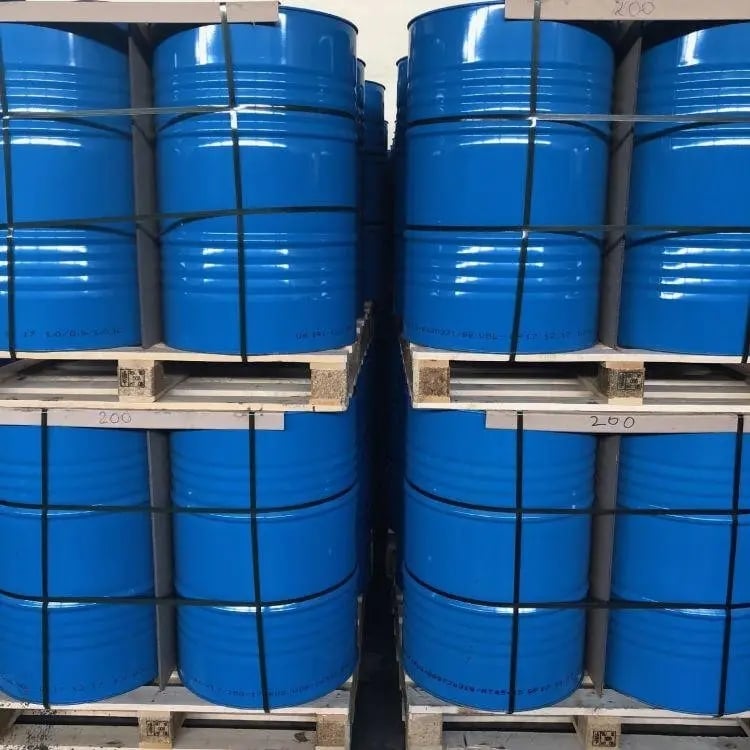
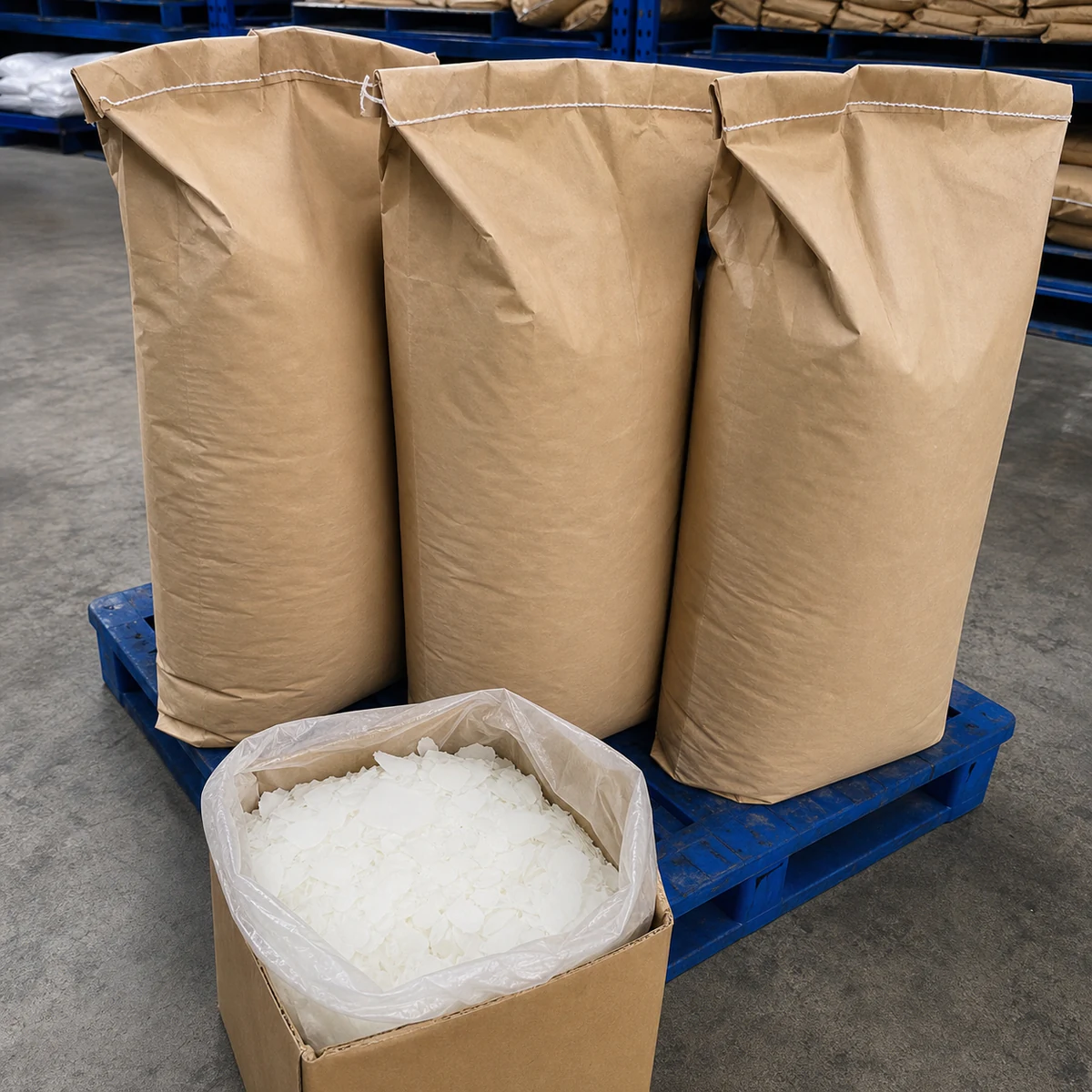
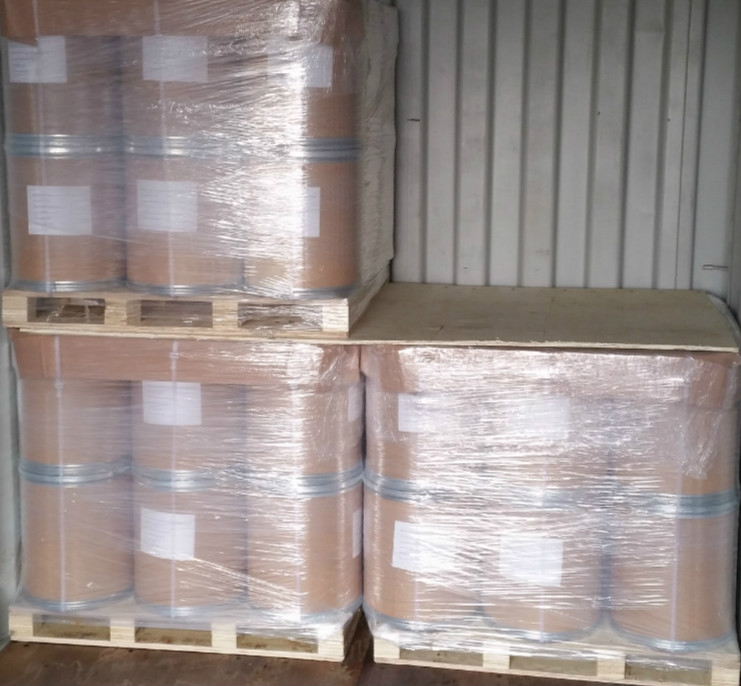
- Package: 25kg/drum (Fiber drum with double PE inner liners)
Product Description
Technical Data
| Physicochemical Properties | Standard Specification (Standard K30 Grade) |
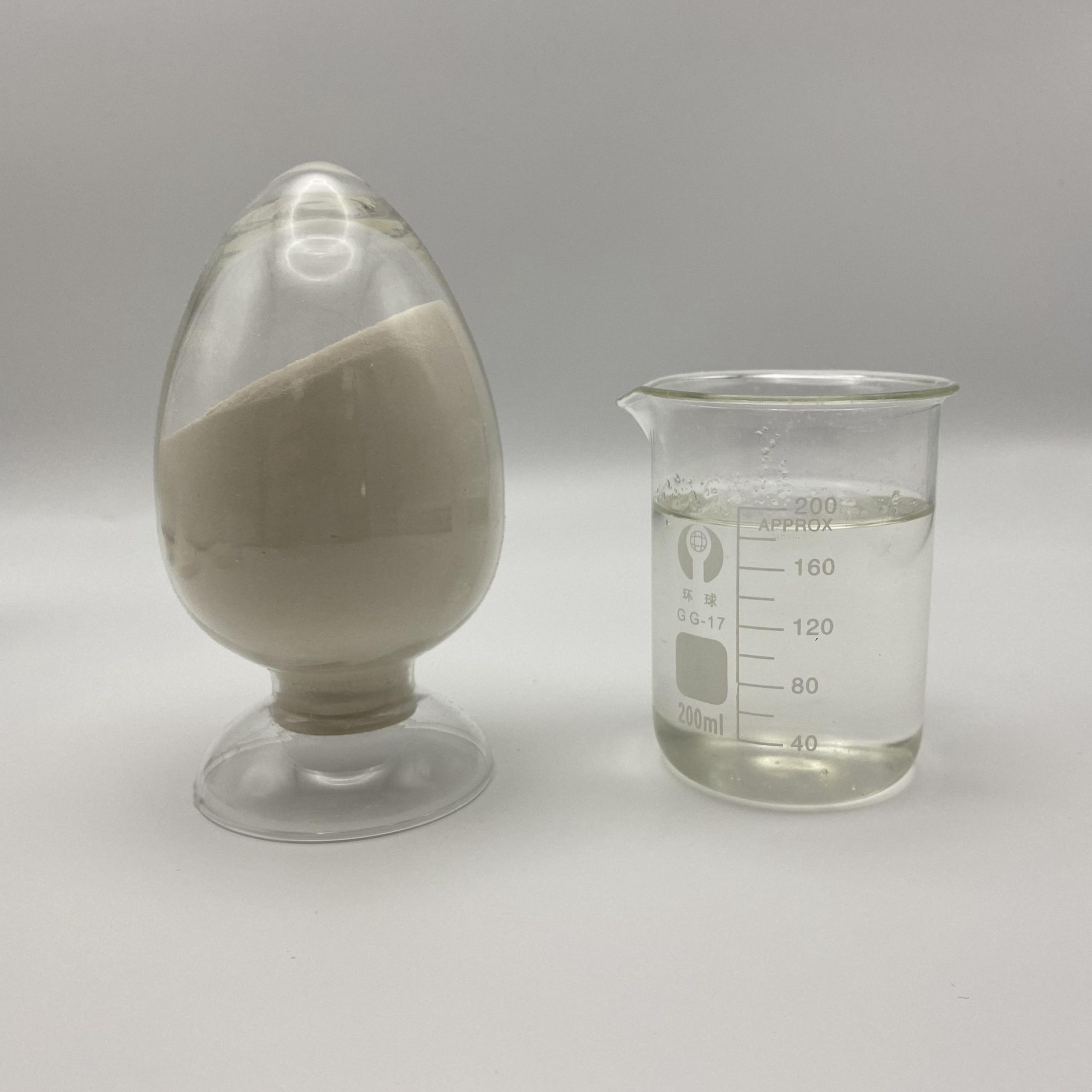
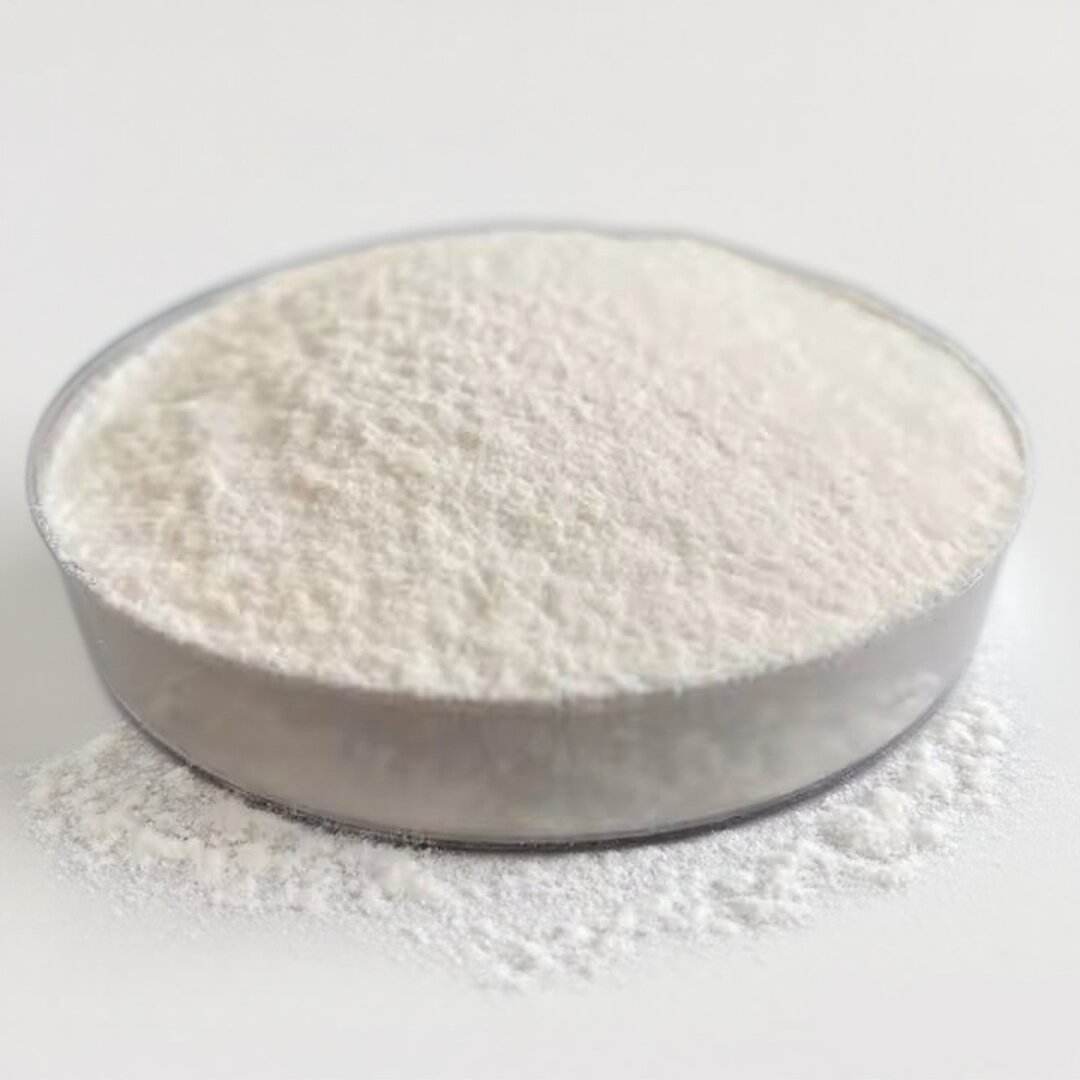
| Appearance | White to yellowish-white hygroscopic powder |
| K-Value | 27.0 – 32.0 |
| pH Value (5% aqueous solution) | 3.0 – 7.0 |
| Moisture / Water Content | ≤ 5.0% |
| Residue on Ignition | ≤ 0.1% |
| Heavy Metals (as Pb) | ≤ 10 ppm |
| Residual N-vinylpyrrolidone Monomer | ≤ 0.001% (10 ppm) |
| Solubility | Freely soluble in water, ethanol, and chloroform; practically insoluble in ether |
Applications
- Pharmaceutical Formulation: Functions primarily as a highly effective synthetic polymer binder for tablet and capsule wet granulation, and acts as a dissolution enhancer for low-solubility active pharmaceutical ingredients.
- Cosmetic & Personal Care: Utilized as a superior film-forming agent and emulsion stabilizer in hair styling gels, lotions, and color-dispersing formulations.
- Industrial Manufacturing: Applied as a dispersant and steric stabilizer in the production of industrial ceramics, advanced coatings, and specialty pigment inks.
Storage & Safety
- Storage Conditions: Povidone is highly hygroscopic. It must be stored in tightly sealed, airtight containers within a cool, dry, and well-ventilated warehouse environment to prevent moisture absorption and caking.
- Safety & Handling: While physiologically inert, the handling of fine polymer powders requires standard industrial dust control. Operators must use NIOSH-approved particulate dust masks, safety goggles, and standard protective workwear to mitigate mechanical irritation to the respiratory tract and eyes.
Quality Assurance
Our production lines operate under strict GMP-compliant quality management systems. Each batch undergoes rigorous analytical testing, utilizing High-Performance Liquid Chromatography (HPLC) to ensure residual N-vinylpyrrolidone monomer levels remain strictly below 10 ppm. We continuously monitor the K-value via automated capillary viscometry to guarantee the precise molecular weight distribution and structural consistency required for advanced formulation integrity.
FAQ - Technical & Supply Chain
-
Q:
How does the K-value differentiate the specific polymer matrix identity of this Povidone?
A: The K-value is a highly specific index denoting the mean molecular weight and intrinsic viscosity of the polymer chain. A K-30 designation definitively identifies a medium-molecular-weight polymer commonly used for standard wet granulation, whereas a K-90 identity indicates a much higher molecular weight intended for strong, sustained-release matrix applications. -
Q:
Is this polymer typically applied as a complexing agent in liquid dispersion formulations?
A: Yes, it is commonly used in liquid suspensions and aqueous solutions where it functions as a steric stabilizer and solubilizer, intended for preventing the crystallization and agglomeration of suspended particulate matter within the liquid phase.
Documents and Product Support
For product review and sourcing evaluation, supporting documents can be coordinated according to the product type, inquiry stage, and order requirements.
- COA for batch-based quality reference
- TDS for key physical and chemical information
- SDS / MSDS for handling, storage, and safety reference
- Packing information for sample, trial, and bulk orders
- Technical communication based on application and specification requirements
Information to Confirm Before Quotation
Clear sourcing information helps reduce specification mismatch and allows a more accurate quotation before sample or bulk order discussion.
- Product name and CAS number
- Application or intended end use
- Required purity, grade, or specification
- Sample quantity, trial order, or bulk demand
- Preferred packing form or net weight
- Destination country or port
- Required documents or compliance expectations
Packaging, Storage, and Handling Notes
Packaging form, storage conditions, shelf life, and shipment arrangements should be confirmed according to the product characteristics, package size, and destination requirements.
Before order confirmation, buyers are advised to review the corresponding product documents and confirm whether any special storage, labeling, or handling requirements apply.
Sample, Bulk Order and Repeat Supply Support
Support can be arranged for sample discussion, bulk supply planning, packaging confirmation, and routine sourcing communication based on the actual product and order requirements.
For repeat-use formulations or long-term procurement plans, buyers may discuss specification consistency, packaging preferences, delivery expectations, and document coordination in advance.