









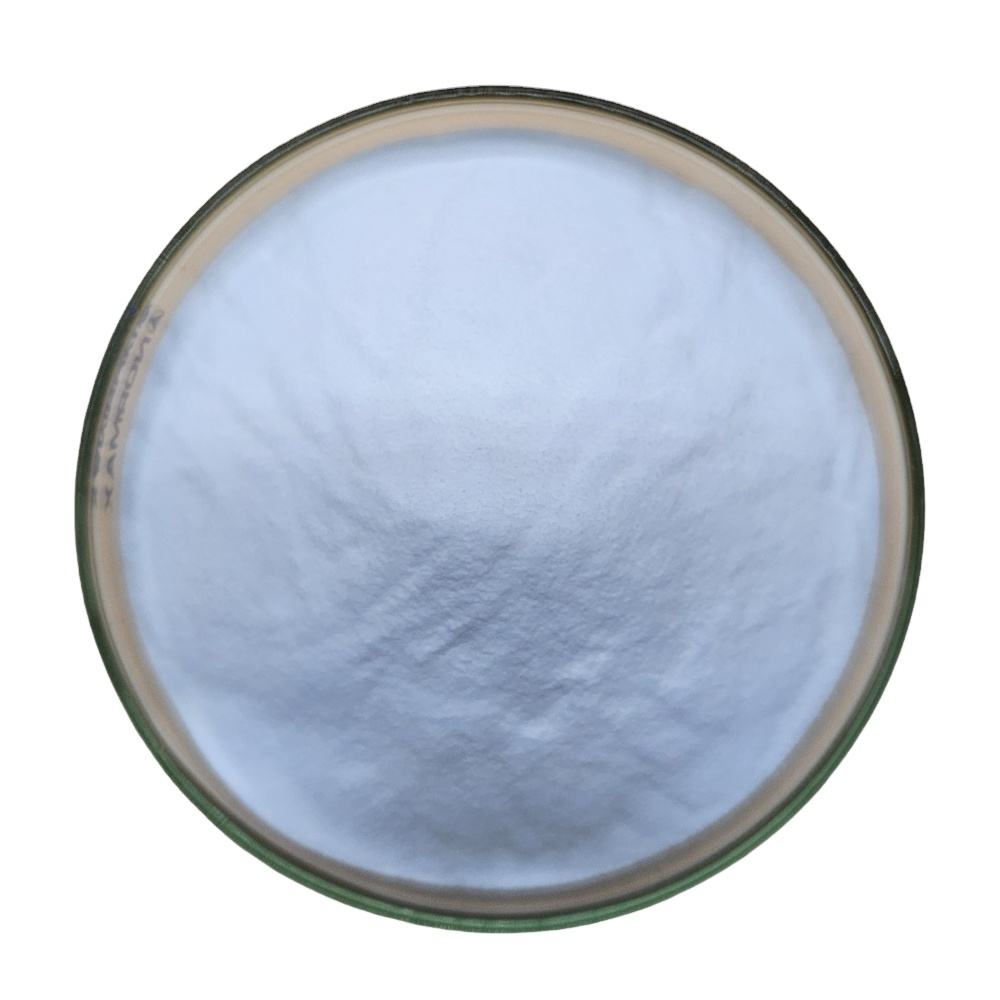
• Tranexamic Acid CAS 1197-18-8

Tranexamic Acid CAS 1197-18-8

Tranexamic Acid CAS 1197-18-8 is a synthetic derivative of the amino acid lysine, functioning as a robust hydrophilic molecule extensively utilized within the Cosmetic Raw Materials sector for its ability to interfere with the catalytic mechanism of UV-induced pigmentation. As a white crystalline powder, this trans-4-(Aminomethyl)cyclohexanecarboxylic acid acts by inhibiting the plasminogen/plasmin pathway, thereby reducing the interaction between melanocytes and keratinocytes in various topical formulations. Beyond its role as a skin-conditioning t-AMCHA derivative, it serves as a critical Transamin intermediate in specialized chemical synthesis and pharmaceutical production processes requiring high-purity lysine analogs. Our infrastructure ensures competitive factory pricing for global distributors requiring customized specifications to meet diverse regional regulatory standards. Each batch is accompanied by comprehensive MSDS, TDS, COA documentation to facilitate seamless quality audits, supporting consistent bulk supply for large-scale manufacturing.

  • CAS: 1197-18-8
  • Synonyms: trans-4-(Aminomethyl)cyclohexanecarboxylic acid, t-AMCHA, Transamin, Amstat, Cyclokapron
  • Einecs: 214-818-2
  • Molecular Formula: C8H15NO2
  • Grade: Cosmetic Grade / Pharmaceutical Grade (API)
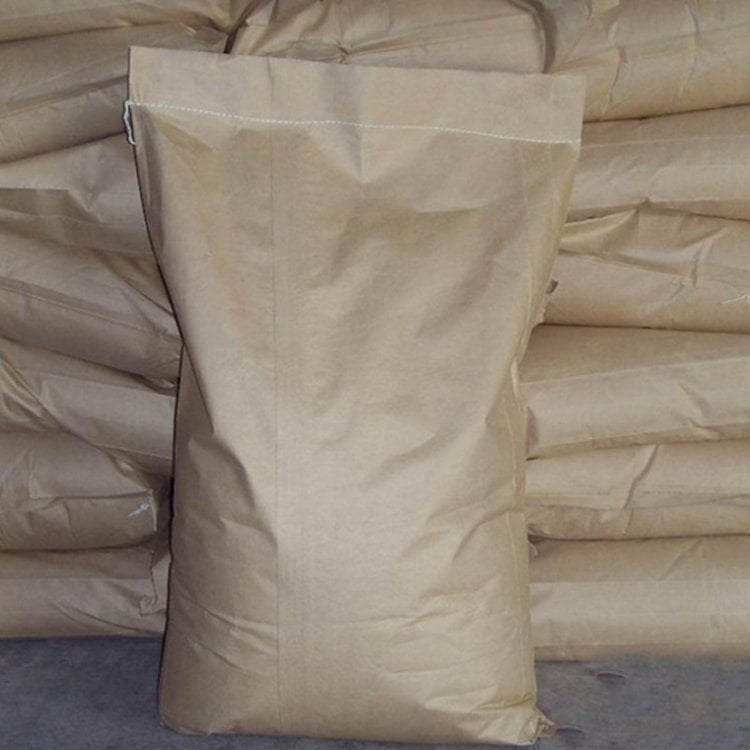
  • Package: 25kg/drum or customized fiber drums
Request a quote
Share:

Product Description

Technical Data

PropertiesSpecifications
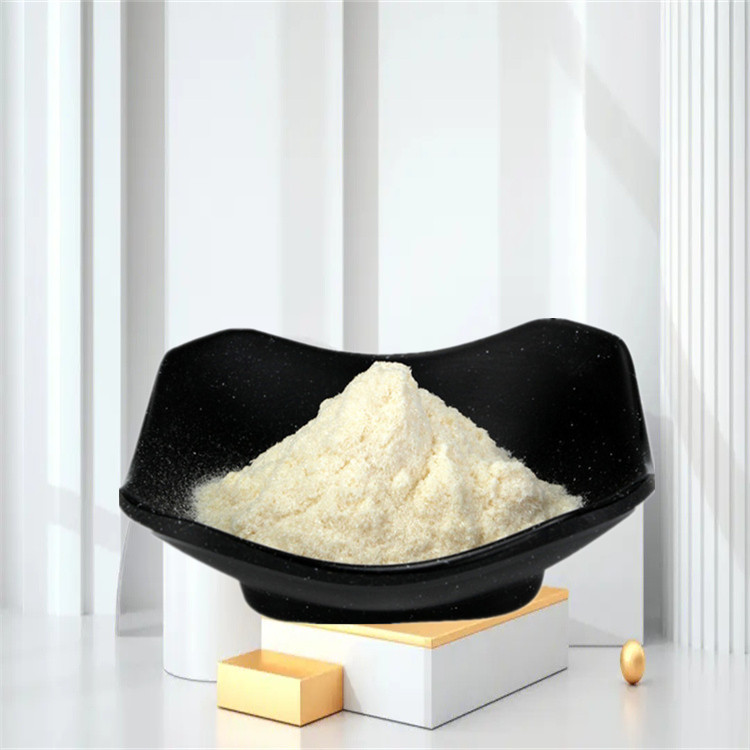
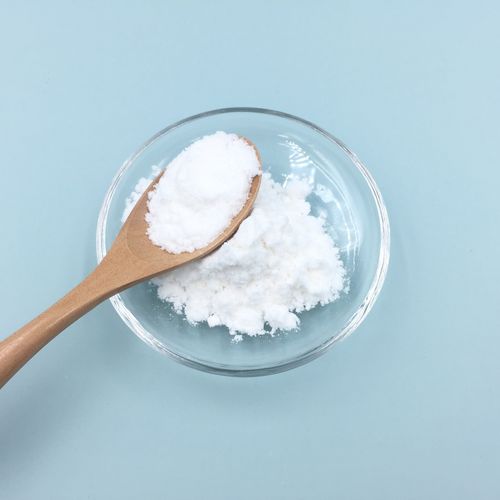
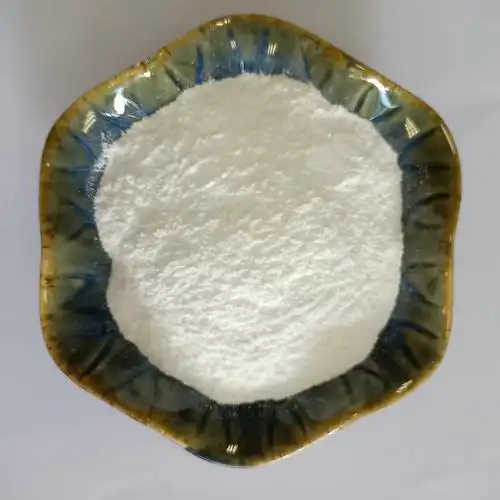
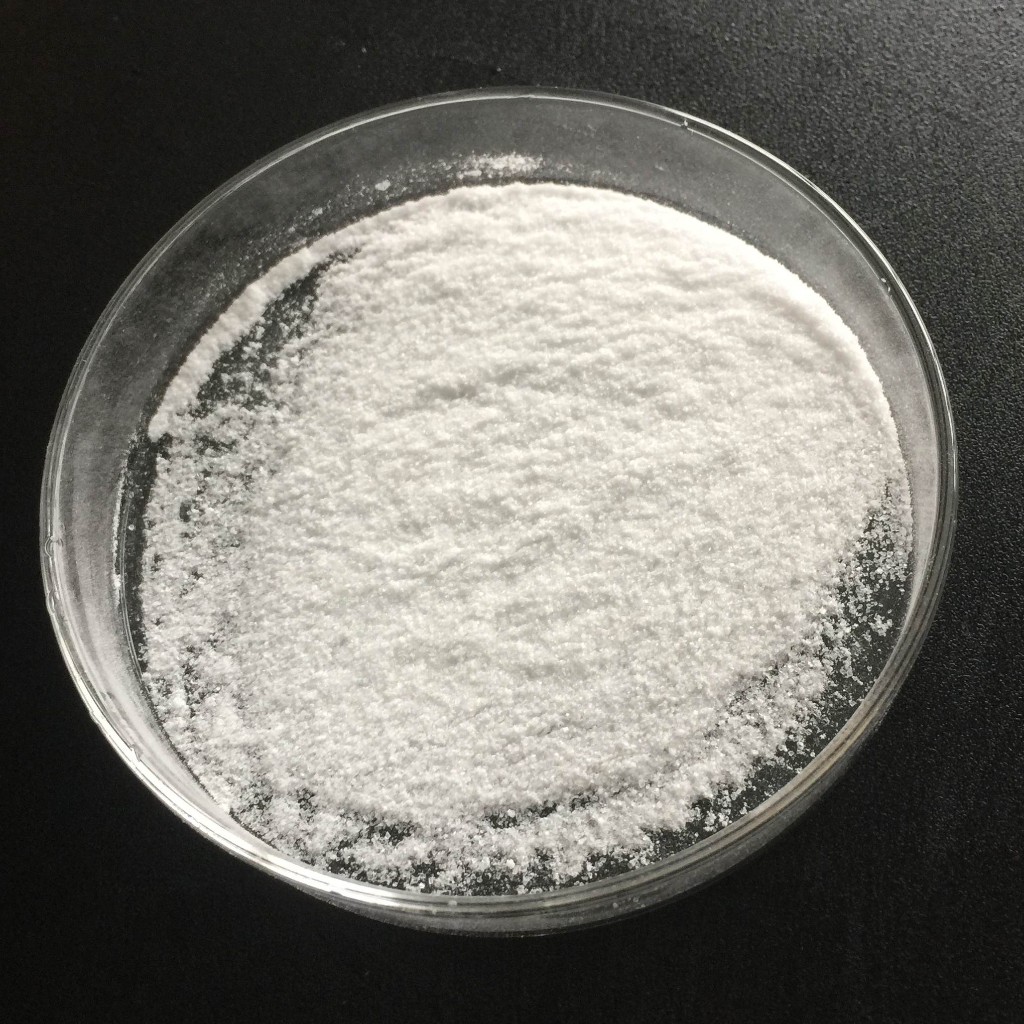
AppearanceWhite crystalline powder
Assay (HPLC)≥ 99.0%
Melting Point232°C – 237°C
Loss on Drying≤ 0.5%
Residue on Ignition≤ 0.1%
SolubilityFreely soluble in water and glacial acetic acid
Heavy Metals (Pb)≤ 10 ppm
Chlorides≤ 0.014%

Applications

  • Cosmetic Formulations: Used as a primary brightening agent in serums, creams, and essences to target hyperpigmentation and UV-induced skin darkening.
  • Pharmaceutical Manufacturing: Acts as an active pharmaceutical ingredient (API) for antifibrinolytic medications used to control excessive bleeding.
  • Chemical Research: Utilized as a biochemical reagent in the study of protease inhibitors and lysine-binding sites.

Storage & Safety

  • Storage: Store in a cool, dry, and well-ventilated warehouse. Keep containers tightly sealed and away from direct sunlight, heat, and moisture.
  • Safety (PPE): Operators should wear chemical safety goggles, oil-resistant gloves, and protective clothing. Ensure adequate local exhaust ventilation to minimize dust inhalation. In case of contact, rinse eyes or skin immediately with plenty of water.

Quality Assurance

Our production facility adheres to rigorous quality management protocols, utilizing advanced analytical instrumentation including High-Performance Liquid Chromatography (HPLC) for purity verification and Nuclear Magnetic Resonance (NMR) for structural confirmation. Every batch undergoes stringent testing to ensure compliance with international pharmacopoeia and cosmetic safety standards, ensuring the physical and chemical stability of the material for complex industrial applications.

FAQ - Technical & Supply Chain

  • Q:

    How is the trans-isomer ratio of Tranexamic Acid CAS 1197-18-8 verified for industrial consistency?

    A: The biological and chemical activity of this substance is strictly dependent on its trans-configuration. We utilize HPLC analysis to ensure the trans-isomer content meets the ≥ 99% threshold, distinguishing it from the inactive cis-isomer which can occur during inferior synthesis processes.
  • Q:

    Is this material suitable for cold-process cosmetic manufacturing?

    A: Yes, Tranexamic Acid is highly water-soluble and heat-stable. It is typically incorporated into the aqueous phase of a formulation. Because it does not require high-shear emulsification or high temperatures for dissolution, it is frequently applied in cold-process systems as a stable brightening component.
Documents

Documents and Product Support

For product review and sourcing evaluation, supporting documents can be coordinated according to the product type, inquiry stage, and order requirements.

  • COA for batch-based quality reference
  • TDS for key physical and chemical information
  • SDS / MSDS for handling, storage, and safety reference
  • Packing information for sample, trial, and bulk orders
  • Technical communication based on application and specification requirements
Quotation

Information to Confirm Before Quotation

Clear sourcing information helps reduce specification mismatch and allows a more accurate quotation before sample or bulk order discussion.

  • Product name and CAS number
  • Application or intended end use
  • Required purity, grade, or specification
  • Sample quantity, trial order, or bulk demand
  • Preferred packing form or net weight
  • Destination country or port
  • Required documents or compliance expectations
Storage & Handling

Packaging, Storage, and Handling Notes

Packaging form, storage conditions, shelf life, and shipment arrangements should be confirmed according to the product characteristics, package size, and destination requirements.

Before order confirmation, buyers are advised to review the corresponding product documents and confirm whether any special storage, labeling, or handling requirements apply.

Supply Support

Sample, Bulk Order and Repeat Supply Support

Support can be arranged for sample discussion, bulk supply planning, packaging confirmation, and routine sourcing communication based on the actual product and order requirements.

For repeat-use formulations or long-term procurement plans, buyers may discuss specification consistency, packaging preferences, delivery expectations, and document coordination in advance.

Contact Form

Use our contact form to send us your questions, suggestions or comments. We will respond as soon as possible.