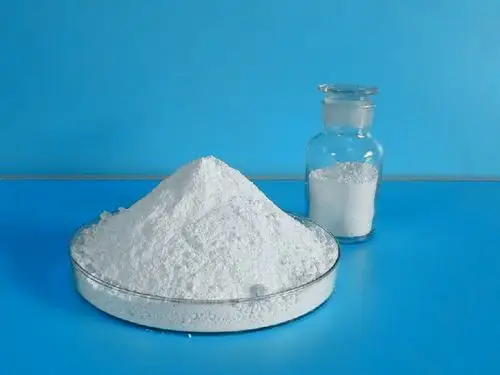
• Ascorbyl Tetraisopalmitate CAS 183476-82-6
  • Ascorbyl Tetraisopalmitate CAS 183476-82-6

Ascorbyl Tetraisopalmitate CAS 183476-82-6

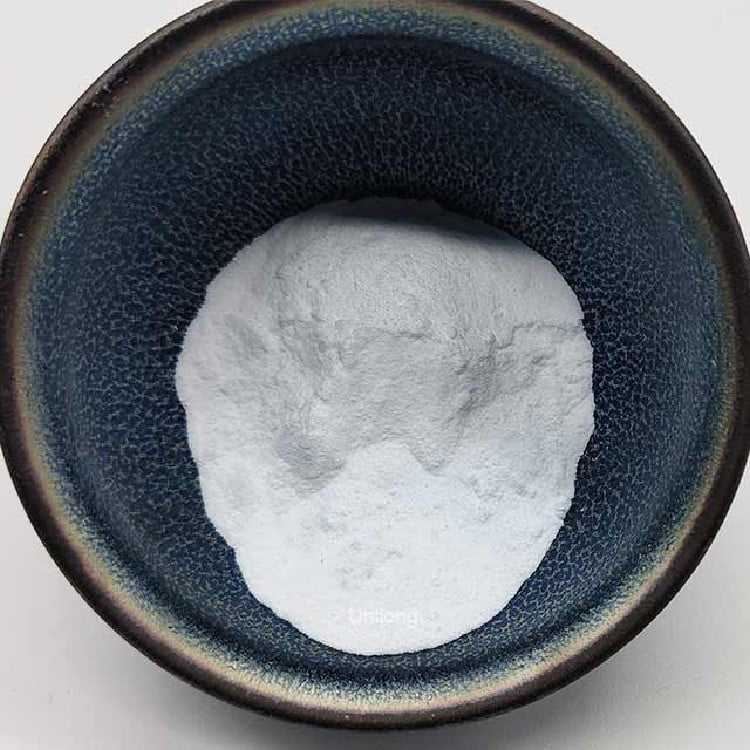
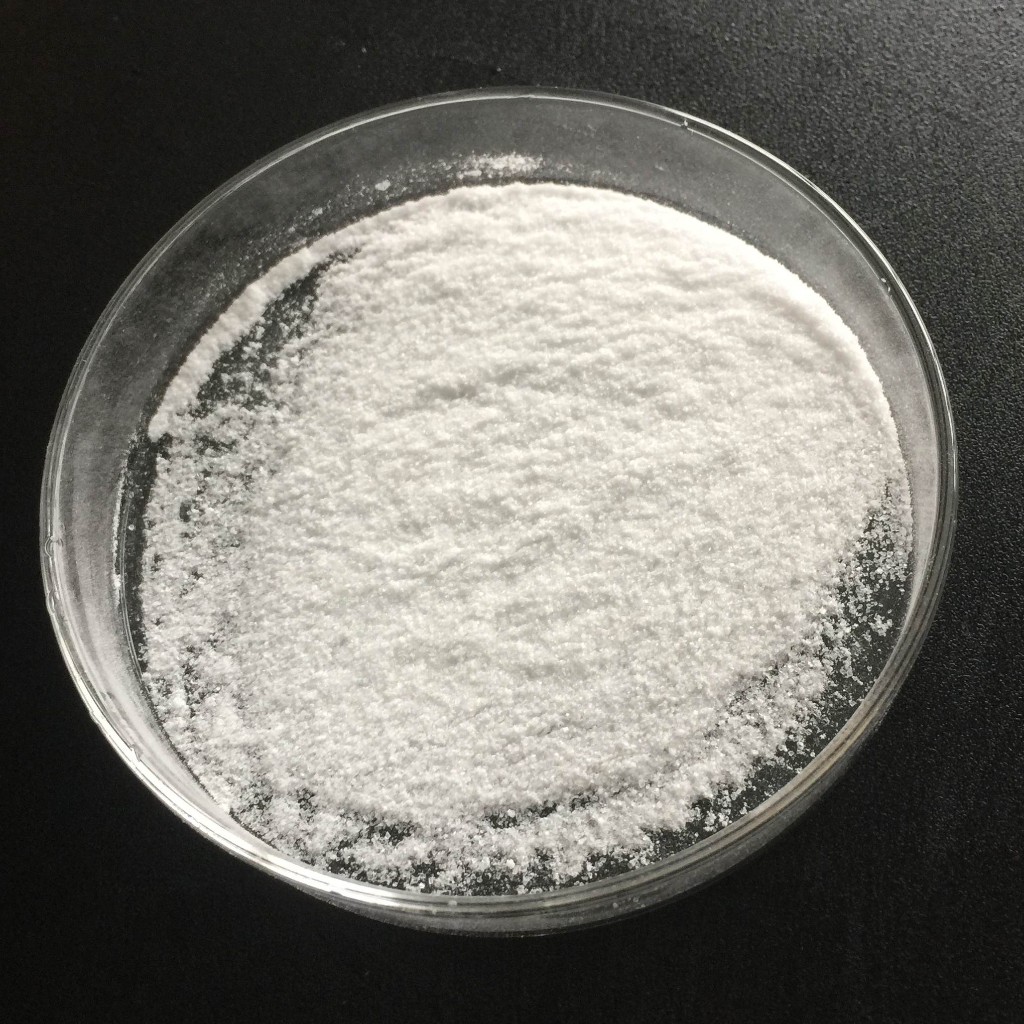
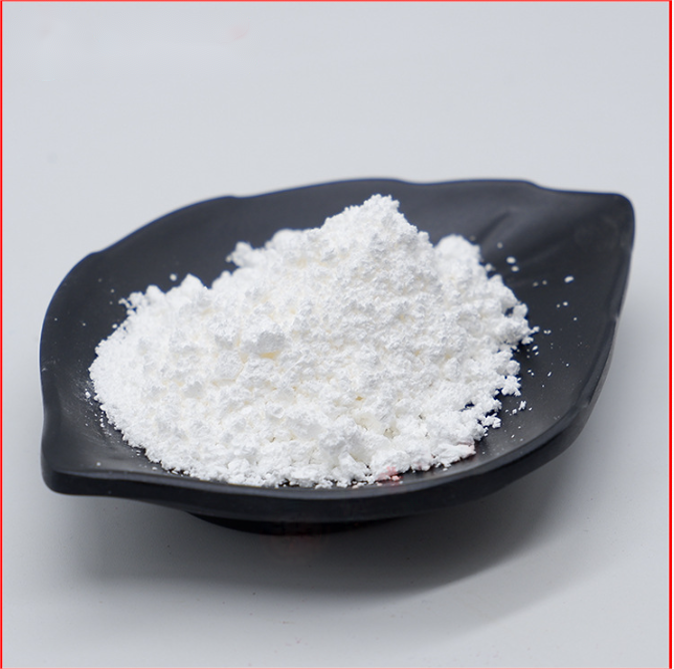
Ascorbyl Tetraisopalmitate (CAS 183476-82-6) is a stable, oil-soluble tetra-ester derivative of ascorbic acid utilized primarily as a functional active ingredient in cosmetic skin care formulations and personal care emulsions. This lipophilic VC-IP analog functions as a potent antioxidant and conditioning agent, exhibiting superior transdermal absorption compared to water-soluble vitamin C while maintaining structural integrity in Tetrahexyldecyl Ascorbate based oil phases. Unlike standard ascorbic acid, this Ascorbyl tetra-2-hexyldecanoate withstands oxidation at elevated temperatures, making it an essential component for anhydrous serums and oil-soluble Vitamin C systems. We provide this cosmetic raw material with competitive factory pricing to support global personal care manufacturing and ensure bulk supply availability for large-scale formulation. Our facility accommodates customized specifications for assay and color stability, while every shipment is fully documented with MSDS, TDS, COA files to meet international cosmetic regulations.

  • CAS: 183476-82-6
  • Synonyms: Tetrahexyldecyl Ascorbate, VC-IP, Ascorbyl tetra-2-hexyldecanoate, Vitamin C tetra-isopalmitate, ATIP
  • Einecs: 430-110-8
  • Molecular Formula: C70H128O10
Request a quote
Share:

Product Description

Ascorbyl Tetraisopalmitate (VC-IP) is an oil-soluble vitamin C derivative widely used in cosmetics, including but not limited to serums, lotions, creams, mists, and sheet masks. The typical recommended use level is 0.1%–2.0%. During formulation, the pH should not exceed 6.0 to maintain stability and performance.

VC-IP exhibits excellent stability, skin penetration, and in-skin conversion capacity. Its esterified, higher-molecular-weight structure enables very high stability ex vivo; at room temperature, its activity can remain above 85% after 6 months. Although the molecule is relatively large, its oil solubility confers strong affinity for the stratum corneum and allows rapid passage across cell membranes, delivering good percutaneous absorption. Inside cells, VC-IP converts to vitamin C whose antioxidant activity may even surpass that of the parent ascorbic acid, providing robust protective and nourishing effects for the skin.

Adding a chelating agent and an antioxidant (e.g., tocopherol) can further enhance stability. Avoid prolonged heating to prevent oxidation. These measures help ensure optimal performance and long-term efficacy of VC-IP in cosmetic formulations.

Basic Information

  • English name: Ascorbyl Tetraisopalmitate
  • CAS No.: 183476-82-6
  • Molecular formula: C₇₀H₁₂₈O₁₀
  • Molecular weight: 1129.76
  • EINECS/EC No.: 430-110-8

Product Specification

ProductCAS No.GradePacking
Ascorbyl Tetraisopalmitate (VC-IP)183476-82-6Cosmetic grade500 g / 1 kg

Key Benefits

  • Excellent transdermal absorption: Penetrates the skin barrier effectively and converts in situ to vitamin C to exert biological activity.
  • Inhibition of melanogenesis: Suppresses intracellular tyrosinase activity to reduce melanin production, helping brighten skin and fade spots.
  • Antioxidant protection: Mitigates UV-induced cellular and DNA damage, prevents lipid peroxidation and photo-aging, and delivers strong antioxidant effects.
  • Anti-aging support: Promotes and protects collagen synthesis, improving elasticity and firmness while reducing fine lines and wrinkles.
  • Thermal and oxidative stability: Maintains stability under elevated temperature and oxidative conditions, improving formulation robustness.
  • Cellular metabolism boost: Activates cellular metabolism and supports collagen production, aiding repair and regeneration.
  • Helps with stubborn acne and hyperpigmentation: With long-term use, can reduce persistent acne and facial pigment deposition, improving texture and tone uniformity.

Comparison with Other Vitamin C Derivatives

(Image source: web)
The unique esterified structure of VC-IP affords high ex-vivo stability and good skin penetration, with efficient intracellular conversion to a potent antioxidant form of vitamin C—often outperforming free ascorbic acid. Its gentle profile also makes it a suitable option for consumers who do not tolerate ingredients such as niacinamide, underscoring VC-IP’s broad potential in skincare.

Performance Studies

With antioxidant-vitamin formulations proliferating, stability evaluation is essential for product quality. Comparative studies of ascorbyl tetraisopalmitate and tocopheryl acetate in a base cream using thermogravimetric (TG/DTG) and differential scanning calorimetry (DSC) show both vitamins exhibit good stability below 250 °C.

Molecular-dynamics simulations of VC-IP transport in skin examined percutaneous absorption pathways. Results indicate VC-IP diffuses through the funnel-shaped hair follicle route more slowly than through the stratum corneum and shows higher mobility but lower affinity within follicles. By contrast, it has stronger affinity for the stratum corneum with a more direct penetration pathway.

Cosmetic Use Cases

Formulations containing VC-IP and rice peptides—such as sunscreens and skincare products—can improve signs of photo-aging in young women. Double-blind randomized controlled data suggest VC-IP increases skin hydration, improves structure, reduces pigmentation, and accelerates epidermal turnover. Daily use of VC-IP antioxidant formulas can help prevent and mitigate photo-aging issues, especially in individuals without established photoprotection habits.

As a lipophilic ascorbic-acid derivative, VC-IP serves primarily as an antioxidant, emollient, and skin-conditioning agent. It provides photoprotective benefits and is widely used in anti-aging products, sunscreens, and skin-tone evening (de-pigmenting) creams.

By reducing free radicals and promoting synthesis of dermal proteins (e.g., collagen), VC-IP can markedly improve the histological features of photo-aged skin. Studies report reductions in keratinocyte apoptosis and sunburn cells. In a “tri-active” serum, VC-IP works synergistically with melatonin and bakuchiol to restore skin structure and function and enhance overall antioxidant capacity.

Clinical evaluation of a VC-IP tri-active facial serum over 12 and 24 weeks showed significant improvements in texture, pigmentation, erythema, overall tone, and wrinkles, with particularly notable wrinkle reduction on the forehead and marionette lines. Although dermal and epidermal thickness increased, the changes did not reach statistical significance.

Regarding anti-aging outcomes and tolerability, the VC-IP tri-active serum significantly reduced wrinkles, increased firmness, and improved overall complexion and skin quality. Participants rated its cosmetic properties highly. It demonstrated good tolerance and safety across skin types, including oily skin, indicating broad suitability as an effective anti-aging product.

Example Products

  • Puli “Repair & Radiance Essence” – A facial serum containing VC-IP, positioned for repair, anti-wrinkle, firming, and soothing. Suitable for general use, especially on the face. Cream-lotion texture; apply after cleansing and toning. Also includes ingredients such as Anogeissus leiocarpa bark extract, hydrogenated lecithin, and ergothioneine for combined antioxidant, moisturizing, soothing, and anti-aging effects.
  • Yurong Chucang Saffron Revitalizing Face Oil – Contains VC-IP as an active with antioxidant and anti-aging benefits. The formula also features Crocus sativus (saffron) flower extract, Crithmum maritimum (sea fennel) extract, and Acmella oleracea extract, among others, offering antioxidant, soothing, anti-aging, and reparative actions. Apply evenly to facial skin and massage gently to aid absorption.
  • PROYA Nourishing Facial Oil – Includes VC-IP among its actives and multiple botanical oils such as jojoba seed oil, macadamia integrifolia seed oil, and meadowfoam seed oil, working together to provide moisturizing, antioxidant, anti-aging, and soothing effects. The product also contains tocopherol (vitamin E) for added antioxidant, anti-wrinkle, and firming benefits, with a low comedogenic risk.

FAQ - Technical & Supply Chain

  • Q:

    How does the chemical structure of CAS 183476-82-6 differ from standard L-Ascorbic Acid?

    A: CAS 183476-82-6 identifies the esterified form where all four hydroxyl groups of ascorbic acid are linked to isopalmitic acid chains, converting the molecule from a hydrophilic acid into a stable, lipophilic lipid-soluble ester.
  • Q:

    Is this ingredient compatible with purely aqueous formulations?

    A: It is intended strictly for oil-phase addition or emulsion systems; direct addition to water-only bases without emulsifiers or solubilizers is not chemically viable due to its lipophilic nature.
Documents

Documents and Product Support

For product review and sourcing evaluation, supporting documents can be coordinated according to the product type, inquiry stage, and order requirements.

  • COA for batch-based quality reference
  • TDS for key physical and chemical information
  • SDS / MSDS for handling, storage, and safety reference
  • Packing information for sample, trial, and bulk orders
  • Technical communication based on application and specification requirements
Quotation

Information to Confirm Before Quotation

Clear sourcing information helps reduce specification mismatch and allows a more accurate quotation before sample or bulk order discussion.

  • Product name and CAS number
  • Application or intended end use
  • Required purity, grade, or specification
  • Sample quantity, trial order, or bulk demand
  • Preferred packing form or net weight
  • Destination country or port
  • Required documents or compliance expectations
Storage & Handling

Packaging, Storage, and Handling Notes

Packaging form, storage conditions, shelf life, and shipment arrangements should be confirmed according to the product characteristics, package size, and destination requirements.

Before order confirmation, buyers are advised to review the corresponding product documents and confirm whether any special storage, labeling, or handling requirements apply.

Supply Support

Sample, Bulk Order and Repeat Supply Support

Support can be arranged for sample discussion, bulk supply planning, packaging confirmation, and routine sourcing communication based on the actual product and order requirements.

For repeat-use formulations or long-term procurement plans, buyers may discuss specification consistency, packaging preferences, delivery expectations, and document coordination in advance.

Contact Form

Use our contact form to send us your questions, suggestions or comments. We will respond as soon as possible.