








Glycine (aminoacetic acid), CAS 56-40-6, is the simplest proteinogenic amino acid supplied for food, pharmaceutical, feed and industrial applications. Confirm the required grade, then request a quotation with COA/TDS/SDS for bulk supply.
Glycine Powder CAS 56-40-6
- CAS: 56-40-6
- Synonyms: Aminoacetic acid, Glycocoll, Aminoethanoic acid, Gly, 2-aminoacetic acid
- Einecs: 200-272-2
- Molecular Formula: C₂H₅NO₂
- Grade: Industrial grade / Food grade / Pharma grade
- Package: 25 kg kraft paper bags with inner PE liner; 500–1000 kg jumbo bags available upon request
Product Description
Glycine, CAS 56-40-6, also known as aminoacetic acid or glycocoll, is the simplest proteinogenic amino acid; the EC/EINECS number is 200-272-2.
Synonyms: aminoacetic acid; glycocoll; aminoethanoic acid; Gly; 2-aminoacetic acid.
CAS: 56-40-6.
Molecular formula: C₂H₅NO₂.
Molecular weight: 75.07 g/mol.
EC number: 200-272-2.
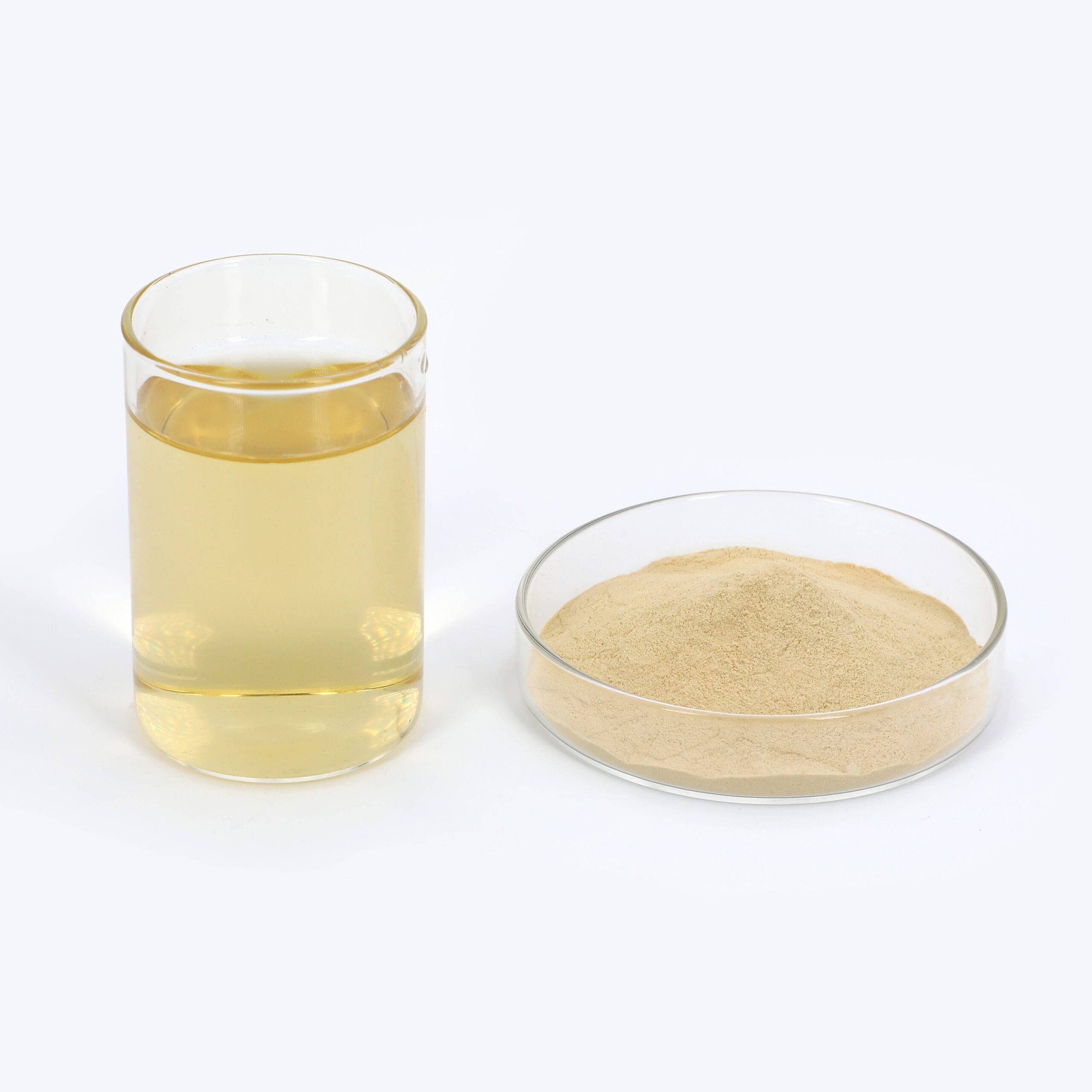
It is a white, free-flowing crystalline powder, odorless and freely soluble in water (about 25 g per 100 g water at 25 °C).
The assay (glycine, dry basis) is ≥99.0%; a 5% aqueous solution has a pH of 5.5–7.0.
The melting point is about 240 °C (decomposition); loss on drying is ≤0.20% and residue on ignition ≤0.10%.
It is used in food and beverage formulations and as a pharmaceutical excipient and amino-acid infusion component.
It is used in animal nutrition, personal-care products and as a synthesis intermediate.
Because glycine has both carboxyl and amino groups, it buffers in both acidic and basic pH ranges.
It is used in metal complexing and electroplating; heavy metals (as Pb) are ≤10 ppm.
Confirm grade, assay, appearance, pH, loss on drying, residue on ignition, chloride, sulfate, heavy metals and microbial limits.
Store in tightly closed containers in a cool, dry, ventilated area away from moisture, strong oxidizers and incompatible materials.
Confirm packaging with the requested quantity and destination requirements.
Document requirements should be confirmed from the current specification, SDS, COA or other product-specific files.
The page is an RFQ entry point and does not state stock, price, MOQ or fixed lead time.
For an RFQ, state the intended use, required grade, quantity, packaging, destination and document needs.
FAQ - Technical & Supply Chain
-
Q:
What is Glycine CAS 56-40-6?
A: Glycine is the simplest proteinogenic amino acid and is supplied as a white crystalline powder. Unlike most amino acids it is achiral, which makes it especially useful in pH-buffering, synthesis and formulation applications. -
Q:
Which grades and packaging are available?
A: This product is available in industrial, food and pharmaceutical grades. It is normally packed in 25 kg kraft paper bags with an inner PE liner, with 500-1000 kg jumbo bags available on request. -
Q:
What are the main applications of glycine?
A: Glycine is used in food and beverage formulations, pharmaceutical excipients and amino-acid infusions, animal nutrition, personal-care products, metal complexing and electroplating, and as a synthesis intermediate. -
Q:
Why is glycine used as a buffering agent?
A: Because glycine has both a carboxyl and an amino group, it can buffer at both acidic and basic pH ranges. This amphoteric behavior helps maintain stable pH in chemical, biochemical and pharmaceutical processes. -
Q:
How should glycine be stored and handled?
A: Keep it in tightly closed containers in a cool, dry, ventilated area away from moisture, strong oxidizers and incompatible materials. Use local exhaust or dust-control measures and appropriate PPE when handling large quantities. -
Q:
What specifications should I confirm before ordering?
A: Confirm grade, assay, appearance, pH, loss on drying, residue on ignition, chloride, sulfate, heavy metals and any microbial limits relevant to the end use. Request the current batch analysis, technical data and safety information for batch-specific data.
Ordering & Documentation
Key information for document requests, quotations, and supply planning.
Documents
Tell us which documents your procurement team needs. Before an order, we will check whether the quoted source can provide them for the offered lot.
Quotation
Send the CAS number, grade, quantity, packing preference and destination.
Sample & Supply
Ask whether samples, trial quantities or repeat orders are possible. We will check each request against the sourced product and current offer.
Storage & Shipping
Product-specific conditions are confirmed before order.