










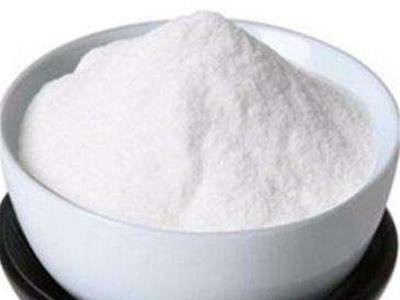
Vitamin B6 (CAS 8059-24-3), commercially supplied primarily as Pyridoxine Hydrochloride, is a water-soluble vitamin functioning as a vital coenzyme in animal feed additives and food fortification. This white crystalline powder, technically identified as 5-hydroxy-6-methyl-3,4-pyridinedimethanol hydrochloride, acts as a crucial cofactor in amino acid metabolism, neurotransmitter synthesis, and red blood cell formation. We provide bulk supply of this feed and food grade ingredient with competitive factory pricing to support the livestock and nutritional supplement industries. Our manufacturing process ensures high stability and flowability, making MSDS, TDS, COA available alongside customized specifications to meet BP/USP/EP or Feed Grade standards.
Vitamin B6 CAS 8059-24-3
- CAS: 8059-24-3
- Synonyms: Pyridoxine Hydrochloride, Pyridoxine HCl, Pyridoxol, Adermine, PN HCl
- Einecs: 232-503-8
- Molecular Formula: C10H16N2O3S
- Grade: Food Grade / Pharmaceutical Grade / Feed Grade
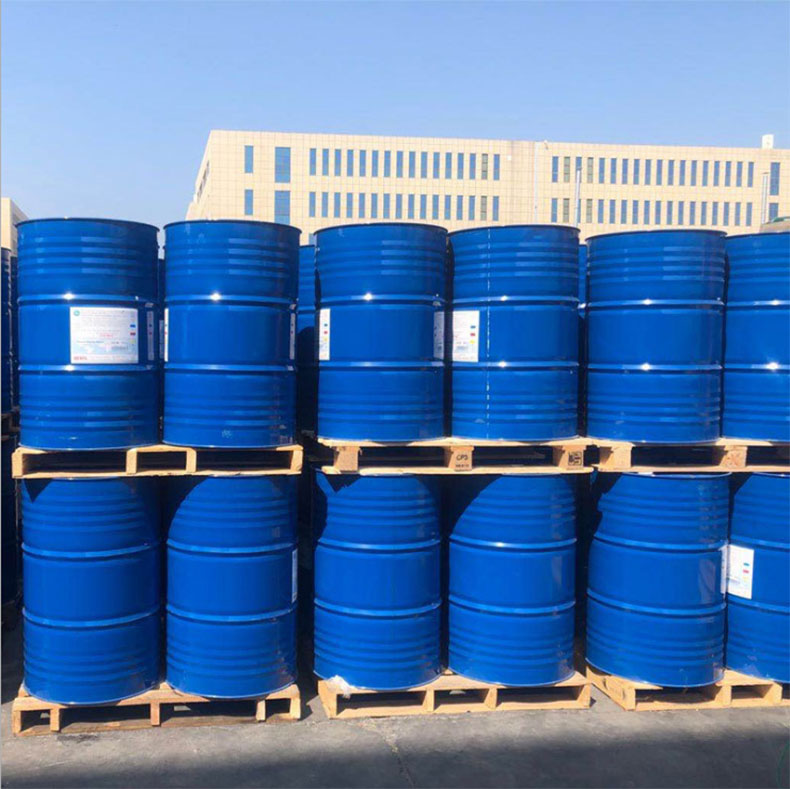
- Package: 25 kg fiber drum 25 kg carton box with inner PE liner Customized packaging available for OEM orders
Product Description
Vitamin B6, commonly known as Pyridoxine Hydrochloride, is a water-soluble vitamin essential for amino acid metabolism, neurotransmitter synthesis, and immune system support. It is widely used in food fortification, dietary supplements, pharmaceuticals, and animal nutrition.
Our Vitamin B6 is manufactured under GMP and HACCP systems, providing consistent purity, stable quality, and global-export compliant documentation including COA, MSDS, and TDS.
Physicochemical Properties
| Item | Specification / Description |
|---|---|
| Appearance | White or off-white crystalline powder |
| Assay (Pyridoxine HCl) | ≥ 98.0% |
| Odor | Odorless |
| Solubility | Soluble in water; slightly soluble in alcohol |
| Melting Point | 160–165°C |
| pH (5% Solution) | 2.5–3.5 |
| Loss on Drying | ≤ 0.5% |
| Ash Content | ≤ 0.1% |
| Heavy Metals | ≤ 10 ppm |
| Shelf Life | 24 months under recommended conditions |
Applications
1. Food & Beverage Fortification
- Used in cereals, infant formula, nutritional bars, energy drinks, dairy, and meal replacements.
- Supports metabolism and improves nutritional value of processed foods.
2. Dietary Supplements
- Widely used in capsules, tablets, powders, and multivitamin blends.
- Essential for neurological health and immune function.
3. Pharmaceutical Formulations
- Used as an active ingredient in anti-nausea formulas, metabolic products, and therapeutic B-complex injections.
4. Animal Feed Nutrition
- Enhances growth performance, promotes enzyme activity, and improves feed conversion in poultry, swine, cattle, and aquatic species.
Storage Conditions
- Store in a cool, dry, and well-ventilated area.
- Keep away from moisture, heat sources, and direct sunlight.
- Store in sealed original packaging to maintain stability.
- Recommended storage temperature: < 25°C.
Safety Precautions
- Avoid contact with eyes and skin.
- Use protective gloves and goggles when handling large quantities.
- Avoid inhalation of dust; use local exhaust ventilation in production or repacking areas.
- Not classified as hazardous but handle according to standard chemical safety guidelines.
- Keep out of reach of children and store away from incompatible substances.
FAQ - Technical & Supply Chain
-
Q:
How does the chemical stability of Vitamin B6 (CAS 8059-24-3) compare to other B-vitamins in premixes?
A: Vitamin B6 (as Pyridoxine HCl) is relatively stable to heat and atmospheric oxygen compared to Vitamin B1, but it is chemically sensitive to light and moisture; therefore, it is intended to be stored in light-resistant containers and used in dry premixes to maintain potency. -
Q:
Is this specific CAS number intended for pharmaceutical or animal nutrition applications?
A: While CAS 8059-24-3 is the generic registry number for Vitamin B6, the industrial product is typically Pyridoxine Hydrochloride; it is widely intended for use in both animal nutrition (as a feed additive for poultry and swine) and human health supplements to prevent deficiency-related metabolic disorders.
Documents and Product Support
For product review and sourcing evaluation, supporting documents can be coordinated according to the product type, inquiry stage, and order requirements.
- COA for batch-based quality reference
- TDS for key physical and chemical information
- SDS / MSDS for handling, storage, and safety reference
- Packing information for sample, trial, and bulk orders
- Technical communication based on application and specification requirements
Information to Confirm Before Quotation
Clear sourcing information helps reduce specification mismatch and allows a more accurate quotation before sample or bulk order discussion.
- Product name and CAS number
- Application or intended end use
- Required purity, grade, or specification
- Sample quantity, trial order, or bulk demand
- Preferred packing form or net weight
- Destination country or port
- Required documents or compliance expectations
Packaging, Storage, and Handling Notes
Packaging form, storage conditions, shelf life, and shipment arrangements should be confirmed according to the product characteristics, package size, and destination requirements.
Before order confirmation, buyers are advised to review the corresponding product documents and confirm whether any special storage, labeling, or handling requirements apply.
Sample, Bulk Order and Repeat Supply Support
Support can be arranged for sample discussion, bulk supply planning, packaging confirmation, and routine sourcing communication based on the actual product and order requirements.
For repeat-use formulations or long-term procurement plans, buyers may discuss specification consistency, packaging preferences, delivery expectations, and document coordination in advance.


