Chemical products
  • L-Lysine Hydrochloride CAS 657-27-2
  • L-Lysine Hydrochloride CAS 657-27-2

L-Lysine Hydrochloride CAS 657-27-2

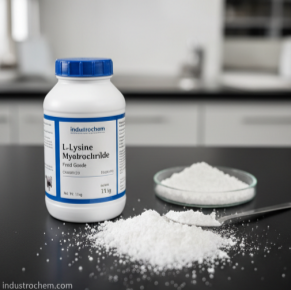
L-Lysine Hydrochloride CAS 657-27-2 is the monochloride salt of the essential amino acid L-lysine , chemically defined as (S)-2,6-Diaminohexanoic acid monohydrochloride, functioning primarily as a limiting amino acid supplement in animal feed premixes and a nutritional fortification agent in food processing. Also known as L-Lysine HCl or Lysine monohydrochloride, this crystalline powder is utilized to optimize protein synthesis in livestock diets and serves as a precursor in the fermentative production of pharmaceutical intermediates. We provide professional access to this material with competitive factory pricing and the ability to meet customized specifications for various manufacturing requirements. Our commitment to technical transparency ensures that every shipment is accompanied by comprehensive MSDS, TDS, COA documentation to support your quality assurance protocols, and we maintain capacity for consistent bulk supply to facilitate large-scale industrial operations.

  • CAS: 657-27-2
  • Synonyms: L-Lysine HCl, L-Lysine monohydrochloride, (S)-2,6-Diaminohexanoic acid monohydrochloride, Lysine hydrochloride, Lysine HCl
  • Einecs: 211-519-9
  • Molecular Formula: C6H15ClN2O2
  • Grade: Feed Grade
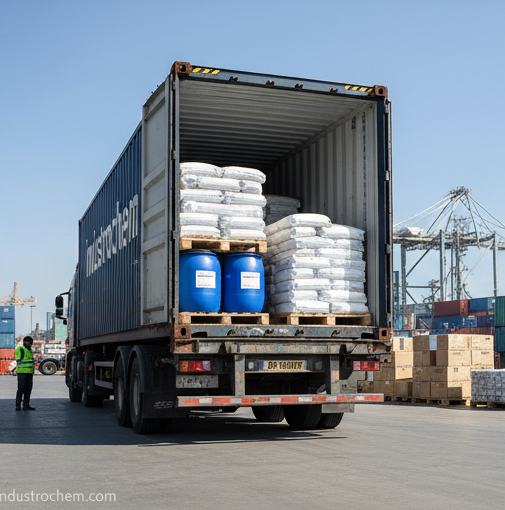
  • Package: 25kg/bag (Plastic woven bag with PE liner) or 500kg/1000kg Jumbo Bag.
Request a quote
Share:

Product Description

What is L-Lysine HCL?

L-Lysine HCL is the hydrochloride salt form of L-Lysine. Why do we use the salt form? Because pure Lysine is unstable and difficult to handle. By binding it with hydrochloric acid, we create a stable, crystalline powder that is highly soluble, easy to digest, and has a long shelf life.

It is the most cost-effective way to supplement this crucial amino acid that the body cannot produce on its own.

Physicochemical Properties

For procurement managers and R&D teams, consistency in the spec sheet is everything. Here are the key technical parameters:

PropertyDescription
Chemical NameL-Lysine Monohydrochloride
CAS Number657-27-2
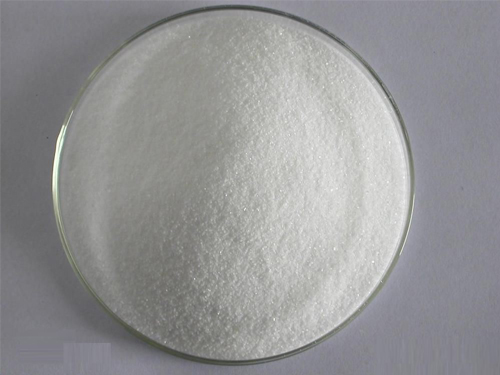
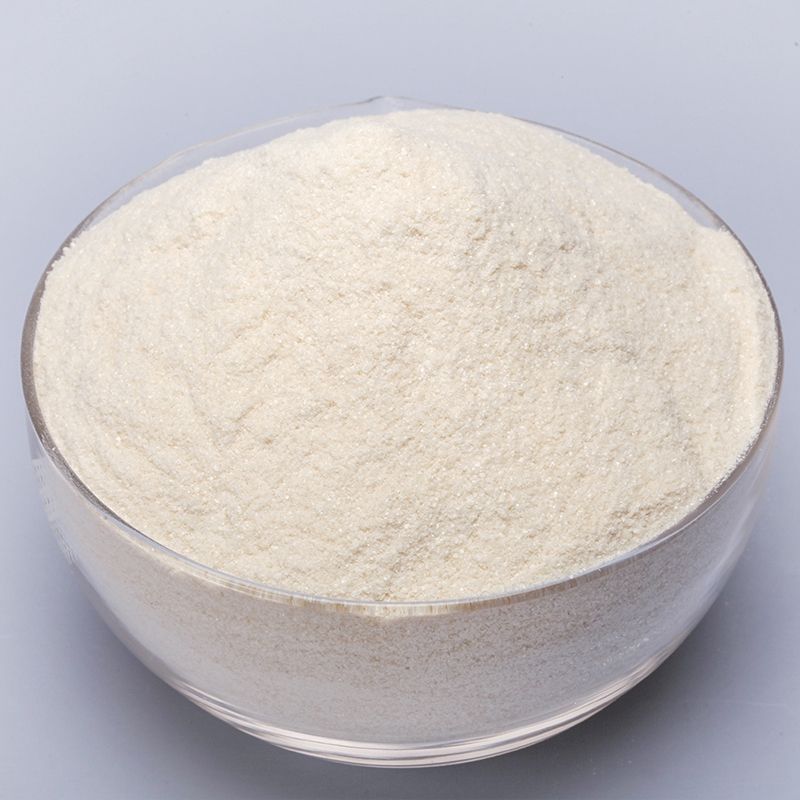
AppearanceWhite to off-white crystalline powder or granules
OdorOdorless or slight characteristic odor
Assay (Purity)≥ 98.5% (typically ~78% active L-Lysine)
Molecular FormulaC6H14N2O2·HCl
Molecular Weight182.65 g/mol
SolubilityFreely soluble in water; formic acid
pH Value5.0 – 6.0 (in 10% solution)
Loss on Drying≤ 1.0%

Key Application Fields

1. Animal Feed (The Powerhouse Sector) This is where L-Lysine HCL is king. Corn and soy-based diets are naturally deficient in Lysine.

  • Swine: Crucial for lean muscle deposition and weight gain.
  • Poultry: Essential for meat yield and egg production.
  • Aquaculture: Increasingly used to reduce reliance on expensive fishmeal.
  • The Benefit: By adding L-Lysine HCL, farmers can use lower-cost plant proteins while still achieving maximum growth rates.

2. Human Nutrition & Supplements In the nutraceutical market, Lysine is often paired with Vitamin C for immune support. It is also a staple in sports nutrition for tissue repair and collagen synthesis.

3. Food Industry Used as a flavor enhancer and a nutritional fortifier in bread, noodles, and rice products to improve the protein profile of grain-based foods.

Why Texture and Granularity Matter

Not all Lysine is manufactured equally. One of the biggest complaints in production is dust.

Poorly manufactured L-Lysine HCL creates excessive dust in the mixing facility, which is a health hazard and leads to product loss. We focus on supplying a product with a consistent particle size distribution. This ensures:

  1. Better Flowability: It moves through hoppers and mixers without bridging.
  2. Homogeneity: It mixes evenly into the feed or supplement premix, ensuring every dose or pellet has the exact right amount of amino acid.

Safety and Precautionary Measures

While L-Lysine HCL is a feed/food grade product, it is handled in industrial quantities, so safety protocols must be followed.

  • Inhalation: The dust can be a mild respiratory irritant. Facility staff should always wear dust masks (N95) during hooping or mixing operations.
  • Contact: Prolonged contact with skin may cause mild irritation. Wear protective gloves and long sleeves.
  • Eyes: If dust enters the eyes, flush immediately with water. Safety goggles are recommended in the mixing zone.

For other feed-grade essential amino acids, see DL-Methionine and L-Threonine.

Recommended Storage Conditions

L-Lysine HCL is relatively stable, but it can degrade if treated poorly.

  1. Humidity Control: It is slightly hygroscopic (absorbs moisture). Bags should be kept on pallets, off the floor, in a dry environment.
  2. Temperature: Store in a cool, well-ventilated area, away from direct sunlight.
  3. Packaging Integrity: Once a bag is opened, it should be used quickly or resealed tightly to prevent caking.

Looking for a Reliable Supply Partner?

The market for amino acids fluctuates with the price of corn and global shipping dynamics. You need a supplier who offers not just a chemical, but market insight and stability.

We provide L-Lysine Hydrochloride (CAS 657-27-2) that meets strict quality standards (Feed Grade / Food Grade / Pharma Grade available), ensuring your production lines keep moving efficiently.

Stop worrying about supply shortages or inconsistent quality.

[Contact Us Today for a Competitive Quote] Let’s discuss your monthly volume requirements and how we can support your formulation goals.

FAQ - Technical & Supply Chain

  • Q:

    What is L-Lysine Hydrochloride CAS 657-27-2?

    A: L-Lysine Hydrochloride CAS 657-27-2 is the hydrochloride salt of the essential amino acid L-lysine, with molecular formula C6H15ClN2O2, molecular weight about 182.65 g/mol, and EINECS 211-519-9. It is supplied as a white to off-white crystalline powder or granules and is also called L-lysine HCl.
  • Q:

    Why is L-Lysine Hydrochloride used in animal feed?

    A: Corn- and soy-based animal diets are often deficient in lysine, so L-Lysine HCl is added to balance amino-acid nutrition. It supports lean muscle deposition, growth performance, and feed efficiency in swine, poultry, and aquaculture.
  • Q:

    What are the key feed-grade specifications for L-Lysine Hydrochloride?

    A: Typical specifications include a white to off-white crystalline powder or granules, assay of at least 98.5%, pH of 5.0-6.0 in a 10% solution, and loss on drying at or below 1.0%. The product is freely soluble in water.
  • Q:

    How does L-Lysine HCl differ from L-Lysine Sulfate or liquid Lysine?

    A: L-Lysine HCl is a high-purity crystalline salt, usually with assay above 98.5%, while lysine sulfate is typically a fermentation complex containing around 70% lysine activity and liquid lysine base has different handling properties. These forms differ in concentration, solubility, and formulation fit.
  • Q:

    Can L-Lysine Hydrochloride be used in water-soluble veterinary powders?

    A: Yes. Because it is freely soluble in water, L-Lysine HCl is suitable for water-soluble feed supplements, drinking-water formulations, and clear veterinary powder products where insoluble residues would be undesirable.

Ordering & Documentation

Key information for document requests, quotations, and supply planning.

Documents

COA, TDS, SDS/MSDS and packing details are available on request.

Quotation

Send the CAS number, grade, quantity, packing preference and destination.

Sample & Supply

Support is available for samples, trial orders, bulk and repeat supply.

Storage & Shipping

Product-specific conditions are confirmed before order.

Contact Form

Use our contact form to send us your questions, suggestions or comments. We will respond as soon as possible.