










• Monosodium Glutamate CAS 142-47-2

Monosodium Glutamate CAS 142-47-2

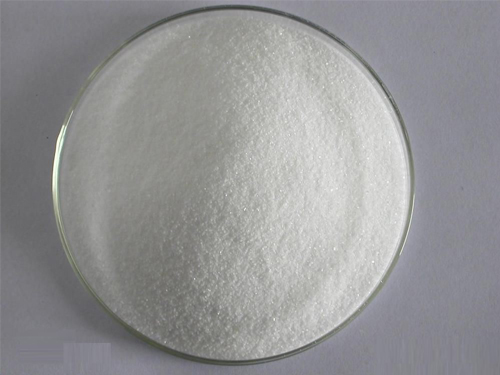
Monosodium Glutamate (CAS 142-47-2), widely recognized as MSG, is the sodium salt of glutamic acid functioning as a premier flavor enhancer in the global food processing industry. Chemically identified as Sodium 2-aminopentanedioate, this white crystalline powder acts to intensify the savory "Umami" taste profile by stimulating specific glutamate receptors on the tongue. As a stable Amino acid salt derived typically through bacterial fermentation of starch or molasses, it is extensively integrated into soups, snacks, processed meats, and seasoning blends to improve palatability while allowing for sodium reduction in final formulations. We ensure bulk supply capabilities for this material, providing access to competitive factory pricing and customized specifications to meet specific mesh sizes (e.g., 20 mesh, 60 mesh, 80 mesh, or powder). Full technical documentation, including MSDS, TDS, COA, is available to support compliance and safety protocols.

  • CAS: 142-47-2
  • Synonyms: MSG, Sodium glutamate, Monosodium L-glutamate, L-Glutamic acid monosodium salt, Sodium 2-aminopentanedioate
  • Einecs: 205-538-1
  • Molecular Formula: C5H8NO4Na
  • Grade: Food Grade / FCC IV / E621 / GB/T 8967
  • Package: 25kg Kraft Paper Bag / PP Bag, or customized small packaging (454g, 1lb, etc.) for retail.
Request a quote
Share:

Product Description

Monosodium Glutamate, commonly known as MSG, is the sodium salt of glutamic acid, one of the most abundant naturally occurring non-essential amino acids. Our product appears as white, odorless, prismatic crystals or powder with a distinct “Umami” taste.

It is produced via a natural fermentation process (similar to yogurt or vinegar) using corn or rice glucose. As a flavor enhancer, it intensifies the meaty, savory flavor of food. Our manufacturing facilities are ISO, HACCP, HALAL, and KOSHER certified, ensuring the product meets strict international food safety standards suitable for global export.


Physicochemical Properties

The following specifications represent typical Food Grade standards (99% Purity):

PropertySpecification / Value
AppearanceWhite Crystalline Granules or Powder
Purity (Assay as C5H8NO4Na·H2O)≥ 99.0%
State of Solution (Transmittance)≥ 98.0% (Clear and colorless)
Specific Rotation [α] (20, D)+24.8° to +25.3°
Loss on Drying≤ 0.50%
pH Value (5% Solution)6.7 – 7.5
Chloride (Cl)≤ 0.10%
Iron (Fe)≤ 5 mg/kg (ppm)
Heavy Metals (as Pb)≤ 1 mg/kg (ppm)
Arsenic (As)≤ 0.5 mg/kg (ppm)
Sulfate (SO4)≤ 0.05%
Mesh Sizes Available20, 30, 40, 60, 80, 100 mesh, or powder

Applications

Monosodium Glutamate is a staple ingredient in the food processing and culinary industries:

  1. Food Processing: Widely used in the production of bouillon cubes, soup mixes, stocks, and sauces to enhance savory notes.
  2. Snack Industry: Applied to potato chips, crackers, and savory snacks for flavor boosting.
  3. Meat Products: Used in sausages, hams, and preserved meats to improve taste profile and palatability.
  4. Catering & Restaurants: Essential in Asian and international cuisines for marinating meats and seasoning stir-fries, stews, and soups.
  5. Instant Foods: A key ingredient in instant noodles and pre-packaged meals.

Storage Conditions

  • Environment: Store in a cool, dry, and well-ventilated area.
  • Moisture Control: MSG is stable but can cake if exposed to high humidity. Keep containers tightly closed when not in use.
  • Contamination: Store away from toxic, harmful, or strong-smelling goods to prevent contamination.
  • Shelf Life: Typically 36 months (3 years) when stored under proper conditions.

Safety Precautions

  • General Handling: Considered GRAS (Generally Recognized As Safe) by the FDA and WHO. Standard food hygiene practices should be followed.
  • Inhalation: Avoid breathing in fine dust. For powder forms, a dust mask is recommended during handling in large quantities.
  • Contact: Prolonged skin or eye contact may cause mild irritation in sensitive individuals. Wash hands thoroughly with water after handling.
  • Fire Safety: The product is combustible if heated but not highly flammable. In case of fire, use water spray, dry chemical, or carbon dioxide.

FAQ - Technical & Supply Chain

  • Q:

    How is Monosodium Glutamate CAS 142-47-2 chemically produced for industrial supply?

    A: Monosodium Glutamate (CAS 142-47-2) is chemically produced via the fermentation of carbohydrate sources (such as corn, sugar beet, or tapioca) by Corynebacterium species, followed by neutralization with sodium hydroxide to form the stable sodium salt.
  • Q:

    Is this ingredient effective for reducing total sodium content in food products?

    A: Yes, this material is typically applied as a flavor booster that contains approximately one-third the amount of sodium found in table salt (NaCl), allowing formulators to reduce overall salt usage without compromising the savory taste intensity.
Documents

Documents and Product Support

For product review and sourcing evaluation, supporting documents can be coordinated according to the product type, inquiry stage, and order requirements.

  • COA for batch-based quality reference
  • TDS for key physical and chemical information
  • SDS / MSDS for handling, storage, and safety reference
  • Packing information for sample, trial, and bulk orders
  • Technical communication based on application and specification requirements
Quotation

Information to Confirm Before Quotation

Clear sourcing information helps reduce specification mismatch and allows a more accurate quotation before sample or bulk order discussion.

  • Product name and CAS number
  • Application or intended end use
  • Required purity, grade, or specification
  • Sample quantity, trial order, or bulk demand
  • Preferred packing form or net weight
  • Destination country or port
  • Required documents or compliance expectations
Storage & Handling

Packaging, Storage, and Handling Notes

Packaging form, storage conditions, shelf life, and shipment arrangements should be confirmed according to the product characteristics, package size, and destination requirements.

Before order confirmation, buyers are advised to review the corresponding product documents and confirm whether any special storage, labeling, or handling requirements apply.

Supply Support

Sample, Bulk Order and Repeat Supply Support

Support can be arranged for sample discussion, bulk supply planning, packaging confirmation, and routine sourcing communication based on the actual product and order requirements.

For repeat-use formulations or long-term procurement plans, buyers may discuss specification consistency, packaging preferences, delivery expectations, and document coordination in advance.

Contact Form

Use our contact form to send us your questions, suggestions or comments. We will respond as soon as possible.