










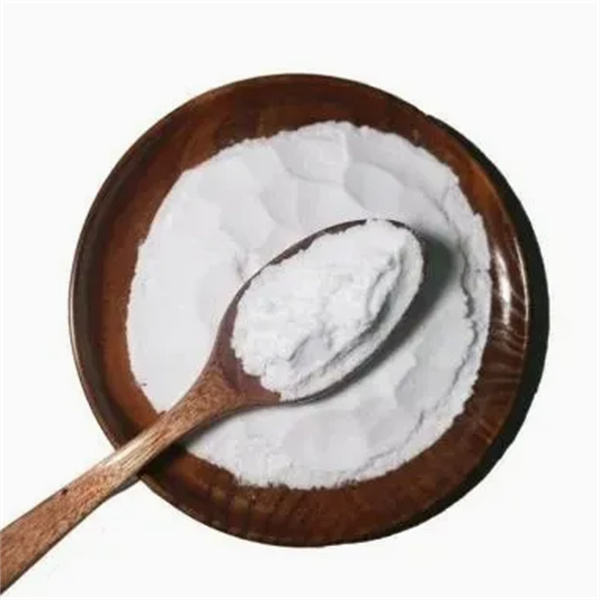
Mannitol (CAS 69-65-8) is a hexahydric sugar alcohol utilized as a premium low-calorie sweetener in the food industry and a critical excipient in pharmaceutical tablet manufacturing. Chemically identified as D-Mannitol or Mannite, this white crystalline powder functions to provide a unique cooling sensation in the mouth and acts as a non-hygroscopic bulking agent. As a stable isomer of sorbitol, it is extensively integrated into sugar-free chewing gums, mints, and chewable medication formulations to ensure stability and palatability. We ensure bulk supply capabilities for this material, providing access to competitive factory pricing and customized specifications to meet specific mesh sizes and pharmacopoeial standards (e.g., USP/EP/BP). Full technical documentation, including MSDS, TDS, COA, is available to support compliance and safety protocols.
Mannitol CAS 69-65-8
- CAS: 69-65-8
- Synonyms: D-Mannitol, Mannite, Osmitrol, 1,2,3,4,5,6-Hexanehexol, Cordycepic acid
- Einecs: 200-711-8
- Molecular Formula: C6H14O6
- Grade: Food Grade (E421) / Pharmaceutical Grade (USP/BP/EP)
- Package: 25kg Multi-layer Craft Paper Bag or Fiber Drum with PE liner
Product Description
Our Mannitol is manufactured in a GMP-certified facility, ensuring high purity and safety. It serves dual roles in various industries:
Key Features & Benefits:
- Non-Hygroscopic: unlike Sorbitol, Mannitol does not absorb moisture from the air, making it the ideal dusting powder for chewing gum to prevent sticking.
- Cooling Effect: It has a significant negative heat of solution, creating a strong cooling sensation, perfect for mints and chewable tablets.
- Health Benefits: It is non-cariogenic (does not cause tooth decay), low in calories (1.6 kcal/g), and has a low glycemic response, making it suitable for diabetic formulations.
- Chemical Stability: It does not undergo Maillard browning reactions and is stable against heat and acids.
Physicochemical Properties
The following parameters represent our standard specification which meets USP (United States Pharmacopeia) and Food Grade (FCC) standards.
| Test Item | Specification (Standard) |
|---|---|
| Appearance | White crystalline powder or granules |
| Assay (on dry basis) | 98.0% – 102.0% |
| Melting Point | 165.0°C – 170.0°C |
| Loss on Drying | ≤ 0.30% |
| Specific Rotation | +23.0° to +25.0° |
| Reducing Sugars | Passes Test (Conforms) |
| Acidity or Alkalinity | Passes Test |
| Chloride (Cl) | ≤ 0.007% |
| Sulfate (SO4) | ≤ 0.01% |
| Heavy Metals (as Pb) | ≤ 5 ppm |
| Nickel (Ni) | ≤ 1 ppm |
| Arsenic (As) | ≤ 1 ppm |
| Solubility | Soluble in water (approx 18% at 20°C); slightly soluble in ethanol |
Applications
- Food & Confectionery:
- Chewing Gum: Used as a dusting agent/anti-caking agent to prevent gum from sticking to wrappers or machinery.
- Mints & Lozenges: Used as the primary sweetener base for its cooling effect.
- Functional Foods: Used in diabetic candies and low-calorie bakery products.
- Pharmaceuticals:
- Tablet Excipient: An excellent diluent and binder for chewable and sublingual tablets due to its moisture stability and pleasant taste.
- Lyophilization: Used as a bulking agent (cryoprotectant) in freeze-dried injectable drugs.
- Personal Care:
- Used in toothpaste and mouthwash as a humectant and flavoring agent.
Storage Conditions
- Environment: Store in a cool, dry, and well-ventilated area.
- Temperature: Recommended storage temperature is 15°C – 30°C.
- Packaging: Keep containers tightly closed. Although non-hygroscopic, keeping it sealed ensures purity and prevents dust contamination.
- Shelf Life: 24 – 36 months in original unopened packaging.
Safety Precautions
- Ingestion: Mannitol is Generally Recognized As Safe (GRAS). However, excessive consumption (typically >20g per day) may cause a laxative effect (osmotic diarrhea).
- Inhalation: Dust may cause mild respiratory irritation. Use dust extraction or wear a mask if handling large volumes of powder.
- Skin/Eye Contact: Non-irritating. Rinse with water if contact occurs.
- Flammability: Combustible dust hazard (like all fine organic powders). Keep away from open flames and ignition sources.
FAQ - Technical & Supply Chain
-
Q:
In terms of chemical structure and industrial application, how is Mannitol CAS 69-65-8 designated?
A: Mannitol (CAS 69-65-8) is designated as a polyol (sugar alcohol) derived from the hydrogenation of fructose or extracted from natural sources, supplied as a non-cariogenic sweetener and diluent. -
Q:
Is this ingredient suitable for use in moisture-sensitive tablet formulations?
A: Yes, this material is typically applied as a primary excipient in chewable and sublingual tablets because it is non-hygroscopic, meaning it does not absorb moisture from the air, thereby protecting the stability of active pharmaceutical ingredients.
Documents and Product Support
For product review and sourcing evaluation, supporting documents can be coordinated according to the product type, inquiry stage, and order requirements.
- COA for batch-based quality reference
- TDS for key physical and chemical information
- SDS / MSDS for handling, storage, and safety reference
- Packing information for sample, trial, and bulk orders
- Technical communication based on application and specification requirements
Information to Confirm Before Quotation
Clear sourcing information helps reduce specification mismatch and allows a more accurate quotation before sample or bulk order discussion.
- Product name and CAS number
- Application or intended end use
- Required purity, grade, or specification
- Sample quantity, trial order, or bulk demand
- Preferred packing form or net weight
- Destination country or port
- Required documents or compliance expectations
Packaging, Storage, and Handling Notes
Packaging form, storage conditions, shelf life, and shipment arrangements should be confirmed according to the product characteristics, package size, and destination requirements.
Before order confirmation, buyers are advised to review the corresponding product documents and confirm whether any special storage, labeling, or handling requirements apply.
Sample, Bulk Order and Repeat Supply Support
Support can be arranged for sample discussion, bulk supply planning, packaging confirmation, and routine sourcing communication based on the actual product and order requirements.
For repeat-use formulations or long-term procurement plans, buyers may discuss specification consistency, packaging preferences, delivery expectations, and document coordination in advance.


