










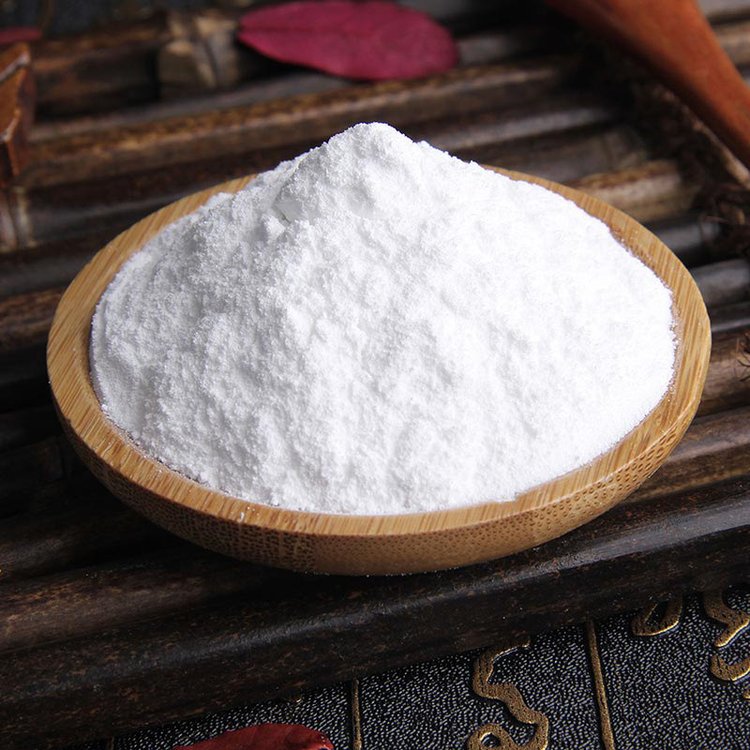
Sodium Bicarbonate (CAS 144-55-8) is a versatile alkaline salt utilized as a primary leavening agent in bakery food production and a pH buffering agent in animal feed. Chemically identified as Sodium hydrogen carbonate or Baking soda, this white crystalline powder functions to release carbon dioxide when heated or reacted with acids, creating the porous texture in cakes and breads. As a mild Carbonic acid monosodium salt, it is also extensively utilized in flue gas desulfurization and as a gentle abrasive in industrial cleaning. We ensure bulk supply capabilities for this material, providing access to competitive factory pricing and customized specifications to meet specific particle size distribution (e.g., Food Grade vs. Industrial Grade). Full technical documentation, including MSDS, TDS, COA, is available to support compliance and safety protocols.
Sodium Bicarbonate CAS 144-55-8
- CAS: 144-55-8
- Synonyms: Sodium hydrogen carbonate, Baking soda, Bicarbonate of soda, Sodium acid carbonate, Carbonic acid monosodium salt
- Einecs: 205-633-8
- Molecular Formula: CHNaO3
- Grade: Food Grade / Feed Grade / Industrial Grade
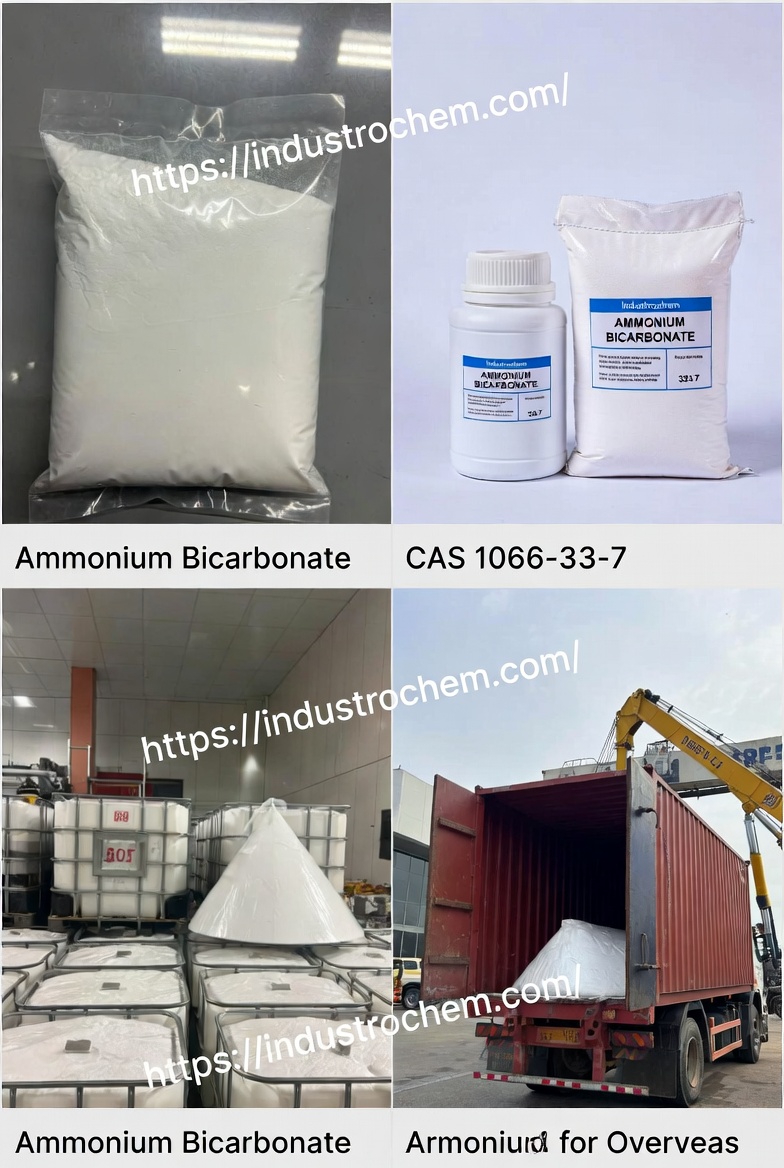
- Package: 25kg PP/PE Woven Bag or 1000kg Jumbo Bag
Product Description
Our Sodium Bicarbonate is manufactured to meet strict international standards. It is non-toxic, non-flammable, and chemically stable under ordinary conditions.
Key Features:
- High Purity: Minimum 99.0% content, meeting FCC (Food Chemicals Codex) and USP standards.
- Solubility: Dissolves easily in water to form a slightly alkaline solution (pH ~8.3).
- Reactivity: Reacts with acids to release carbon dioxide gas, which is the mechanism for its use in baking and fire suppression.
- Appearance: Free-flowing white powder with no clumps.
Physicochemical Properties
The following parameters are based on the standard specification for Food Grade Sodium Bicarbonate (widely applicable to other grades as well).
| Test Item | Specification (Standard) |
|---|---|
| Appearance | White crystalline powder |
| Total Alkali Content (as NaHCO3) | 99.0% – 100.5% |
| Loss on Drying | ≤ 0.20% |
| pH Value (10g/L solution) | ≤ 8.6 |
| Arsenic (As) | ≤ 1 mg/kg (ppm) |
| Heavy Metals (as Pb) | ≤ 5 mg/kg (ppm) |
| Ammonium Salts | Passing Test (No odor of ammonia) |
| Clarity | Passing Test (Clear solution) |
| Whiteness | ≥ 85 |
| Chloride (Cl) | ≤ 0.40% |
| Iron (Fe) | ≤ 0.001% |
| Particle Size | 60-100 Mesh (Standard Fine) / Coarse available |
Applications
- Food Industry: Used as a leavening agent for bread, cakes, and biscuits; acts as a carbon dioxide generator in sodas and cold drinks; used as a preservative for butter.
- Animal Feed: Added to feed as a buffer to neutralize acidity in the rumen, improve heat stress resistance, and enhance feed efficiency in poultry and dairy cattle.
- Industrial Applications:
- Desulfurization: Used in Flue Gas Desulfurization (FGD) to remove sulfur dioxide from exhaust gases.
- Detergents: A filler and buffering agent in washing powders.
- Leather Tanning: Used to neutralize tanning agents.
- Fire Extinguishers: A component of dry chemical fire extinguishers.
- Personal Care: Used in bath bombs, toothpaste, and mouthwash formulations.
Storage Conditions
- Environment: Store in a cool, dry, and well-ventilated warehouse.
- Moisture Protection: Sodium Bicarbonate is sensitive to moisture and can cake (clump) if exposed to humid air. Keep bags tightly closed.
- Incompatibility: Store away from acids. Do not store near toxic substances if intended for food use.
- Shelf Life: 24 months in original packaging.
Safety Precautions
- Handling: Generally considered safe (GRAS). However, industrial handling may generate dust. Use with adequate ventilation.
- Reaction: Reacts violently with acids to produce carbon dioxide gas.
- Contact:
- Eyes: Dust may cause mild mechanical irritation. Rinse with water.
- Skin: Prolonged contact may cause dryness or irritation. Wash with soap and water.
- Ingestion: Safe in food amounts, but large industrial quantities should not be ingested.
FAQ - Technical & Supply Chain
-
Q:
How is Sodium Bicarbonate CAS 144-55-8 chemically distinguished for industrial and food applications?
A: Sodium Bicarbonate (CAS 144-55-8) is chemically characterized as an acid salt of carbonic acid, known as Sodium hydrogen carbonate, and is supplied in varying grades of purity (Food, Feed, or Technical) depending on the permissible limit of impurities. -
Q:
Is this product effective as a leavening agent in food processing?
A: Yes, this material is typically applied in baking and confectionery manufacturing, where it reacts with acidic components or thermal energy to release gas bubbles, ensuring the proper rise and texture of the final product.
Documents and Product Support
For product review and sourcing evaluation, supporting documents can be coordinated according to the product type, inquiry stage, and order requirements.
- COA for batch-based quality reference
- TDS for key physical and chemical information
- SDS / MSDS for handling, storage, and safety reference
- Packing information for sample, trial, and bulk orders
- Technical communication based on application and specification requirements
Information to Confirm Before Quotation
Clear sourcing information helps reduce specification mismatch and allows a more accurate quotation before sample or bulk order discussion.
- Product name and CAS number
- Application or intended end use
- Required purity, grade, or specification
- Sample quantity, trial order, or bulk demand
- Preferred packing form or net weight
- Destination country or port
- Required documents or compliance expectations
Packaging, Storage, and Handling Notes
Packaging form, storage conditions, shelf life, and shipment arrangements should be confirmed according to the product characteristics, package size, and destination requirements.
Before order confirmation, buyers are advised to review the corresponding product documents and confirm whether any special storage, labeling, or handling requirements apply.
Sample, Bulk Order and Repeat Supply Support
Support can be arranged for sample discussion, bulk supply planning, packaging confirmation, and routine sourcing communication based on the actual product and order requirements.
For repeat-use formulations or long-term procurement plans, buyers may discuss specification consistency, packaging preferences, delivery expectations, and document coordination in advance.


