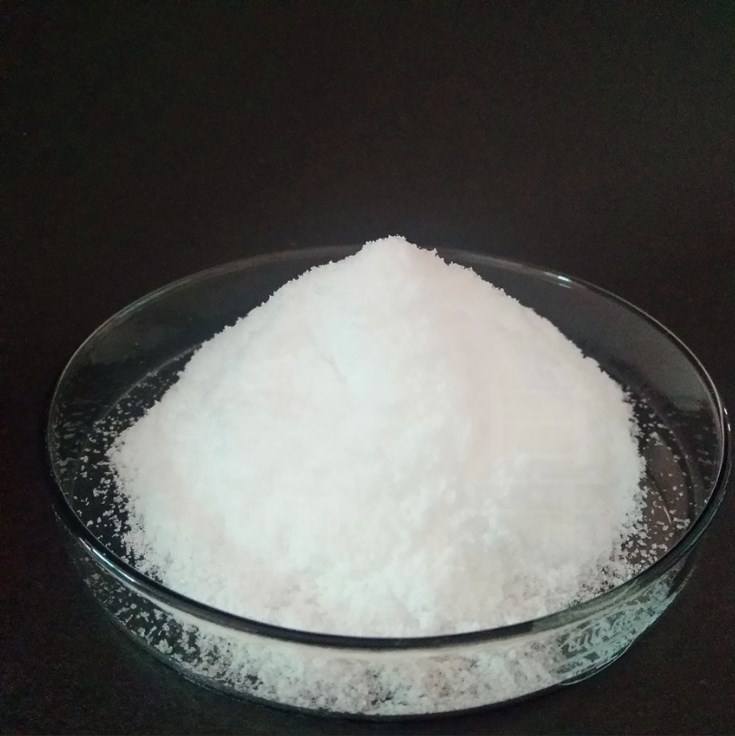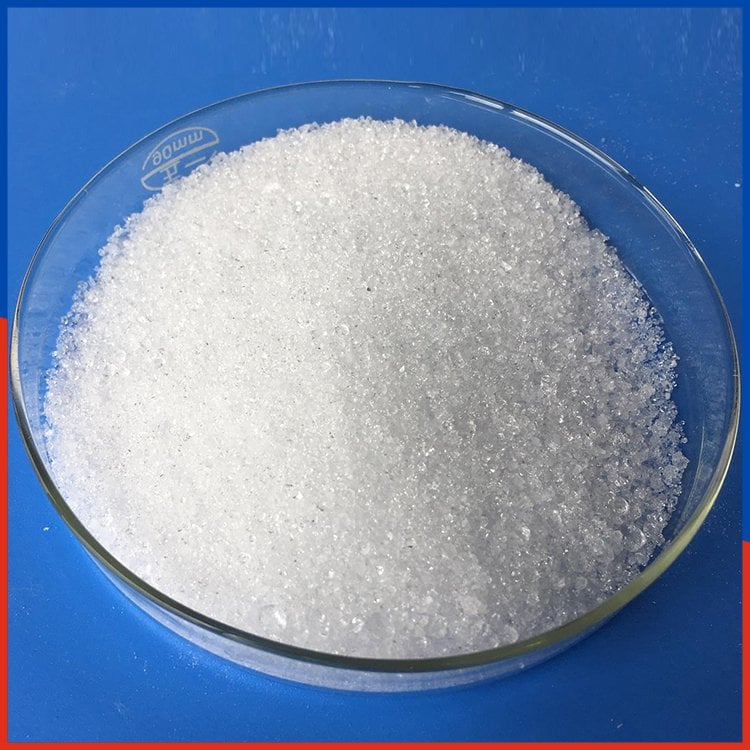










Ammonium Bicarbonate, identified by CAS 1066-33-7, is an inorganic crystalline compound characterized by its rapid thermal decomposition into gaseous components. As a versatile ammonium bicarbonate, this technical-grade acid ammonium carbonate functions as a primary blowing agent and leavening constituent in various industrial foaming agent formulation processes. This crystalline ammonium hydrogen carbonate is valued in the plastics and rubber industries for its ability to create uniform cellular structures during the expansion phase without leaving solid residues. Our facility provides competitive factory pricing and customized specifications regarding particle size and anti-caking treatments to ensure optimal stability during storage and transport. For procurement and technical validation, we offer comprehensive MSDS, TDS, COA documentation and maintain consistent bulk supply for large-scale industrial manufacturing.
Ammonium Bicarbonate CAS 1066-33-7
- CAS: 1066-33-7
- Synonyms: Ammonium hydrogen carbonate, Acid ammonium carbonate, Carbonic acid monoammonium salt, Ammonium acid carbonate
- Einecs: 213-911-5
- Molecular Formula: NH4HCO3
- Grade: Food Grade (E503ii) / Technical Grade
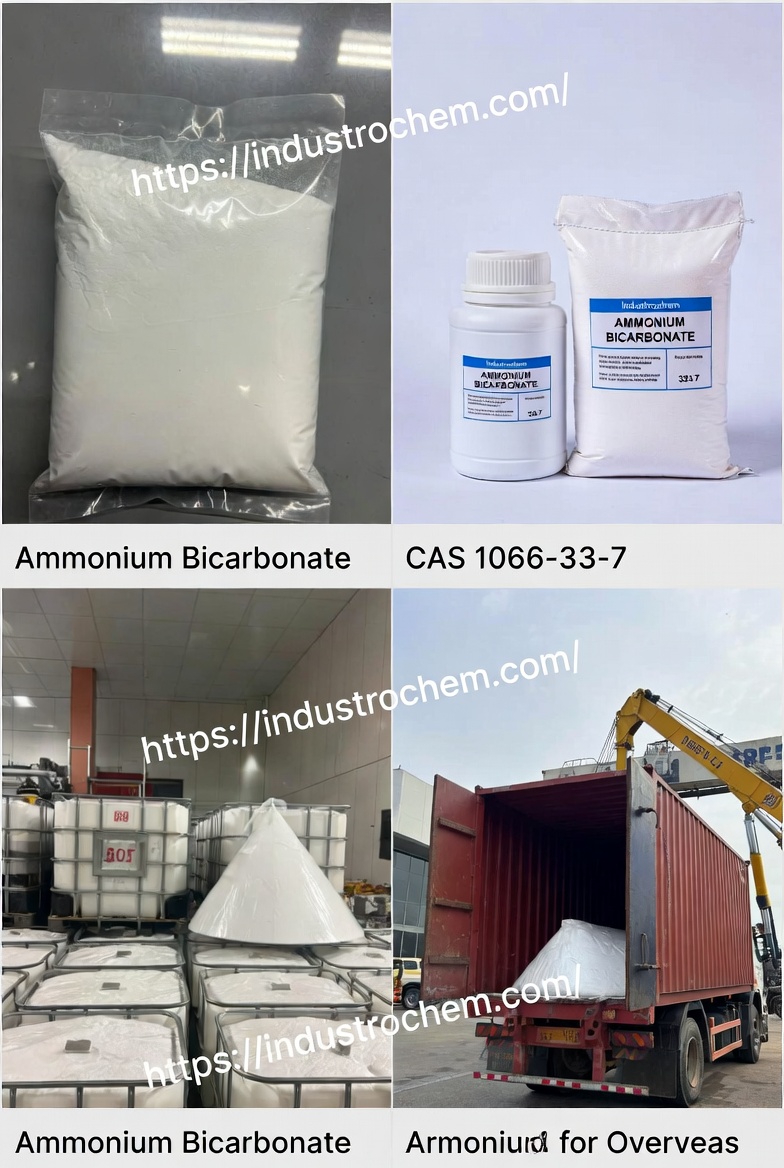
- Package: 25kg Plastic woven bag (PP) with double PE liner to prevent volatilization.
Product Description
Ammonium Bicarbonate is an inorganic compound that acts as a chemical leavening agent. Unlike Baking Soda (Sodium Bicarbonate), it does not require an acidic ingredient to activate. It reacts solely to heat.
Mechanism: When the dough temperature reaches above 35°C (and rapidly at 60°C), it breaks down into Ammonia gas (NH3), Carbon Dioxide (CO2), and Water vapor.
Why choose our AmBic?
- No Residual Taste: Since it decomposes completely into gases, it does not leave a soapy or salty aftertaste (like sodium carbonate) provided the product is baked dry.
- Texture Control: It creates a very specific, porous, and crisp texture that is ideal for thin crackers and cookies.
- Low Heavy Metals: Produced via the carbonization of ammonia water, our process ensures extremely low heavy metal content, complying with EU and FDA regulations.
Physicochemical Properties
The following data is typical of our Food Grade export batch.
| Parameter | Specification (Standard GB 1888 / FCC) |
|---|---|
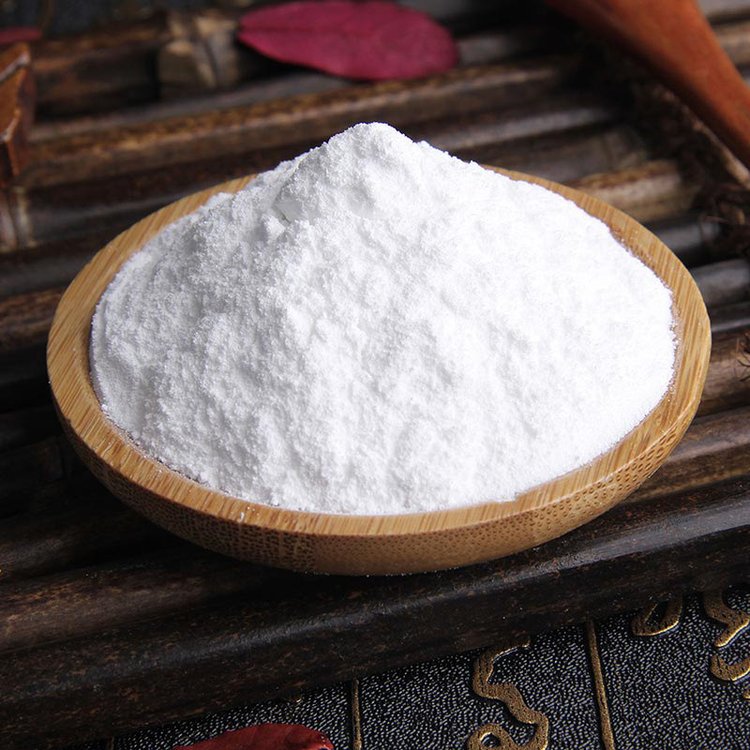
| Appearance | White crystalline powder |
| Assay (NH4HCO3) | 99.2% – 100.5% |
| Chloride (Cl) | ≤ 30 ppm |
| Sulfate (SO4) | ≤ 70 ppm |
| Non-volatile Matter | ≤ 0.05% |
| Iron (Fe) | ≤ 20 ppm |
| Arsenic (As) | ≤ 2 ppm |
| Lead (Pb) | ≤ 2 ppm |
| Heavy Metals (as Pb) | ≤ 5 ppm |
| Solubility | Soluble in water (approx. 17g/100ml at 20°C) |
Applications
- Bakery (Specific Use):
- Ideal for: Crackers, thin cookies, puff pastry, and cream puffs.
- Note: It is not recommended for moist, thick cakes (like sponge cake or muffins) because the ammonia gas cannot escape efficiently, which may leave an unpleasant smell in the crumb.
- Foaming Agent:
- Used in the rubber and plastic industry to create porous structures (e.g., shoe soles) due to its gas-releasing property.
- Ceramics:
- Used as an additive in ceramic production to increase porosity.
- Flame Retardant:
- Used in some fire-extinguishing compositions.
Storage Conditions (Critical)
- Volatile Nature: Ammonium Bicarbonate is unstable. It slowly decomposes at room temperature and decomposes rapidly at temperatures above 35°C.
- Temperature: Must be stored in a cool place (below 20°C is best). If stored in a hot warehouse during summer, the product will degrade, the bags may bloat (puff up) due to gas release, and actual product weight will decrease.
- Sealing: Keep the inner PE bag strictly sealed. Exposure to air causes it to evaporate.
- Ventilation: The storage area should be well-ventilated to prevent the accumulation of ammonia fumes.
Safety Precautions
- Odor: The product releases ammonia gas, which has a pungent, suffocating odor.
- Inhalation: Inhaling the dust or vapors can irritate the nose and throat. Workers should wear a mask and work in ventilated areas.
- Skin/Eye Contact: Can cause mild irritation. Rinse thoroughly with water if contact occurs.
- Transport: It is generally not classified as Dangerous Goods (Non-DG) for transport, but carriers should be aware of the potential ammonia smell if the packaging is damaged.
FAQ - Technical & Supply Chain
-
Q:
How does the thermal decomposition profile of CAS 1066-33-7 influence its use in industrial manufacturing?
A: Ammonium Bicarbonate (CAS 1066-33-7) begins to decompose significantly above 36°C, releasing gases that act as expansion agents; this property is typically applied in the production of porous ceramics and expanded rubber where a residue-free blowing process is required. -
Q:
Is this material intended for use as a nitrogen source in industrial fermentation or agricultural processes?
A: Yes, this bulk material is commonly used as a fast-acting nitrogen fertilizer and as a nutrient in microbial fermentation, where its high solubility and ease of conversion make it an efficient source of ammoniacal nitrogen.
Documents and Product Support
For product review and sourcing evaluation, supporting documents can be coordinated according to the product type, inquiry stage, and order requirements.
- COA for batch-based quality reference
- TDS for key physical and chemical information
- SDS / MSDS for handling, storage, and safety reference
- Packing information for sample, trial, and bulk orders
- Technical communication based on application and specification requirements
Information to Confirm Before Quotation
Clear sourcing information helps reduce specification mismatch and allows a more accurate quotation before sample or bulk order discussion.
- Product name and CAS number
- Application or intended end use
- Required purity, grade, or specification
- Sample quantity, trial order, or bulk demand
- Preferred packing form or net weight
- Destination country or port
- Required documents or compliance expectations
Packaging, Storage, and Handling Notes
Packaging form, storage conditions, shelf life, and shipment arrangements should be confirmed according to the product characteristics, package size, and destination requirements.
Before order confirmation, buyers are advised to review the corresponding product documents and confirm whether any special storage, labeling, or handling requirements apply.
Sample, Bulk Order and Repeat Supply Support
Support can be arranged for sample discussion, bulk supply planning, packaging confirmation, and routine sourcing communication based on the actual product and order requirements.
For repeat-use formulations or long-term procurement plans, buyers may discuss specification consistency, packaging preferences, delivery expectations, and document coordination in advance.