Methacrylic Acid (MAA), CAS 79-41-4, is an unsaturated carboxylic-acid monomer used in polymer and methacrylate-ester synthesis. Confirm the required purity, inhibitor package and handling requirements for the intended process.
Methacrylic Acid CAS 79-41-4
- CAS: 79-41-4
- Synonyms: 2-Methylpropenoic acid, MAA, 2-Methylacrylic acid, Alpha-methylacrylic acid
- Einecs: 201-204-4
- Molecular Formula: C₄H₆O₂
- Grade: Industrial grade 99%
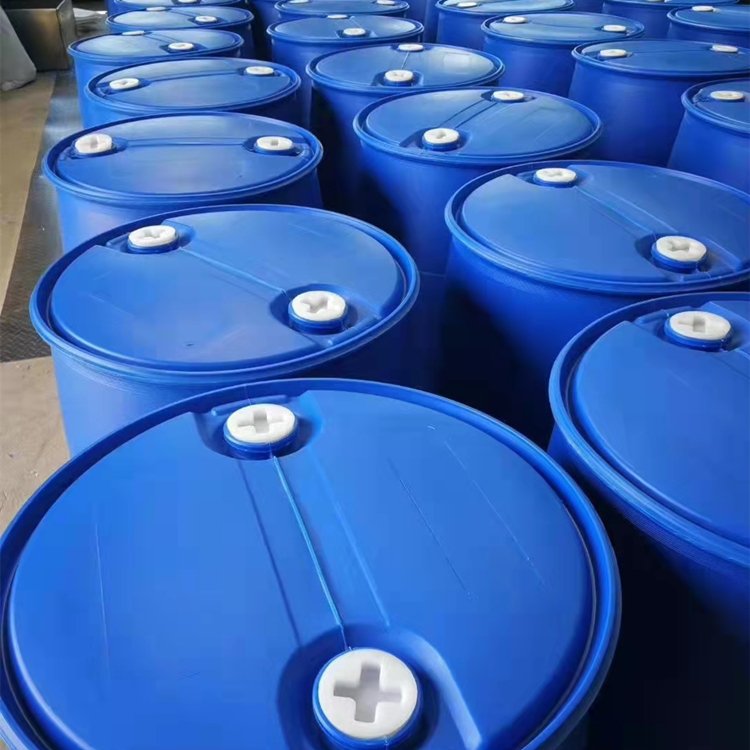
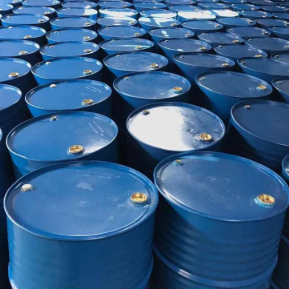
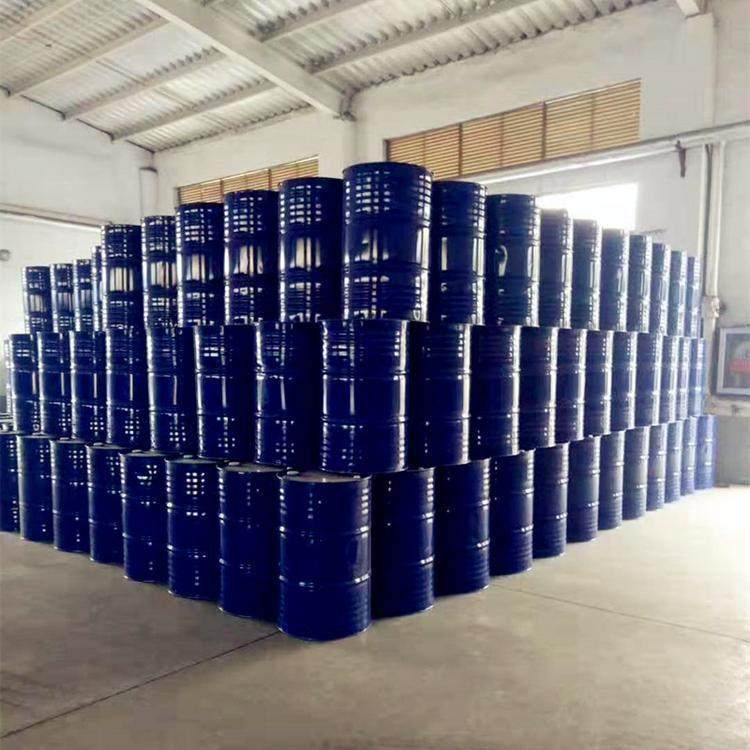
- Package: 200kg iron drum or 50kg plastic drum packing
Product Description
Methacrylic Acid (MAA), CAS 79-41-4, is an unsaturated carboxylic acid also named 2-methylpropenoic acid; the EC/EINECS number is 201-204-4.
Synonyms: 2-Methylpropenoic acid; MAA; 2-Methylacrylic acid; Alpha-methylacrylic acid.
CAS: 79-41-4.
Molecular formula: C₄H₆O₂.
Molecular weight: 86.09.
EC number: 201-204-4.
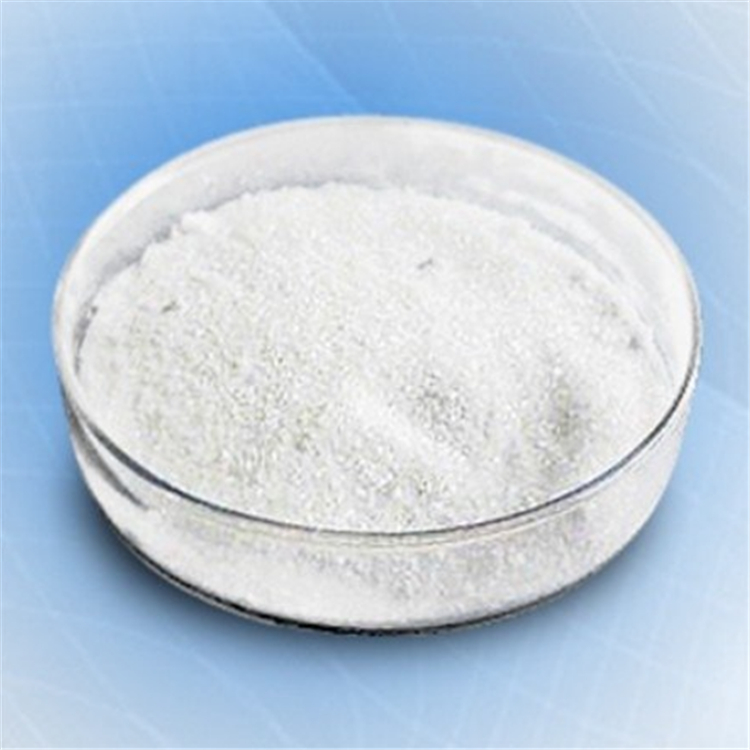
It is a clear, colorless liquid or low-melting solid that is miscible with water.
Typical properties include melting point about 16 °C, boiling point about 163 °C, flash point about 77 °C (open cup), and relative density about 1.015. The product may solidify near 15 °C, so cold-weather shipments may need insulated or heated transport.
It is widely used as a polymer monomer to make methacrylate esters, polymers and copolymers for coatings, adhesives, ion-exchange resins, plastics and specialty chemicals.
It is also used as an intermediate for methacrylic esters such as methyl methacrylate, and as a comonomer to improve the thermal stability and adhesion of resins and surface coatings.
Confirm assay, water content, color, inhibitor type and level, and related organic acids; the supplier should state the actual purity and inhibitor package because MAA is used for controlled polymerization and copolymerization.
Store in tightly closed, corrosion-resistant containers in a cool, ventilated area away from heat, sparks, open flames, strong oxidizers and polymerization initiators. MAA is corrosive and may solidify near 15 °C, so use appropriate PPE and temperature control.
Confirm the current product-specific specification.
Confirm packaging with the requested quantity and destination requirements.
Document requirements should be confirmed from the current specification, SDS, COA, or other product-specific files.
Regulated-use suitability must be confirmed separately with current product-specific documentation.
The page is an RFQ entry point and does not state stock, price, MOQ, or fixed lead time.
For an RFQ, state the intended use, required specification, quantity, packaging, destination, and document needs.
FAQ - Technical & Supply Chain
-
Q:
What is Methacrylic Acid and how is it identified?
A: Methacrylic acid, also called MAA or 2-methylpropenoic acid, has CAS 79-41-4, molecular formula C₄H₆O₂ and molecular weight 86.09. It is an unsaturated carboxylic acid used as a polymer intermediate. -
Q:
Which specifications should be confirmed when purchasing Methacrylic Acid?
A: Confirm assay, water content, color, inhibitor type and level, and related organic acids. The supplier should state the actual purity and inhibitor package because MAA is used for controlled polymerization and copolymerization. -
Q:
What is Methacrylic Acid used for?
A: It is used to produce methacrylate esters, polymers and copolymers for coatings, adhesives, ion-exchange resins, plastics and specialty chemicals. The carboxylic acid and vinyl groups support both polymerization and esterification. -
Q:
How should Methacrylic Acid be stored and handled?
A: Store in tightly closed, corrosion-resistant containers in a cool, ventilated area away from heat, sparks, open flames, strong oxidizers and polymerization initiators. MAA is corrosive and may solidify near 15 deg C, so use appropriate PPE, temperature control and the current safety information for spill response. -
Q:
What physical form and winter handling should be expected for Methacrylic Acid?
A: MAA is a colorless liquid or low-melting solid and can solidify near 15 deg C, so cold-weather shipments may need insulated or heated transport. Confirm the appearance, melting/freezing behavior, density about 1.015 g/mL and boiling point near 163 deg C for the offered grade.
Ordering & Documentation
Key information for document requests, quotations, and supply planning.
Documents
COA, TDS, SDS/MSDS and packing details are available on request.
Quotation
Send the CAS number, grade, quantity, packing preference and destination.
Sample & Supply
Support is available for samples, trial orders, bulk and repeat supply.
Storage & Shipping
Product-specific conditions are confirmed before order.