


Styrene Monomer (SM), CAS 100-42-5, is a reactive aromatic monomer for polystyrene, copolymer resins and unsaturated polyester systems. Styrene assay, inhibitor specification and water content are key selection criteria for the intended polymer process. Quotations can be matched to these requirements and the delivery destination.
Styrene Monomer (SM) CAS 100-42-5
- CAS: 100-42-5
- Synonyms: Styrene; Styrene monomer; Vinylbenzene; Ethenylbenzene; Phenylethene
- Einecs: 202-851-5
- Molecular Formula: C₈H₈
- Grade: Stabilized industrial monomer; styrene assay and inhibitor specification agreed for the polymer process
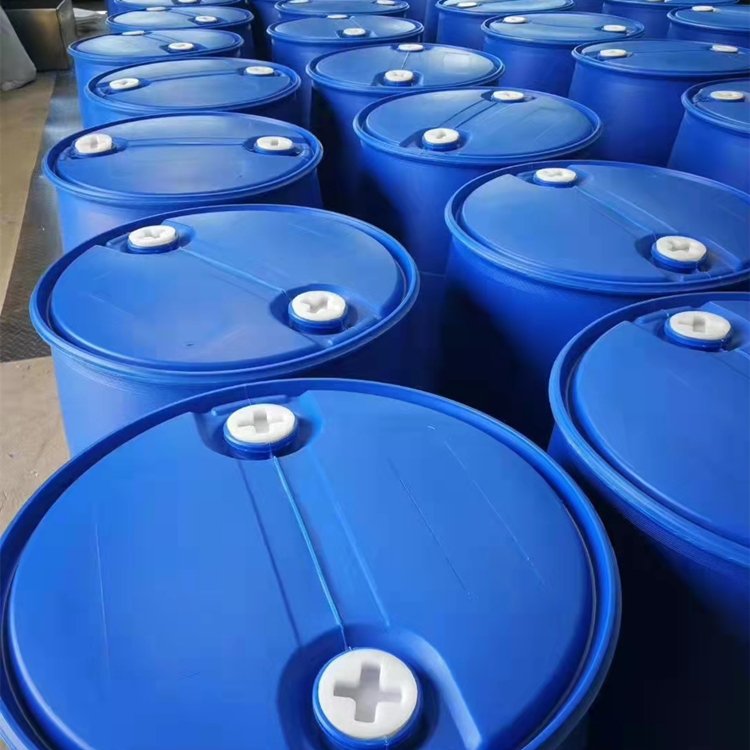
- Package: Packaging and delivery format quoted for the order quantity, destination and stabilized-monomer transport requirements
Product Description
Styrene monomer is a clear aromatic liquid with molecular formula C₈H₈, molar mass 104.15 g/mol and EC number 202-851-5. Commercial material is commonly stabilized with a polymerization inhibitor such as TBC (tert-butylcatechol). Appearance and color are assessed against the quoted specification.
Industrial uses include polystyrene and expandable polystyrene, ABS/SAN copolymers, styrene-butadiene rubber and latex, and unsaturated polyester resins. The required monomer quality and inhibitor system depend on the polymer process.
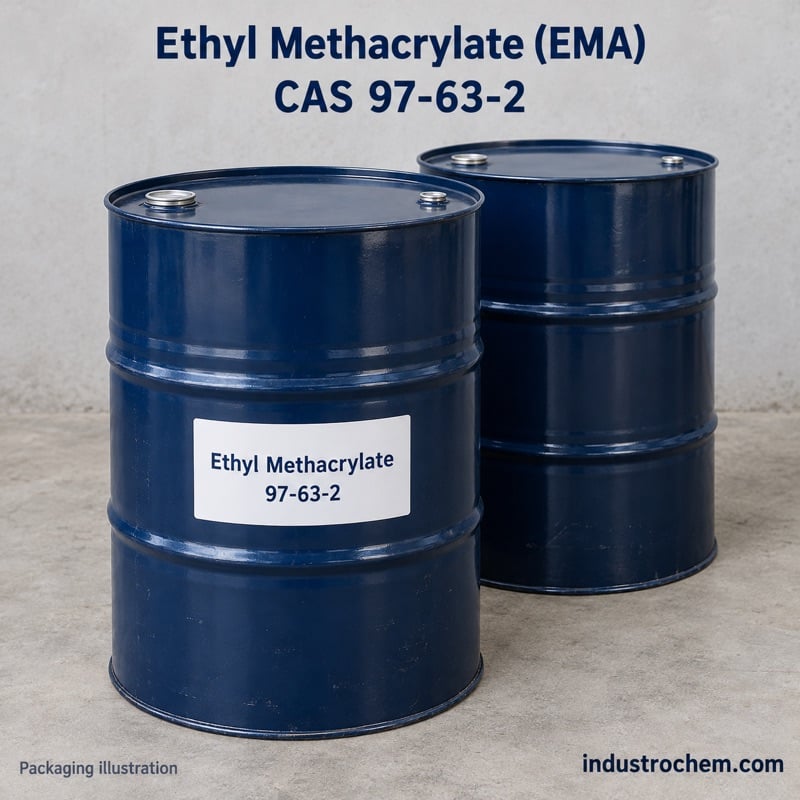
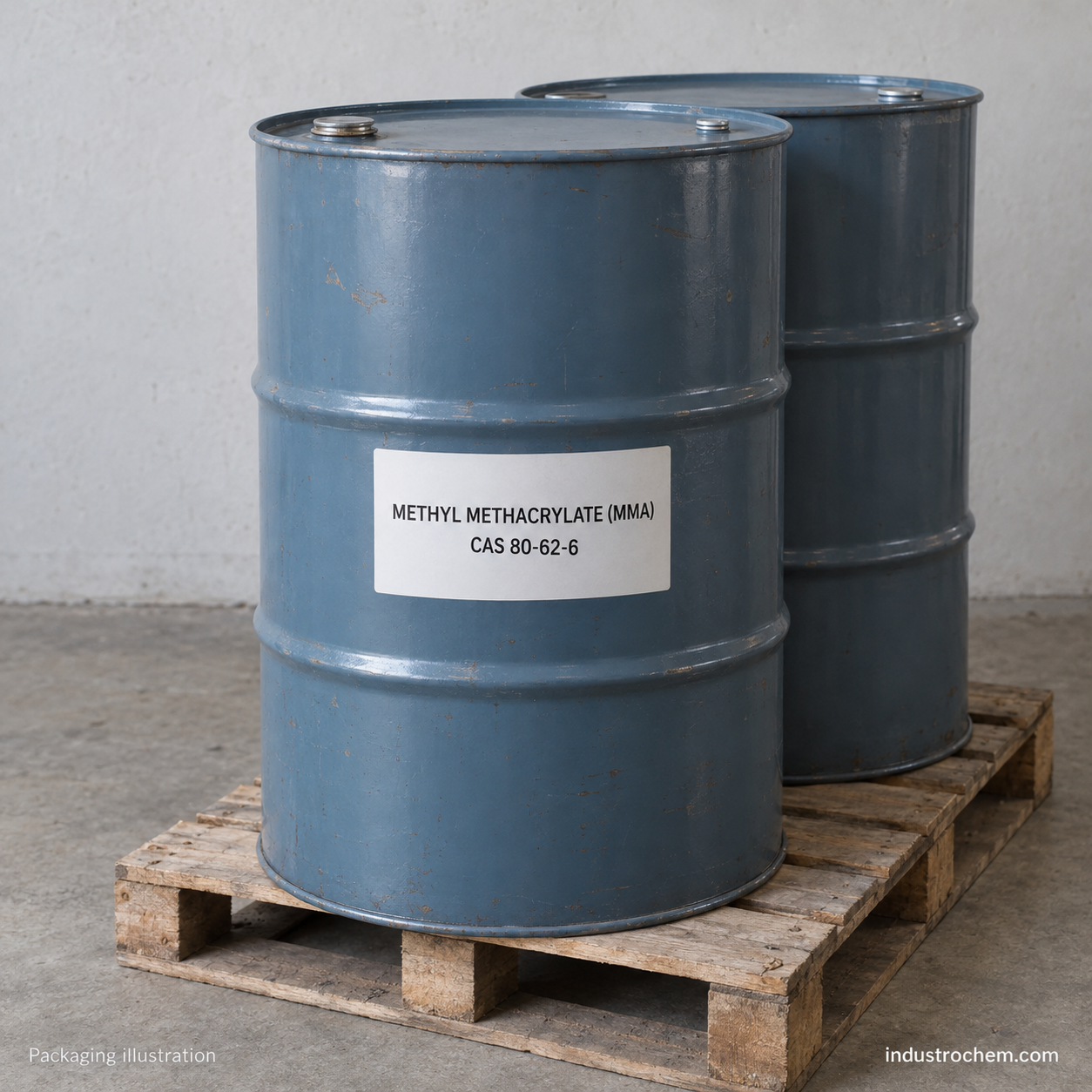
For selected styrene–acrylic copolymer resins, methyl methacrylate (MMA) and ethyl methacrylate (EMA) are possible comonomers. Their selection and proportion are formulation-specific; neither is a direct replacement for styrene.
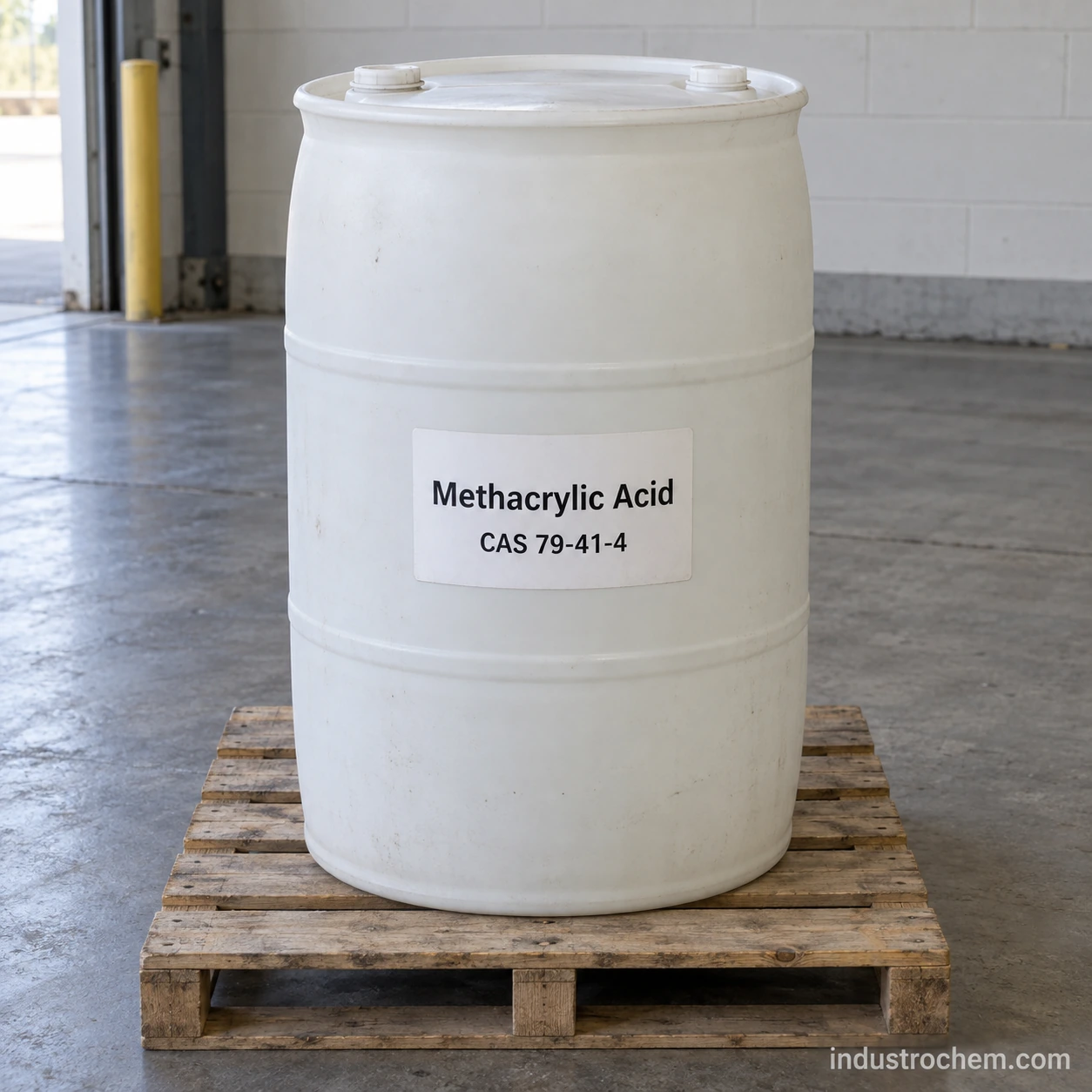
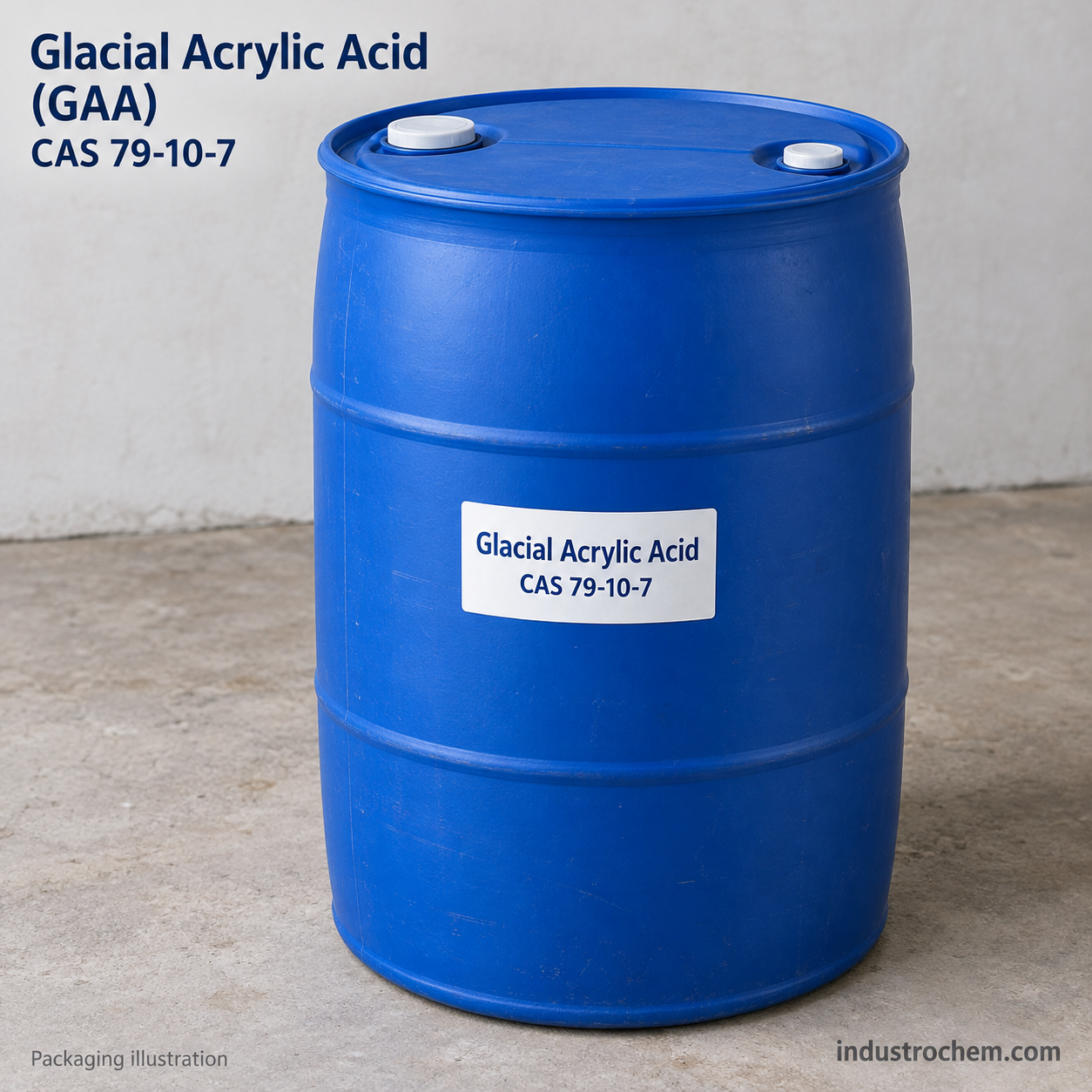
Carboxyl functionality can be introduced into selected styrene copolymers using glacial acrylic acid (GAA) or methacrylic acid (MAA). Itaconic acid is another option in certain styrene–acrylate latex formulations. These monomers have different reactivity and are not interchangeable without formulation assessment.
Quality selection considers styrene assay and relevant aromatic impurities, inhibitor content, polymer content, water and color. Aldehydes, peroxides and other process-sensitive impurities can be included in the agreed specification where relevant. A single purity figure does not describe all of these properties.
We can provide a Certificate of Analysis (COA), Technical Data Sheet (TDS), Safety Data Sheet (SDS), and relevant GC chromatograms or impurity-analysis reports and inhibitor quality data for the quoted grade. These documents support specification and process review; the applicable test methods and reporting basis should be stated with the results.
For a quotation, send the quantity and destination, together with the intended polymer process or required specification. Inhibitor requirements, water limits and packaging preferences help us match a suitable supply proposal.
FAQ - Technical & Supply Chain
-
Q:
Are Styrene and Vinylbenzene names for the same monomer?
A: Yes. Styrene and vinylbenzene identify CAS 100-42-5. Other valid names include ethenylbenzene, phenylethene and phenylethylene. Styrene is not ethylbenzene or alpha-methylstyrene, which have different CAS numbers and process behavior. SM is an abbreviation for styrene monomer, not a separate grade. -
Q:
How should styrene purity and inhibitor results be assessed?
A: Gas chromatography (GC) is appropriate for styrene and relevant volatile aromatic impurities. With ASTM D5135, styrene purity is calculated by difference from the measured impurities; an unspecified GC area percentage should not be treated as the same reporting basis. TBC inhibitor content, polymer content and water are separate quality items. TBC is intentionally added for stabilization, so removing all inhibitor is not a general high-purity requirement. -
Q:
Why does the inhibitor system matter for bulk styrene delivery?
A: TBC effectiveness depends on dissolved oxygen. Storage and transport gas-space conditions must therefore match the inhibitor system and an approved engineering design; a fully oxygen-free nitrogen blanket should not be assumed suitable. This does not mean that every use of nitrogen is prohibited. The current SDS and the agreed supply and receiving-site procedures apply to handling.
Ordering & Documentation
Key information for document requests, quotations, and supply planning.
Documents
Tell us which documents your procurement team needs. Before an order, we will check whether the quoted source can provide them for the offered lot.
Quotation
Send the CAS number, grade, quantity, packing preference and destination.
Sample & Supply
Ask whether samples, trial quantities or repeat orders are possible. We will check each request against the sourced product and current offer.
Storage & Shipping
Product-specific conditions are confirmed before order.