









Diethyl Sulfate is a potent alkylating agent and dialkyl ester of sulfuric acid extensively utilized as an ethylating reagent in organic chemical synthesis. Commonly identified in the industry as Sulfuric acid diethyl ester or Diethyl sulphate, this reactive liquid serves as a critical intermediate for the production of dyes, pigments, pharmaceuticals, and textile auxiliaries by introducing ethyl groups into amine and phenol structures. We offer this highly reactive raw material with competitive factory pricing to support specialized industrial manufacturing. Our supply chain capabilities ensure secure bulk supply availability and customized specifications, accompanied by comprehensive MSDS, TDS, COA documentation for strict safety management and regulatory compliance.
Diethyl Sulfate CAS 64-67-5
- CAS: 64-67-5
- Synonyms: Sulfuric acid diethyl ester, Diethyl sulphate, Ethyl sulfate
- Einecs: 200-589-6
- Molecular Formula: C4H10O4S
- Grade: Industrial grade 99%
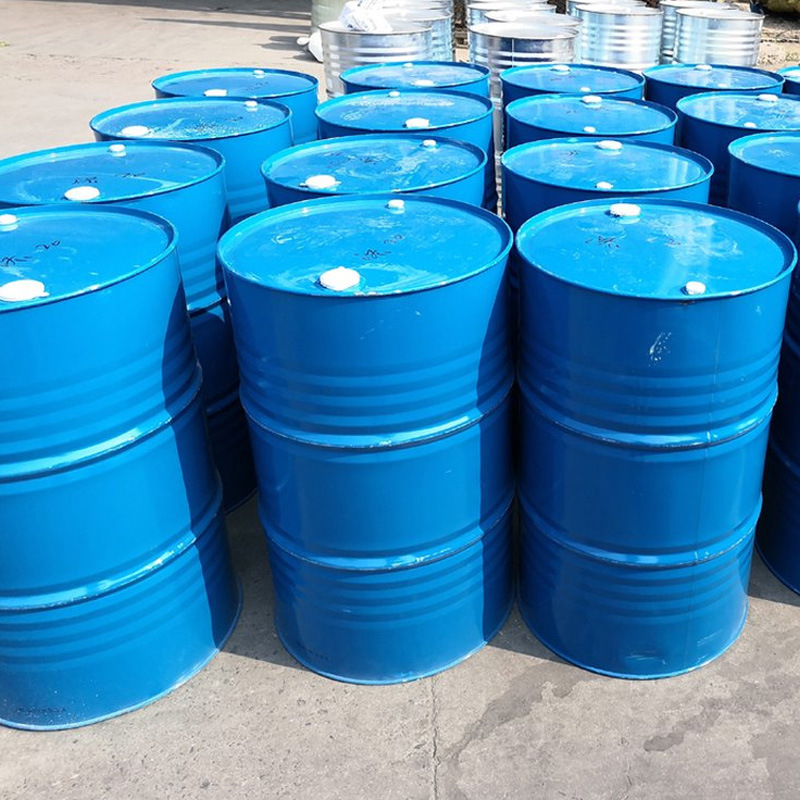
- Package: 200kg iron drum or 50kg plastic drum packing
Product Description
diethyl sulfate
CAS accession number 64-67-5
Chemical formula: C4H10O4S
melting point: -25.0°C
Free Acid (as H2SO4): ≤ 0.05%
relative density: 1.17 (liquid); 5.31 (Gas)
Properties: Colorless oily liquid, slightly ether smell.
Melting point (°C): -24.0
Boiling point (decomposition, °C): 208
Relative density (water=1): 1.18
Relative vapor density (air=1): 5.31
Saturated vapor pressure ( kPa): 0.13 (47.0°C) Critical
pressure (MPa): 6.48
octanol/Water partition coefficient: 1.14
Flash point (°C): 78.33;104
Stability: stable
use
It is mainly used as an ethylating agent in organic synthesis, widely used in the production of dyes, medicines, pesticides and other fine chemical products, and is also used as a dehydrating agent, volatile oil extractant, etc.
Storage method:
Store in a cool, dry and well-ventilated warehouse. Stay away from fire and heat sources. Keep the container tightly sealed. It should be stored separately from oxidants, alkalis, and edible chemicals, and should not be mixed. Equipped with corresponding varieties and quantities of fire-fighting equipment. The storage area should be equipped with leak emergency treatment equipment and appropriate containment materials.
Leakage emergency treatment
Evacuate personnel from the leaking pollution area to a safe area, prohibit irrelevant personnel from entering the polluted area, and cut off the fire source. Emergency responders are advised to wear self-contained respirators and chemical protective clothing. Do not come into direct contact with the leak and plug it when it is safe to do so. Spray-like water to reduce evaporation. Mix and absorb with sand or other non-combustible adsorbents, collect and transport to waste treatment sites for disposal. It can also be brushed with an emulsion made of non-combustible dispersant, and the diluted wash is put into the wastewater system. If a large amount of leakage is leaked, it is contained by the embankment, and then collected, transferred, recycled or disposed of harmlessly before disposal.
Handling & Storage: Store in a cool, dry place. Use Sodium Hydroxide (NaOH) or Ammonia for neutralization in case of spill.
FAQ - Technical & Supply Chain
-
Q:
Does Diethyl Sulfate correspond to the specific ethylating agent distinct from Dimethyl Sulfate (DMS)?
A: Diethyl Sulfate is verified under CAS 64-67-5 as the diethyl ester of sulfuric acid, distinguishing it from the methylating agent Dimethyl Sulfate (DMS) to ensure the precise introduction of ethyl groups (-C2H5) onto phenols, amines, and thiols during organic synthesis. -
Q:
What is the primary synthetic capability of Diethyl Sulfate compared to other alkylating agents?
A: Diethyl Sulfate is typically applied as a vigorous ethylating agent in the manufacture of dyes, pharmaceuticals, and textile auxiliaries, often preferred for converting active hydrogen compounds into their ethyl derivatives (such as ethyl ethers and ethyl amines) under controlled temperature conditions.
Documents and Product Support
For product review and sourcing evaluation, supporting documents can be coordinated according to the product type, inquiry stage, and order requirements.
- COA for batch-based quality reference
- TDS for key physical and chemical information
- SDS / MSDS for handling, storage, and safety reference
- Packing information for sample, trial, and bulk orders
- Technical communication based on application and specification requirements
Information to Confirm Before Quotation
Clear sourcing information helps reduce specification mismatch and allows a more accurate quotation before sample or bulk order discussion.
- Product name and CAS number
- Application or intended end use
- Required purity, grade, or specification
- Sample quantity, trial order, or bulk demand
- Preferred packing form or net weight
- Destination country or port
- Required documents or compliance expectations
Packaging, Storage, and Handling Notes
Packaging form, storage conditions, shelf life, and shipment arrangements should be confirmed according to the product characteristics, package size, and destination requirements.
Before order confirmation, buyers are advised to review the corresponding product documents and confirm whether any special storage, labeling, or handling requirements apply.
Sample, Bulk Order and Repeat Supply Support
Support can be arranged for sample discussion, bulk supply planning, packaging confirmation, and routine sourcing communication based on the actual product and order requirements.
For repeat-use formulations or long-term procurement plans, buyers may discuss specification consistency, packaging preferences, delivery expectations, and document coordination in advance.