Para-Xylene (p-Xylene, PX), CAS 106-42-3, is an aromatic feedstock for PTA and DMT in the polyester/PET chain. Industrial grades are quoted with agreed assay, isomer and impurity limits.
Para-Xylene CAS 106-42-3
- CAS: 106-42-3
- Synonyms: p-Xylene; Paraxylene; 1,4-Dimethylbenzene; p-Xylol; p-Methyltoluene; 1,4-Xylene; Para-xylol; PX
- Einecs: 203-396-5
- Molecular Formula: C₈H₁₀
- Grade: High-purity industrial para-xylene; ≥99.7 wt% for the quoted grade, with agreed GC method and impurity limits
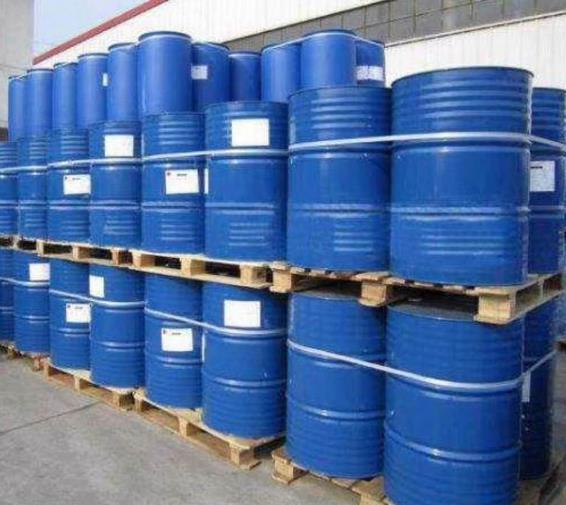
- Package: Steel drums or suitable bulk tank/tanker options; pack size and net quantity in quotation
Product Description
Para-xylene grades and purchasing specifications
Para-xylene is 1,4-dimethylbenzene, with molecular formula C₈H₁₀ and EC number 203-396-5. The names p-xylene, paraxylene and PX identify this para-isomer; unqualified “xylene” can describe a mixed-isomer product.
A high-purity industrial grade with para-xylene assay ≥99.7 wt% can be quoted for polyester-feedstock procurement. The order specification defines the applicable GC method and limits for meta-xylene, ortho-xylene, ethylbenzene and non-aromatic hydrocarbons. Benzene and toluene limits can be included where required.
The GC report states the analytical method and reporting basis; chromatographic peak-area percentage does not automatically establish mass percentage. Water by Karl Fischer, reported in mg/kg, Pt-Co/APHA color and total sulfur are specified separately, with limits and methods agreed for the quoted grade.
PTA, DMT and related process chemicals
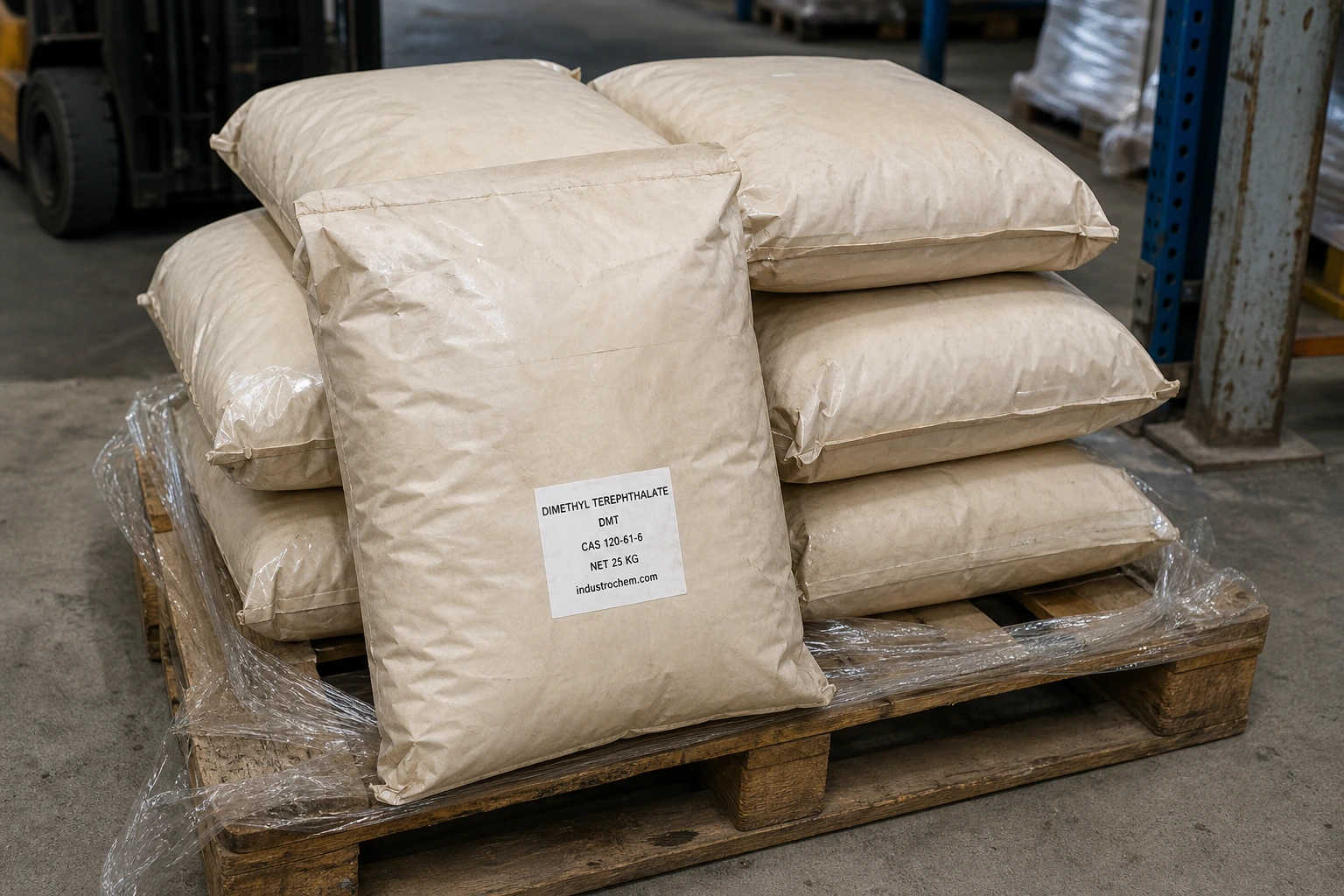
Para-xylene is an upstream feedstock for purified terephthalic acid (PTA) and dimethyl terephthalate (DMT). These distinct terephthalate intermediates enter polyester-manufacturing routes for PET and polyester fibers, films and packaging resins.
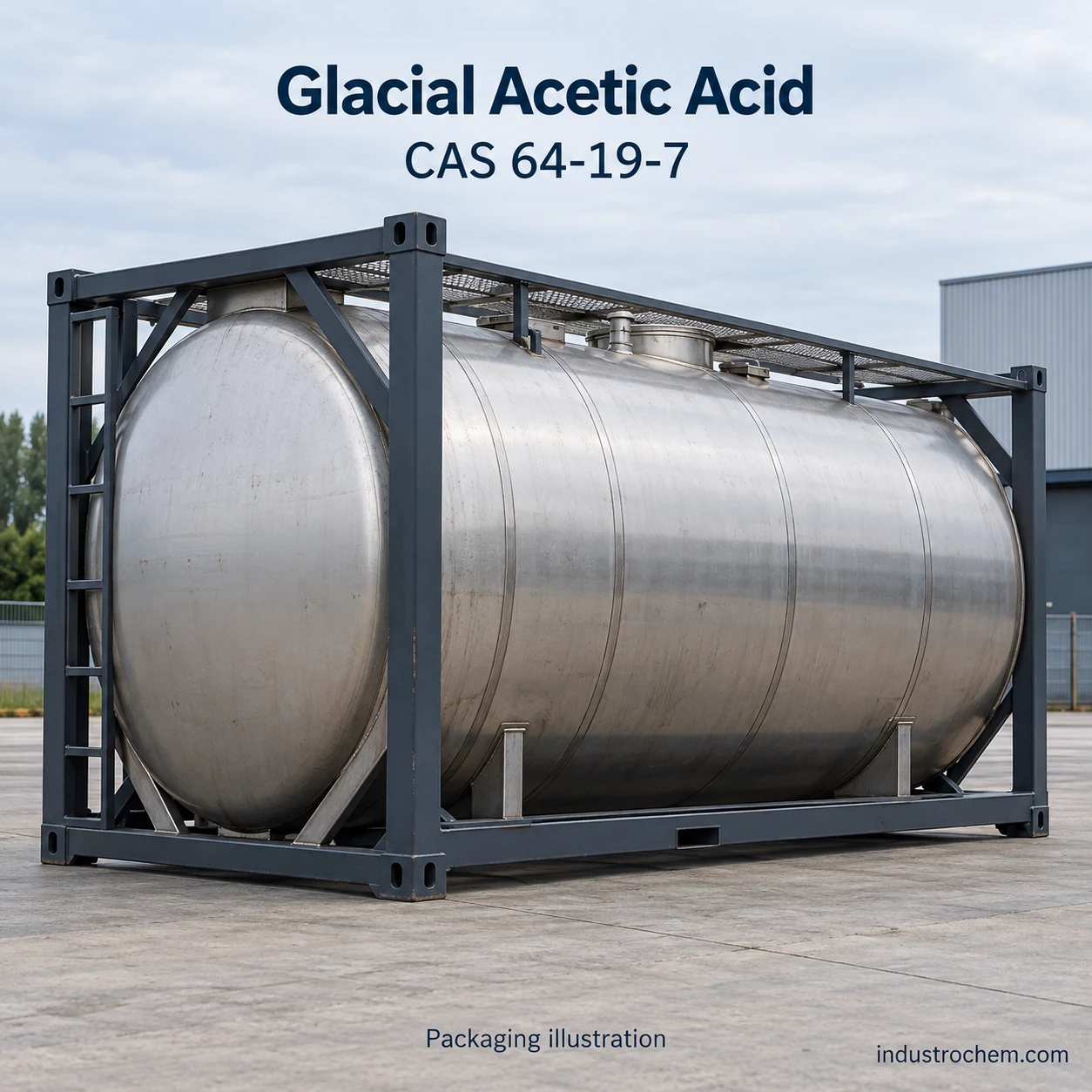
In the conventional PTA process, para-xylene is oxidized in an acetic-acid reaction medium. Glacial acetic acid is a related process chemical in this chain, with water and impurity requirements determined by the process.
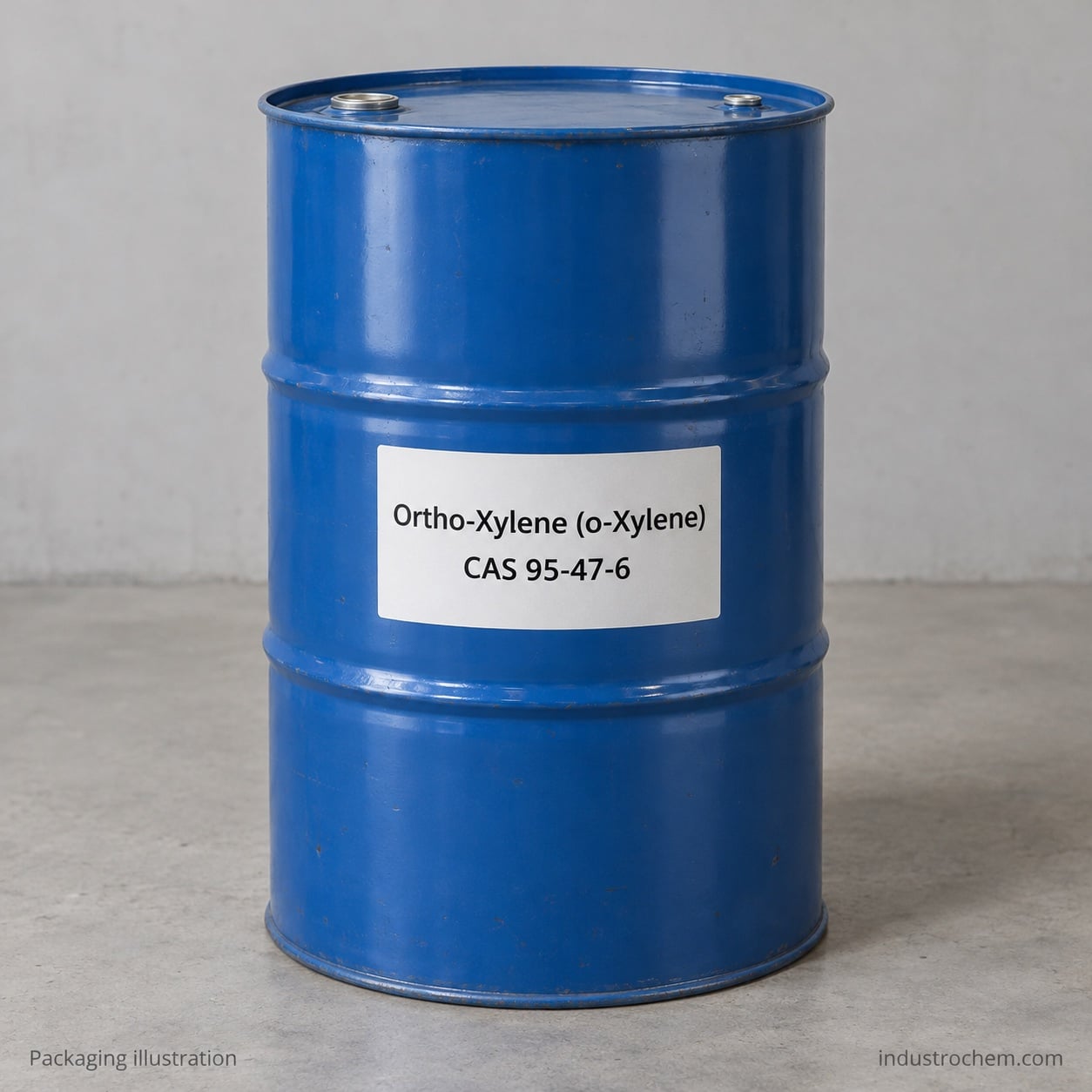
Ortho-xylene is a different positional isomer, mainly used for phthalic anhydride production. Its downstream route and purchasing specification differ from para-xylene used for PTA; it is not a direct replacement for that feedstock.
Packaging, cold-weather transport and quality documents
Para-xylene is a clear, colorless, flammable liquid at 20–25°C. High-purity material may crystallize when cooled near 13°C. Transport and receiving arrangements account for the quoted grade, season and destination, including suitable temperature management where appropriate.
Steel drums and suitable bulk tank/tanker options can be quoted. The offer defines packaging, net quantity and delivery conditions for the order. The current product SDS covers safe storage, handling and transport requirements.
We can provide a Certificate of Analysis (COA), Technical Data Sheet (TDS) and Safety Data Sheet (SDS), along with applicable GC test reports and chromatograms for the quoted grade.
Supply quality is guaranteed against the product grade, specification limits and test methods agreed in the order. For a bulk quotation, send the required grade, quantity and delivery destination; include any cold-weather receiving requirements.
FAQ - Technical & Supply Chain
-
Q:
What should a 99.7 wt% para-xylene quotation specify?
A: Para-xylene assay is only part of the specification. The quoted grade also defines limits for the other xylene isomers, ethylbenzene and relevant hydrocarbon impurities, with an agreed GC method and reporting basis. Water, color and total sulfur have separate agreed limits and methods. -
Q:
Is para-xylene interchangeable with ortho-xylene or mixed xylenes?
A: No. Para-xylene, CAS 106-42-3, is the 1,4-isomer used mainly for PTA and DMT production. Ortho-xylene, CAS 95-47-6, is the 1,2-isomer mainly associated with phthalic anhydride. Mixed xylenes contain multiple isomers and have a different purchasing specification; they are not a direct substitute for high-purity para-xylene in PTA feed. -
Q:
Can para-xylene crystallize during transport?
A: Yes. High-purity para-xylene can form crystals at temperatures near 13°C, even though it is a liquid at 20–25°C. Cold-season shipments need suitable temperature and receiving arrangements for the quoted grade and route. Any solidification-point acceptance limit is stated separately in the agreed grade specification.
Ordering & Documentation
Key information for document requests, quotations, and supply planning.
Documents
Tell us which documents your procurement team needs. Before an order, we will check whether the quoted source can provide them for the offered lot.
Quotation
Send the CAS number, grade, quantity, packing preference and destination.
Sample & Supply
Ask whether samples, trial quantities or repeat orders are possible. We will check each request against the sourced product and current offer.
Storage & Shipping
Product-specific conditions are confirmed before order.