









Phenol is a fundamental aromatic organic compound and hydroxyl-substituted benzene utilized as a primary precursor in phenolic resin production and the synthesis of caprolactam for nylon 6. Widely recognized in the chemical sector as Hydroxybenzene or Benzenol, this crystalline solid acts as a vital building block for bisphenol A and alkylphenols through electrophilic aromatic substitution. We provide this key industrial raw material with competitive factory pricing to facilitate continuous manufacturing operations. Our supply chain ensures reliable bulk supply availability and customized specifications, accompanied by complete MSDS, TDS, COA documentation for safety and regulatory compliance.
Phenol CAS 108-95-2
- CAS: 108-95-2
- Synonyms: Hydroxybenzene, Benzenol, Phenylic acid, Monohydroxybenzene, Phenyl alcohol
- Einecs: 203-632-7
- Molecular Formula: C6H5OH
- Grade: Industrial grade 99%
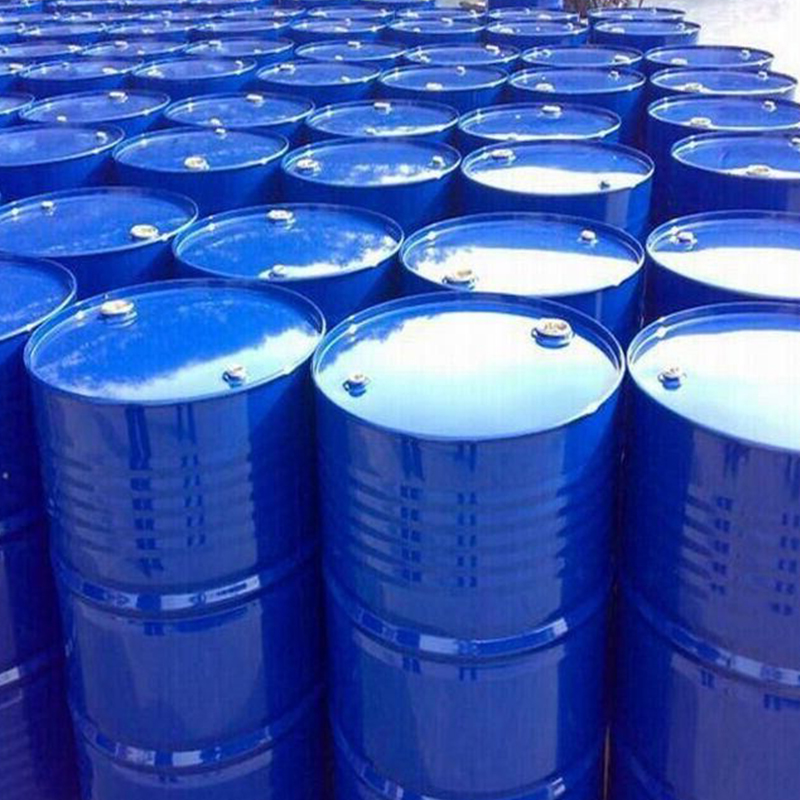
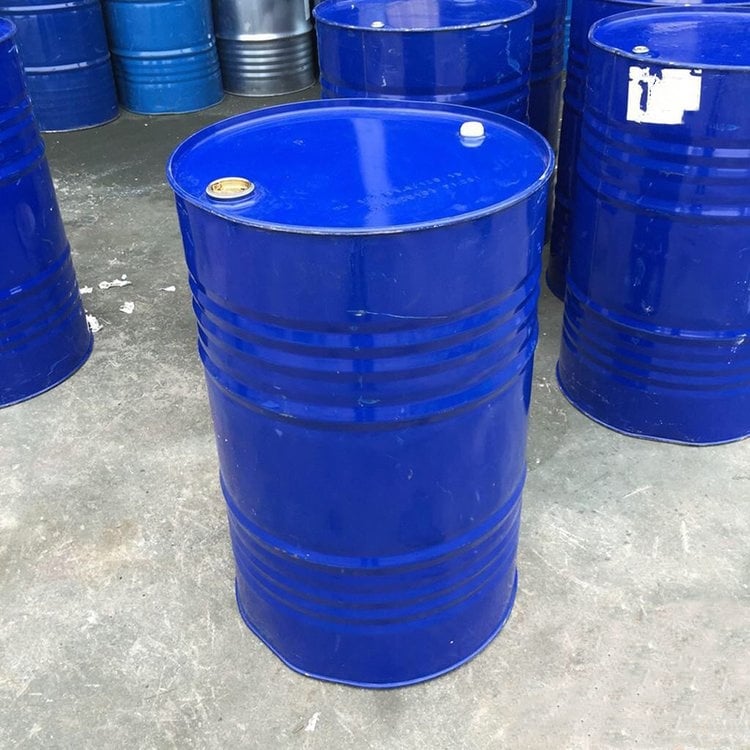
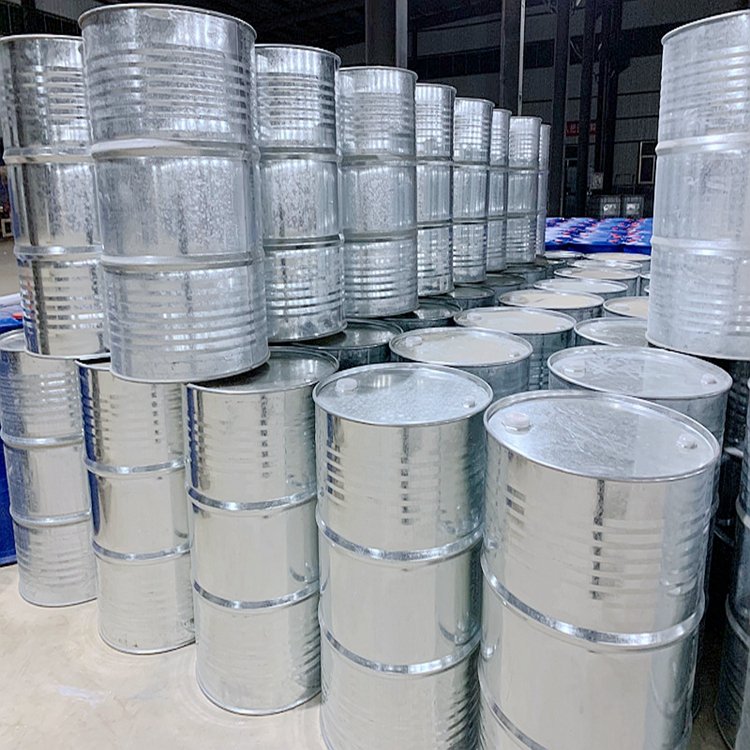
- Package: 200kg iron drum or 50kg plastic drum packing
Product Description
Phenol (English: Phenol or phenyl hydroxide, commonly known as: carbolic acid), definition: the molecular formula is C6H6O, which is mainly produced by cumene by oxidation and decomposition, is important Organic chemical industry raw materials, which can be used to produce a variety of chemical products and intermediates such as phenolic resin and bisphenol A, and are also used as solvents and disinfectants。
Phenol is a type of organic compound, the chemical formula is C6H5OH, is a colorless needle-like crystal with a special odor, toxic, and is used in the production of certain resins, fungicides, preservatives, as well as drugs (such as aspirin) important raw materials. It can also be used for disinfection of surgical instruments and excrement, skin sterilization, itching relief and otitis media. The melting point is 43 °C, slightly soluble in water at room temperature, and easily soluble in organic solvents; when the temperature is higher than 65 °C, it can be miscible with water in any proportion. Phenol has Corrosive, after contact, it will make the local Protein denaturation, its solution can be washed with alcohol when it gets on the skin. A small part of phenol is oxidized by oxygen when exposed to air quinone and pink. When the ferric iron ions turn purple, this method is usually used to test phenol.
Phenol (C6H6O, PhOH), also known as hydroxybenzene, carbolic acid Color (Pt-Co): ≤ 10 (or ≤ 20)。
CAS 108-95-2
Foreign name: phenol
Formula:C6H5OH
Relative molecular weight: 94.11
Specific gravity 1.071
Melting point 42~43°C
Boiling point 182°C
Relative density (water = 1): 1.07
The ignition point is 79°C.
Colorless crystals or crystallized frits with a specific odor (similar to the taste of paste)
Uses: Phenol is an important organic chemical raw material, which can be used to produce phenolic resin, caprolactam, bisphenol A, salicylic acid, pentachlorophenol, 2,4-D, adipic acid, and other chemical products and intermediates, which have important uses in chemical raw materials, alkylphenols, synthetic fibers, plastics, synthetic rubber, medicine, pesticides, fragrances, dyes, coatings and oil refining industries. Additionally, phenol can be used as a solvent, laboratory reagent, and disinfectant.
FAQ - Technical & Supply Chain
-
Q:
Does Phenol correspond to the simplest unsubstituted hydroxybenzene or a substituted derivative like Cresol?
A: Phenol is verified under CAS 108-95-2 as the simplest aromatic alcohol (Hydroxybenzene) with no methyl or alkyl substitutions, distinguishing it from Cresols or Xylenols to ensure the precise stoichiometry required for synthesizing Bisphenol A and caprolactam. -
Q:
What is the primary role of Phenol in the manufacturing of thermosetting plastics?
A: Phenol is typically applied as the foundational reactant to condense with formaldehyde, producing phenolic resins (such as Bakelite and Novolac) which are essential for manufacturing durable circuit boards, adhesives, and molded heat-resistant components.
Documents and Product Support
For product review and sourcing evaluation, supporting documents can be coordinated according to the product type, inquiry stage, and order requirements.
- COA for batch-based quality reference
- TDS for key physical and chemical information
- SDS / MSDS for handling, storage, and safety reference
- Packing information for sample, trial, and bulk orders
- Technical communication based on application and specification requirements
Information to Confirm Before Quotation
Clear sourcing information helps reduce specification mismatch and allows a more accurate quotation before sample or bulk order discussion.
- Product name and CAS number
- Application or intended end use
- Required purity, grade, or specification
- Sample quantity, trial order, or bulk demand
- Preferred packing form or net weight
- Destination country or port
- Required documents or compliance expectations
Packaging, Storage, and Handling Notes
Packaging form, storage conditions, shelf life, and shipment arrangements should be confirmed according to the product characteristics, package size, and destination requirements.
Before order confirmation, buyers are advised to review the corresponding product documents and confirm whether any special storage, labeling, or handling requirements apply.
Sample, Bulk Order and Repeat Supply Support
Support can be arranged for sample discussion, bulk supply planning, packaging confirmation, and routine sourcing communication based on the actual product and order requirements.
For repeat-use formulations or long-term procurement plans, buyers may discuss specification consistency, packaging preferences, delivery expectations, and document coordination in advance.