Chemical products
  • 2-Ethoxyphenol CAS 94-71-3

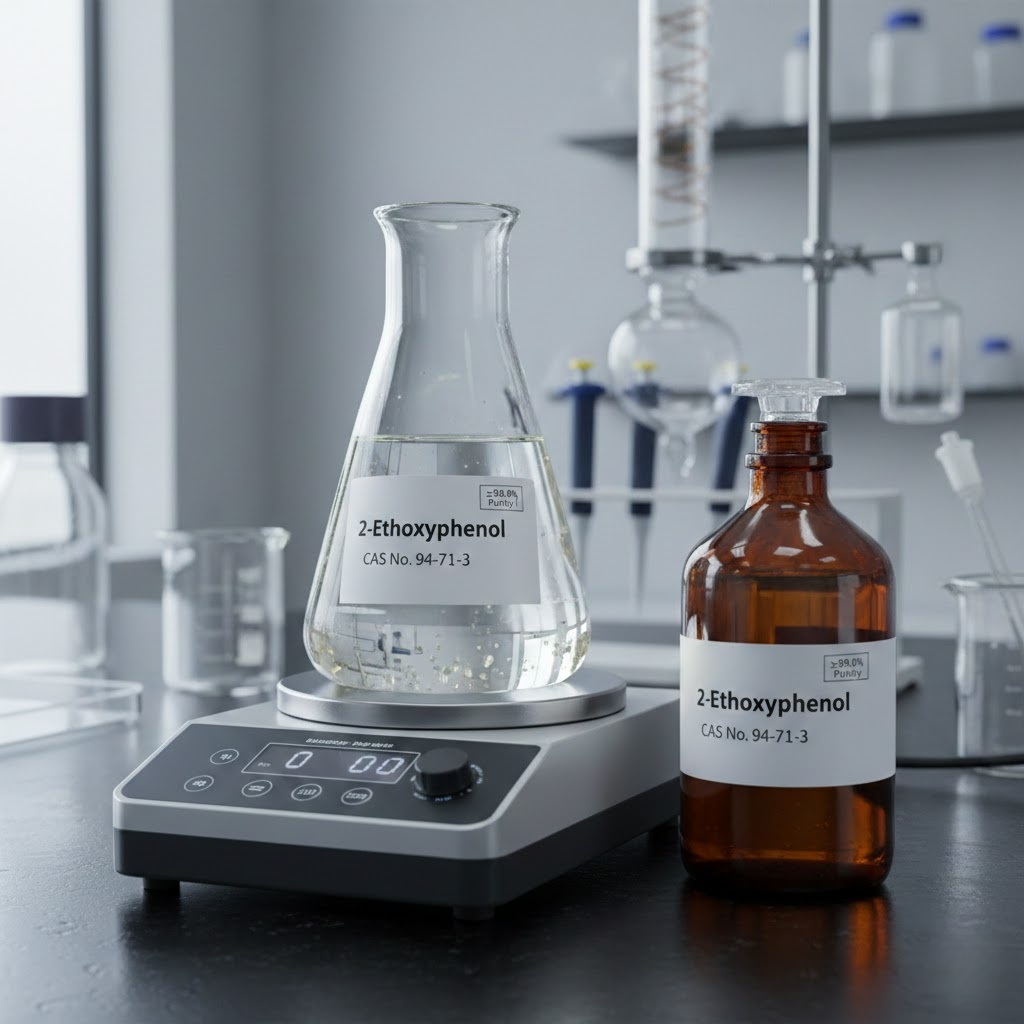
2-Ethoxyphenol CAS 94-71-3

2-Ethoxyphenol is an aromatic organic compound and a derivative of catechol, characterized by the presence of both a hydroxyl group and an ethoxy group on the benzene ring in an ortho configuration. This phenolic ether, commonly referred to as guethol or pyrocatechol monoethyl ether, serves as a versatile building block through its reactive hydroxyl site, a reaction mechanism that allows for further etherification or esterification in complex organic synthesis. Primarily utilized in the fragrance and flavor industry as a precursor to ethyl vanillin, this chemical intermediate is an essential industrial supply for the production of fine chemicals and pharmaceutical active ingredients. Its structural properties make it a key reactant in the synthesis of antioxidants and agrochemical stabilizers within diverse chemical manufacturing processes. We provide competitive factory pricing for high-purity batches to meet customized specifications, ensuring reliable bulk supply supported by complete technical documentation including MSDS, TDS, COA.

  • CAS: 94-71-3
  • Synonyms: Guaethol, Pyrocatechol monoethyl ether, Catechol monoethyl ether, o-Ethoxyphenol, 2-Ethoxyphenol liquid
  • Einecs: 202-356-4
  • Molecular Formula: C8H10O2
  • Grade: Industrial Grade / Pharmaceutical Grade
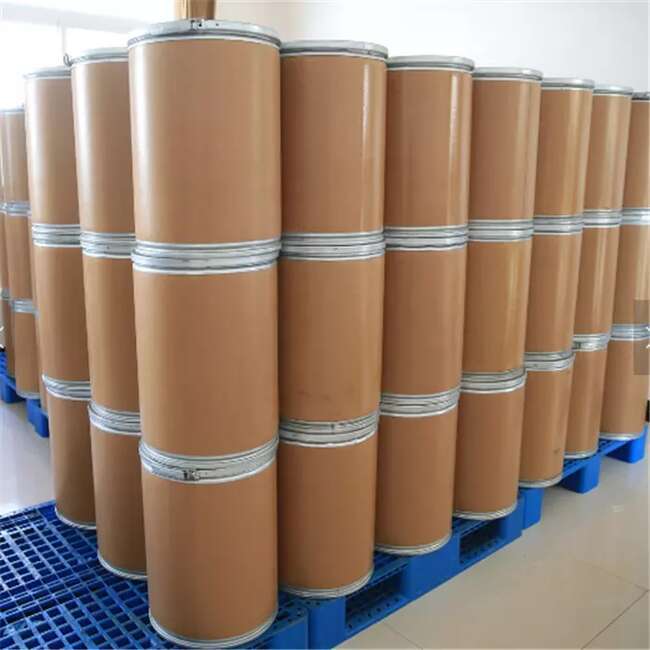
  • Package: 200kg/drum or ISO tank
Request a quote
Share:

Product Description

Technical Data

PropertySpecification (Standard Grade)
AppearanceColorless to light yellow liquid or crystalline mass
Assay (GC)≥ 99.0%
Freezing Point26.0°C – 29.0°C
Boiling Point216°C – 217°C
Flash Point91°C
Moisture Content≤ 0.2%

Applications

  • Fragrance & Flavor Synthesis: Acts as the primary intermediate for the production of ethyl vanillin, which offers a more intense aroma than standard vanillin.
  • Pharmaceutical Intermediates: Used as a precursor in the synthesis of various active pharmaceutical ingredients (APIs), particularly those involving catechol-derived structures.
  • Agrochemicals: Employed in the manufacture of specialized pesticides and crop protection chemicals.
  • Industrial Antioxidants: Utilized in the formulation of stabilizers for polymers and rubber products.

For projects that also require the downstream flavor intermediate, see Ethyl Vanillin.

Storage & Safety

  • Storage: Store in a cool, dry, and well-ventilated area away from direct sunlight. 2-Ethoxyphenol has a melting point near room temperature; in colder environments, it may solidify. Drums should be kept tightly sealed to prevent oxidation and moisture contamination.
  • Safety & PPE: This substance is classified as harmful if swallowed and can cause skin and eye irritation. Industrial operators must wear chemical-resistant gloves (Viton or Nitrile), safety goggles, and protective clothing. Ensure adequate ventilation or use an organic vapor respirator in areas where mists or vapors are generated.

Quality Assurance

Our quality control process emphasizes the detection of residual isomers and oxidation byproducts. Every batch of 2-Ethoxyphenol undergoes Gas Chromatography (GC) to ensure a purity profile exceeding 99% and Refractive Index testing to verify material identity. This rigorous monitoring ensures the material meets the strict olfactory and chemical standards required for downstream fine chemical synthesis.

FAQ - Technical & Supply Chain

  • Q:

    How is the purity of 2-Ethoxyphenol CAS 94-71-3 verified for ethyl vanillin synthesis?

    A: The substance identity of CAS 94-71-3 is confirmed through GC analysis ensuring a minimum purity of 99.0%. For its application as an intended intermediate in ethyl vanillin production, we specifically monitor the levels of unreacted catechol and moisture, as these impurities can interfere with subsequent aldehyde formation and affect the final aromatic profile.
  • Q:

    Is 2-Ethoxyphenol supplied as a liquid or a solid?

    A: Due to its melting point of 28-29°C, 2-Ethoxyphenol can transition between a solid crystalline state and a liquid state depending on ambient temperature. It is typically supplied in liquid form during warmer months or as a solid in winter. This phase transition does not affect its chemical integrity as a raw material for industrial synthesis.

Ordering & Documentation

Key information for document requests, quotations, and supply planning.

Documents

COA, TDS, SDS/MSDS and packing details are available on request.

Quotation

Send the CAS number, grade, quantity, packing preference and destination.

Sample & Supply

Support is available for samples, trial orders, bulk and repeat supply.

Storage & Shipping

Product-specific conditions are confirmed before order.

Contact Form

Use our contact form to send us your questions, suggestions or comments. We will respond as soon as possible.