









6‑Nitrothymol is a nitro‑substituted phenolic compound used as a chemical intermediate in industrial formulation systems. Commonly referenced as nitrothymol or 6‑nitro‑2‑isopropyl‑5‑methylphenol, this material contains both phenolic and nitro functional groups, enabling predictable acid–base response behavior and controlled reactivity in formulation design. Identified by CAS 2216‑45‑7, it is typically applied as a pH indicator intermediate, where defined substitution patterns support consistent performance in downstream chemical preparation.
For industrial supply, this product is available with competitive factory pricing, customized specifications, full documentation including MSDS, TDS, COA, and supports bulk supply requirements.
6‑Nitrothymol CAS 2216‑45‑7
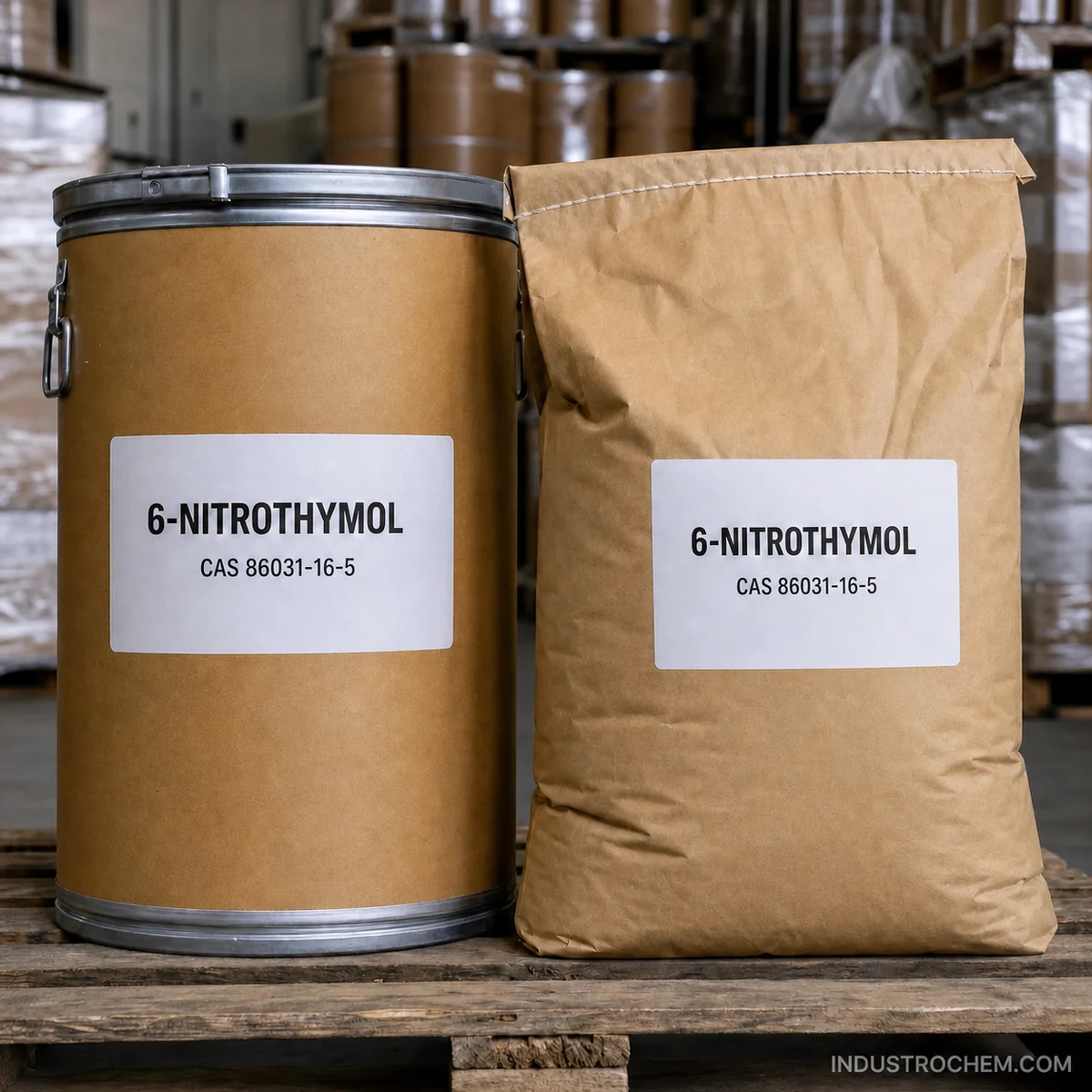
- CAS: 86031-16-5
- Synonyms: Nitrothymol, 6-nitro-2-isopropyl-5-methylphenol, Nitro thymol
- Molecular Formula: C10H13NO3
- Grade: Industrial grade 99%
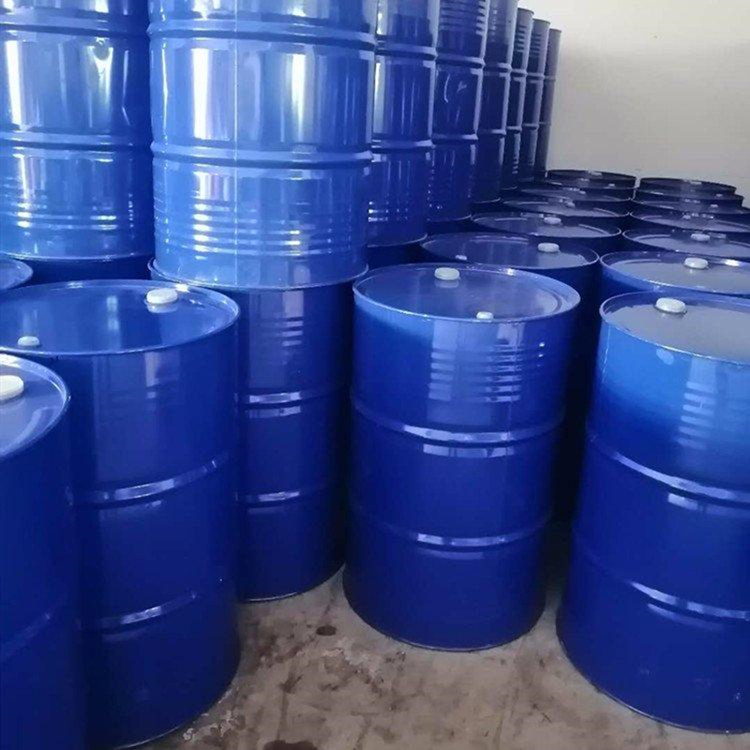
- Package: 200kg iron drum or 50kg plastic drum packaging
Product Description
Physicochemical properties
| Property | Description |
|---|---|
| Chemical Name | 6-Nitrothymol |
| CAS Number | 86031-16-5 |
| Molecular Formula | C10H13NO3 |
| Molecular Weight | 195.218 g/mol |
| Polar Surface Area (PSA) | 66.050 Ų |
| LogP (Octanol-Water Partition Coefficient) | 3.255 |
| Chemical Structure | (Data not available in text form; typically characterized by a thymol backbone with a nitro group (-NO2) at the 6-position) |
Application Areas
Organic synthesis: As an important nitration reagent, it is widely used in the synthesis of pharmaceuticals and organic compounds. Serve as a nitration agent in chemical reactions, promoting the formation of nitro compounds.
Pharmaceutical field: used for synthesizing various drug intermediates, specific applications need to be further developed in conjunction with downstream reactions
Storage conditions
Temperature and Environment
Store in a cool, dry, well ventilated area, away from direct sunlight.
Suggested temperature: Room temperature (15-25 ° C) or lower (if the label indicates refrigeration is required).
Keep away from heat sources, fire sources, and oxidants (such as peroxides, nitrates, etc.).
Container selection
Use sealed brown glass bottles or corrosion-resistant plastic containers (such as HDPE) to avoid light decomposition.
Isolation storage
Separate from strong acids, strong bases, reducing agents, and flammable materials to prevent reactions.
Store in a fume hood or specialized flammable chemical cabinet (if it is a flammable solid).
Safety precautions
Personal Protection
Wear chemical resistant gloves (such as nitrile/chloroprene rubber), goggles, and lab coats during operation.
Handle powders in a fume hood to avoid inhaling dust (it is recommended to use N95 masks or half face respirators).
Leakage handling
Small leakage: Cover with inert adsorbent material (such as sand) and collect in a closed container.
Large leakage: Evacuate personnel, wear protective equipment, and contact a professional handling team.
emergency measure
Inhalation: Move to a place with fresh air and seek medical attention.
Skin contact: Immediately rinse with soapy water for 15 minutes and remove contaminated clothing.
Eye contact: Rinse with plenty of water for at least 15 minutes and seek medical attention.
Ingestion: Do not induce vomiting, rinse mouth and seek medical attention, provide MSDS to the doctor.
FAQ - Technical & Supply Chain
-
Q:
Do 6‑Nitrothymol and nitrothymol refer to the same chemical substance?
A: Yes. These names refer to the same compound and correspond to a single CAS registry entry. -
Q:
Is 6‑Nitrothymol used as an intermediate rather than a finished indicator formulation?
A: 6‑Nitrothymol is typically applied as an intermediate in industrial formulation processes, where it is incorporated into indicator or analytical systems rather than used as a finished product.
Documents and Product Support
For product review and sourcing evaluation, supporting documents can be coordinated according to the product type, inquiry stage, and order requirements.
- COA for batch-based quality reference
- TDS for key physical and chemical information
- SDS / MSDS for handling, storage, and safety reference
- Packing information for sample, trial, and bulk orders
- Technical communication based on application and specification requirements
Information to Confirm Before Quotation
Clear sourcing information helps reduce specification mismatch and allows a more accurate quotation before sample or bulk order discussion.
- Product name and CAS number
- Application or intended end use
- Required purity, grade, or specification
- Sample quantity, trial order, or bulk demand
- Preferred packing form or net weight
- Destination country or port
- Required documents or compliance expectations
Packaging, Storage, and Handling Notes
Packaging form, storage conditions, shelf life, and shipment arrangements should be confirmed according to the product characteristics, package size, and destination requirements.
Before order confirmation, buyers are advised to review the corresponding product documents and confirm whether any special storage, labeling, or handling requirements apply.
Sample, Bulk Order and Repeat Supply Support
Support can be arranged for sample discussion, bulk supply planning, packaging confirmation, and routine sourcing communication based on the actual product and order requirements.
For repeat-use formulations or long-term procurement plans, buyers may discuss specification consistency, packaging preferences, delivery expectations, and document coordination in advance.