









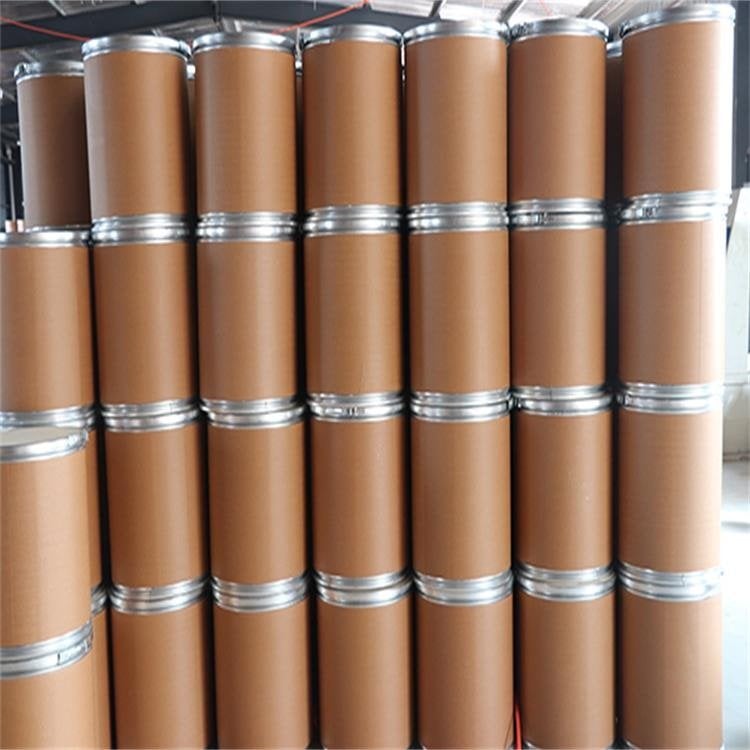
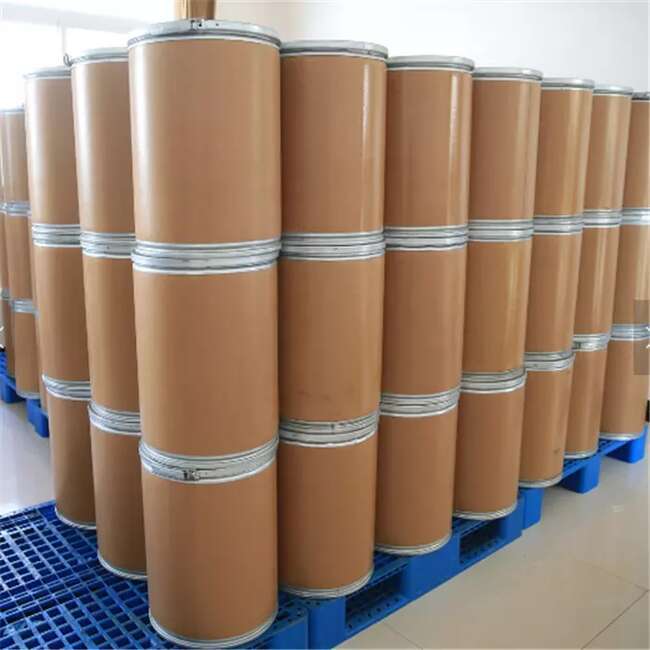
4-Benzyloxyanisole, also widely known in the chemical industry as Hydroquinone Benzyl Methyl Ether and registered under CAS No. 5385-35-3, is a high-purity organic intermediate used in advanced fine chemical synthesis. Structurally identified as 1-(Benzyloxy)-4-methoxybenzene, this compound features a hydroquinone core where the two hydroxyl groups are substituted by a benzyl group and a methyl group, respectively. It appears as a white to off-white crystalline powder with a melting point range of approximately 72-75°C. Unlike Hydroquinone or MEHQ, 4-Benzyloxyanisole is a diether, making it chemically stable and lacking free phenolic hydroxyl groups. This unique structure makes it a vital building block in the synthesis of pharmaceuticals, specific dermatological agents, and agrochemicals, as well as a precursor in the development of liquid crystals and specialty polymers. We offer premium grade 4-Benzyloxyanisole (purity ≥99%) packed in fiber drums to meet rigorous industrial standards.
4-Benzyloxyanisole (Hydroquinone Benzyl Methyl Ether) – CAS 5385-35-3
- CAS: 5385-35-3
- Synonyms: p-Benzyloxyanisole, 1-Methoxy-4-(benzyloxy)benzene, Benzyl 4-methoxyphenyl ether, Hydroquinone methyl benzyl ether, 4-Methoxybenzyl phenyl ether, Phenylmethyl 4-methoxyphenyl ether.
- Einecs: 654-563-8
- Molecular Formula: C₁₄H₁₄O₂
- Grade: Industrial grade 99%
- Package: 200kg iron drum or 50kg plastic drum packaging
Product Description
Physicochemical properties
| Property | Value |
|---|---|
| Chemical Formula | C₁₄H₁₄O₂ |
| Molecular Weight | 214.26 g/mol |
| CAS Number | 5385-35-3 |
| Appearance | Colorless liquid (or crystal, depending on the supplier and purity) |
| Density | 1.081 g/cm³ (predicted) |
| Melting Point | 71 °C |
| Boiling Point | 334.3 ± 17.0 °C (predicted) |
| Flash Point | 134.9 ± 20.5 °C |
| Refractive Index | Not specifically reported, but related compounds may have values around 1.5-1.6 |
| Solubility | Insoluble in water, but soluble in organic solvents (e.g., ethanol, ether) |
| Storage Conditions | Sealed in dry, at room temperature |
Application Areas
As an organic synthesis intermediate, it is used in the research and development of pharmaceuticals, fragrances, and functional materials
The structure contains benzene rings and ether bonds, which may be used for liquid crystal materials or polymer modification
Storage conditions
Sealed and dry storage: Keep in a cool, ventilated place to avoid moisture absorption or oxidation
Temperature control: It is recommended to store at room temperature or refrigerated (2-8 ° C), and for long-term storage, inert gas (such as nitrogen) should be filled for protection
Isolation requirement: Separate from strong oxidants and acids to prevent reactions
Safety precautions
Personal protection: Wear chemical resistant gloves, goggles, and dust masks during operation to avoid skin contact or inhalation of dust
Leakage treatment: Collect after adsorption with sand and do not directly discharge into the sewer
Emergency measures:
Skin contact: Immediately rinse with water and soap
Eye contact: Rinse continuously for 15 minutes and seek medical attention
FAQ - Technical & Supply Chain
-
Q:
What is the chemical structure difference between 4-Benzyloxyanisole and Hydroquinone?
A: Hydroquinone has two free hydroxyl (-OH) groups. 4-Benzyloxyanisole (CAS 5385-35-3) is a "capped" derivative where one -OH is methylated (-OCH3) and the other is benzylated (-OCH2Ph). This makes it a diether, significantly changing its solubility and reactivity compared to the parent hydroquinone. -
Q:
What are the solubility characteristics of CAS 5385-35-3?
A: Being a lipophilic ether, it is practically insoluble in water but exhibits excellent solubility in common organic solvents such as ethanol, acetone, ethyl acetate, and chloroform.
Documents and Product Support
For product review and sourcing evaluation, supporting documents can be coordinated according to the product type, inquiry stage, and order requirements.
- COA for batch-based quality reference
- TDS for key physical and chemical information
- SDS / MSDS for handling, storage, and safety reference
- Packing information for sample, trial, and bulk orders
- Technical communication based on application and specification requirements
Information to Confirm Before Quotation
Clear sourcing information helps reduce specification mismatch and allows a more accurate quotation before sample or bulk order discussion.
- Product name and CAS number
- Application or intended end use
- Required purity, grade, or specification
- Sample quantity, trial order, or bulk demand
- Preferred packing form or net weight
- Destination country or port
- Required documents or compliance expectations
Packaging, Storage, and Handling Notes
Packaging form, storage conditions, shelf life, and shipment arrangements should be confirmed according to the product characteristics, package size, and destination requirements.
Before order confirmation, buyers are advised to review the corresponding product documents and confirm whether any special storage, labeling, or handling requirements apply.
Sample, Bulk Order and Repeat Supply Support
Support can be arranged for sample discussion, bulk supply planning, packaging confirmation, and routine sourcing communication based on the actual product and order requirements.
For repeat-use formulations or long-term procurement plans, buyers may discuss specification consistency, packaging preferences, delivery expectations, and document coordination in advance.