










4-tert-Octylphenol, identifiable by CAS 140-66-9, functions as a high-purity alkylphenol intermediate used primarily in the manufacture of non-ionic surfactants and phenolic resins. Chemically defined as 4-(1,1,3,3-Tetramethylbutyl)phenol, this white flaked or crystalline solid serves as the hydrophobic building block for octylphenol ethoxylates, widely employed in industrial cleaning and textile processing. The substance, often referred to as PTOP or p-tert-Octylphenol in chemical trading, acts as a key monomer for tackifying resins in rubber tire production and electrical insulating varnishes. We facilitate bulk supply of this versatile intermediate with competitive factory pricing, capable of meeting customized specifications for color (APHA) and ortho-isomer content, backed by comprehensive MSDS, TDS, COA documentation.
4‑tert‑Octylphenol CAS 140-66-9
- CAS: 140-66-9
- Synonyms: 4-tert-Octylphenol, p-tert-Octylphenol, PTOP, 4-(1,1,3,3-Tetramethylbutyl)phenol
- Einecs: 205-246-2
- Molecular Formula: C14H22O
- Grade: Industrial grade 99.99%
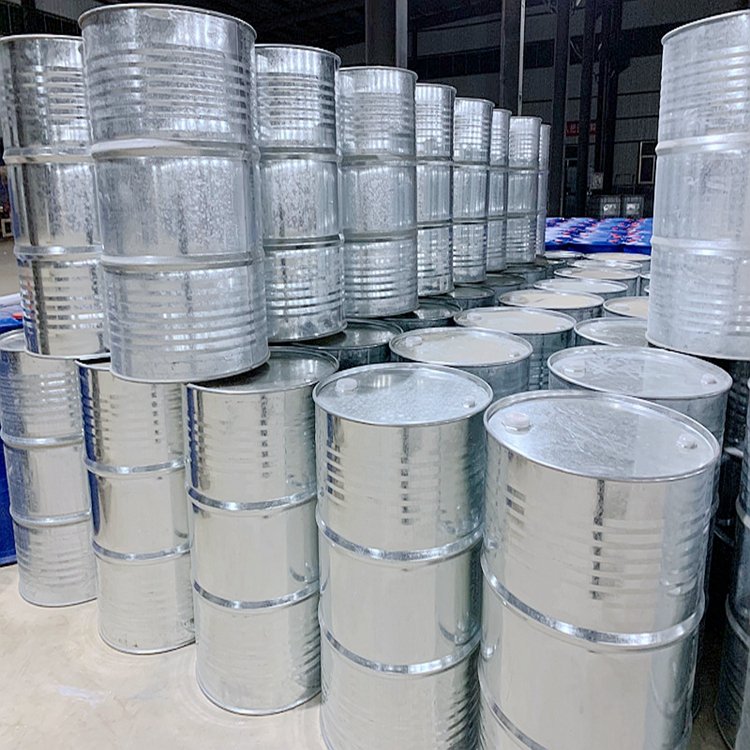
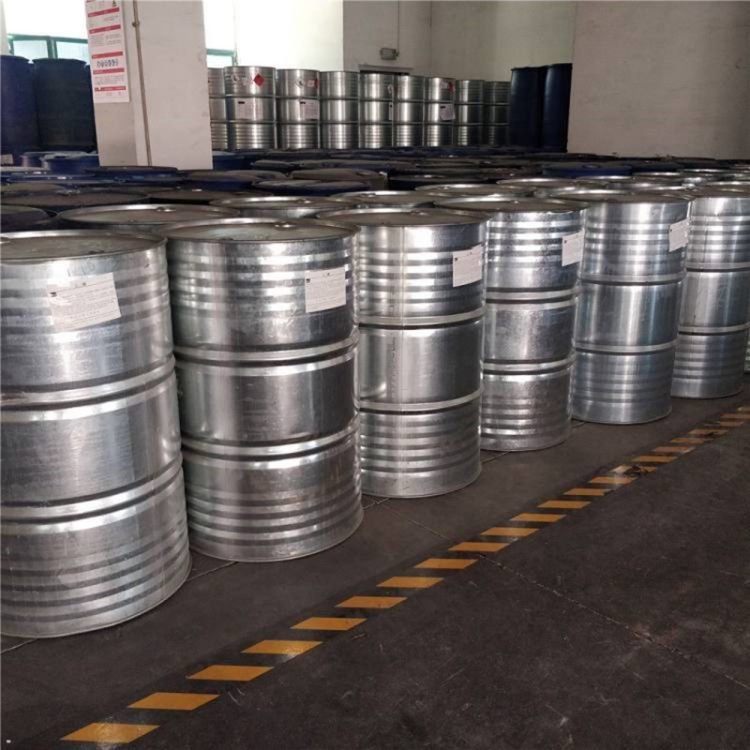
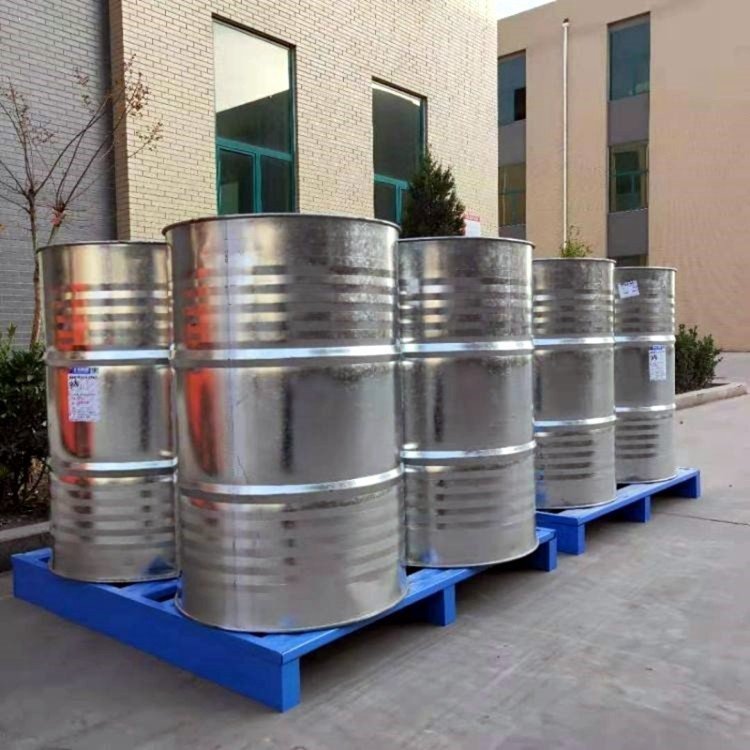
- Package: 200kg iron drum or 50kg plastic drum packaging
Product Description
Product Name:P-tercinylphenol
Chemical formula:C14H22O
Aliases: 4-tercinylphenol, 4-tertoctyl phenol, etc
Molecular Weight: 206.32
CAS accession number: 140-66-9
EINECS accession number: 205-246-2
Appearance: White flake crystals at room temperature
The melting point is 83.5 °C
Boiling point: 276°C
Flash point: 138°C
Density: 0.889
Solubility: Insoluble in water, soluble in most organic solvents
Usage: P-teroctyl phenol is a raw material and intermediate for fine chemicals, such as the synthesis of octylphenol formaldehyde resin, which is widely used in oil additives, inks, cable insulation materials, printing inks, coatings, adhesives, light stabilizers and other production fields. Synthetic nonionic surfactants are widely used in detergents, pesticide emulsifiers, textile homogenizers and other products.
FAQ - Technical & Supply Chain
-
Q:
Is 4-tert-Octylphenol chemically synonymous with PTOP?
A: Yes, 4-tert-Octylphenol and the industry acronym PTOP refer to the same alkylated phenol compound identified by CAS 140-66-9, distinguishing it from linear octylphenol isomers. -
Q:
Is this intermediate suitable for rubber tackifier applications?
A: 4-tert-Octylphenol is typically applied as a raw material for synthesizing oil-soluble phenolic resins, which are essential tackifiers used in the manufacture of rubber tires to improve layer adhesion.
Documents and Product Support
For product review and sourcing evaluation, supporting documents can be coordinated according to the product type, inquiry stage, and order requirements.
- COA for batch-based quality reference
- TDS for key physical and chemical information
- SDS / MSDS for handling, storage, and safety reference
- Packing information for sample, trial, and bulk orders
- Technical communication based on application and specification requirements
Information to Confirm Before Quotation
Clear sourcing information helps reduce specification mismatch and allows a more accurate quotation before sample or bulk order discussion.
- Product name and CAS number
- Application or intended end use
- Required purity, grade, or specification
- Sample quantity, trial order, or bulk demand
- Preferred packing form or net weight
- Destination country or port
- Required documents or compliance expectations
Packaging, Storage, and Handling Notes
Packaging form, storage conditions, shelf life, and shipment arrangements should be confirmed according to the product characteristics, package size, and destination requirements.
Before order confirmation, buyers are advised to review the corresponding product documents and confirm whether any special storage, labeling, or handling requirements apply.
Sample, Bulk Order and Repeat Supply Support
Support can be arranged for sample discussion, bulk supply planning, packaging confirmation, and routine sourcing communication based on the actual product and order requirements.
For repeat-use formulations or long-term procurement plans, buyers may discuss specification consistency, packaging preferences, delivery expectations, and document coordination in advance.


