









• Emulsifier OP‑7 CAS 9036-19-5
  • Emulsifier OP‑7 CAS 9036-19-5
  • Emulsifier OP‑7 CAS 9036-19-5

Emulsifier OP‑7 CAS 9036-19-5

Emulsifier OP-7 (CAS 9036-19-5), chemically characterized as an octylphenol ethoxylate with an average of seven ethylene oxide units, is a non-ionic surfactant valued for its high chemical stability and emulsifying properties. Frequently designated in industrial safety data sheets as Polyoxyethylene octyl phenyl ether, Octoxynol-7, or Ethoxylated octylphenol, this liquid agent functions as a penetrating detergent in textile processing and a heavy-duty emulsifier in metalworking fluids.

This product provides effective surface activity, wetting behavior, and emulsification support in compatible industrial systems. Technical documents including COA, TDS, and SDS may be provided according to the supplied grade.

  • CAS: 9036-19-5
  • Synonyms: Emulsifier OP-7, Octylphenol Ethoxylate, OP-7 Surfactant, Alkylphenol Ethoxylate
  • Einecs: 500-016-2
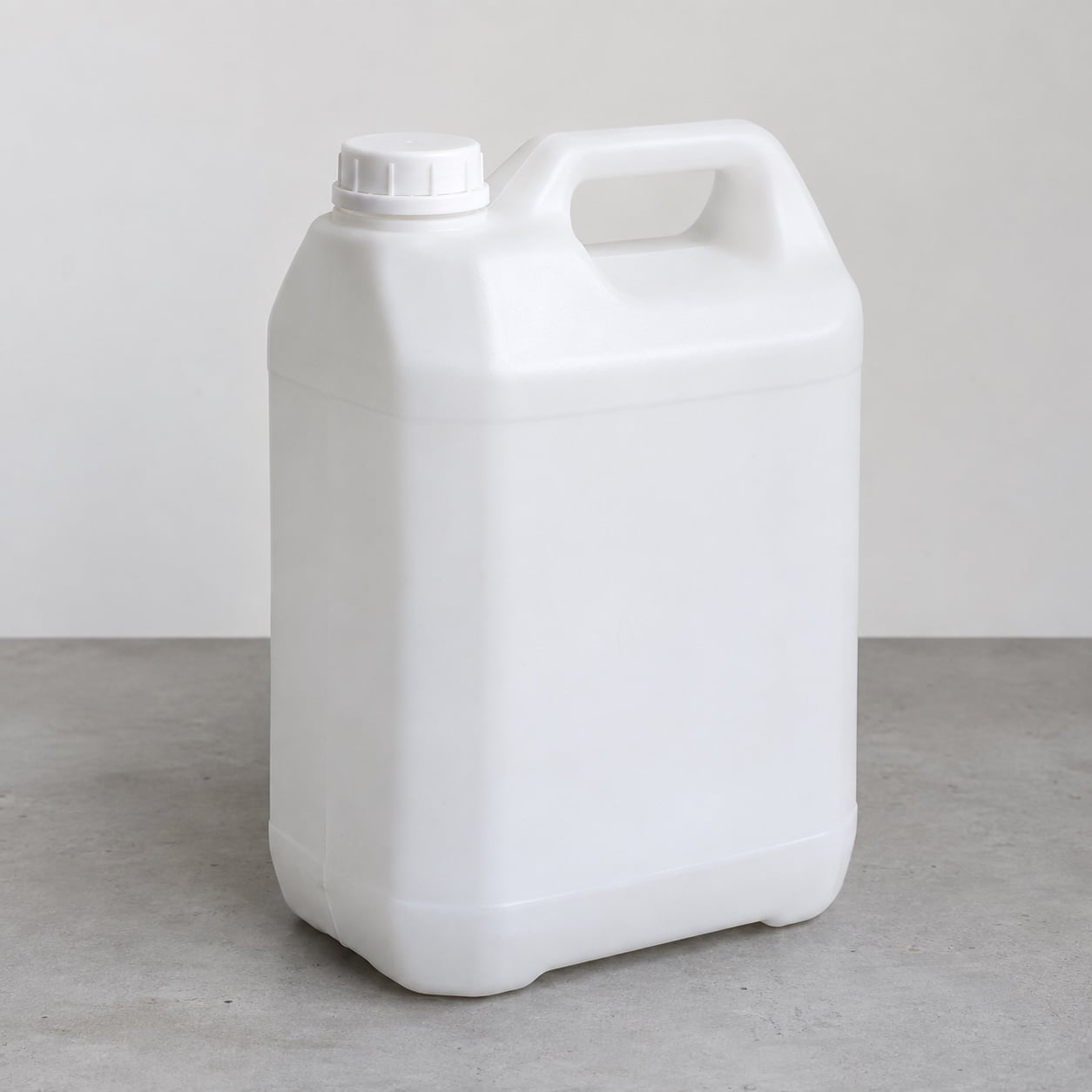
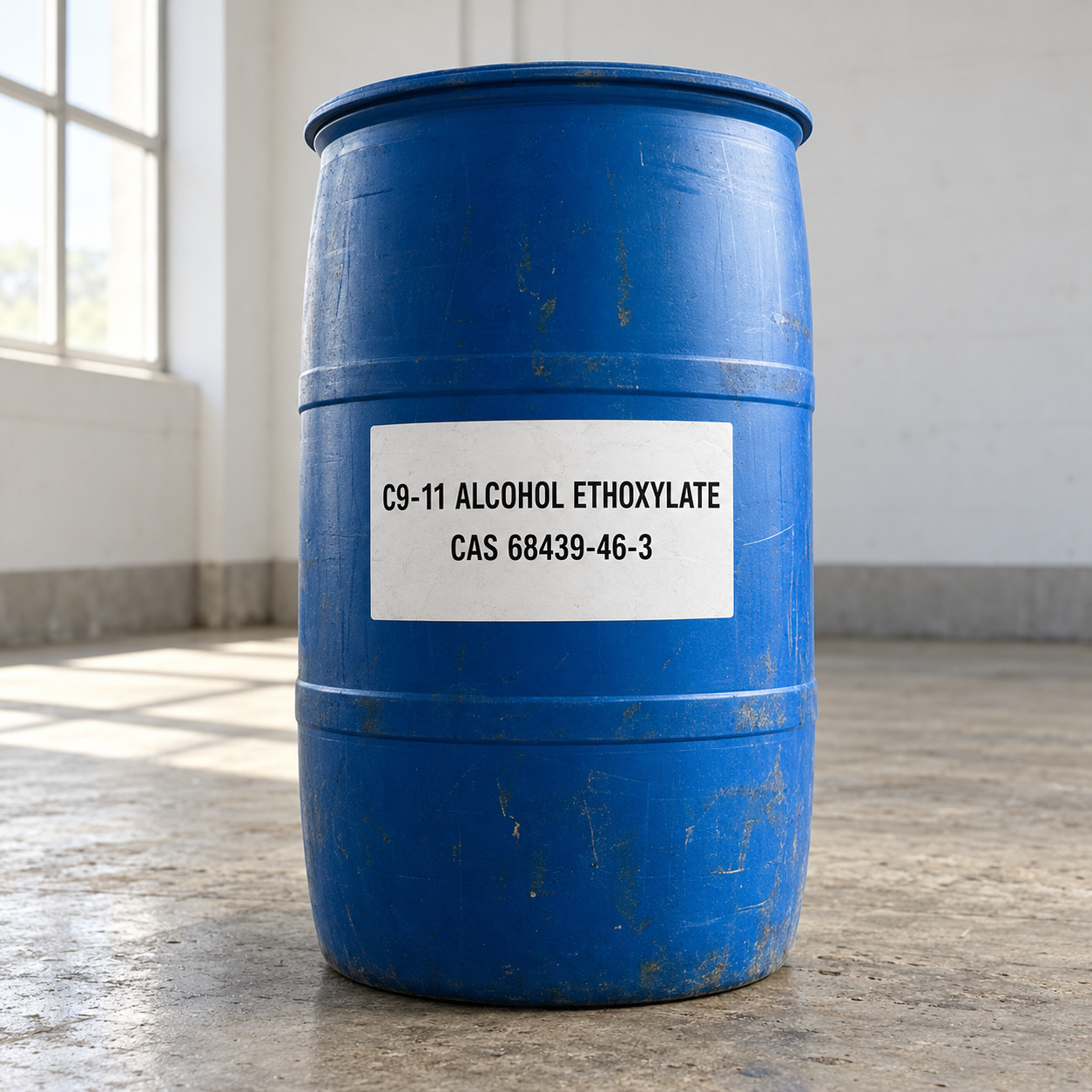
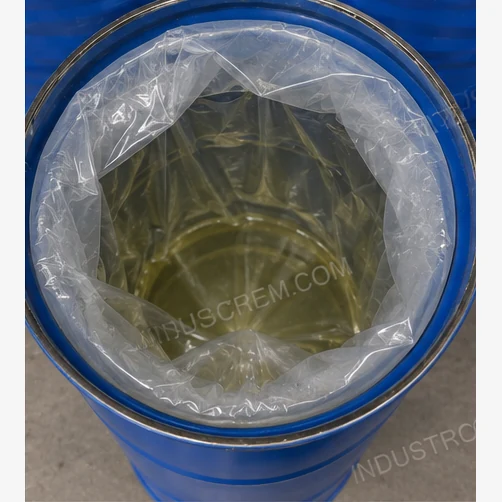
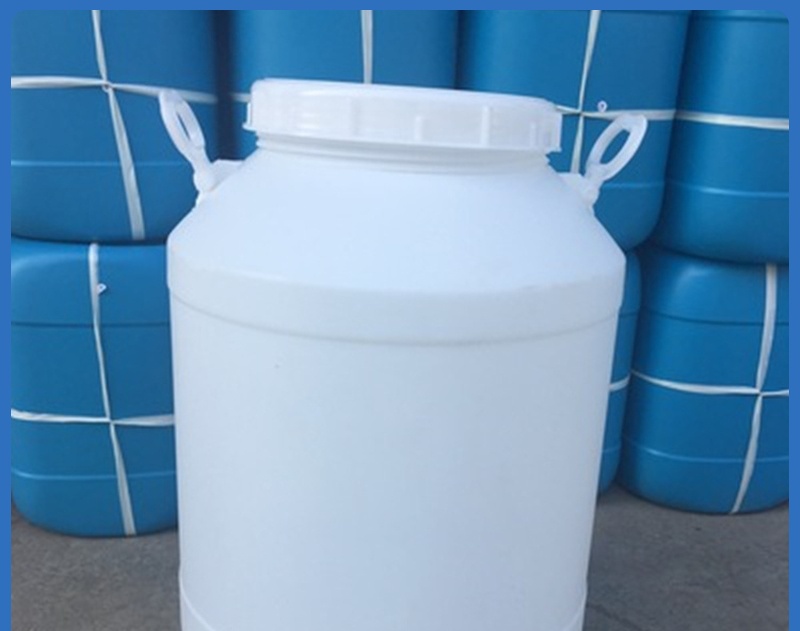
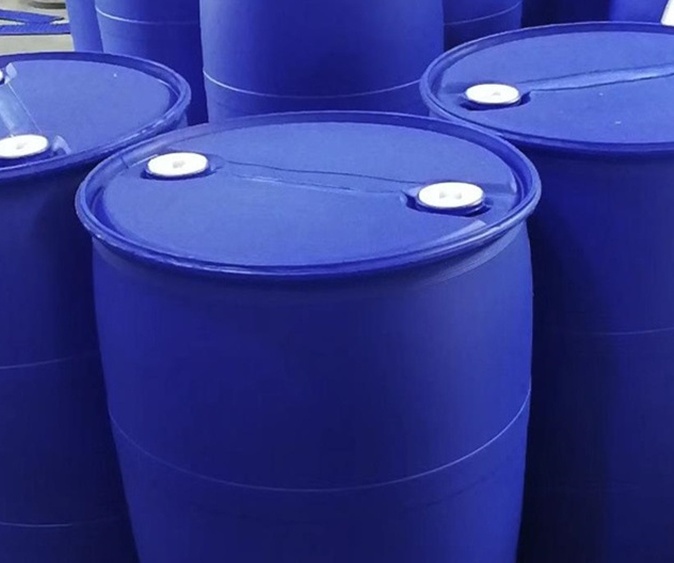
  • Package: 200kg iron drum, 50kg plastic drum packaging
Request a quote
Share:

Product Description

Product Overview

Emulsifier OP-7 is supplied as an octylphenol ethoxylate (CAS 9036-19-5) nonionic surfactant used in industrial chemical systems requiring surface activity, emulsification, wetting, penetration, and formulation compatibility. It is generally positioned as an industrial surfactant raw material rather than as a consumer-facing finished ingredient.

This product is commonly applied in textile auxiliaries, industrial cleaning systems, metalworking fluids, and related formulation environments where nonionic compatibility and processing performance are required. Technical documents such as COA, TDS, and SDS may be provided according to the supplied grade.

Product Information / Specifications

Product NameEmulsifier OP-7
Chemical IdentityOctylphenol Ethoxylate
SynonymsOP-7 Surfactant; Octylphenol Polyoxyethylene Ether; Alkylphenol Ethoxylate
Product IdentityNonionic surfactant
Primary FunctionsEmulsification, wetting, penetration, detergency, and formulation support
Application TypeIndustrial surfactant and formulation ingredient
DocumentationCOA, TDS, and SDS may be provided according to the supplied grade

Physical & Chemical Properties

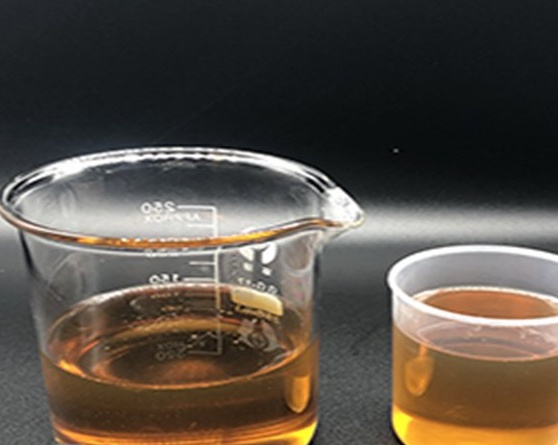
AppearanceLight yellow to colorless transparent oily liquid
SolubilitySoluble in oils and compatible organic media; dispersible in water according to formulation conditions
pH (1% Aqueous Solution)Typically near neutral
Density (25°C)Approximately 1.02–1.05 g/mL
Performance CharacteristicsProvides nonionic surface activity, wetting behavior, and emulsification support in compatible industrial systems

Applications

  • Used in textile processing systems as a wetting, penetrating, leveling, and auxiliary surfactant component.
  • Suitable for industrial cleaning formulations where detergency and emulsification are required.
  • Applied in metalworking fluids and related industrial process systems requiring nonionic compatibility.
  • Used in leather and wool processing auxiliaries where wetting and degreasing support are required.
  • Suitable for industrial formulation systems requiring octylphenol ethoxylate surfactant performance.

Packaging

Standard packaging may be supplied in 200 kg iron drums, 50 kg plastic drums, or other industrial packaging formats according to grade and shipment arrangement.

Packaging type and net weight may vary depending on order specification, export handling, and storage requirements.

Storage Conditions

  • Store sealed in a cool, dry, and well-ventilated area.
  • Protect from high temperature, direct sunlight, and moisture during storage.
  • Keep containers tightly closed when not in use.
  • Handle storage and transport according to the supplied grade and applicable SDS.

Safety Precautions

  • Avoid direct contact with skin and eyes during handling.
  • Use appropriate gloves, eye protection, and standard industrial protective measures.
  • Refer to the current SDS before storage, transport, handling, or formulation use.
  • Application should follow local environmental and regulatory requirements for alkylphenol ethoxylate materials.

FAQ - Technical & Supply Chain

  • Q:

    What is Emulsifier OP-7 (Octylphenol Ethoxylate) and how does its EO chain length affect performance?

    A: Emulsifier OP-7 is a nonionic surfactant based on octylphenol ethoxylate with an average of 7 ethylene oxide (EO) units per molecule. This EO chain length provides a balanced hydrophilic-lipophilic profile that favors oil-in-water emulsification, wetting, and detergency across a range of industrial systems.
  • Q:

    What quality indicators should buyers verify when sourcing Emulsifier OP-7?

    A: Key quality parameters include appearance (light yellow to colorless transparent oily liquid), hydroxyl value or cloud point as an indicator of EO chain consistency, pH (near neutral in 1% aqueous solution), and density (approximately 1.02-1.05 g/mL at 25C). Buyers should request the current COA for batch-specific values.
  • Q:

    In which industrial applications is Emulsifier OP-7 typically used?

    A: Emulsifier OP-7 is applied in textile processing as a wetting and penetrating agent, in industrial cleaning formulations for detergency and emulsification, in metalworking fluids as a nonionic emulsifier, and in leather and wool processing auxiliaries where wetting and degreasing support are required.
  • Q:

    How does OP-7 differ from other octylphenol ethoxylates with different EO numbers?

    A: The EO chain length determines the hydrophilic-lipophilic balance (HLB) of the surfactant. OP-7 (7 EO units) provides intermediate HLB suitable for emulsification and wetting. Lower EO variants (OP-4, OP-5) are more oil-soluble and favor water-in-oil emulsions, while higher EO variants (OP-10, OP-13) are more water-soluble with enhanced detergency.
  • Q:

    What compatibility considerations apply when formulating with Emulsifier OP-7?

    A: Emulsifier OP-7 is compatible with most nonionic and anionic surfactants, and can be incorporated into aqueous and non-aqueous systems. It is dispersible in water under appropriate formulation conditions and soluble in oils and organic media. Formulation pH and electrolyte concentration should be evaluated for optimal performance.
  • Q:

    How should Emulsifier OP-7 be stored and what is its typical shelf life?

    A: The product should be stored sealed in a cool, dry, and well-ventilated area, protected from high temperature, direct sunlight, and moisture. Containers must be kept tightly closed when not in use. When stored under recommended conditions, the shelf life typically extends to 12 months or longer, as confirmed by batch-specific stability data.
Documents

Documents and Product Support

For product review and sourcing evaluation, supporting documents can be coordinated according to the product type, inquiry stage, and order requirements.

  • COA for batch-based quality reference
  • TDS for key physical and chemical information
  • SDS / MSDS for handling, storage, and safety reference
  • Packing information for sample, trial, and bulk orders
  • Technical communication based on application and specification requirements
Quotation

Information to Confirm Before Quotation

Clear sourcing information helps reduce specification mismatch and allows a more accurate quotation before sample or bulk order discussion.

  • Product name and CAS number
  • Application or intended end use
  • Required purity, grade, or specification
  • Sample quantity, trial order, or bulk demand
  • Preferred packing form or net weight
  • Destination country or port
  • Required documents or compliance expectations
Storage & Handling

Packaging, Storage, and Handling Notes

Packaging form, storage conditions, shelf life, and shipment arrangements should be confirmed according to the product characteristics, package size, and destination requirements.

Before order confirmation, buyers are advised to review the corresponding product documents and confirm whether any special storage, labeling, or handling requirements apply.

Supply Support

Sample, Bulk Order and Repeat Supply Support

Support can be arranged for sample discussion, bulk supply planning, packaging confirmation, and routine sourcing communication based on the actual product and order requirements.

For repeat-use formulations or long-term procurement plans, buyers may discuss specification consistency, packaging preferences, delivery expectations, and document coordination in advance.

Contact Form

Use our contact form to send us your questions, suggestions or comments. We will respond as soon as possible.