Chemical products

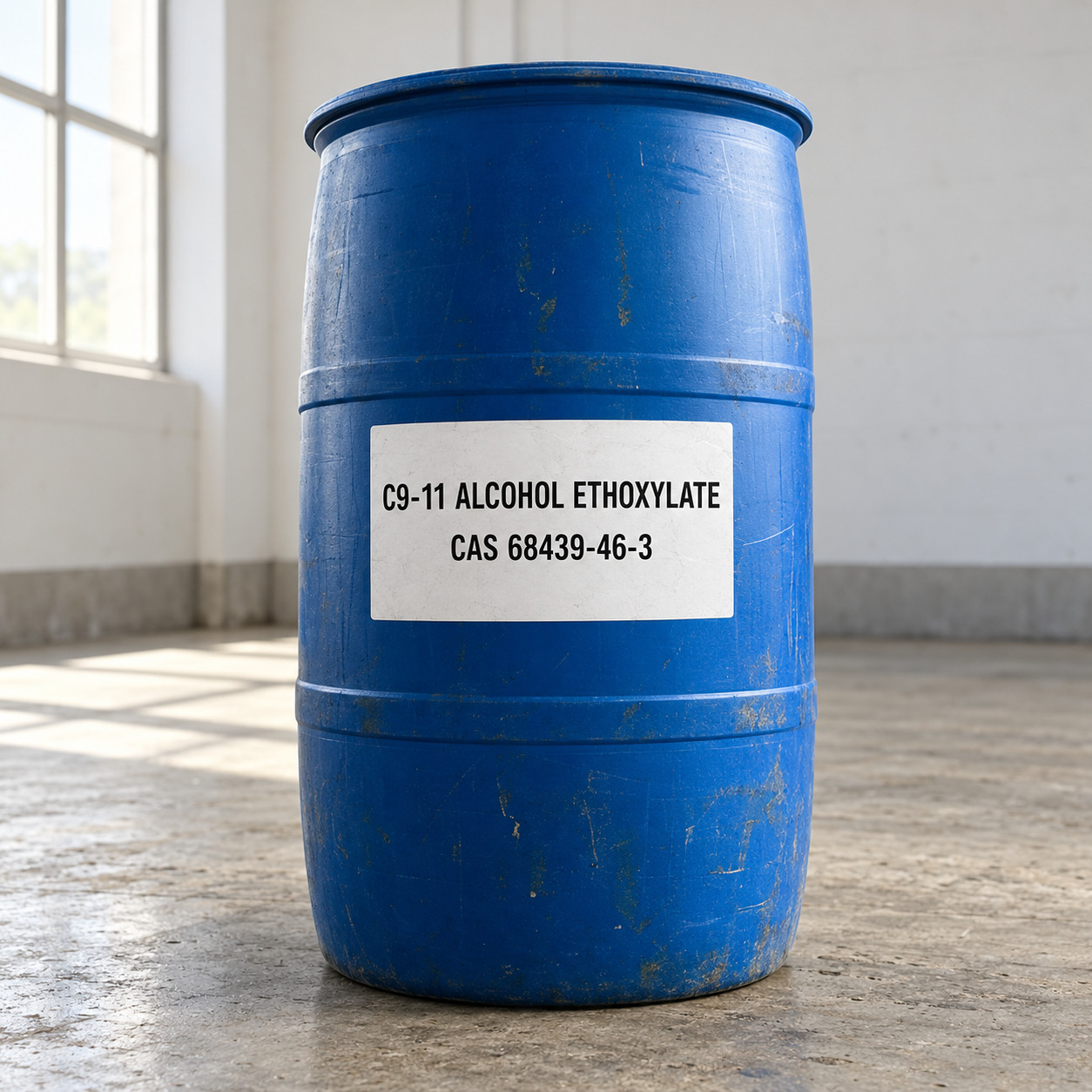
C9-11 Alcohol Ethoxylate CAS 68439-46-3

C9-11 Alcohol Ethoxylate (CAS 68439-46-3) is a nonionic surfactant supplied for wetting, detergency, emulsification and surface-tension reduction in cleaning and surfactant formulations. Bulk quotations specify the selected grade and specification, with COA/TDS/SDS available.

  • CAS: 68439-46-3
  • Synonyms: Ethoxylated C9-11 alcohols; Alcohols, C9-11, ethoxylated
  • Package: Common export packing includes 25 kg drum and 200 kg drum; customized packing can be arranged
  • ECHA List No.: 614-482-0
Request a quote
Share:

Product Description

C9-11 Alcohol Ethoxylate (CAS 68439-46-3; ECHA List No. 614-482-0) is a family of nonionic surfactants made by ethoxylating C9-C11 alcohols. The nominal EO number describes an average across the ethoxylate distribution, so the CAS number alone does not specify one grade.

Synonyms: Ethoxylated C9-11 alcohols; Alcohols, C9-11, ethoxylated.

CAS: 68439-46-3.

It is supplied as a liquid or paste depending on the EO level.

It is also called ethoxylated C9-11 alcohols or Alcohols, C9-11, ethoxylated.

It is mainly used as a wetting, detergency, emulsification, and surface-tension-reducing component in household and industrial cleaners, hard-surface cleaners, textile processing, and nonionic surfactant formulations.

It is a raw material for formulated products, not a finished cleaner.

In household and industrial cleaners it is used where wetting, detergency, and emulsification matter.

In hard-surface cleaners and textile processing it is used depending on compatibility and foaming or low-foam behavior.

In nonionic surfactant formulations it is used subject to grade confirmation and application validation.

Confirm average EO content, active matter, cloud point, and grade before ordering.

Confirm appearance, active matter or solid content, average moles of ethylene oxide, cloud point, pH, water content, color, and any residual alcohol or 1,4-dioxane data where relevant.

Store in a cool, dry, well-ventilated area in tightly closed containers, away from strong oxidizers and extreme temperature.

Use appropriate PPE and avoid prolonged skin contact.

Confirm the offered package, net weight, lot traceability, and handling requirements before dispatch, and follow the current SDS.

COA, TDS and SDS can be provided for the selected C9-11 alcohol ethoxylate grade. Compare nominal average EO, active matter, water and cloud point using the stated test medium, concentration and method. For specified 1,4-dioxane limits, we can provide suitable headspace GC-FID analytical data with the method, units and reporting limit. This measures a named trace impurity; it does not give one purity percentage for the whole ethoxylate distribution.

For an RFQ, state the intended application, required grade, quantity, packaging, destination, and document needs.

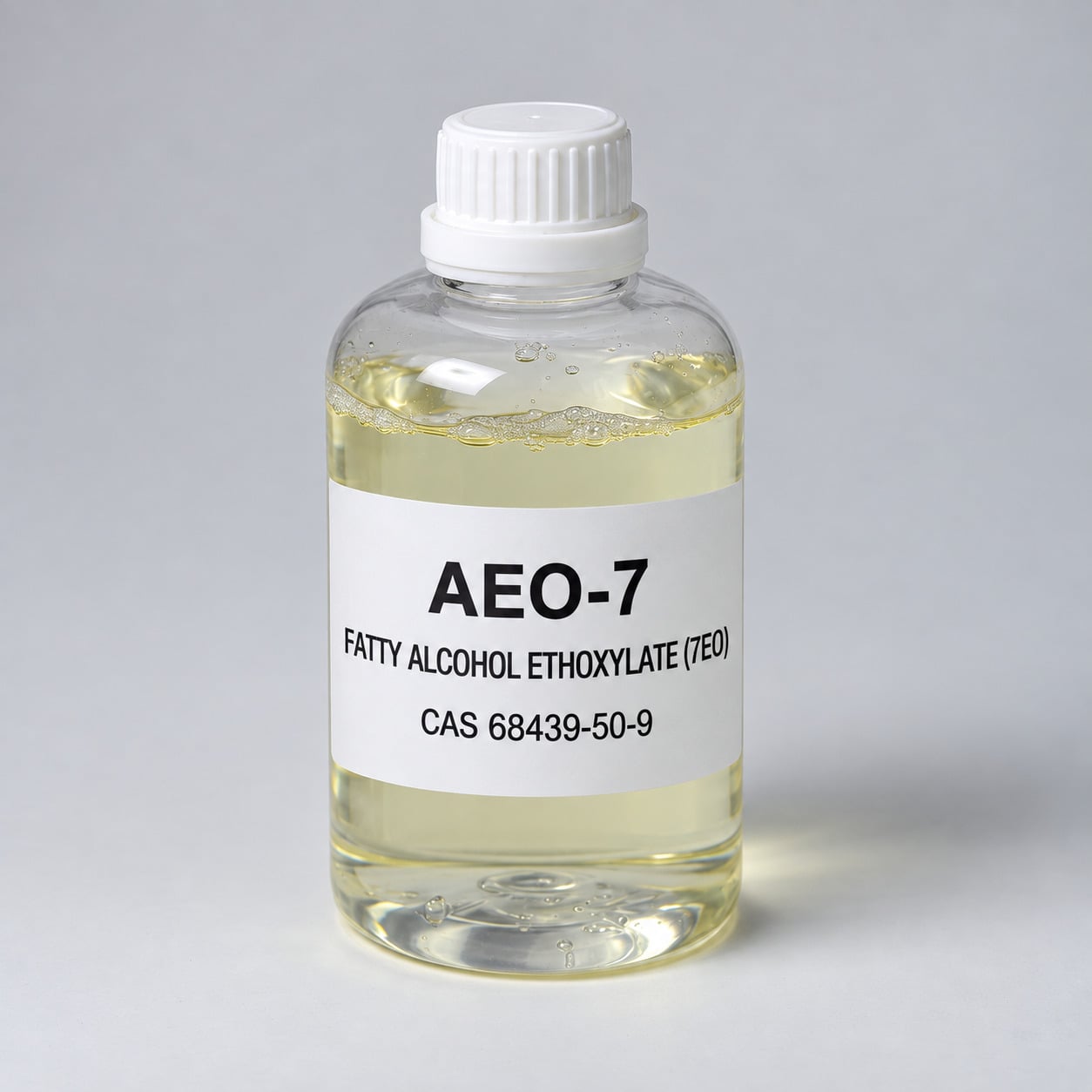
For nonionic cleaner formulations, compare C9-11 alcohol ethoxylate grades with isotridecyl alcohol ethoxylate and AEO-7. The alcohol-chain range, branching and nominal EO level differ; compare cloud-point values under the same test conditions and assess performance in the complete formulation before substitution.

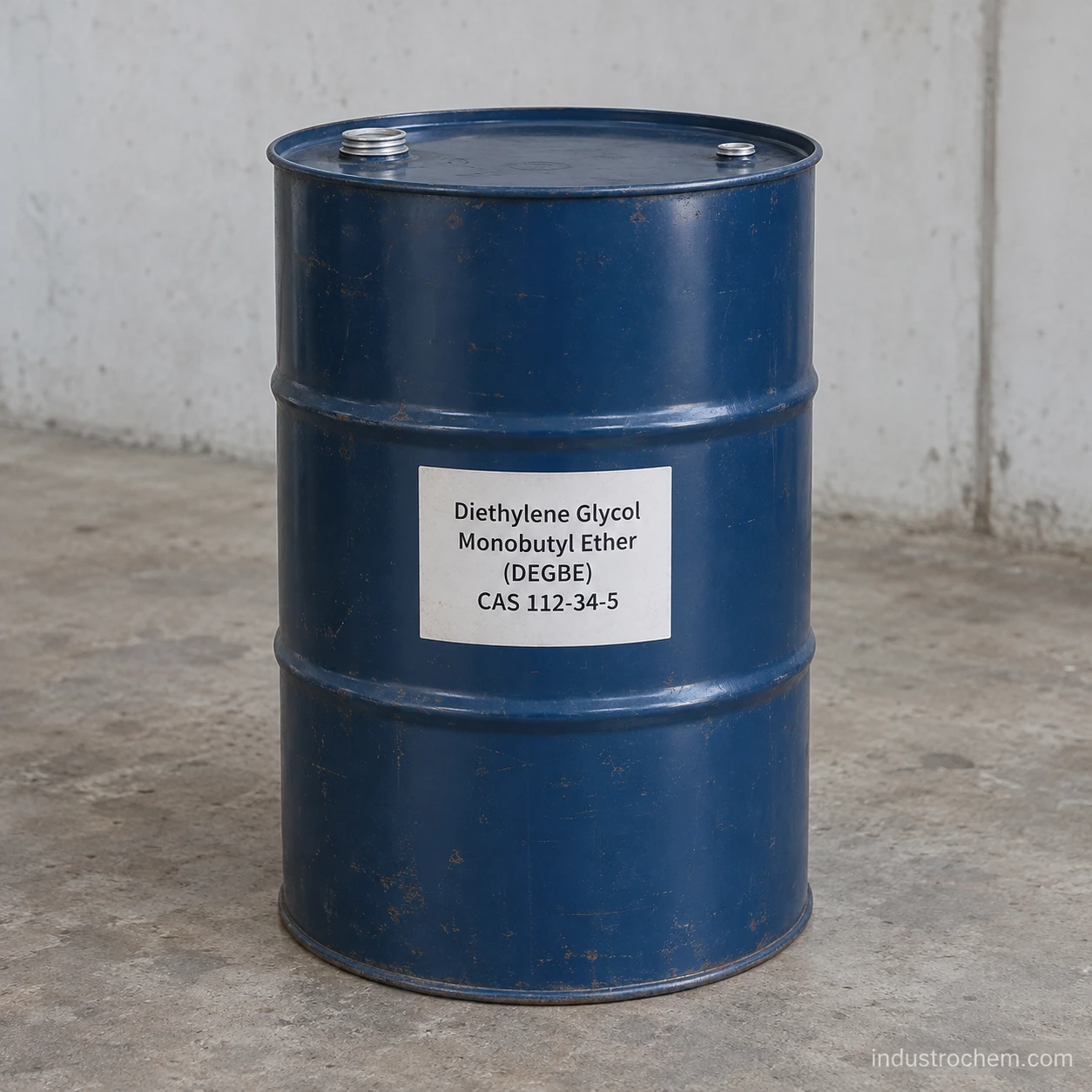
In aqueous cleaner formulations, sodium xylene sulfonate (SXS) can be evaluated as a hydrotrope, while diethylene glycol monobutyl ether (DEGBE) is a solvent option. These serve different roles from the nonionic surfactant. Select the blend by surfactant grade, builder system, dosage and working temperature, and assess clarity and cleaning performance in the complete formulation.

FAQ - Technical & Supply Chain

  • Q:

    What is C9-11 Alcohol Ethoxylate, and how is it identified?

    A: C9-11 Alcohol Ethoxylate is a nonionic surfactant family identified by CAS 68439-46-3 and ECHA List No. 614-482-0. Grades differ in nominal average EO and may have different physical forms and dilution levels. The CAS number does not define one fixed grade; use the average EO, active matter and cloud-point test conditions to match your application.
  • Q:

    Where is C9-11 Alcohol Ethoxylate mainly used?

    A: It is mainly used as a wetting, detergency, emulsification, and surface-tension-reducing component in household and industrial cleaners, hard-surface cleaners, textile processing, and nonionic surfactant formulations. It is a raw material for formulated products, not a finished cleaner. Confirm compatibility with the target system and required foaming or low-foam behavior.
  • Q:

    Which specifications should be checked before ordering?

    A: Confirm appearance, active matter or solid content, average moles of ethylene oxide, cloud point, pH, water content, color, and any residual alcohol or 1,4-dioxane data where relevant. Also request the batch analysis, technical data, and safety information, and confirm packaging, storage, and transport information for the selected grade.
  • Q:

    How should C9-11 Alcohol Ethoxylate be stored and handled?

    A: Store it in a cool, dry, well-ventilated area in tightly closed containers, away from strong oxidizers and extreme temperature. Use appropriate PPE and avoid prolonged skin contact. Confirm the offered package, net weight, lot traceability, and handling requirements before dispatch.

Ordering & Documentation

Key information for document requests, quotations, and supply planning.

Documents

Tell us which documents your procurement team needs. Before an order, we will check whether the quoted source can provide them for the offered lot.

Quotation

Send the CAS number, grade, quantity, packing preference and destination.

Sample & Supply

Ask whether samples, trial quantities or repeat orders are possible. We will check each request against the sourced product and current offer.

Storage & Shipping

Product-specific conditions are confirmed before order.

Contact Form

Use our contact form to send us your questions, suggestions or comments. We will respond as soon as possible.
For a quotation, please include the product name or CAS number, quantity, grade or application, and destination country or port. Tell us if you need a sample, COA, TDS or SDS.