Chemical products
  • Isotridecyl Alcohol Ethoxylate CAS 9043-30-5
  • Isotridecyl Alcohol Ethoxylate CAS 9043-30-5

Isotridecyl Alcohol Ethoxylate CAS 9043-30-5

Isotridecyl Alcohol Ethoxylate is a nonionic surfactant family produced from branched C13 alcohol and ethylene oxide. It is identified by CAS No. 9043-30-5 and EC No. 500-027-2 . The CAS number covers multiple ethoxylation levels, so it does not define one exact molecular formula or a specific TO grade. These materials are commonly evaluated for wetting, detergency, emulsification and degreasing in cleaning, textile and leather-processing systems. Buyers should specify nominal EO, hydroxyl value, cloud-point method, active matter and application performance before substitution.

  • CAS: 9043-30-5
  • Synonyms: Isotridecanol Ethoxylate, Polyoxyethylene Isotridecyl Ether, Ethoxylated Isotridecanol, Tridecyl Alcohol Ethoxylate, POE Isotridecyl Ether
  • Einecs: 500-027-2
  • Molecular Formula: RO-(CH₂CH₂O)ₙ-H (variable n)
  • Grade: Confirm the nominal EO or PO level, feedstock range, active matter, water, physical form and relevant analytical values against the current TDS and COA.
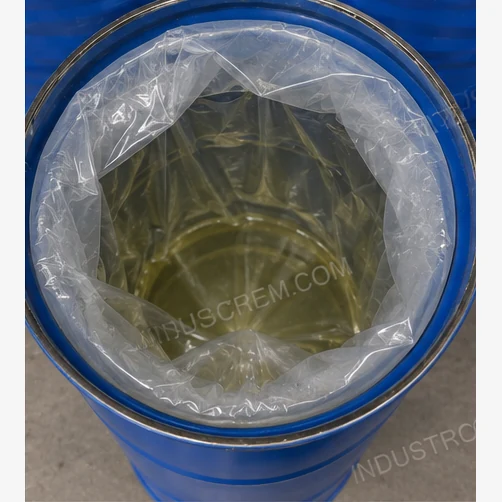
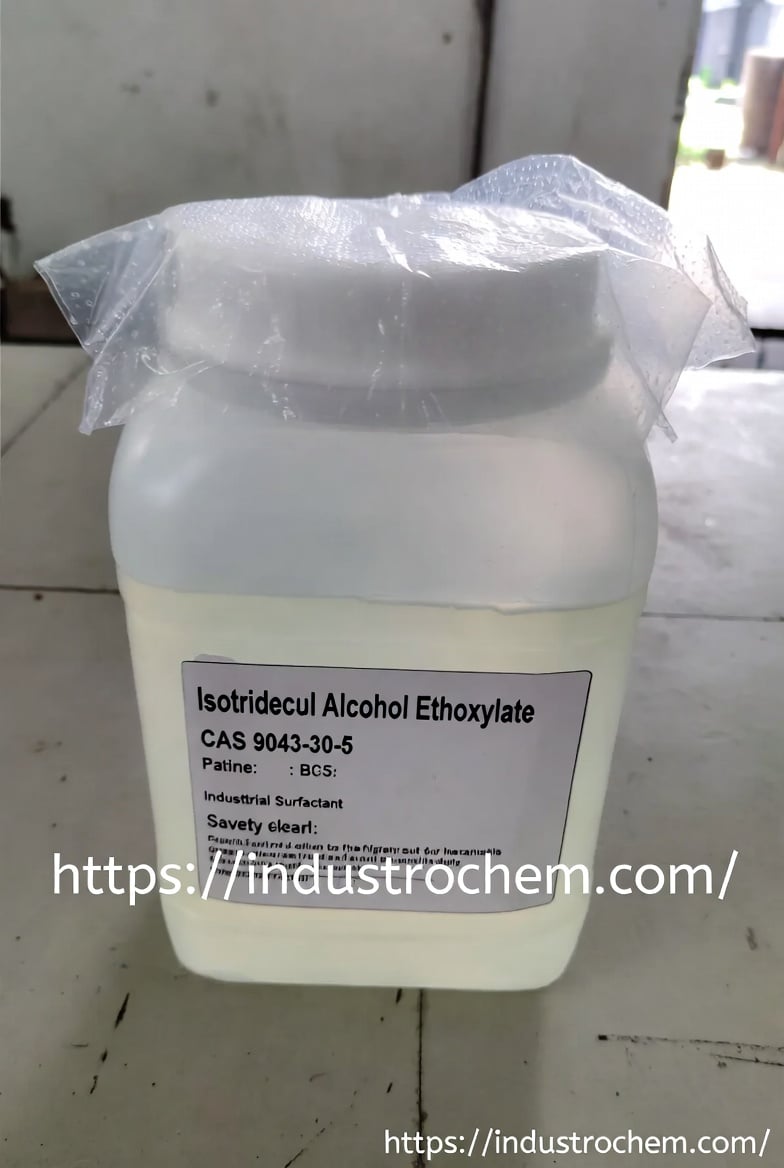
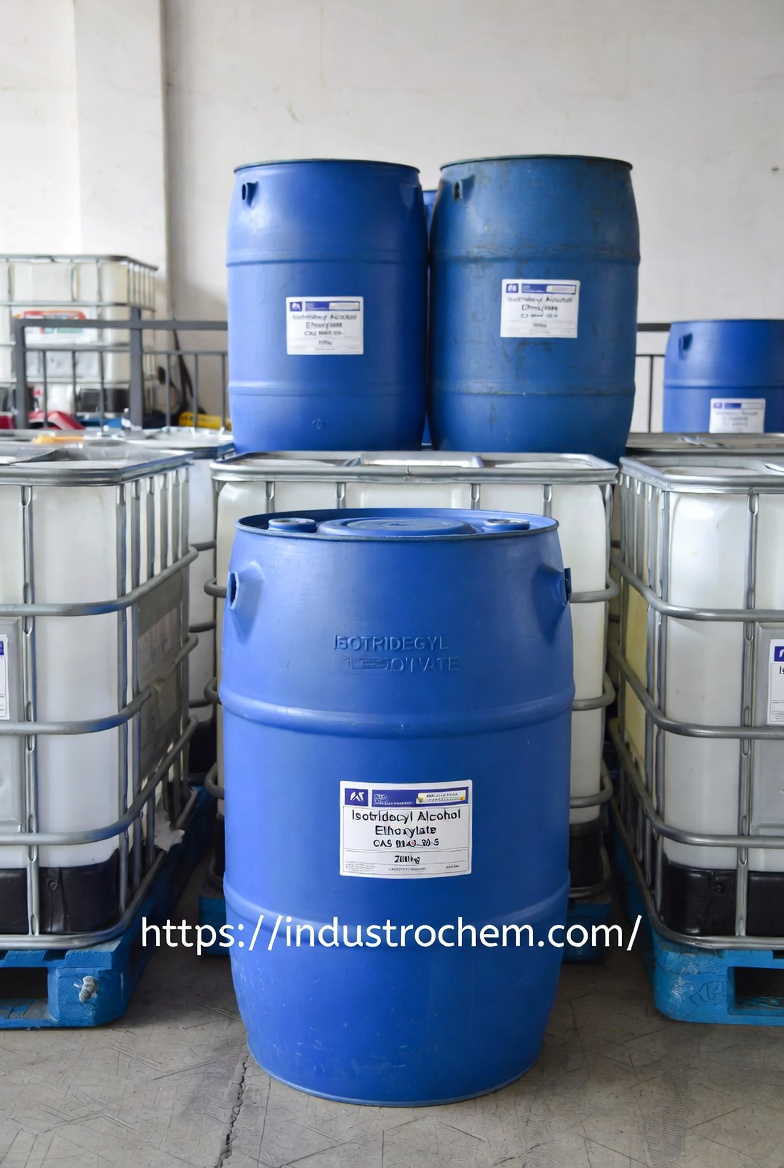
  • Package: State required quantity, physical form and destination; confirm the current bag or container, liner, net weight, temperature handling and transport requirements before quotation.
Request a quote
Share:

Product Description

Physicochemical profile

ItemTechnical guidance
Product identityIsotridecyl Alcohol Ethoxylate; a family of branched C13 alcohol ethoxylates
CAS / EC9043-30-5 / 500-027-2
CompositionNonionic homolog distribution; this CAS number does not define one specific TO grade or one exact EO level
Nominal formulaRO-(CH₂CH₂O)ₙ-H with variable n
Typical physical formLiquid, paste or waxy material depending on EO level, composition and temperature
Key quality controlsNominal EO, hydroxyl value, active matter, water, appearance, pH and cloud point using a stated test method

Application and grade selection

Isotridecyl Alcohol Ethoxylates are selected for wetting, detergency, emulsification and degreasing in industrial cleaning, textile, leather and process formulations. Performance changes substantially with EO level, so the generic CAS number is not sufficient for grade substitution.

  • Cleaning trials should compare wetting, foam, detergency, rinsing, hard-water tolerance and temperature response.
  • Textile and leather trials should verify substrate wetting, compatibility, extraction or scouring performance and finished-material quality.
  • Regulated or personal-care use requires a specifically documented grade and cannot be inferred from a generic industrial listing.

For related isotridecyl alcohol ethoxylate grades, see E-1307 and E-1309.

Storage and handling

Store in the original closed container in a dry, ventilated place away from excessive heat and strong oxidizers. Temperature may change viscosity or physical form; use only the supplier’s recommended conditioning and mixing procedure.

Safety and supply documentation

Do not assign one molecular weight, HLB, cloud point, flash point or biodegradability value to every grade under CAS 9043-30-5. Use exact-grade test data and the current SDS for handling, transport and disposal.

For quotation, identify the required nominal EO or reference grade, cloud-point method, application, performance criteria, quantity, destination, package and required COA, TDS and SDS.

FAQ - Technical & Supply Chain

  • Q:

    Does CAS 9043-30-5 define one exact ethoxylation level?

    A: No. It covers an isotridecyl-alcohol-ethoxylate family with different EO distributions. Buyers should specify nominal EO, hydroxyl value, cloud-point method, active matter and physical form to identify the required commercial grade.
  • Q:

    Is branched Isotridecyl Alcohol Ethoxylate always better than linear AEO?

    A: No universal superiority applies. Branching can change dynamic wetting, gelling, foam and oil affinity, while linear grades may behave differently in detergency or emulsification. Compare both candidates in the actual process.
  • Q:

    How should cloud behavior be compared under process conditions?

    A: Use the same concentration, water quality, electrolyte, pH and test method, then evaluate clarity, wetting, foam and stability across the operating temperature range. Salts and formulation ingredients can depress cloud point.
  • Q:

    What must be confirmed when sourcing an APEO-free isotridecyl alcohol ethoxylate?

    A: Obtain the required supplier declaration or analytical limit, then compare nominal EO, active matter, hydroxyl value, cloud point, water and performance. Provide application, reference COA, quantity, destination and package for qualification.

Ordering & Documentation

Key information for document requests, quotations, and supply planning.

Documents

COA, TDS, SDS/MSDS and packing details are available on request.

Quotation

Send the CAS number, grade, quantity, packing preference and destination.

Sample & Supply

Support is available for samples, trial orders, bulk and repeat supply.

Storage & Shipping

Product-specific conditions are confirmed before order.

Contact Form

Use our contact form to send us your questions, suggestions or comments. We will respond as soon as possible.