









Isotridecyl Alcohol Ethoxylate E-1309 (CAS 9043-30-5) is a branched C13 nonionic surfactant with a nominal average of about 9 EO units. It provides wetting, detergency and emulsification in industrial cleaning, textile processing and metal-cleaning formulations. Selection depends on active matter, hydroxyl value, cloud point under stated test conditions, and the physical form required for handling.
Isotridecyl Alcohol Ethoxylate E-1309 CAS 9043-30-5
- CAS: 9043-30-5
- Synonyms: Isotridecanol ethoxylate; Isotridecyl alcohol polyoxyethylene ether; Branched C13 alcohol ethoxylate; E-1309 nonionic surfactant
- Molecular Formula: C13H27O(C2H4O)nH; nominal average n≈9 (ethoxylate distribution)
- Grade: E-1309 nonionic surfactant; nominal average about 9 EO; active matter and test limits specified for the quoted grade
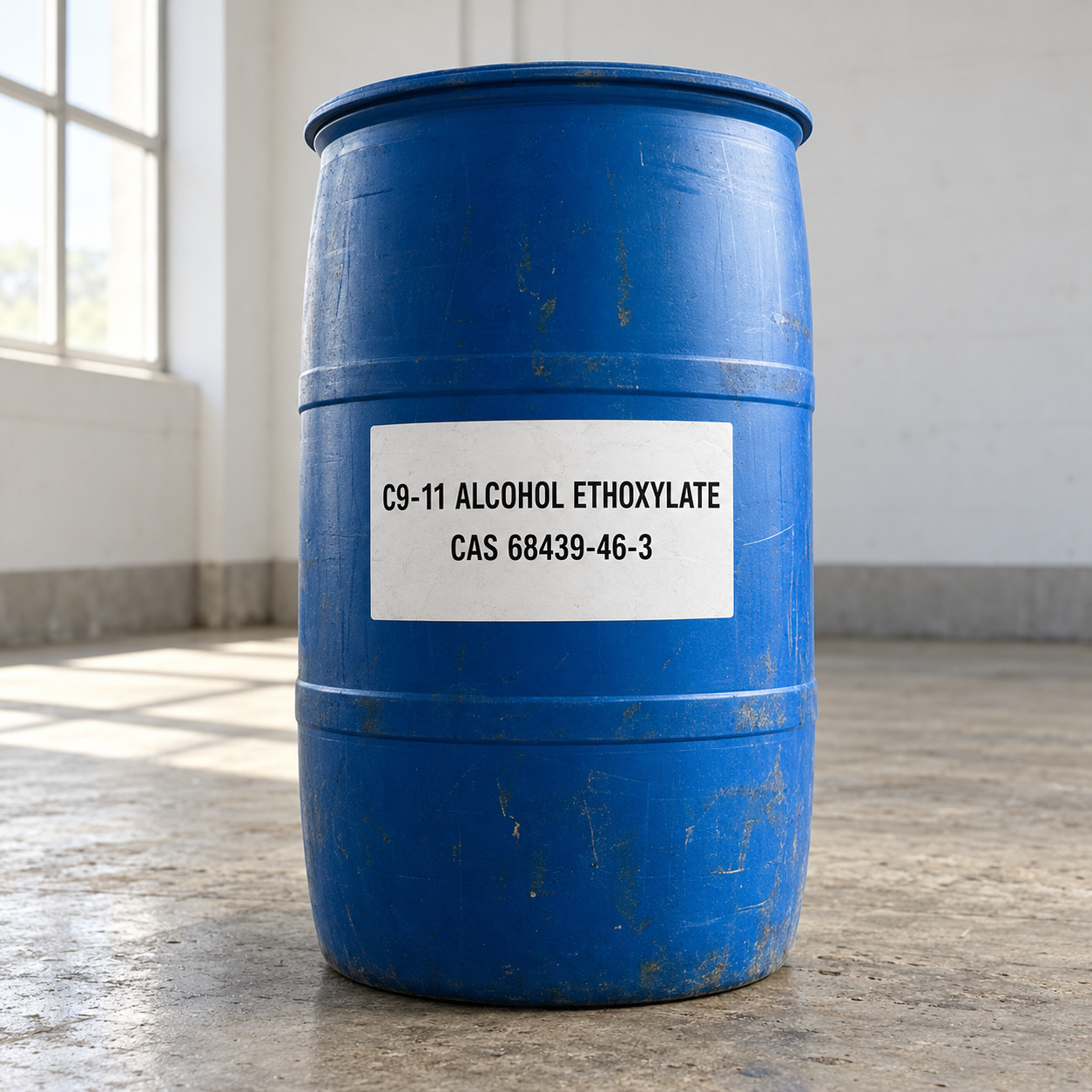
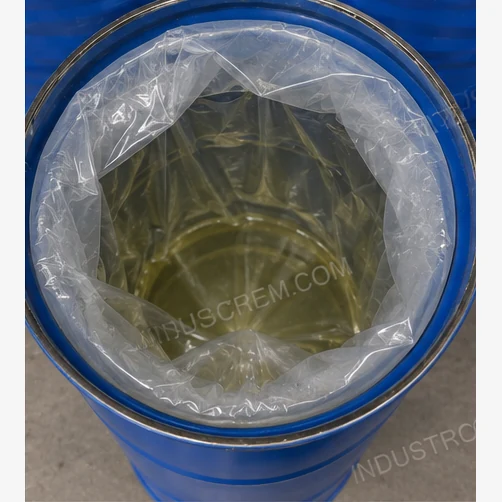
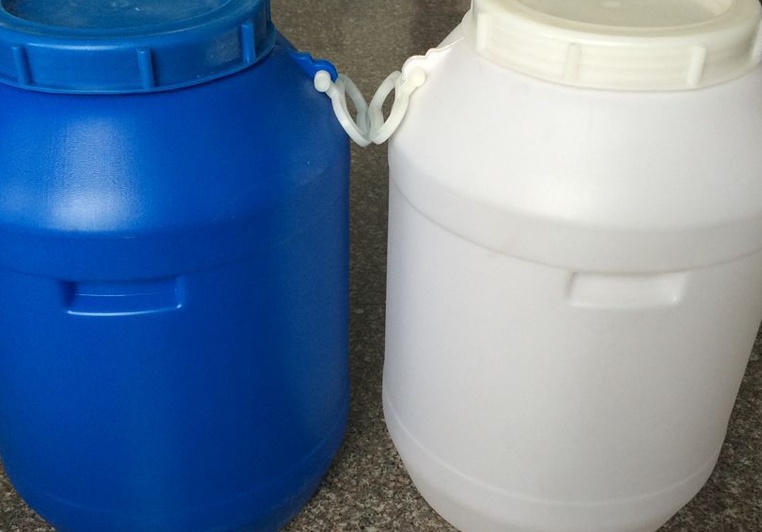
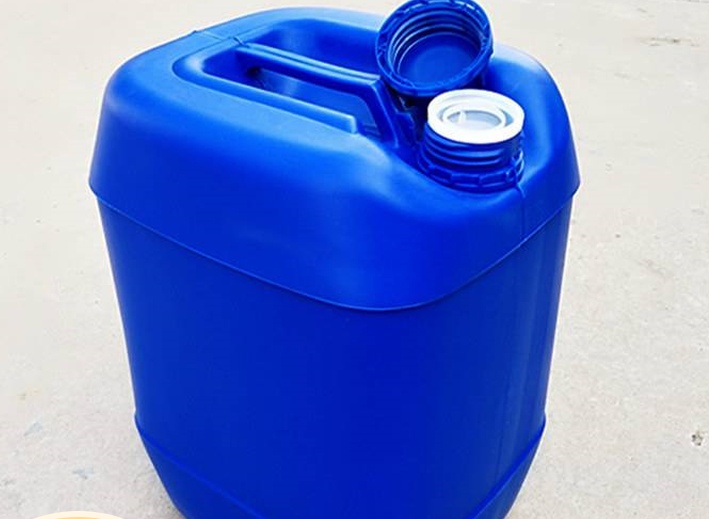
- Package: Compatible containers and net weight specified in the quotation; handling depends on grade and temperature
- EC / List number: 500-027-2 (legacy EC/NLP family identifier)
Product Description
Product overview
E-1309 contains a distribution of ethoxylate-chain lengths around an average of about nine EO units. Its branched C13 alcohol portion distinguishes it from lauryl-based and shorter-chain alcohol ethoxylates. The EO average, distribution and supplied concentration describe different aspects of the commercial grade; one fixed molecular formula does not describe the whole product.
Technical information
| Product | Isotridecyl Alcohol Ethoxylate E-1309 CAS 9043-30-5 |
|---|---|
| CAS number | 9043-30-5 |
| EC / list number | 500-027-2 (legacy EC/NLP family identifier) |
| Molecular formula / identity | C13H27O(C2H4O)nH; nominal average n≈9 (ethoxylate distribution) |
| Synonyms | Isotridecanol ethoxylate; Isotridecyl alcohol polyoxyethylene ether; Branched C13 alcohol ethoxylate; E-1309 nonionic surfactant |
| Grade | E-1309 nonionic surfactant; nominal average about 9 EO; active matter and test limits specified for the quoted grade |
| Packaging | Compatible containers and net weight specified in the quotation; handling depends on grade and temperature |
Quality control and analytical methods
Cloud point is reported in °C together with the test method, surfactant concentration and medium, including any salt or solvent. Hydroxyl value, reported in mg KOH/g, is a useful grade control but does not establish the complete EO distribution. Active matter and water content have separate reporting bases. Water can be measured by a Karl Fischer method suitable for the surfactant matrix, while pH results specify the test-solution concentration, medium and temperature.
Residual ethylene oxide and 1,4-dioxane are relevant trace controls for ethoxylated surfactants. Where these limits form part of the agreed grade, GC test data and chromatograms can be provided, with the analytes, method, concentration units and quantification limit identified. Headspace GC-MS is an applicable analytical approach when validated for the sample matrix. These trace measurements do not represent the purity of one 9EO molecule.
Comparison with other alcohol ethoxylates
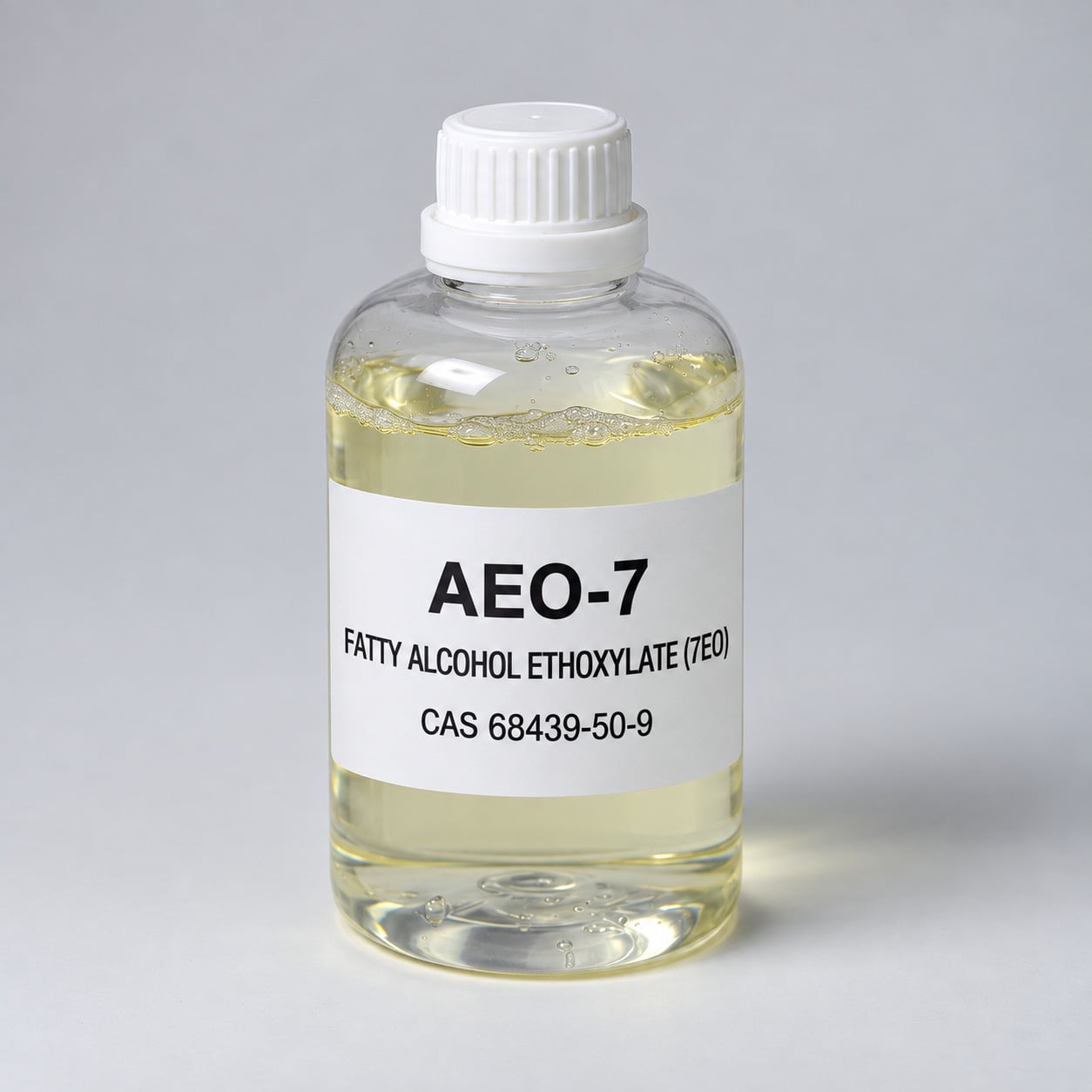
For cleaning and wetting formulations, AEO-7 and Laureth-4 offer lower nominal EO levels with a different alcohol-chain profile. Their wetting, emulsification, foam and phase behaviour should be compared in the intended formulation; they are not direct equivalents of E-1309.
AEO-9 / MOA-9 has a similar nominal EO average but a lauryl-based alcohol portion. C9-11 alcohol ethoxylate provides a shorter-chain comparison, with its EO level defined by the selected grade. Matching an EO number alone does not establish identical performance or interchangeability.
Handling and documentation
Concentrated alcohol ethoxylates can haze, thicken or solidify in cooler conditions. Physical form and any warming or homogenization instructions are grade-dependent. Keep containers closed and follow the product SDS for storage, transfer and protective measures. The quotation states compatible packing and net weight.
We can provide the Certificate of Analysis (COA), Technical Data Sheet (TDS), Safety Data Sheet (SDS) and applicable quality-test information for E-1309. For a bulk quotation, send the required quantity, application or reference grade, and destination. Active matter, test methods and agreed limits are specified for the quoted grade.
FAQ - Technical & Supply Chain
-
Q:
What does the 9EO designation mean for E-1309?
A: It denotes a nominal average of about nine ethylene-oxide units per isotridecyl alcohol molecule. The commercial grade contains a distribution of ethoxylate-chain lengths, so the EO designation describes an average rather than one fixed molecule. -
Q:
Can another isotridecyl alcohol ethoxylate with CAS 9043-30-5 replace E-1309 directly?
A: Grades sharing this CAS number can differ in nominal EO level, EO distribution, active matter and physical form. Even two 9EO grades need matching quality controls and a formulation trial to compare wetting, emulsification, foam and phase behaviour. -
Q:
Why can two E-1309 data sheets show different cloud points?
A: Cloud point depends on the test method, surfactant concentration and medium, including any salt or solvent. Compare results measured under the same conditions and active-matter basis. The TDS identifies the method and range for the quoted grade; the COA reports the agreed batch controls.
Ordering & Documentation
Key information for document requests, quotations, and supply planning.
Documents
Tell us which documents your procurement team needs. Before an order, we will check whether the quoted source can provide them for the offered lot.
Quotation
Send the CAS number, grade, quantity, packing preference and destination.
Sample & Supply
Ask whether samples, trial quantities or repeat orders are possible. We will check each request against the sourced product and current offer.
Storage & Shipping
Product-specific conditions are confirmed before order.