Chemical products
  • Phthalic Anhydride CAS 85-44-9

Phthalic Anhydride CAS 85-44-9

Phthalic Anhydride is positioned in industrial supply as a key aromatic intermediate used in large-scale chemical manufacturing, especially in the production of phthalate plasticizers such as Dioctyl Phthalate (DOP), alkyd resins, unsaturated polyester resins, and dye intermediates. It is one of the core building blocks in aromatic acid chemistry due to its high reactivity toward alcohols and glycols.

In commercial supply, it is typically handled as a solid flake or molten-solidified product depending on logistics and storage conditions. It is mainly used as a feedstock for downstream chemical synthesis rather than a direct formulation ingredient. Standard export packaging and bulk supply arrangements are available, with supporting documents such as COA, TDS, and SDS provided for industrial procurement and compliance needs.

  • CAS: 85-44-9
  • Synonyms: 1,2-Benzenedicarboxylic anhydride; PA
  • Einecs: 201-607-5
  • Molecular Formula: C₈H₄O₃
  • Grade: Industrial grade
  • Package: Available in standard export packaging; packaging format arranged according to bulk handling and transportation requirements
Request a quote
Share:

Product Description

Physicochemical Properties

ItemDescription
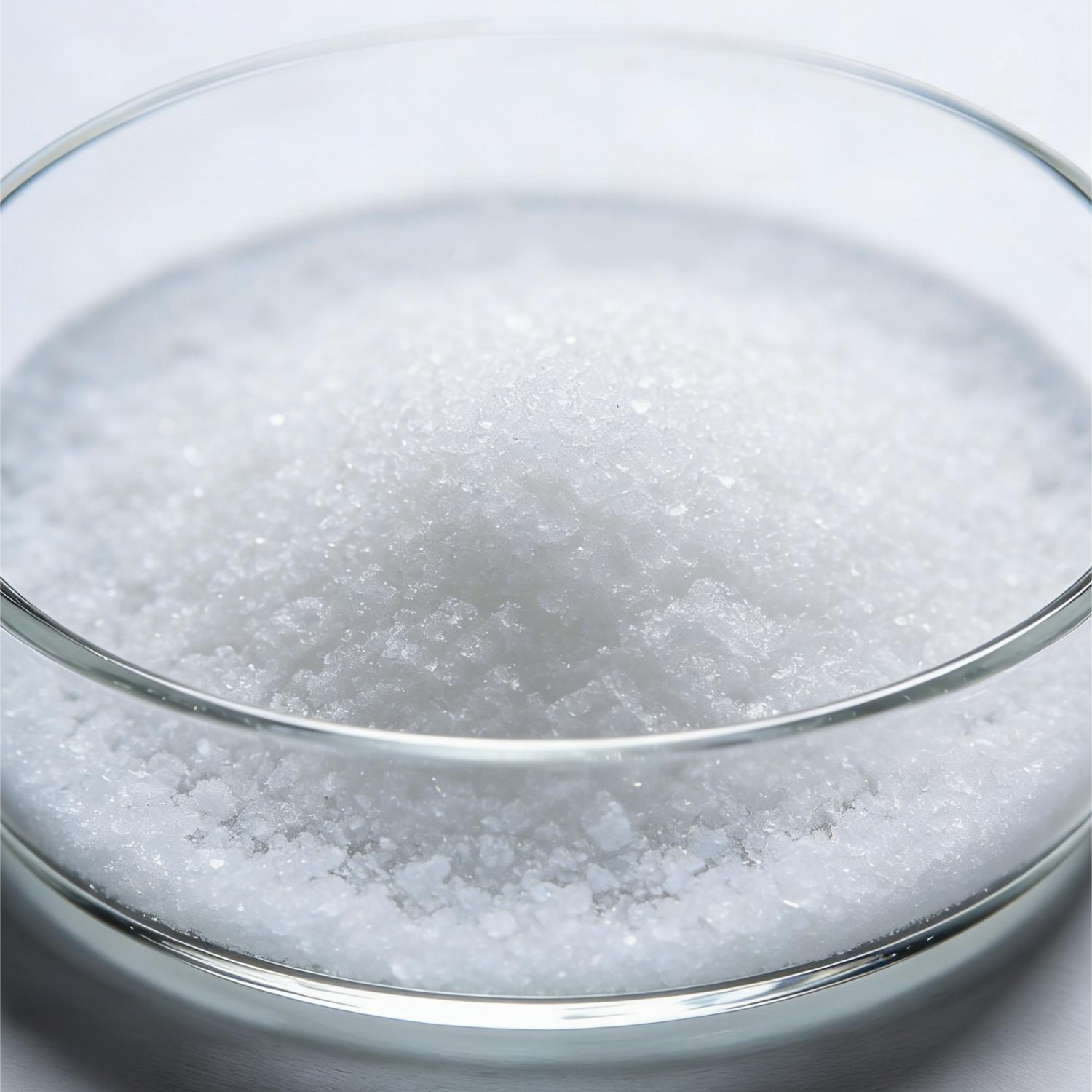
AppearanceWhite crystalline flakes or solid
OdorStrong, characteristic irritating odor
Melting PointApprox. 131–133°C
Boiling PointApprox. 284°C (decomposition possible)
SolubilityReacts with water (hydrolysis); soluble in hot organic solvents
DensityApprox. 1.5 g/cm³
Vapor PressureLow at ambient temperature
ReactivityHighly reactive cyclic anhydride; hydrolyzes to phthalic acid in presence of moisture

Typical Applications

  • Plasticizer production: Key raw material for phthalate esters used in PVC flexibility modification.
  • Alkyd resins: Used in coating and paint resin synthesis as an aromatic acid component.
  • Unsaturated polyester resins: Contributes to resin backbone structure in composite materials.
  • Dye and pigment intermediates: Used in the synthesis of various aromatic derivatives.

Application suitability should be evaluated based on formulation design and regulatory requirements in the target market.

For related anhydride intermediate pages, compare Trimellitic Anhydride, Maleic Anhydride, and Methyltetrahydrophthalic Anhydride.

Packaging

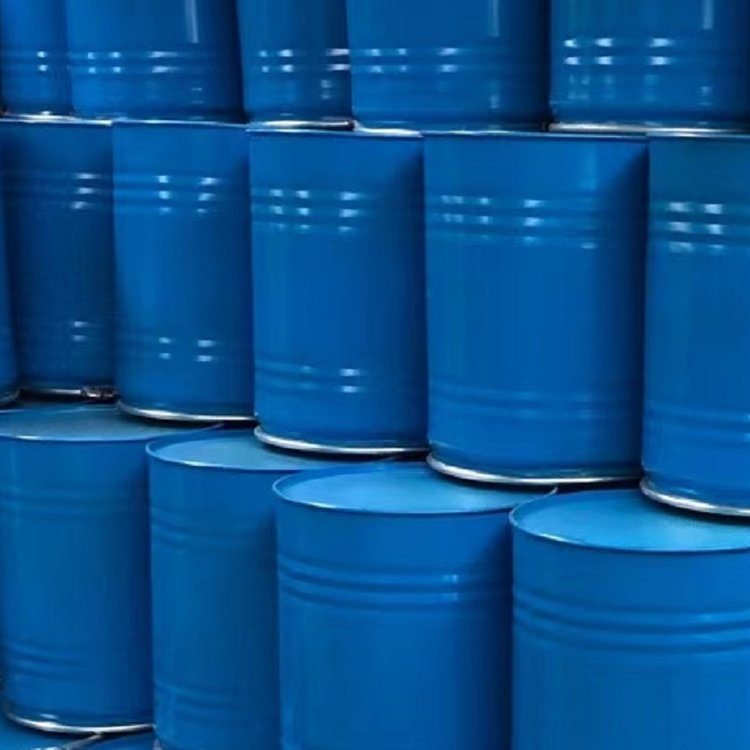
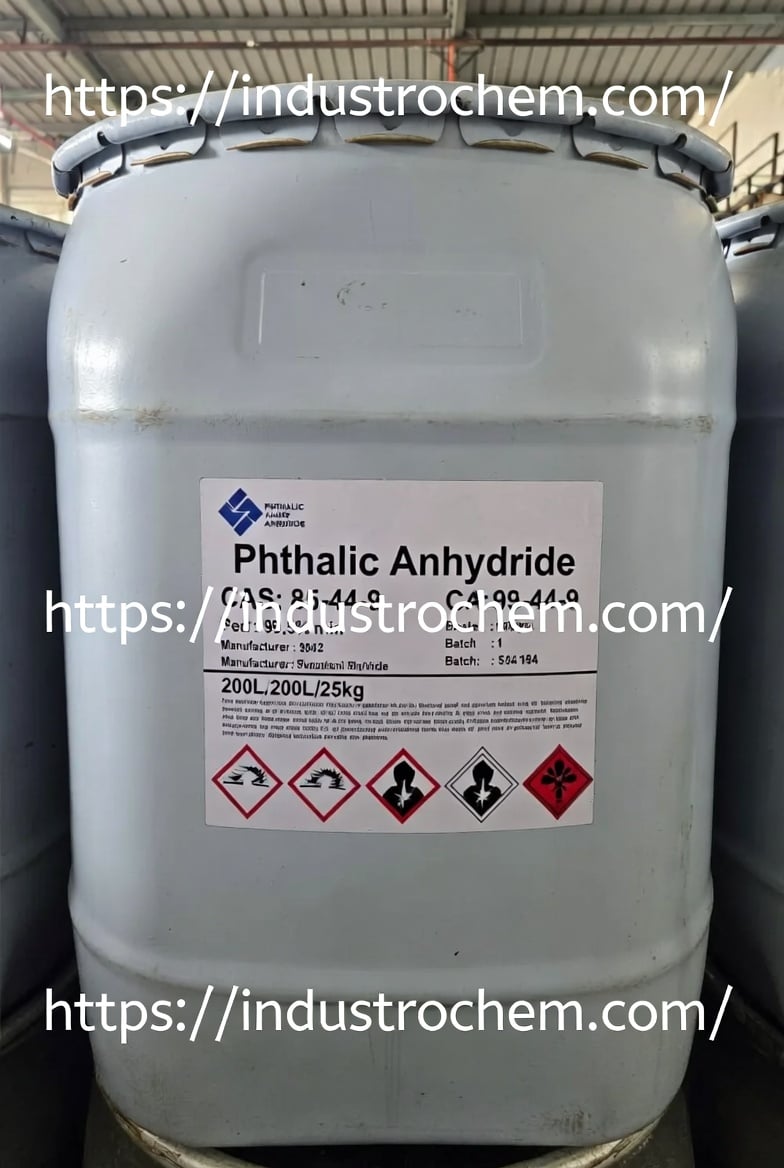
Phthalic Anhydride is supplied as a solid product and packed in moisture-protected, sealed packaging to ensure stability during storage and transport. Common packaging formats include multi-layer bags or lined containers suitable for industrial chemical handling.

Packaging is designed to minimize exposure to moisture due to its reactive nature. Bulk and palletized shipment options can be arranged depending on order volume and logistics needs.

Storage

Store in a cool, dry, and well-ventilated area. Keep containers tightly closed and protected from moisture, as the product readily reacts with water.

Avoid exposure to humid environments and incompatible substances during storage and handling.

FAQ - Technical & Supply Chain

  • Q:

    What is Phthalic Anhydride CAS 85-44-9?

    A: Phthalic Anhydride, also called 1,2-benzenedicarboxylic anhydride or PA, is a cyclic anhydride with the molecular formula C8H4O3 and molecular weight 148.12 g/mol. It is normally supplied as white crystalline flakes, needles, or solid material with an assay of about 99.0-99.8% in industrial grade.
  • Q:

    What are the main industrial uses of Phthalic Anhydride?

    A: Phthalic Anhydride is a key intermediate for phthalate plasticizers used in flexible PVC, and is also used to make alkyd resins, unsaturated polyester resins, and dye or pigment intermediates. Its aromatic anhydride structure provides both reactivity and rigid backbone character in these applications.
  • Q:

    How does Phthalic Anhydride behave in water or moist air?

    A: The anhydride ring hydrolyzes to phthalic acid on contact with water, and the reaction is faster in hot water or humid conditions. Because moisture changes its chemical form, sealed packaging and low-humidity handling are important throughout storage and transport.
  • Q:

    Is Phthalic Anhydride the same as phthalic acid?

    A: No, they are related but not the same material. Phthalic Anhydride CAS 85-44-9 is the cyclic anhydride, while phthalic acid CAS 88-99-3 is the dicarboxylic acid formed by hydrolysis; under suitable dehydration conditions the anhydride can be reformed.
  • Q:

    What melting and boiling behavior should formulators expect?

    A: Phthalic Anhydride typically melts around 131 C and boils or sublimes around 284-295 C depending on heating conditions. These thermal properties are useful for resin cooking, esterification, and processes that require the anhydride to be handled as a melt or vapor.
  • Q:

    How should Phthalic Anhydride be stored?

    A: Store it in tightly closed, moisture-resistant containers in a cool, dry, well-ventilated area, away from water, steam, and incompatible reactive substances. Keeping the flakes or solid dry preserves chemical identity and minimizes caking or partial hydrolysis.

Ordering & Documentation

Key information for document requests, quotations, and supply planning.

Documents

COA, TDS, SDS/MSDS and packing details are available on request.

Quotation

Send the CAS number, grade, quantity, packing preference and destination.

Sample & Supply

Support is available for samples, trial orders, bulk and repeat supply.

Storage & Shipping

Product-specific conditions are confirmed before order.

Contact Form

Use our contact form to send us your questions, suggestions or comments. We will respond as soon as possible.