









Chemical products
  • Maleic Anhydride CAS 108-31-6

Maleic Anhydride CAS 108-31-6

Maleic Anhydride (MA), CAS 108-31-6, is a cyclic dicarboxylic anhydride used mainly for unsaturated polyester resins. Confirm the required purity, physical form and handling requirements for the intended process.

  • CAS: 108-31-6
  • Synonyms: cis-Butenedioic anhydride, 2,5-Furandione, Toxilic anhydride, MA, Maleic acid anhydride
  • Einecs: 203-571-6
  • Molecular Formula: C₄H₂O₃
  • Grade: Industrial grade 99%
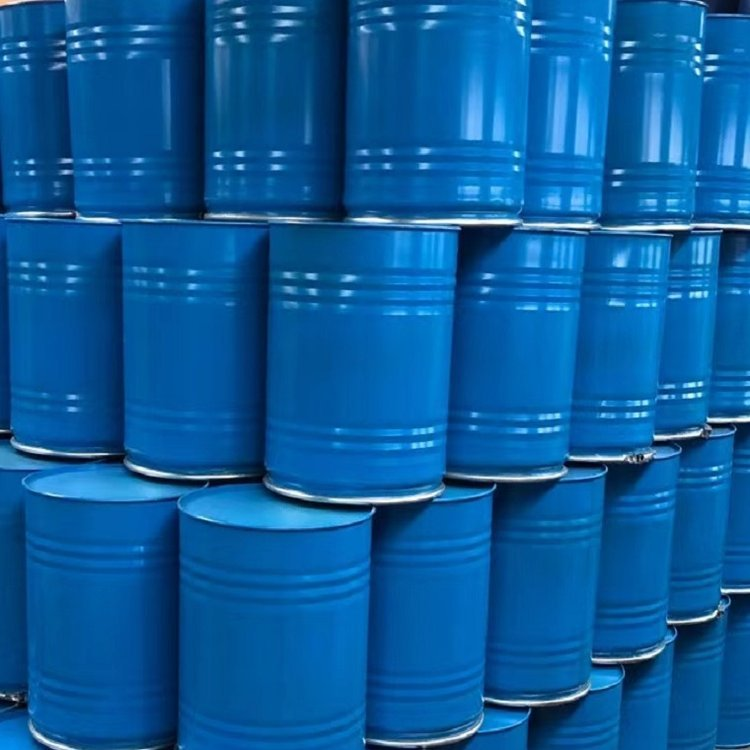
  • Package: 200kg iron drum or 50kg plastic drum packing
Request a quote
Share:

Product Description

Maleic Anhydride (MA), CAS 108-31-6, is a cyclic dicarboxylic anhydride also named 2,5-furandione or cis-butenedioic anhydride; the EC/EINECS number is 203-571-6.

Synonyms: cis-Butenedioic anhydride; 2,5-Furandione; Toxilic anhydride; MA; Maleic acid anhydride.

CAS: 108-31-6.

Molecular formula: C₄H₂O₃.

Molecular weight: 98.06.

EC number: 203-571-6.

It is a white crystalline solid that can be supplied as flakes, pellets, briquettes or molten material; it hydrolyzes in contact with water to form maleic acid.

Typical properties include melting point about 52.8 °C, boiling point about 202.2 °C, flash point about 110 °C (open cup), and relative density about 1.48. It is soluble in alcohols and many organic solvents.

It is widely used as the primary feedstock for unsaturated polyester resins, alkyd resins, fumaric and maleic acid derivatives, and specialty copolymers.

It is also used in lubricant additives, agricultural intermediates such as malathion, paper chemicals and water-treatment polymers, where esterification, amidation and addition reactions apply.

Confirm assay, color, physical form, free maleic acid, ash and related impurities; the preferred form (flakes, pellets, briquettes or molten) should match the receiving and processing system.

Keep maleic anhydride dry; it is corrosive and can produce dust or vapor. Store in tightly closed containers in a cool, dry, ventilated area away from moisture, heat, sparks, open flames and strong oxidizers, and use dust or vapor controls and chemical-resistant PPE.

Confirm the current product-specific specification.

Confirm packaging with the requested quantity and destination requirements.

Document requirements should be confirmed from the current specification, SDS, COA, or other product-specific files.

Regulated-use suitability must be confirmed separately with current product-specific documentation.

The page is an RFQ entry point and does not state stock, price, MOQ, or fixed lead time.

For an RFQ, state the intended use, required specification, quantity, packaging, destination, and document needs.

FAQ - Technical & Supply Chain

  • Q:

    What is Maleic Anhydride and how is it identified?

    A: Maleic anhydride has CAS 108-31-6, molecular formula C₄H₂O₃ and molecular weight 98.06. It is also called 2,5-furandione, toxilic anhydride or cis-butenedioic anhydride.
  • Q:

    What is Maleic Anhydride used for?

    A: Maleic anhydride is used to produce unsaturated polyester resins, alkyd resins, fumaric and maleic acid derivatives, lubricant additives, agricultural intermediates and specialty copolymers. Its anhydride group supports esterification, amidation and addition reactions.
  • Q:

    Which specifications should be confirmed when purchasing Maleic Anhydride?

    A: Confirm assay, color, physical form, free maleic acid, ash and related impurities. The product may be supplied as flakes, pellets, briquettes or molten material, so the preferred form should match the receiving and processing system.
  • Q:

    Why is moisture control important for Maleic Anhydride?

    A: Maleic anhydride hydrolyzes in contact with water to form maleic acid, which can reduce purity and change downstream reactivity. Keep the material dry and use closed packaging where moisture exclusion is required.
  • Q:

    How should Maleic Anhydride be stored and handled?

    A: Store maleic anhydride in tightly closed containers in a cool, dry, ventilated area away from moisture, heat, sparks, open flames and strong oxidizers. It can be corrosive and may produce dust or vapor, so use dust or vapor controls and chemical-resistant PPE.

Ordering & Documentation

Key information for document requests, quotations, and supply planning.

Documents

COA, TDS, SDS/MSDS and packing details are available on request.

Quotation

Send the CAS number, grade, quantity, packing preference and destination.

Sample & Supply

Support is available for samples, trial orders, bulk and repeat supply.

Storage & Shipping

Product-specific conditions are confirmed before order.

Contact Form

Use our contact form to send us your questions, suggestions or comments. We will respond as soon as possible.