1,2-Dichloroethane is a chlorinated hydrocarbon and essential chemical feedstock utilized primarily as the precursor for vinyl chloride monomer (VCM) production. Widely recognized in the chemical sector as Ethylene dichloride or EDC, this clear, volatile liquid serves as a fundamental building block in the manufacturing of polyvinyl chloride (PVC) resins and as a scavenger in specific organic synthesis processes. We offer this high-volume industrial intermediate with competitive factory pricing to support continuous petrochemical operations. Our logistics framework ensures reliable bulk supply availability and customized specifications, fully accompanied by MSDS, TDS, COA documentation for strict safety handling and compliance.
1,2-Dichloroethane CAS 107-06-2
- CAS: 107-06-2
- Synonyms: Ethylene dichloride, EDC, Ethylene chloride, Glycol dichloride, 1,2-Ethylene dichloride
- Einecs: 203-458-1
- Molecular Formula: C2H4Cl2
- Grade: Industrial grade 99%
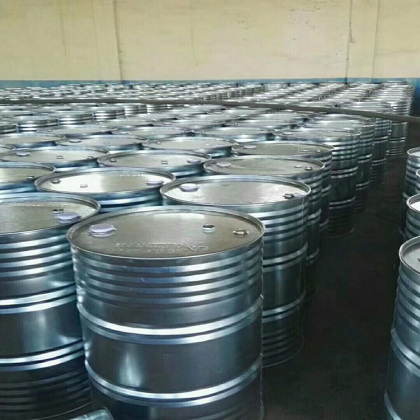
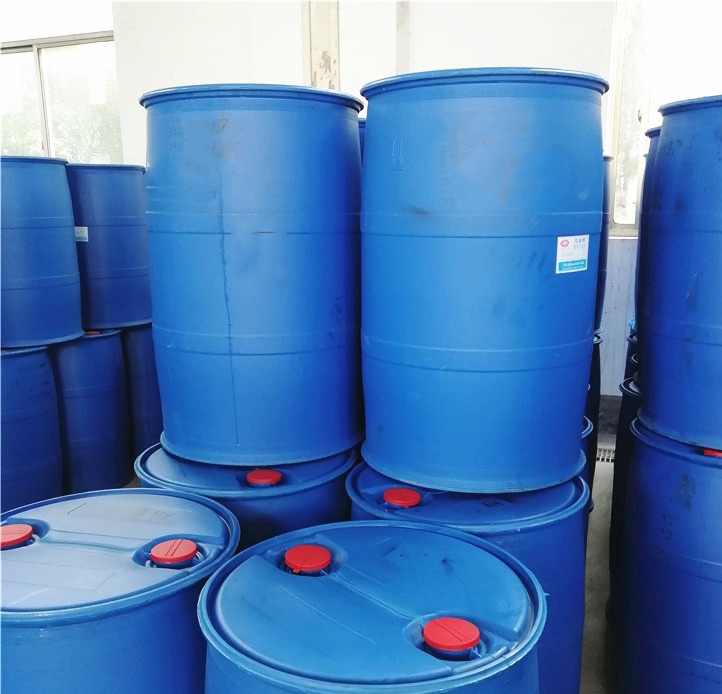
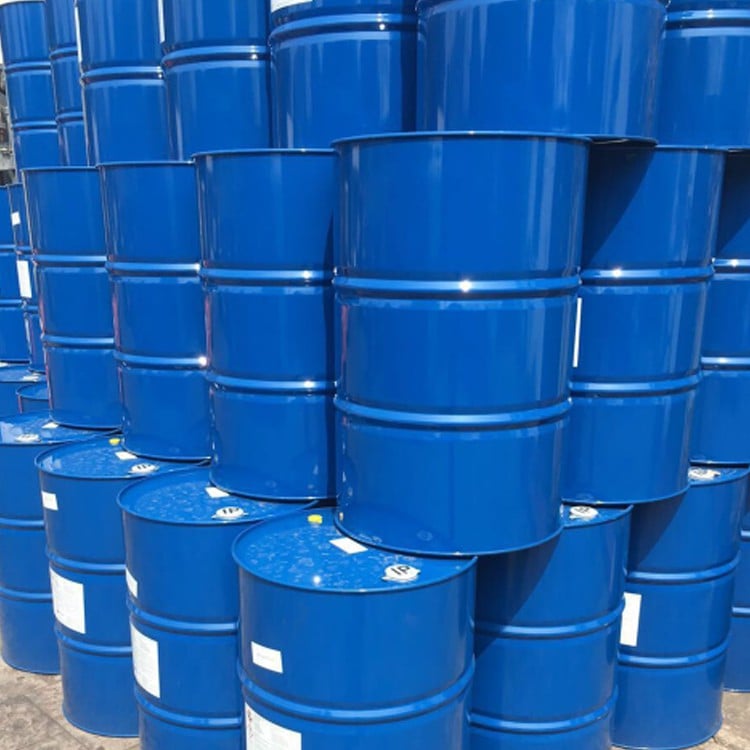
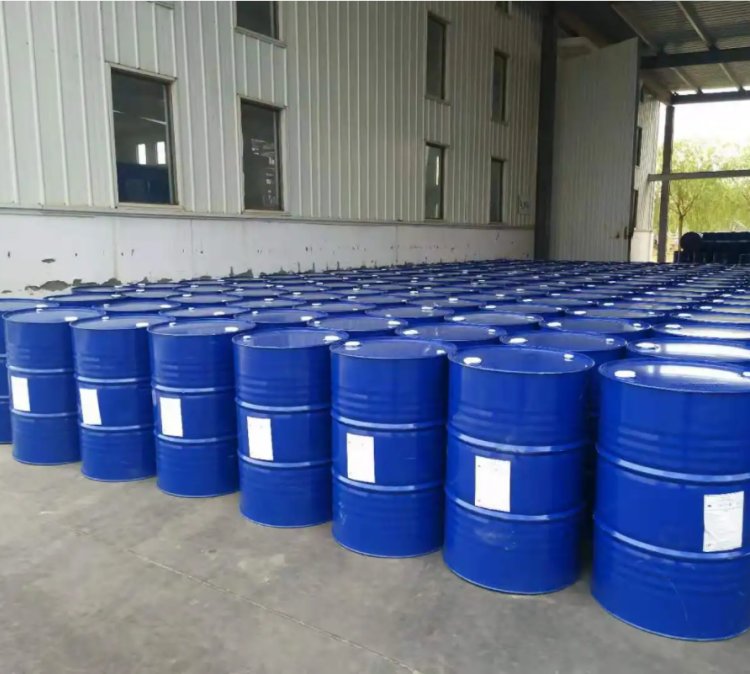
- Package: 200kg iron drum or 50kg plastic drum packing
Product Description
1. Basic product information
Dichloroethane content: 99.9%
Packing: 250kg/drum
National Standard Number: 3203
aliases: ethylene dichloride, ethylene dichloride, ethylene dichloride
CAS No 107-06-2
Molecular formula: C2H4Cl2; Cl(CH2)2Cl
Molecular Weight: 98.97
Melting point -35.7°C
Boiling point 83.5°C
Flash point 17°C
Relative density: 1.2529
Critical density: 0.44g/mol
Appearance and properties: colorless or light yellow transparent liquid, odorous. Sweet taste. It can slowly decompose into acidity and darken in color.
2. Main uses of products:
Used as a solvent and in the manufacture of trichloroethane, an intermediate for trichloroethane. It is used as a solvent for waxes, fats, rubber, etc. and as a grain insecticide.
Dichloroethane is an organic solvent widely used in industry, mainly used in the production of binders, solvents and chlorinated hydrocarbons, and also as a fumigant in grains and grain silos. Widely used, caused by occupational poisoning incidents
FAQ - Technical & Supply Chain
-
Q:
Does 1,2-Dichloroethane correspond to the symmetrical Ethylene Dichloride isomer or the 1,1-isomer?
A: 1,2-Dichloroethane is verified under CAS 107-06-2 as the symmetrical isomer (Ethylene Dichloride) with chlorines on adjacent carbons, distinguishing it from 1,1-Dichloroethane (Ethylidene Chloride) to ensure correct reactivity for cracking processes. -
Q:
What is the primary industrial function of 1,2-Dichloroethane in the petrochemical sector?
A: 1,2-Dichloroethane is typically applied as the vital reactant intermediate for thermal cracking to produce vinyl chloride monomer (VCM), which is subsequently polymerized into PVC plastics.
Documents and Product Support
For product review and sourcing evaluation, supporting documents can be coordinated according to the product type, inquiry stage, and order requirements.
- COA for batch-based quality reference
- TDS for key physical and chemical information
- SDS / MSDS for handling, storage, and safety reference
- Packing information for sample, trial, and bulk orders
- Technical communication based on application and specification requirements
Information to Confirm Before Quotation
Clear sourcing information helps reduce specification mismatch and allows a more accurate quotation before sample or bulk order discussion.
- Product name and CAS number
- Application or intended end use
- Required purity, grade, or specification
- Sample quantity, trial order, or bulk demand
- Preferred packing form or net weight
- Destination country or port
- Required documents or compliance expectations
Packaging, Storage, and Handling Notes
Packaging form, storage conditions, shelf life, and shipment arrangements should be confirmed according to the product characteristics, package size, and destination requirements.
Before order confirmation, buyers are advised to review the corresponding product documents and confirm whether any special storage, labeling, or handling requirements apply.
Sample, Bulk Order and Repeat Supply Support
Support can be arranged for sample discussion, bulk supply planning, packaging confirmation, and routine sourcing communication based on the actual product and order requirements.
For repeat-use formulations or long-term procurement plans, buyers may discuss specification consistency, packaging preferences, delivery expectations, and document coordination in advance.