3-Hydroxy-2-Naphthoic Acid, widely known in the industry as BON Acid or Beta-Oxynaphthoic Acid, is a crucial aromatic intermediate utilized primarily in the synthesis of azo pigments and dyes. Verified under CAS 92-70-6, this light yellow crystalline powder acts as the coupling component for producing high-performance red pigments (such as Pigment Red 48 and 57) widely used in inks, plastics, and paints. We offer this 99% industrial-grade coupling agent with competitive factory pricing to support the colorant and textile industries. Our supply chain ensures reliable bulk supply availability and customized specifications, fully accompanied by MSDS, TDS, COA documentation for strict safety handling and compliance.
3-Hydroxy-2-Naphthoic Acid (BON Acid) CAS 92-70-6
- CAS: 92-70-6
- Synonyms: BON Acid, Beta-Oxynaphthoic Acid, 3-Hydroxynaphthalene-2-carboxylic acid, 2-Hydroxy-3-naphthoic acid, BONA
- Einecs: 202-180-8
- Molecular Formula: C11H8O3
- Grade: Industrial grade 99%
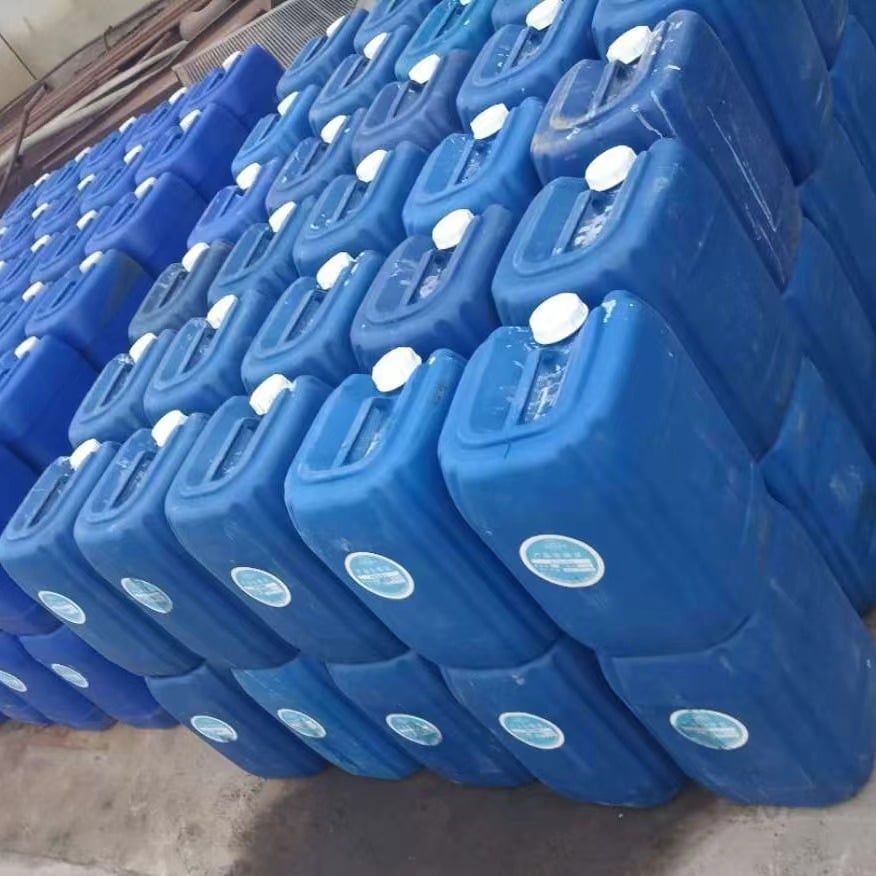
- Package: 200kg iron drum or 50kg plastic drum packing
Product Description
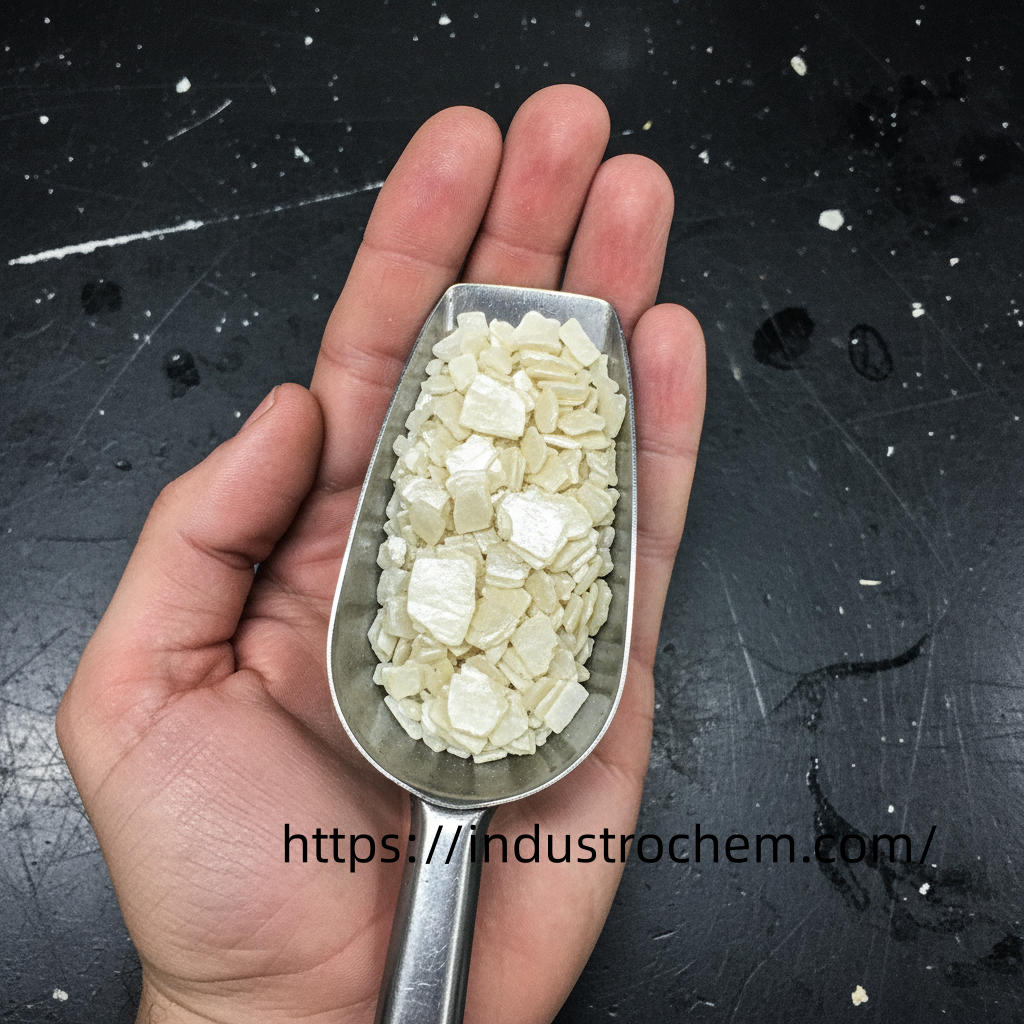
2-Hydroxy-3-naphthalene acid (2,3-acid) is a chemical substance, Chinese aliases include 3-hydroxy-2-naphthalene carboxylic acid, 2-naphthalene-3-formic acid, etc., molecular formula C11H8O3, CAS No. 92-70-6. The substance is in the form of light yellow uniform powder, slightly soluble in hot water, soluble in organic solvents such as ethanol and ether and alkaline solutions, reacts with soda ash to form monosodium salt and disodium salt, the melting point is 218-221°C, storage needs to be placed in a cool and dry place and the container should be kept tight。
3-Hydroxy-2-naphthoic acid
Synonyms: 3-Hydroxy-2-naphthalene Carboxylic Acid; 3-Hydroxy-2-naphthalene Acid;
CAS No.: 92-70-6
Molecular Formula: C11H8O3
Molecular Weight: 188.18
EINECS No.: 202-180-8
Application: Raw Material Intermediate
Content: 99%
Property: Yellow Powder
Packaging: 25kg/bag
Appearance and properties: light yellow powder
Density: 1.399 g/cm3
Melting point: 218-221°C(lit.)
Boiling point: Decomposes (> 400ºC)
Flash point: >150°C
Water solubility: PRACTICALLY INSOLUBLE
Stability: Stable under normal temperatures and pressures.
Storage conditions: Store in a cool, dry place. Keep container closed when not in use.
Production method
After β-naphthol is salted with sodium hydroxide, it is heated and dehydrated, and the anhydrous β-naphthol salt is carboxylated with carbon dioxide to produce disodium 2,3 acids, and then acidated with sulfuric acid to obtain the finished product.
use
This product is mainly used to make chromophol AS and other chromophol intermediates, and can also be used in medicine and organic pigment intermediates.
FAQ - Technical & Supply Chain
-
Q:
Does 3-Hydroxy-2-Naphthoic Acid (BON Acid) correspond to the specific 2,3-isomer used in pigments?
A: 3-Hydroxy-2-Naphthoic Acid (BON Acid) is verified under CAS 92-70-6 as the specific isomer with the hydroxyl group at position 3 and carboxylic acid at position 2, distinguishing it from 1-Hydroxy-2-naphthoic acid to ensure the precise coupling reactivity required for manufacturing Lake Red C and Lithol Rubine pigments. -
Q:
What is the primary industrial application of BON Acid outside of pigment synthesis?
A: While primarily used for pigments, 3-Hydroxy-2-Naphthoic Acid (BON Acid) is also typically applied as a key intermediate in the pharmaceutical and agrochemical sectors for synthesizing specific acid chlorides and arylides used in functional organic molecules.
Documents and Product Support
For product review and sourcing evaluation, supporting documents can be coordinated according to the product type, inquiry stage, and order requirements.
- COA for batch-based quality reference
- TDS for key physical and chemical information
- SDS / MSDS for handling, storage, and safety reference
- Packing information for sample, trial, and bulk orders
- Technical communication based on application and specification requirements
Information to Confirm Before Quotation
Clear sourcing information helps reduce specification mismatch and allows a more accurate quotation before sample or bulk order discussion.
- Product name and CAS number
- Application or intended end use
- Required purity, grade, or specification
- Sample quantity, trial order, or bulk demand
- Preferred packing form or net weight
- Destination country or port
- Required documents or compliance expectations
Packaging, Storage, and Handling Notes
Packaging form, storage conditions, shelf life, and shipment arrangements should be confirmed according to the product characteristics, package size, and destination requirements.
Before order confirmation, buyers are advised to review the corresponding product documents and confirm whether any special storage, labeling, or handling requirements apply.
Sample, Bulk Order and Repeat Supply Support
Support can be arranged for sample discussion, bulk supply planning, packaging confirmation, and routine sourcing communication based on the actual product and order requirements.
For repeat-use formulations or long-term procurement plans, buyers may discuss specification consistency, packaging preferences, delivery expectations, and document coordination in advance.