









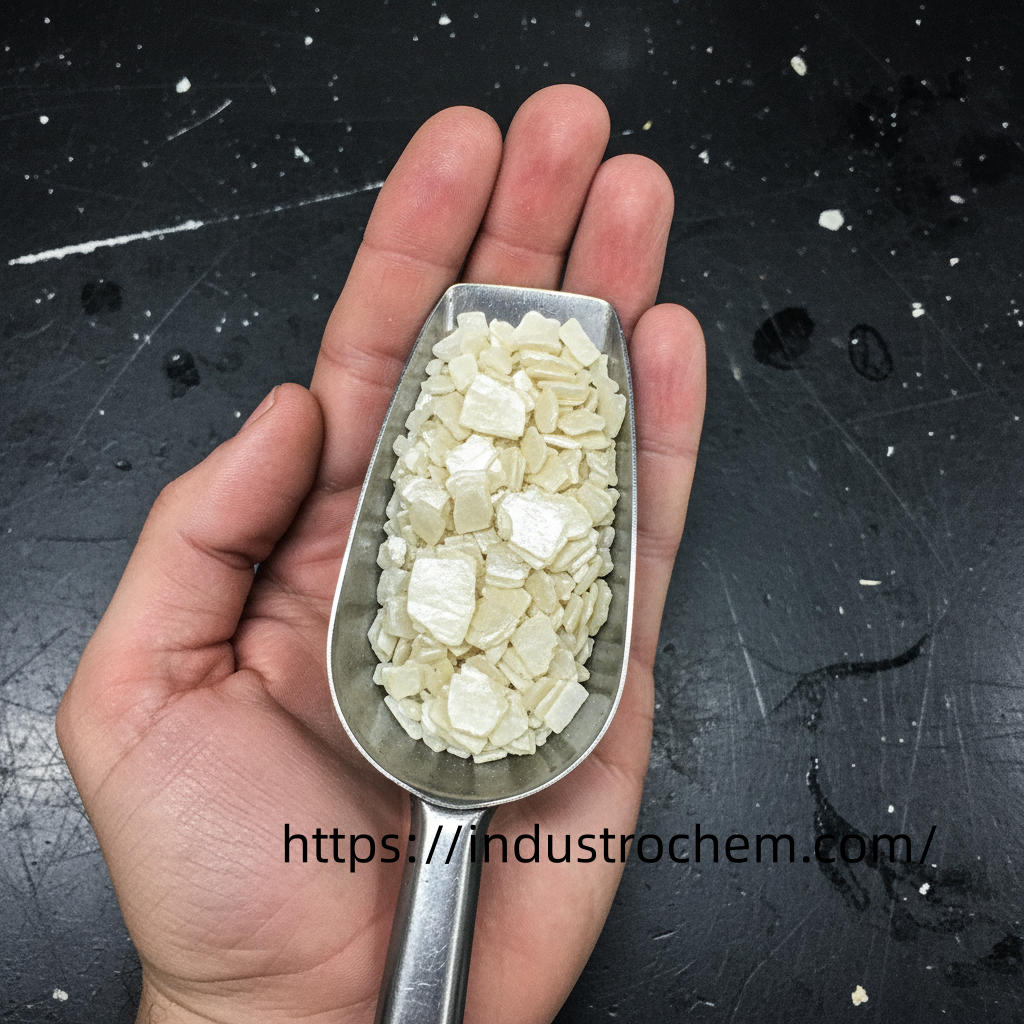
2-Naphthol Crystals CAS 135-19-3 is a widely used aromatic organic intermediate chemically defined as 2-hydroxynaphthalene , functioning primarily as a key precursor in the synthesis of dyes, pigments, and rubber antioxidants. Also known as Beta-Naphthol or Isonaphthol, these white to slightly pink glossy flakes are utilized to manufacture Tobias Acid, J-Acid, and various azo dyes (such as Para Red and Sudan dyes). It also serves as a starting material for the fungicide 2-naphthoxyacetic acid and as an antioxidant stabilizer in polyolefins. We provide professional access to this material with competitive factory pricing and the ability to meet customized specifications (flakes or fused solid forms) for various manufacturing requirements. Our commitment to technical transparency ensures that every shipment is accompanied by comprehensive MSDS, TDS, COA documentation to support your quality assurance protocols, and we maintain capacity for consistent bulk supply to facilitate large-scale industrial operations.
2-Naphthol Crystals CAS 135-19-3
- CAS: 135-19-3
- Synonyms: Beta-Naphthol, 2-Hydroxynaphthalene, Isonaphthol, beta-Monohydroxynaphthalene, 2-Naphthalenol
- Einecs: 205-182-7
- Molecular Formula: C10H8O
- Grade: Industrial / Technical Grade
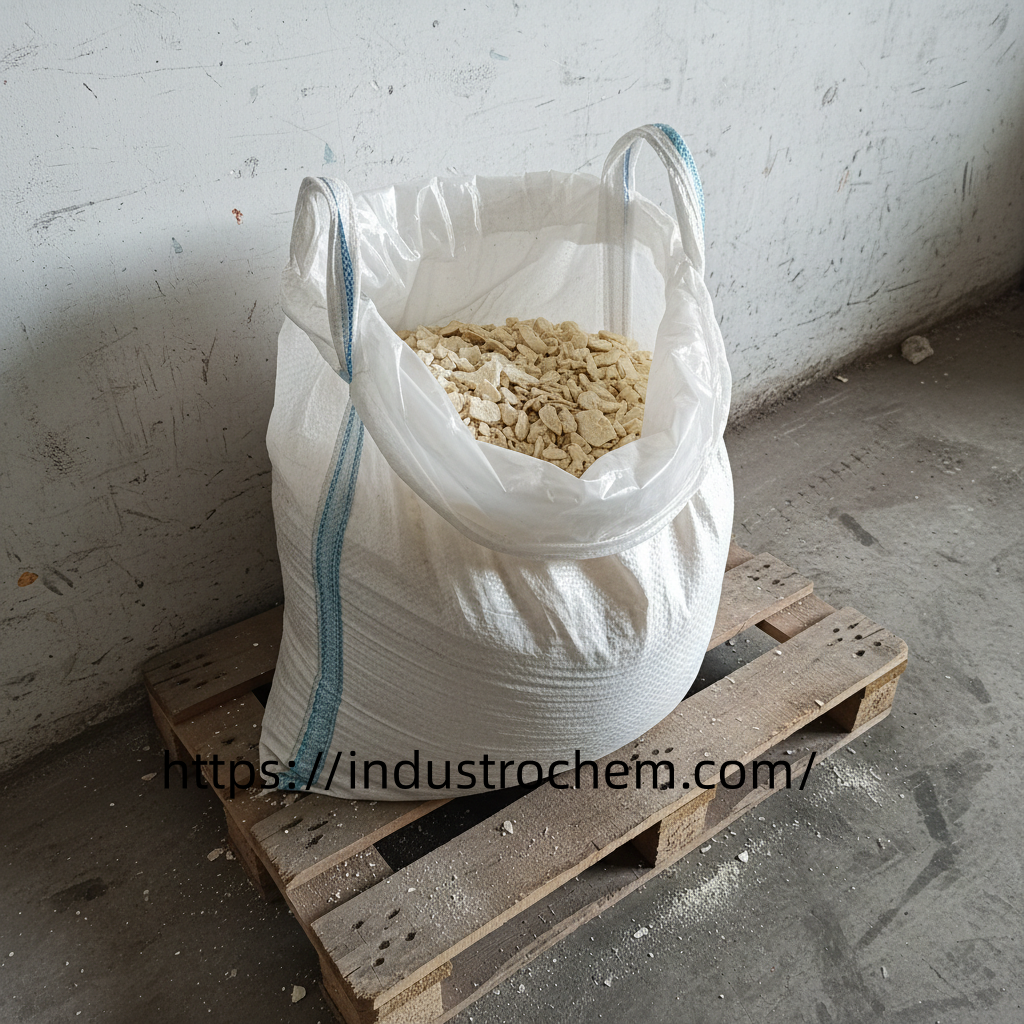
- Package: 25kg Kraft Paper Bag / 500kg Jumbo Bag (Palletized)
Product Description
2-Naphthol (CAS 135-19-3), also known as Beta-Naphthol, is a vital organic intermediate characterized by white to off-white lustrous crystals or flakes. It serves as a fundamental building block in the chemical synthesis of dyestuffs, pigments, rubber antioxidants, and pharmaceutical compounds. Our product is manufactured using advanced catalytic processes to ensure high purity and low impurity profiles, meeting the stringent demands of international downstream manufacturers.
📧 Business Inquiry: For current pricing, MOQs, and COA, please contact our sales team directly: info@industrochem.com
Physicochemical Properties & Specification
Standard: GB/T 26514-2011 (China National Standard for Export)
| Test Item | Specification (Standard) |
|---|---|
| Appearance | White to off-white crystals or flakes |
| Purity (GC) | ≥99.50% |
| Melting Point | 120.0∘extC−122.0∘extC |
| 1-Naphthol Content | ≤0.30% |
| Insoluble Matter in Alkali | ≤0.05% |
| Moisture / Volatile | ≤0.20% |
| Ash Content | ≤0.10% |
| Solubility | Soluble in ethanol, ether, chloroform; soluble in alkali solution. |
Key Applications
Our 2-Naphthol Crystals are engineered for versatility across multiple high-value sectors:
1. Dyestuff & Pigment Industry This is the primary application. It is the precursor for Tobias Acid, J-Acid, and Gamma Acid. It serves as a coupling agent for azo dyes and is essential in producing pigments such as Lithol Red, Toluidine Red, and Sudan Red.
2. Rubber Industry Used extensively in the synthesis of rubber antioxidants, specifically PBN (Phenyl-beta-naphthylamine) and BN (Beta-naphthylamine), preventing aging and degradation in rubber products.
3. Pharmaceutical Intermediates Acts as a raw material for the synthesis of antiseptics, antifungal agents, and other pharmaceutical compounds.
4. Industrial & Agrochemicals Used in the production of tanning agents for leather, synthetic fragrances (such as methyl naphthyl ketone), and certain fungicides.
Quality Assurance (QA/QC)
We understand that consistency is critical for your production line. Our manufacturing facility operates under strict ISO 9001:2015 quality management systems.
- Advanced Testing: Every batch is tested using High-Performance Liquid Chromatography (HPLC) and Gas Chromatography (GC) to verify purity and identify trace impurities (such as 1-Naphthol isomers).
- Traceability: Full batch tracking is maintained from raw material input to final packaging. A comprehensive Certificate of Analysis (COA) accompanies every shipment.
- Pre-Shipment Inspection: We support third-party inspections (SGS/BV/Intertek) at the buyer’s request to ensure transparency.
Storage, Handling & Safety
Storage Conditions
- Store in a cool, dry, and well-ventilated warehouse.
- Keep away from fire and heat sources. The storage temperature should not exceed 30∘extC.
- Keep container tightly sealed. Store separately from oxidizers, acids, and edible chemicals to avoid cross-contamination.
- Light sensitive; protect from direct sunlight.
Safety Instructions (PPE) 2-Naphthol is classified as an irritant and is toxic to aquatic life. Proper handling is mandatory:
- Respiratory Protection: Wear a dust-proof respirator (N95 or higher) if dust is generated.
- Eye Protection: Chemical safety goggles.
- Skin Protection: Wear chemical-resistant gloves and protective clothing.
- First Aid: In case of skin contact, wash off immediately with plenty of soap and water. If in eyes, rinse cautiously with water for several minutes.
Logistics & Shipping
- Port of Loading: Shanghai, Qingdao, or Tianjin, China.
- Lead Time: Ready stock usually ships within 7-10 days after order confirmation.
- Documentation: Complete shipping documents provided, including MSDS, Packing List, Commercial Invoice, and Certificate of Origin.
Ready to optimize your supply chain? Get a competitive quote for high-purity 2-Naphthol Crystals today.
📧 Email: info@industrochem.com
FAQ - Technical & Supply Chain
-
Q:
What is the primary industrial difference between 1-Naphthol and 2-Naphthol (CAS 135-19-3)?
A: The difference lies in the position of the hydroxyl group on the naphthalene ring. 2-Naphthol (Beta-Naphthol) is significantly more stable and is produced in much larger quantities primarily for the dye and pigment industry (e.g., for making Lithol Rubine). 1-Naphthol (Alpha-Naphthol) is more reactive and is typically used for agrochemicals (like Carbaryl) and pharmaceuticals. -
Q:
Does this material sublime at high temperatures?
A: Yes. 2-Naphthol has a tendency to sublime when heated, which can create respiratory hazards in open processing environments. Industrial handling protocols usually require sealed reactor systems or efficient local exhaust ventilation to manage vapors during high-temperature synthesis steps.
Documents and Product Support
For product review and sourcing evaluation, supporting documents can be coordinated according to the product type, inquiry stage, and order requirements.
- COA for batch-based quality reference
- TDS for key physical and chemical information
- SDS / MSDS for handling, storage, and safety reference
- Packing information for sample, trial, and bulk orders
- Technical communication based on application and specification requirements
Information to Confirm Before Quotation
Clear sourcing information helps reduce specification mismatch and allows a more accurate quotation before sample or bulk order discussion.
- Product name and CAS number
- Application or intended end use
- Required purity, grade, or specification
- Sample quantity, trial order, or bulk demand
- Preferred packing form or net weight
- Destination country or port
- Required documents or compliance expectations
Packaging, Storage, and Handling Notes
Packaging form, storage conditions, shelf life, and shipment arrangements should be confirmed according to the product characteristics, package size, and destination requirements.
Before order confirmation, buyers are advised to review the corresponding product documents and confirm whether any special storage, labeling, or handling requirements apply.
Sample, Bulk Order and Repeat Supply Support
Support can be arranged for sample discussion, bulk supply planning, packaging confirmation, and routine sourcing communication based on the actual product and order requirements.
For repeat-use formulations or long-term procurement plans, buyers may discuss specification consistency, packaging preferences, delivery expectations, and document coordination in advance.