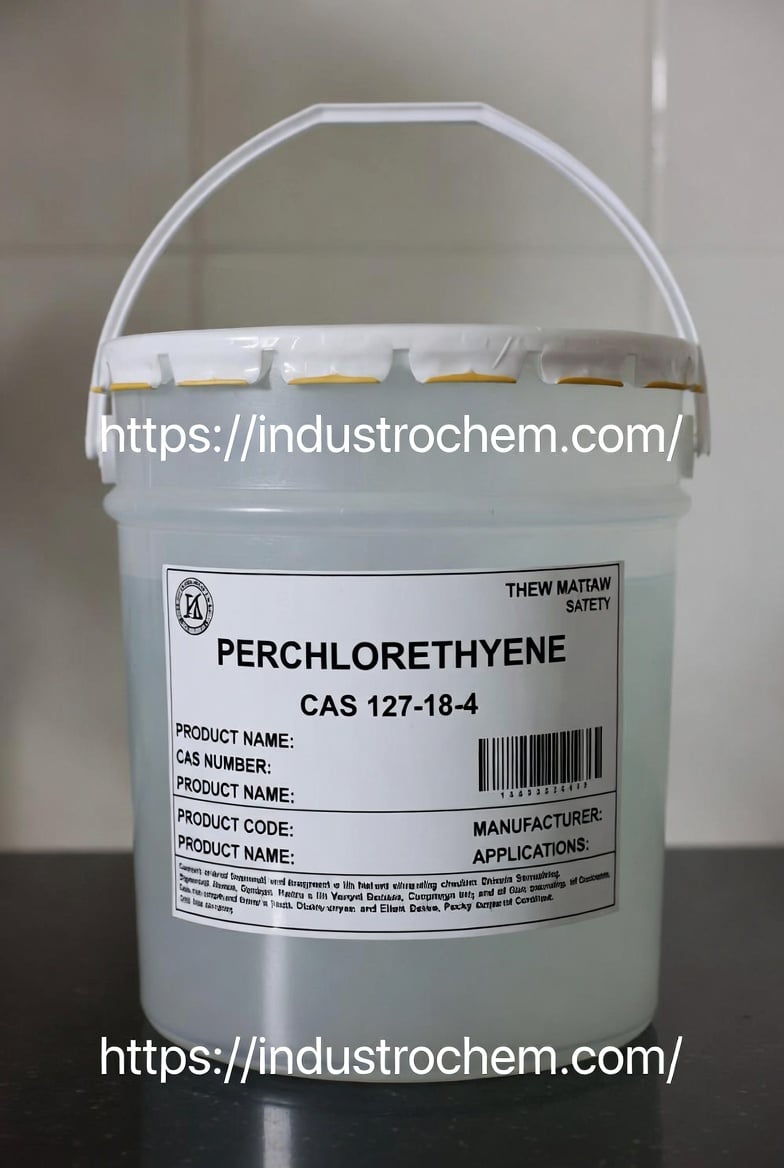










Trichloroethylene (TCE), CAS 79-01-6, is a chlorinated solvent used in metal degreasing and specific industrial processes. Grade selection depends on the stabilizer system, water content, residue limits and equipment compatibility. For a bulk quotation, specify the application, quantity and destination, and request COA/TDS/SDS. Supply and use depend on destination-specific restrictions.
Trichloroethylene CAS 79-01-6
- CAS: 79-01-6
- Synonyms: Trichloroethylene; TCE Solvent; Ethylene Trichloride; Trichloroethene
- Einecs: 201-167-4
- Molecular Formula: C₂HCl₃
- Grade: Industrial grade, purity ≥99.5%
- Package: Confirm packaging compatible with the offered form and destination requirements.
Product Description
CAS number: 79-01-6
Chemical formula: C₂HCl₃
Molecular weight: 131.39
Relative density: 1.4649 (20/4 °C)
Melting point: -73 °C
Boiling point: 86.7 °C
Fire behaviour: TCE may burn under specific conditions and can form toxic decomposition products when heated. Use the offered grade’s SDS for flash-point data and handling requirements.
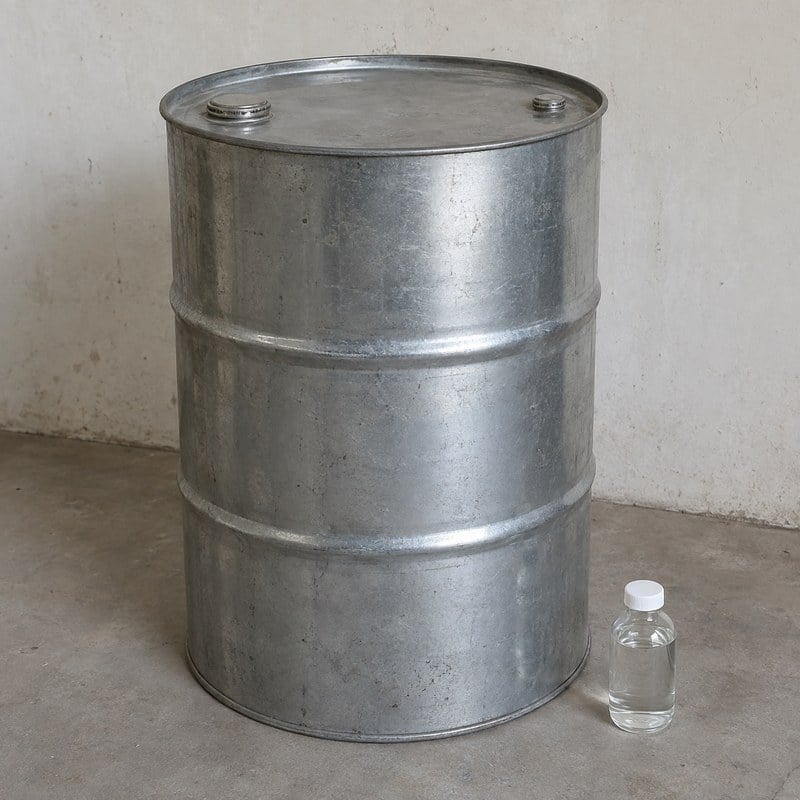
Vapor density: 4.53
Appearance: Colorless liquid with a chloroform-like odour
Trichloroethylene is a clear, colorless chlorinated liquid. It is only slightly soluble in water, approximately 1 g/L at 20 °C, and is not water-miscible. Its use in metal degreasing requires a suitable stabilized grade and compatible equipment. Historical process uses include extraction in battery-separator and caprolactam production; these do not establish suitability for every battery or chemical process. Specify the actual process and required impurity limits.
Quality Control and Analytical Methods
For purchasing specifications, agree the TCE assay by gas chromatography (GC), water by Karl Fischer titration, colour, acidity or alkalinity, nonvolatile residue, density and distillation range. Specify the stabilizer system and its compatibility with the process and metals. Request COA/TDS/SDS and a GC chromatogram with the test method and reporting basis. A GC area percentage alone does not establish water content, nonvolatile residue or stabilizer performance.
FAQ - Technical & Supply Chain
-
Q:
Are Trichloroethylene, Trichloroethene and TCE the same solvent?
A: Yes. These names identify CAS 79-01-6, formula C₂HCl₃. The product name alone does not show whether the grade is stabilized for vapour degreasing or supplied for another controlled industrial process. State the CAS number, required inhibitor system and intended use. -
Q:
What is Trichloroethylene used for?
A: TCE has been used for metal degreasing and specific chemical-process extraction. Choose a stabilized grade compatible with the equipment, metals and solvent-recovery system. Historical battery-separator or caprolactam uses do not prove suitability for a different process; state the actual application and check destination restrictions. -
Q:
Which specifications should be agreed for stabilized Trichloroethylene?
A: Confirm TCE assay, water, colour, density, acidity or alkalinity, nonvolatile residue, distillation range and inhibitor identity or performance with the methods. The inhibitor package must be compatible with the metals, operating temperature and solvent-recovery system. -
Q:
What regulatory and delivery information is needed before purchasing TCE?
A: State destination country, authorized industrial use, annual quantity, packaging, transport route and whether the process is closed and emission-controlled. TCE supply and use are restricted in several jurisdictions, so actual availability and compliance must be confirmed. -
Q:
What handling and safety points apply to Trichloroethylene?
A: Use the grade-specific SDS to set ventilation, exposure controls, protective equipment and waste handling. Heating can produce toxic decomposition products, so keep TCE away from flames, hot surfaces and welding operations. Confirm stabilizer condition and container compatibility, and use closed or emission-controlled equipment where required.
Ordering & Documentation
Key information for document requests, quotations, and supply planning.
Documents
Tell us which documents your procurement team needs. Before an order, we will check whether the quoted source can provide them for the offered lot.
Quotation
Send the CAS number, grade, quantity, packing preference and destination.
Sample & Supply
Ask whether samples, trial quantities or repeat orders are possible. We will check each request against the sourced product and current offer.
Storage & Shipping
Product-specific conditions are confirmed before order.