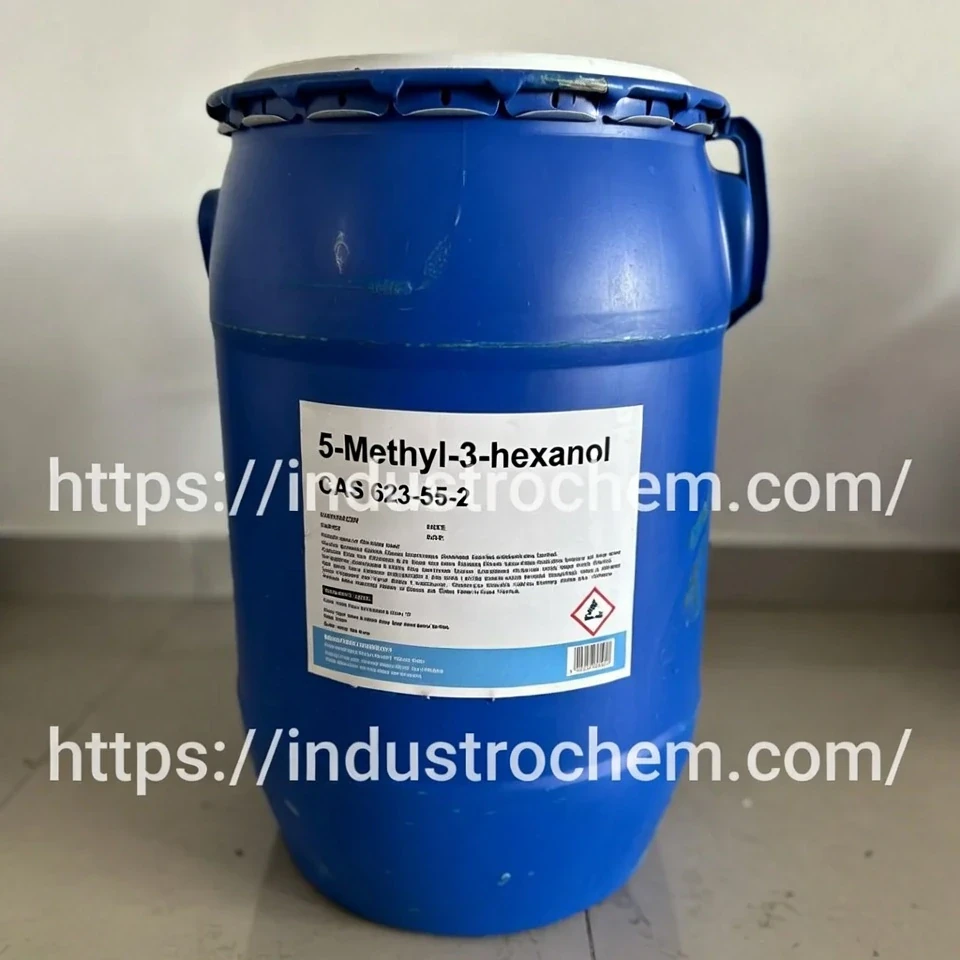









2-Methyl-1-propanol, CAS 78-83-1, is also known as isobutanol or isobutyl alcohol. It is a branched-chain primary alcohol used as a solvent and chemical intermediate, including as a latent solvent in nitrocellulose lacquers, a viscosity reducer in alkyd resin paints, and a raw material for isobutyl acetate, isobutyl methacrylate and diisobutyl phthalate. Confirm GC assay, water, isomer and impurity limits, packaging and documentation before ordering.
2-Methyl-1-propanol CAS 78-83-1
- CAS: 78-83-1
- Synonyms: 2-Methyl-1-propanol; Isobutanol; Isobutyl alcohol; Isopropylcarbinol
- Einecs: 201-148-0
- Molecular Formula: C₄H₁₀O
- Grade: Industrial grade, purity ≥99.5%
- Package: Confirm packaging compatible with the offered form and destination requirements.
Product Description
Quality Control Parameters
| Parameter | Method |
| Appearance | Visual Inspection |
| Purity (GC) | Gas Chromatography |
| Color (Pt-Co) | Platinum-Cobalt Scale |
| Density (20°C) | Hydrometer |
| Water Content | Karl Fischer |
| Acidity (as Acetic Acid) | Titration |
| Distillation Range | Distillation |
| Non-volatile Matter | Gravimetric |
Applications
This versatile solvent and intermediate is widely applied across multiple industrial sectors:
Coatings & Solvents
- Lacquer Solvent: Acts as a latent solvent in nitrocellulose lacquers and a co-solvent in alkyd resin paints, improving flow and preventing blushing.
- Paint Thinners: Used to reduce viscosity in automotive topcoats and industrial maintenance coatings.
Chemical Synthesis
- Derivatives: A feedstock for isobutyl acetate (solvent), isobutyl methacrylate (a monomer for coating resins), and diisobutyl phthalate (DIBP plasticizer).
- Fuel Additives: Isobutanol is used as a fuel oxygenate; suitability depends on blend composition and applicable fuel specifications.
Extraction & Processing
- Extraction Agent: Used in the pharmaceutical industry for the extraction of antibiotics and hormones due to its specific solubility profile.
Quality Assurance (QA/QC)
For bulk procurement, specify isobutanol assay by GC, water by Karl Fischer, colour, acidity, nonvolatile residue and limits for other alcohols and process impurities. Include the GC chromatogram and reporting basis in the technical review alongside COA/TDS/SDS. GC area percentage is not automatically mass percentage, and moisture requires a separate determination. Compare results using agreed methods, units and acceptance limits.
Storage & Safety
Storage Conditions
Store tightly closed in a cool, dry, well-ventilated flammable-liquid storage area, away from ignition sources, strong oxidizers and aluminium. Bond and ground compatible containers and transfer equipment to control static electricity. NIOSH classifies isobutanol as a Class IC flammable liquid; this is distinct from its UN transport Class 3 classification. Follow the supplied SDS and applicable local requirements.
Safety Handling & PPE
Use appropriate local exhaust ventilation and eye and skin protection. Select gloves and respiratory protection according to the supplied SDS and workplace exposure assessment; ordinary organic-vapour cartridges are not suitable for oxygen-deficient or unknown-concentration atmospheres. For eye exposure, rinse immediately with water and seek medical attention. For inhalation exposure, move to fresh air without exposing rescuers to unsafe conditions.
FAQ - Technical & Supply Chain
-
Q:
Are 2-Methyl-1-propanol, Isobutanol and Isobutyl Alcohol the same solvent?
A: Yes. These names identify the branched primary alcohol CAS 78-83-1. It is not n-butanol, sec-butanol or tert-butanol, which have different boiling, solvency and reaction profiles. Use the CAS number and isobutanol name on the quotation and order. -
Q:
What is Isobutanol used for?
A: Isobutanol is a latent solvent for nitrocellulose lacquers and a co-solvent or viscosity reducer in alkyd paints and industrial coatings. It is also a feedstock for isobutyl acetate, isobutyl methacrylate and diisobutyl phthalate, and is used in fuel blending and pharmaceutical extraction processes. Select assay, moisture and impurity limits for the intended application. -
Q:
Which specifications should be agreed for industrial Isobutanol?
A: Agree GC assay, water, colour, acidity, density or specific gravity, distillation range and limits for other butanol isomers, aldehydes and nonvolatile residue with the methods. Typical physical properties are useful for identification but are not sales specifications. -
Q:
What should be confirmed before bulk Isobutanol delivery?
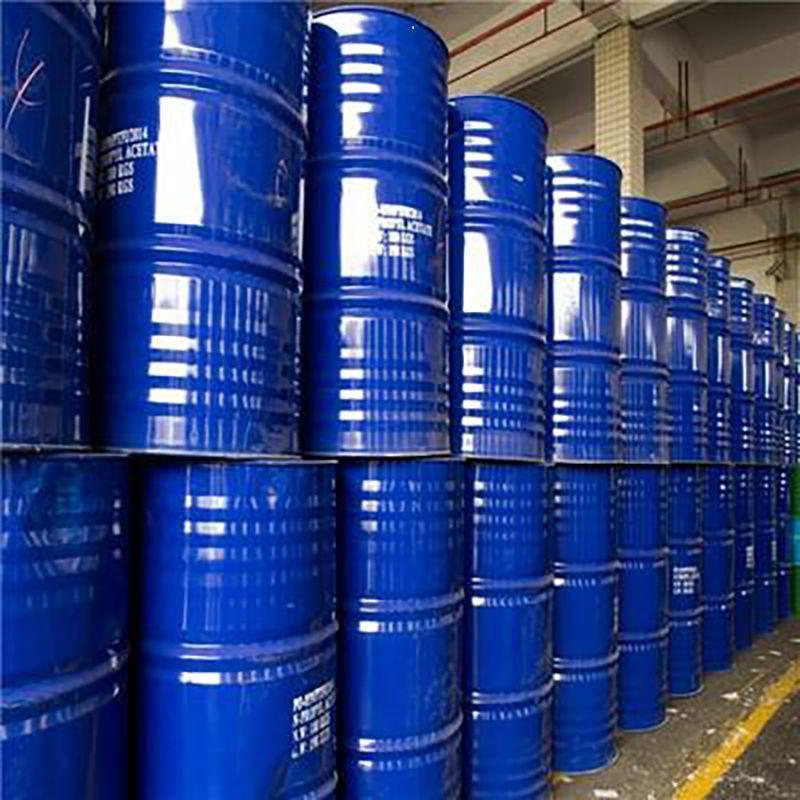
A: Confirm drum, IBC or tank format, net quantity, water protection, seal condition, previous cargo where applicable, sampling, grounding and unloading connection. Isobutanol is a flammable liquid, so transport, storage and receiving controls must match the applicable flammable-liquid requirements. -
Q:
What are the typical physical properties of Isobutanol CAS 78-83-1?
A: Isobutanol is a colourless liquid with a boiling point of about 108 °C at atmospheric pressure and a density near 0.80 g/cm³ at 20 °C. Its water solubility is about 8.7 g/100 mL at 20 °C, and its closed-cup flash point is approximately 28–29 °C. These are reference properties; use the agreed specification and lot COA for acceptance.
Ordering & Documentation
Key information for document requests, quotations, and supply planning.
Documents
Tell us which documents your procurement team needs. Before an order, we will check whether the quoted source can provide them for the offered lot.
Quotation
Send the CAS number, grade, quantity, packing preference and destination.
Sample & Supply
Ask whether samples, trial quantities or repeat orders are possible. We will check each request against the sourced product and current offer.
Storage & Shipping
Product-specific conditions are confirmed before order.