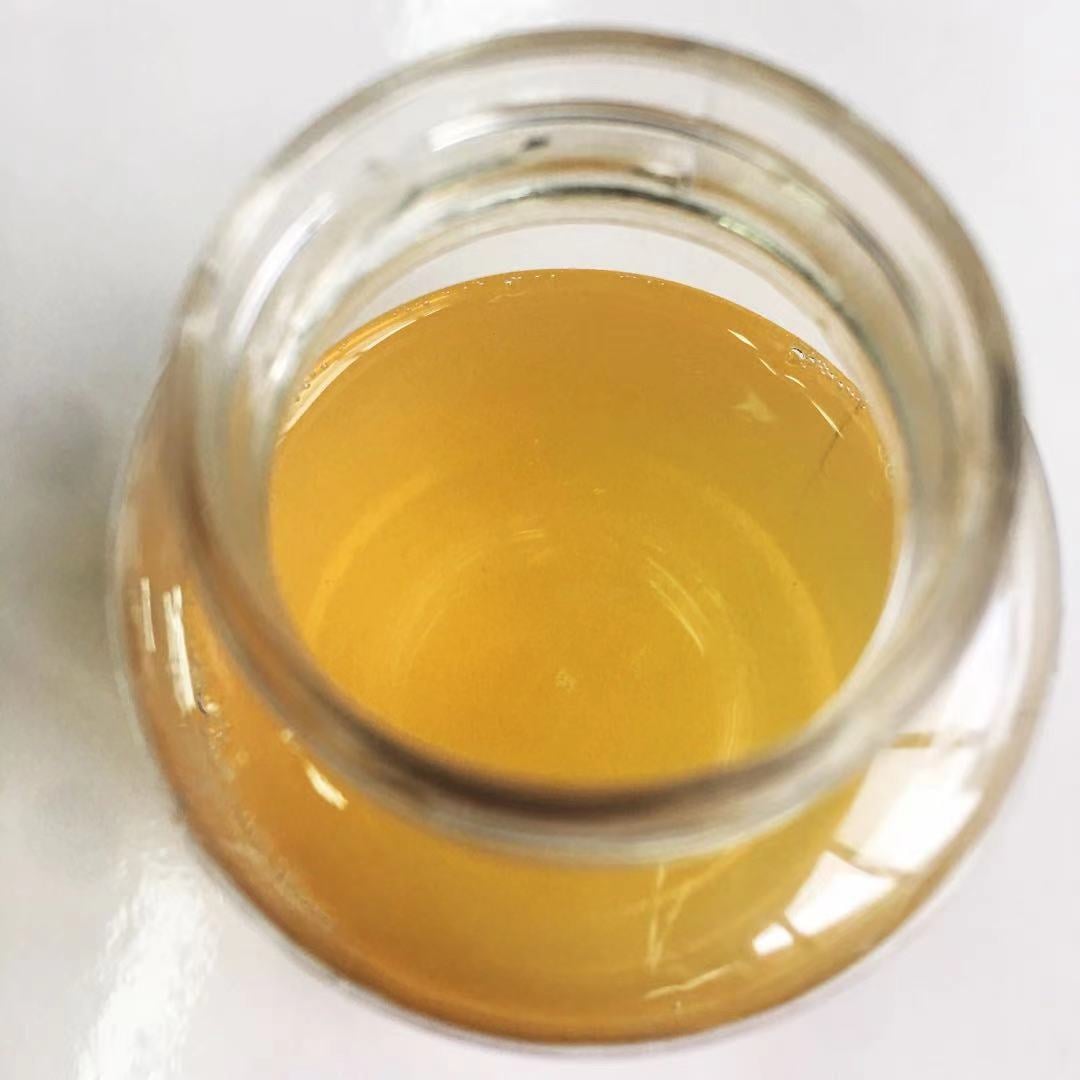










Glacial Acetic Acid (GAA), CAS 64-19-7, is also known as ethanoic acid. It is a high-purity anhydrous organic acid used for pH regulation and chemical synthesis, and is a key raw material for vinyl acetate monomer, purified terephthalic acid, acetate esters and pharmaceutical synthesis. Confirm assay, water, formic acid and aldehyde limits, packaging and documentation before ordering.
Glacial Acetic Acid CAS 64-19-7
- CAS: 64-19-7
- Synonyms: Acetic Acid; Ethanoic Acid; Glacial Acetic Acid; Methanecarboxylic Acid
- Einecs: 200-580-7
- Molecular Formula: C₂H₄O₂
- Grade: Glacial technical grade; assay and water limits per offered specification.
- Package: Confirm packaging compatible with the offered form and destination requirements.
Product Description
Physicochemical Properties
| Parameter | Test Method |
| Appearance | Visual Inspection |
| Purity (Assay) | Gas Chromatography (GC) |
| Color (Pt-Co) | Platinum-Cobalt Scale |
| Freezing Point | Crystallization Point |
| Density (20°C) | Hydrometer |
| Water Content | Karl Fischer |
| Formic Acid Content | Titration |
| Evaporation Residue | Gravimetric |
Applications
Glacial Acetic Acid is a foundational chemical used across diverse industrial sectors:
Chemical Manufacturing (VAM & PTA)
- Vinyl Acetate Monomer (VAM): The primary precursor for paints, adhesives, and coatings (PVA).
- Purified Terephthalic Acid (PTA): Used as a solvent in the oxidation process to produce polyester fibers and PET plastics.
Textile & Dyeing
- Acidity Regulator: Acts as a pH regulator and dispersing agent in textile dyeing and printing to ensure color fastness and uniformity.
Food & Pharmaceutical
- Food Additive (E260): Used as an acidity regulator and preservative in vinegar production, sauces, and pickling (Food Grade only).
- Pharma Synthesis: Essential solvent and intermediate in the manufacturing of aspirin, paracetamol, and various antibiotics.
Quality Assurance (QA/QC)
- Purity Verification: Strict Gas Chromatography (GC) analysis is performed on every batch to ensure purity exceeds 99.8%.
- Impurity Control: Rigorous testing for reducing substances (like formic acid and aldehydes) to prevent side reactions in downstream applications.
- Certifications: Food and pharmaceutical grades are sourced from suppliers with the applicable regulated-grade documentation; technical grades follow documented quality management procedures.
For related acetate raw materials, see Sodium Acetate and Ethyl Acetate.
Storage & Safety
Storage Conditions
- Temperature Control: Store above 17°C to prevent freezing (crystallization). If frozen, thaw gently using warm water or a heated room; do not apply direct flame.
- Ventilation: Keep in a cool, well-ventilated warehouse away from ignition sources.
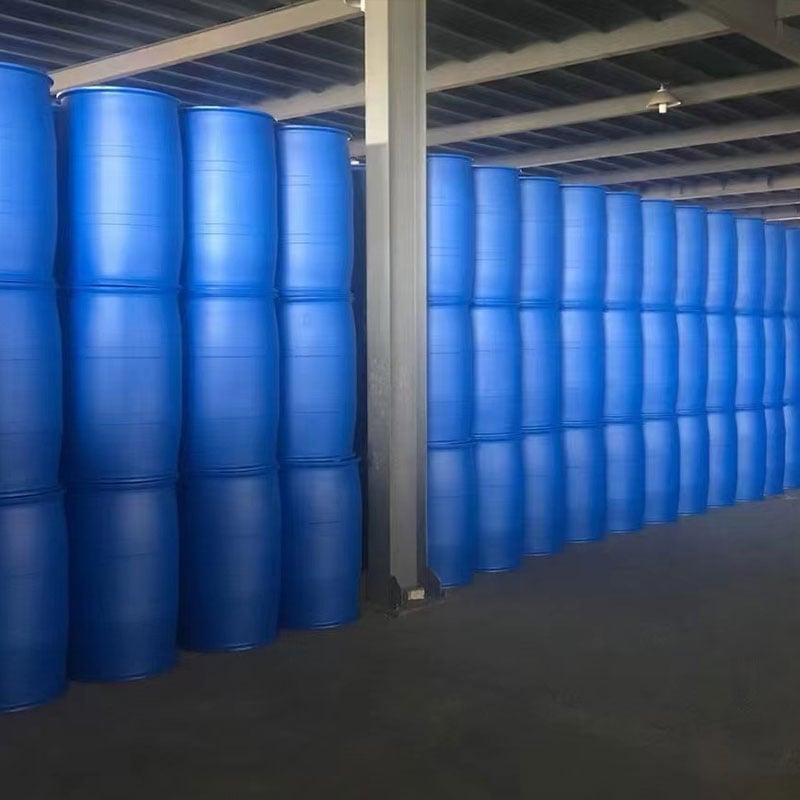
- Material Compatibility: Store in high-density polyethylene (HDPE), stainless steel (316L), or aluminum containers. Avoid contact with carbon steel to prevent corrosion.
Safety Handling & PPE
Glacial Acetic Acid is classified as Corrosive (Class 8) and Flammable Liquid (Class 3).
- Respiratory Protection: Wear a full-face gas mask with organic vapor filters if vapor concentration is high.
- Skin & Eye Protection: Acid-resistant rubber gloves, chemical protective clothing, and splash-proof goggles are mandatory.
- First Aid: In case of skin contact, immediately remove contaminated clothing and rinse with plenty of water for at least 15 minutes.
FAQ - Technical & Supply Chain
-
Q:
What distinguishes Glacial Acetic Acid from diluted Acetic Acid?
A: Both use CAS 64-19-7 for acetic acid, but glacial grade is the concentrated technical product rather than an 80%, 75% or 60% aqueous blend. State glacial grade, required assay, water limit and intended use, and do not compare quotations on the CAS number alone. -
Q:
What is Glacial Acetic Acid used for?
A: It is a foundational chemical used in vinyl acetate monomer, purified terephthalic acid, textile dyeing and pH control, and in food or pharmaceutical applications only where a suitable regulated grade is selected. State the required technical, food or pharmaceutical grade. -
Q:
Which batch specifications should be agreed for Glacial Acetic Acid?
A: Confirm acetic-acid assay, water, appearance and colour, freezing point, formic acid, acetaldehyde, iron, chloride, sulfate or nonvolatile residue where required, together with the test methods. Technical, food and pharmaceutical grades are not interchangeable. -
Q:
What should be planned for cold-weather Glacial Acetic Acid delivery?
A: Confirm approved drum, IBC or tank construction, net quantity, transport classification, unloading connection and whether heating or temperature control is available. Glacial acetic acid can crystallize near 16.6 °C without being off-specification. -
Q:
What handling and safety points apply to Glacial Acetic Acid?
A: Review corrosive and flammable properties, ventilation, personal protection and incompatibility requirements. Use compatible acid-resistant packaging and equipment, and confirm local transport, storage and exposure controls before delivery.
Ordering & Documentation
Key information for document requests, quotations, and supply planning.
Documents
Tell us which documents your procurement team needs. Before an order, we will check whether the quoted source can provide them for the offered lot.
Quotation
Send the CAS number, grade, quantity, packing preference and destination.
Sample & Supply
Ask whether samples, trial quantities or repeat orders are possible. We will check each request against the sourced product and current offer.
Storage & Shipping
Product-specific conditions are confirmed before order.