








Purified Terephthalic Acid (CAS 100-21-0), chemically known as 1,4-Benzenedicarboxylic acid or p-Phthalic acid, is a high-purity aromatic dicarboxylic acid acting as the primary monomer in large-scale polymerization processes. Functioning through direct esterification with glycols, this crystalline powder serves as the essential precursor for the manufacturing of polyethylene terephthalate (PET) resins, polyester fibers, and industrial films. We provide this industrial material with competitive factory pricing to support continuous manufacturing operations, alongside options for customized specifications. Essential technical documentation, including MSDS, TDS, COA, is readily available for all bulk supply orders.
Purified Terephthalic Acid CAS 100-21-0
- CAS: 100-21-0
- Synonyms: 1,4-Benzenedicarboxylic acid, p-Phthalic acid, Benzene-1,4-dicarboxylic acid, TPA
- Einecs: 202-830-0
- Molecular Formula: C₈H₆O₄
- Grade: Industrial grade 99%
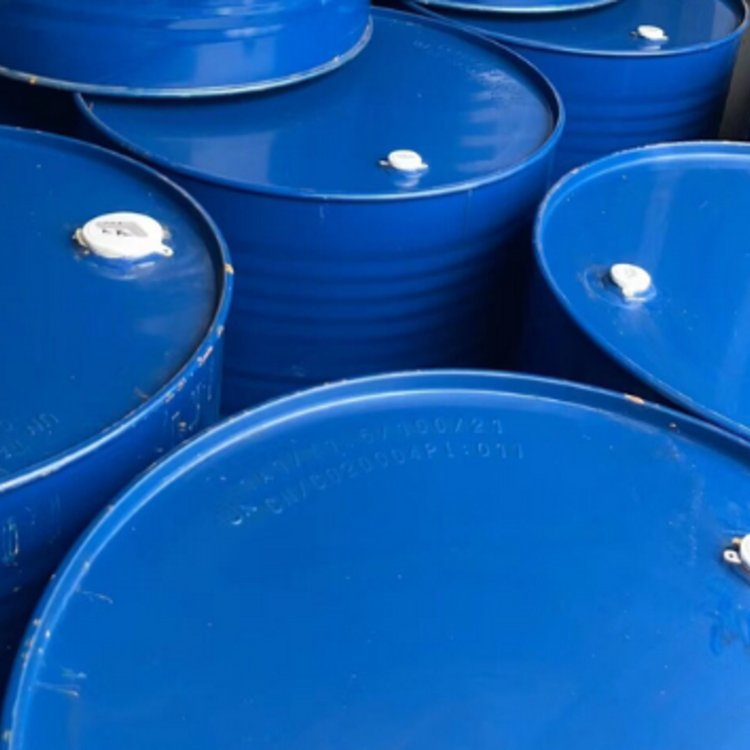
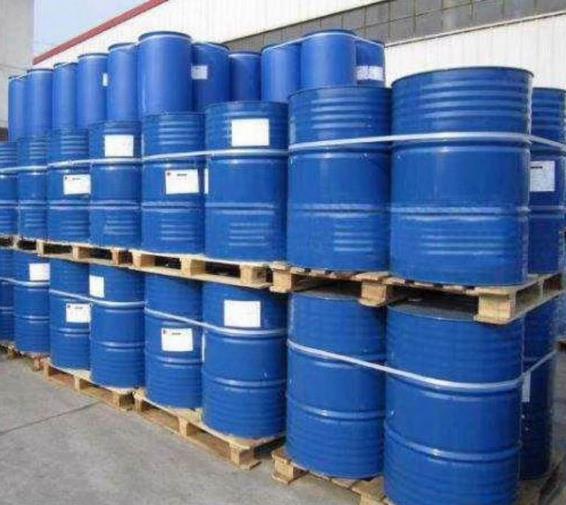
- Package: 200kg iron drum or 50kg plastic drum packing
Product Description
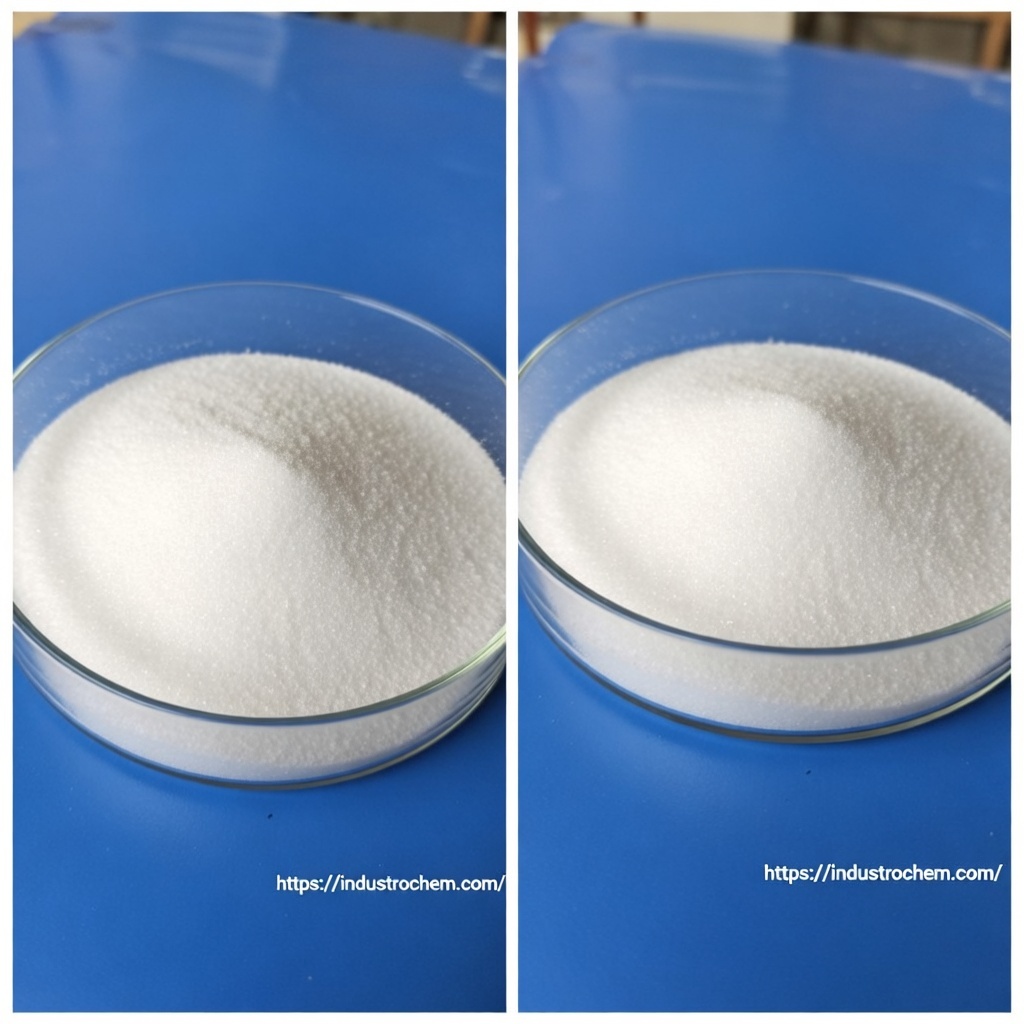
Refined terephthalic acid (PTA) is a low-toxicity and flammable white crystal or powder with a chemical formula of C₈H₆O₄ and a density of 1.55g/cm³, which is slightly soluble in hot ethanol and insoluble in water. This substance is made of paraxylene as raw material, through liquid phase oxidation to produce crude terephthalic acid, and then hydrorefining, crystallization and other processes, mainly used in the production of polyester fibers, polyester plastics and dye intermediates.
PTA is stable at room temperature, with a burning heat of 3225.9kJ/mol, and should avoid contact with oxidants and acids and alkalis. The transportation is in the form of anti-static stainless steel tank trucks or bags, and the storage needs to be placed in a cool and ventilated special warehouse, away from fire sources. As a low-toxicity substance, protective equipment should be worn to avoid skin irritation or respiratory reactions caused by long-term exposure, and the concentration in the working environment should be controlled below 0.1mg/m³.
Production method
in order to Paraxylene As raw materials, liquid phase oxidation is coarse terephthalic acid, re-sutra Hydrorefining, crystallized, separated, dried, and refined terephthalic acid was obtained.
Product performance
This product is white crystal or powder, low toxicity and flammable. If mixed with air, it will burn or even explode within a certain limit. its Spontaneous ignition point680°C, ignition point 384~421°C,Sublimation fever 98.4kJ/mol, heat of combustion 3225.9kJ/mol, density 1.55g/cm3. Soluble in alkali solution, slightly soluble in heatethanol, insoluble in water,ethyl et her、glacial acetic acid and chloroform。
use
This product is manufactured terylene It can be directly related to ethylene glycol esterify Polycondensation Polyester can also be made into engineered polyester plastic, and can also be made plasticizer The raw materials and Dye intermediates。
FAQ - Technical & Supply Chain
-
Q:
Is Purified Terephthalic Acid (CAS 100-21-0) chemically identical to 1,4-Benzenedicarboxylic acid?
A: Yes, 1,4-Benzenedicarboxylic acid is the systematic IUPAC name for Terephthalic Acid, and PTA denotes the high-purity grade of this substance used in polymerization. -
Q:
Is this product intended for the synthesis of polyethylene terephthalate (PET)?
A: Yes, this material is typically applied as the core feedstock reactant in the industrial synthesis of PET resins and polyester fiber systems.
Documents and Product Support
For product review and sourcing evaluation, supporting documents can be coordinated according to the product type, inquiry stage, and order requirements.
- COA for batch-based quality reference
- TDS for key physical and chemical information
- SDS / MSDS for handling, storage, and safety reference
- Packing information for sample, trial, and bulk orders
- Technical communication based on application and specification requirements
Information to Confirm Before Quotation
Clear sourcing information helps reduce specification mismatch and allows a more accurate quotation before sample or bulk order discussion.
- Product name and CAS number
- Application or intended end use
- Required purity, grade, or specification
- Sample quantity, trial order, or bulk demand
- Preferred packing form or net weight
- Destination country or port
- Required documents or compliance expectations
Packaging, Storage, and Handling Notes
Packaging form, storage conditions, shelf life, and shipment arrangements should be confirmed according to the product characteristics, package size, and destination requirements.
Before order confirmation, buyers are advised to review the corresponding product documents and confirm whether any special storage, labeling, or handling requirements apply.
Sample, Bulk Order and Repeat Supply Support
Support can be arranged for sample discussion, bulk supply planning, packaging confirmation, and routine sourcing communication based on the actual product and order requirements.
For repeat-use formulations or long-term procurement plans, buyers may discuss specification consistency, packaging preferences, delivery expectations, and document coordination in advance.
Contact Form
Use our contact form to send us your questions, suggestions or comments. We will respond as soon as possible.
Product Categories
Related Products
-
Sodium Methoxide CAS 124-41-4 -
Sodium Fluoride CAS 7681-49-4 -
GPE 3000 CAS 9082-00-2 -
Polypropylene Glycol 1000 CAS 25322-69-4 -
Polypropylene Glycol 2000 CAS 25322-69-4 -
AEO-9 / MOA-9 (Fatty Alcohol Ethoxylate 9EO) – CAS 9002‑92‑0 -
Polypropylene Glycol 200 (PPG-200) CAS 25322-69-4 -
PPG 2000 (Polyether Polyol 220) CAS 25322-69-4