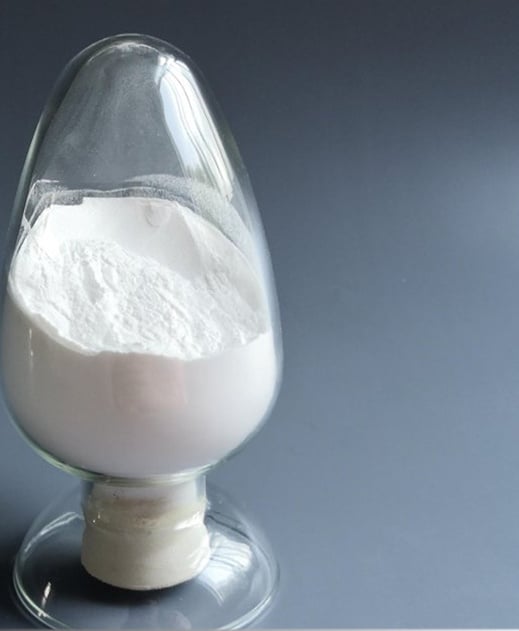










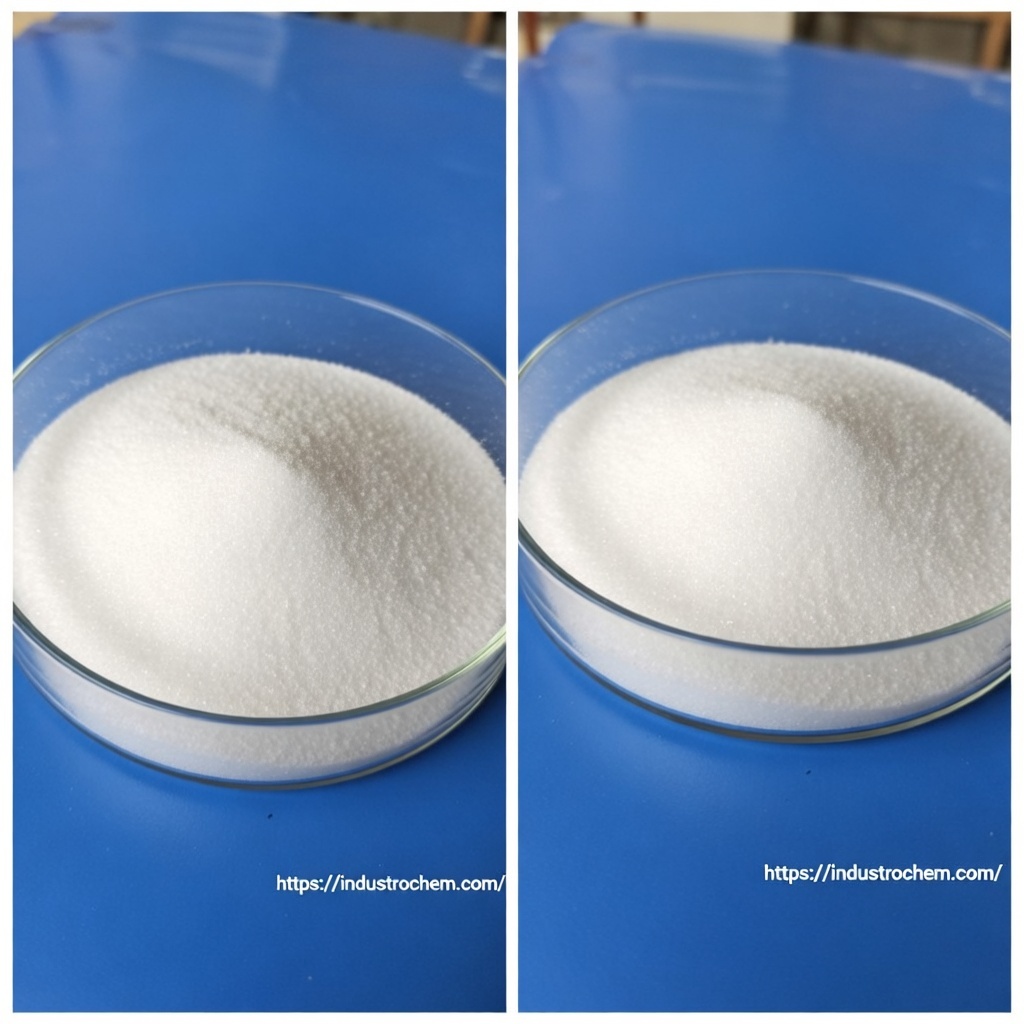
Adipic acid, identified by CAS 124-04-9, is a white crystalline dicarboxylic acid that serves as a fundamental building block within the Basic & Fine Chemicals sector for the global polymer and synthetics industries. This hexanedioic acid functions as a primary monomer in the polycondensation of polyamides, specifically driving the structural formation of high-tenacity fibers and engineering plastics. Beyond its role in polymer science, it acts as a pH regulator and acidulant in various industrial formulations, contributing to the synthesis of plasticizers, polyurethane resins, and specialized lubricants where long-chain stability is required. We provide this material with competitive factory pricing to support large-scale manufacturing of industrial resins and textile precursors, ensuring that all batches meet customized specifications for purity and color stability. Our logistics infrastructure is optimized for bulk supply, and every shipment is accompanied by comprehensive technical documentation, including MSDS, TDS, COA, to ensure regulatory compliance and process safety.
Adipic Acid CAS 124-04-9
- CAS: 124-04-9
- Synonyms: Hexanedioic acid, 1,4-Butanedicarboxylic acid, Adipinic acid, Fatty acid diacid, Hexane-1,6-dioic acid
- Einecs: 204-673-3
- Molecular Formula: C6H10O4
- Grade: Industrial Grade / Technical Grade
- Package: 25kg/bag, 500kg/bag, or 1000kg jumbo bags
Product Description
Technical Data (Physicochemical Properties)
| Property | Specification (Typical Export Standard) |
| Appearance | White crystalline powder or granules |
| Assay | ≥ 99.8% |
| Melting Point | 151.5°C – 153.5°C |
| Moisture Content | ≤ 0.2% |
| Ash Content | ≤ 0.001% |
| Iron (Fe) Content | ≤ 0.2 ppm |
| Color (Platinum-Cobalt) | ≤ 5 |
Applications
- Nylon Production: The critical precursor for the manufacture of Nylon 66 fibers and resins used in automotive parts and industrial textiles.
- Polyurethanes: Utilized in the production of polyester polyols for flexible and rigid foams, as well as TPU elastomers.
- Plasticizers: Serves as a raw material for adipate esters (such as DOA) which provide low-temperature flexibility in PVC applications.
- Industrial Additives: Used in wet-strength resins for paper, as a buffering agent in flue gas desulfurization, and in the synthesis of specialized lubricants.
Storage & Safety
- Storage: Store in a cool, dry, and well-ventilated area. Keep away from heat sources and strong oxidizing agents. Bags should be kept tightly sealed to prevent moisture absorption and caking.
- Handling: Avoid dust formation during charging or discharging. Ensure adequate ventilation in the workspace to keep airborne concentrations below exposure limits.
- PPE Recommendations: Wear safety glasses with side shields, chemical-resistant gloves (PVC or Nitrile), and a dust-filtering respirator (P2 or N95) when handling the powder in bulk.
Quality Assurance
Our production facility utilizes high-pressure nitric acid oxidation of cyclohexane derivatives to ensure a high-purity crystalline output. Each batch undergoes rigorous analysis, including gas chromatography for organic purity and atomic absorption spectroscopy for trace metal monitoring. We maintain strict control over the particle size distribution and moisture levels to guarantee free-flowing characteristics, providing the technical reliability required for continuous polymerization and large-scale industrial synthesis.
FAQ - Technical & Supply Chain
-
Q:
How is the chemical identity of Adipic Acid verified to ensure compatibility with high-tenacity Nylon 66 polymerization?
A: Identity confirmation for CAS 124-04-9 is performed through melting point determination and titration for acid value. For high-grade fiber applications, we further verify the substance identity through trace metal analysis and color testing in the molten state, ensuring the absence of impurities that could cause polymer yellowing or chain termination during the polycondensation process. -
Q:
Is Adipic Acid intended for use as a direct cleaning agent or as a reactive component in industrial buffer systems?
A: While it possesses acidic properties, this material is typically applied as a reactive component or a precision acidulant rather than a general cleaning solvent. In industrial scrubbers and flue gas desulfurization units, it is commonly used as a buffer to enhance limestone reactivity, facilitating efficient sulfur removal without the volatility associated with lower molecular weight organic acids.
Documents and Product Support
For product review and sourcing evaluation, supporting documents can be coordinated according to the product type, inquiry stage, and order requirements.
- COA for batch-based quality reference
- TDS for key physical and chemical information
- SDS / MSDS for handling, storage, and safety reference
- Packing information for sample, trial, and bulk orders
- Technical communication based on application and specification requirements
Information to Confirm Before Quotation
Clear sourcing information helps reduce specification mismatch and allows a more accurate quotation before sample or bulk order discussion.
- Product name and CAS number
- Application or intended end use
- Required purity, grade, or specification
- Sample quantity, trial order, or bulk demand
- Preferred packing form or net weight
- Destination country or port
- Required documents or compliance expectations
Packaging, Storage, and Handling Notes
Packaging form, storage conditions, shelf life, and shipment arrangements should be confirmed according to the product characteristics, package size, and destination requirements.
Before order confirmation, buyers are advised to review the corresponding product documents and confirm whether any special storage, labeling, or handling requirements apply.
Sample, Bulk Order and Repeat Supply Support
Support can be arranged for sample discussion, bulk supply planning, packaging confirmation, and routine sourcing communication based on the actual product and order requirements.
For repeat-use formulations or long-term procurement plans, buyers may discuss specification consistency, packaging preferences, delivery expectations, and document coordination in advance.