









Chemical products
  • Isophthalic Acid CAS 121-91-5
  • Isophthalic Acid CAS 121-91-5
  • Isophthalic Acid CAS 121-91-5

Isophthalic Acid CAS 121-91-5

Isophthalic Acid is supplied as an aromatic dicarboxylic acid intermediate, widely used in the production of unsaturated polyester resins, alkyd resins, and specialty polymers. Dimethyl Isophthalate (DMI) is its dimethyl ester form for polymer routes that specify an ester feed. It is valued for its ability to improve chemical resistance, thermal stability, and mechanical performance in resin systems.

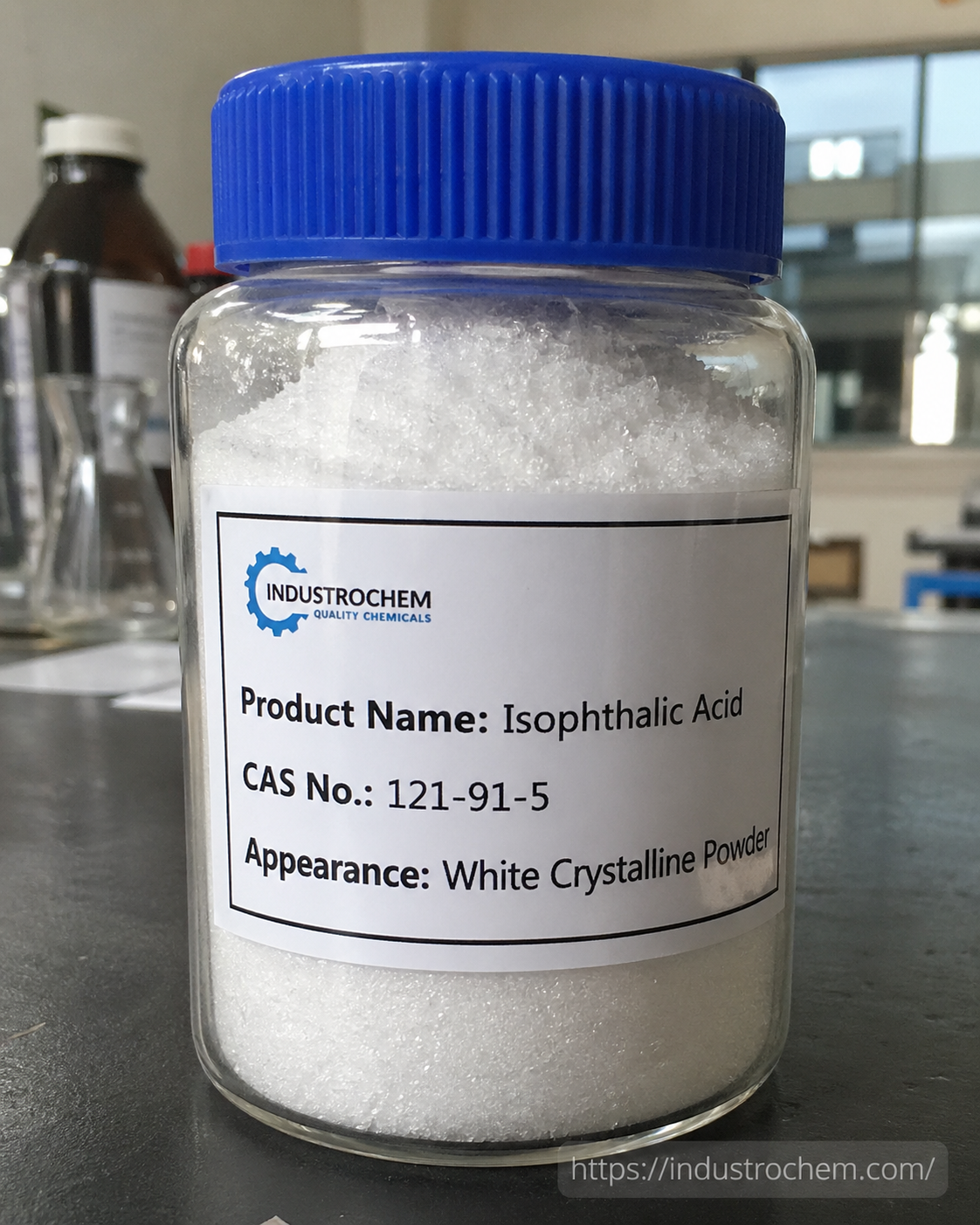
In commercial supply, this product is typically delivered as a white crystalline powder, suitable for polymerization and resin synthesis processes. It is used across coatings, composites, and engineering materials industries. Standard export packaging, batch documentation (COA, TDS, SDS), and supply support are available for both industrial production and bulk procurement.

  • CAS: 121-91-5
  • Synonyms: 1,3-Benzenedicarboxylic Acid; m-Phthalic Acid
  • Einecs: 204-506-4
  • Molecular Formula: C8H6O4
  • Grade: Industrial / polymer-grade supply
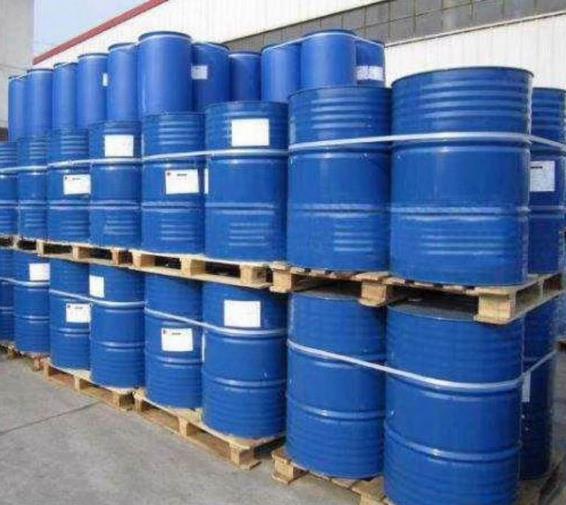
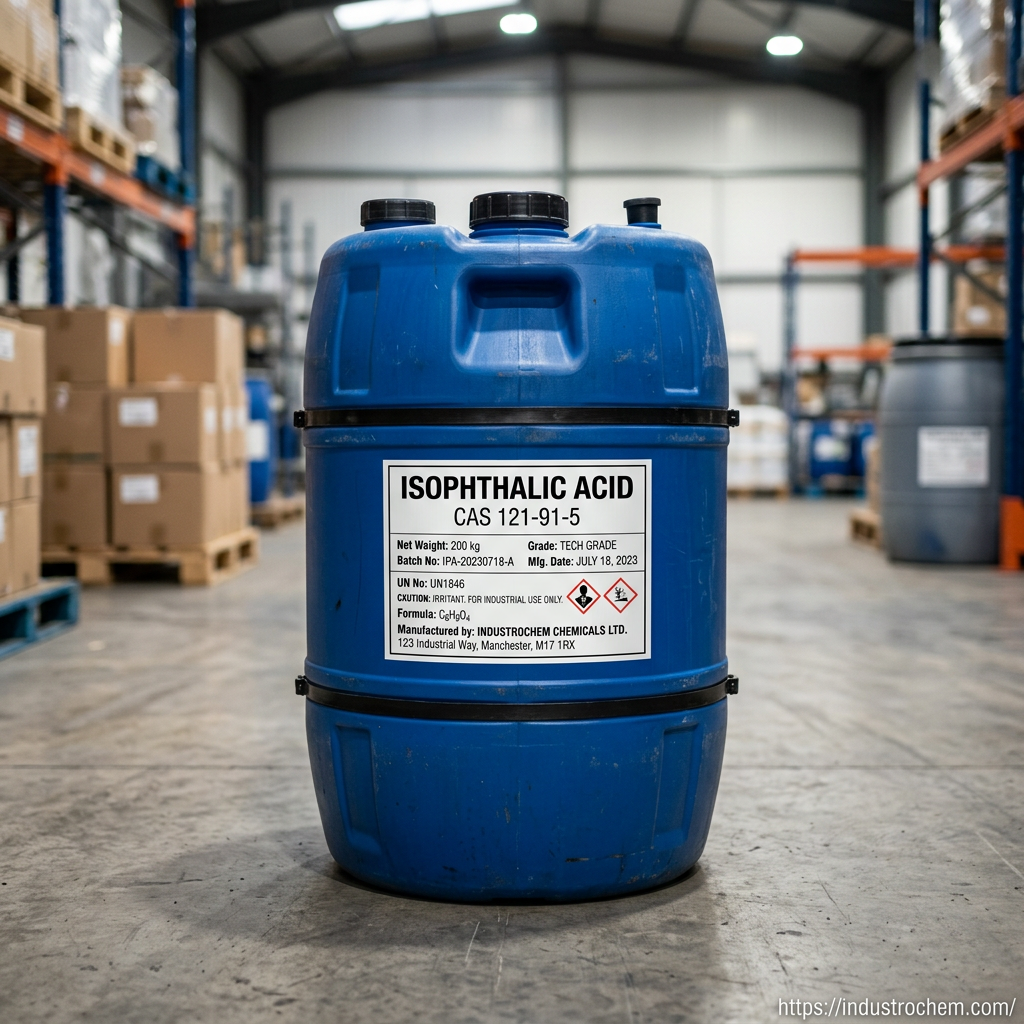
  • Package: Available in bags or bulk containers; packaging arranged according to order volume and handling requirements
Request a quote
Share:

Product Description

Physicochemical Properties

ItemDescription
AppearanceWhite crystalline powder
OdorOdorless or slight characteristic odor
Melting PointApprox. 345°C (sublimes)
Boiling PointDecomposes before boiling
SolubilitySlightly soluble in water; soluble in organic solvents such as alcohols
DensityApprox. 1.5 g/cm³
Acidity (pKa)Approx. 3.5 / 4.5
Thermal StabilityStable under normal processing conditions for polymer synthesis

Typical Applications

  • Unsaturated polyester resins (UPR) for composites and fiberglass applications
  • Alkyd resins for coatings and paints
  • Engineering plastics and specialty polymers (e.g., PET modification)
  • Coating systems requiring improved durability and chemical resistance

Application suitability should be evaluated based on processing requirements and regional regulatory considerations.

Packaging

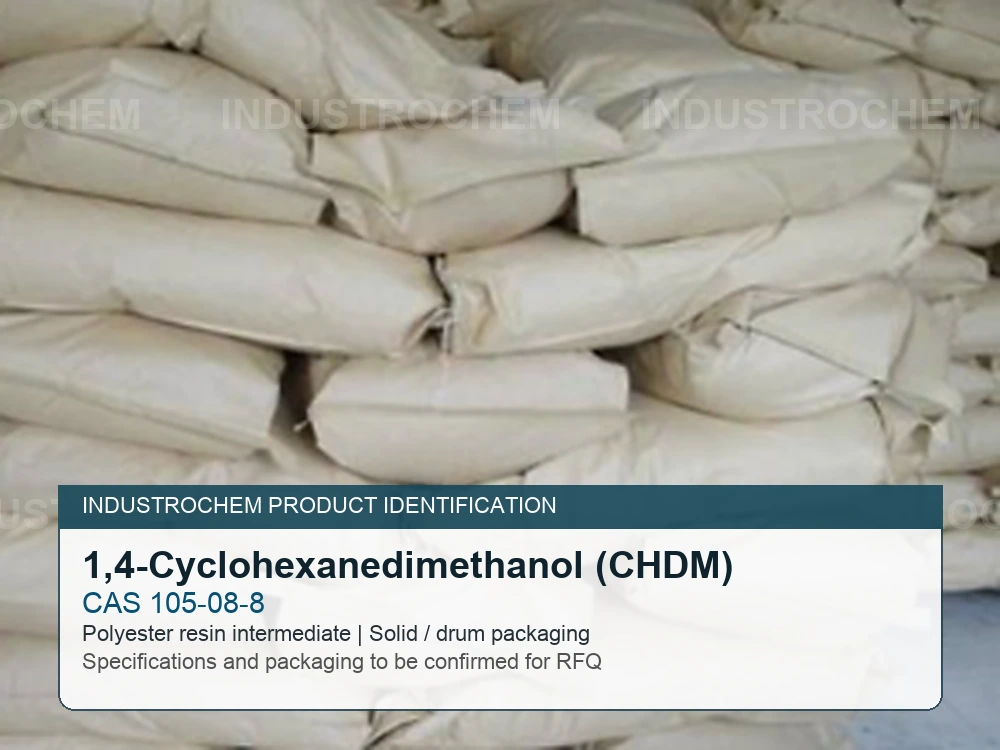
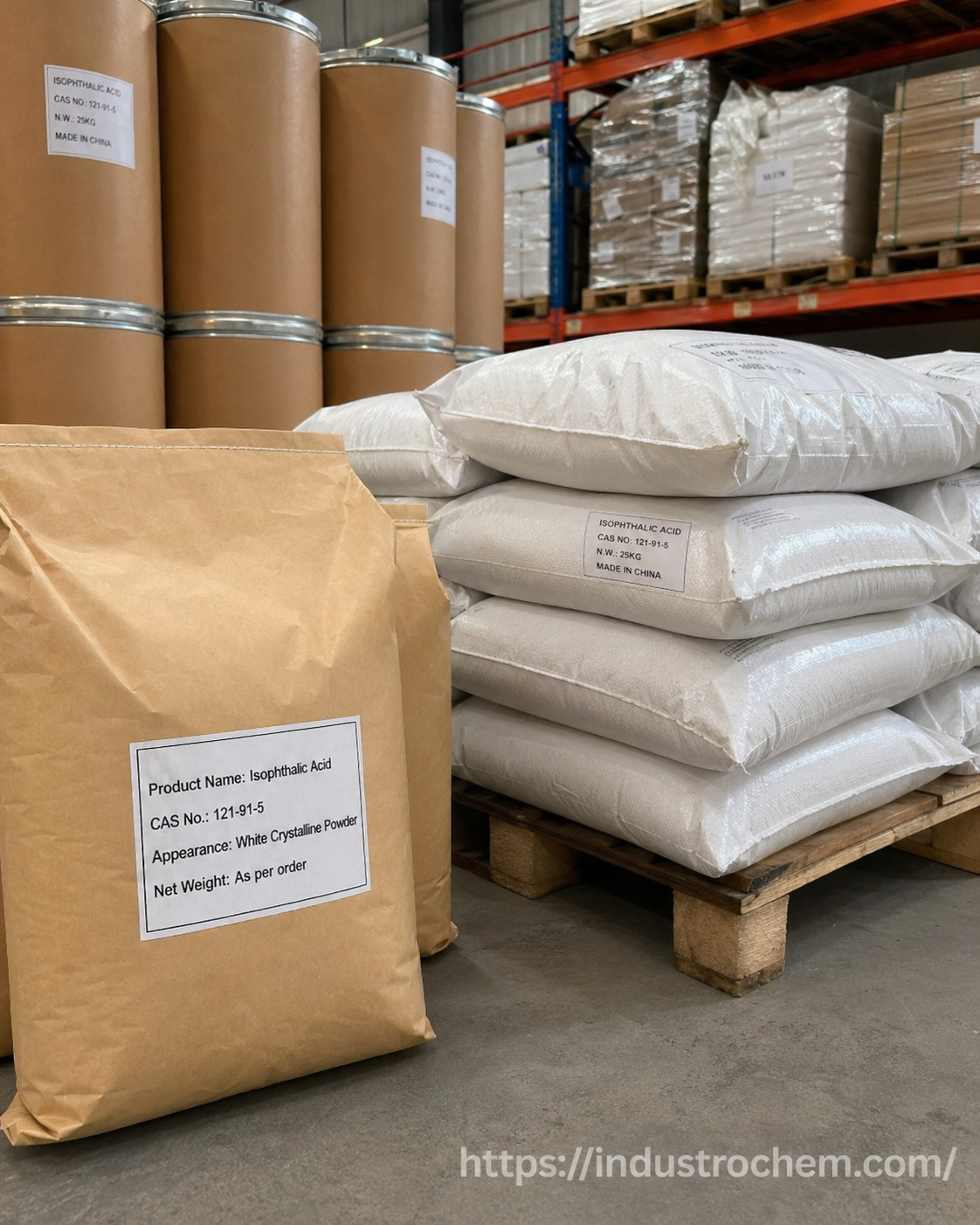
Isophthalic Acid is supplied as a solid crystalline powder and packed in moisture-resistant bags or bulk containers suitable for industrial chemical handling. Typical packaging includes woven bags with inner liners or bulk bags for large-volume orders. Packaging is designed to prevent moisture uptake and contamination during storage and transportation, and can be arranged according to order quantity and logistics requirements.

Storage

Store in a cool, dry, and well-ventilated area. Keep containers tightly sealed to prevent moisture absorption and contamination. Avoid exposure to excessive humidity and direct sunlight. Maintain package integrity during storage and handling to ensure consistent product performance.

For related polyester intermediate pages, compare Purified Terephthalic Acid, 1,4-Cyclohexanedimethanol, and Dimethyl Isophthalate.

FAQ - Technical & Supply Chain

  • Q:

    What is Isophthalic Acid CAS 121-91-5?

    A: It is an aromatic dicarboxylic acid with the formula C8H6O4 and a molecular weight of about 166.13 g/mol. It is also known as 1,3-benzenedicarboxylic acid or m-phthalic acid, and is normally supplied as a white crystalline powder.
  • Q:

    What are the main uses of Isophthalic Acid?

    A: It is used mainly as a monomer in unsaturated polyester resins, alkyd resins, powder coatings, and specialty polyesters. Its meta-position carboxyl groups help improve chemical resistance, hydrolytic stability, and mechanical performance in coatings and composites.
  • Q:

    How does Isophthalic Acid differ from terephthalic acid?

    A: Isophthalic Acid is the meta-isomer with carboxyl groups in the 1 and 3 positions, while terephthalic acid is the para-isomer with carboxyl groups in the 1 and 4 positions. Isophthalic Acid is often selected for resin formulations requiring improved chemical and hydrolytic resistance, whereas terephthalic acid is more commonly used for high-molecular-weight PET fiber and bottle resin.
  • Q:

    What typical properties should buyers check?

    A: Important checks include appearance, purity, acid value, moisture content, and trace impurity levels that can affect polymerization. The material has a high melting point around 345-348 C with sublimation, low water solubility, and a density near 1.5 g/cm3.
  • Q:

    How should Isophthalic Acid be stored and handled?

    A: Keep the powder in tightly closed containers in a cool, dry, well-ventilated area, away from moisture, direct sunlight, strong oxidizers, and bases. Dust should be controlled with appropriate ventilation and protective equipment because finely dispersed organic powder can be combustible and may irritate the eyes, skin, or respiratory tract.

Ordering & Documentation

Key information for document requests, quotations, and supply planning.

Documents

COA, TDS, SDS/MSDS and packing details are available on request.

Quotation

Send the CAS number, grade, quantity, packing preference and destination.

Sample & Supply

Support is available for samples, trial orders, bulk and repeat supply.

Storage & Shipping

Product-specific conditions are confirmed before order.

Contact Form

Use our contact form to send us your questions, suggestions or comments. We will respond as soon as possible.