









Sodium Thiosulfate (CAS 7772-98-7), chemically identified as disodium thiosulfate or sodium hyposulfite, is an inorganic salt functioning as a highly effective dechlorinating agent and metal complexing agent in industrial water treatment and precious metal extraction processes. This stable crystalline compound, also technically referred to as thiosulfuric acid disodium salt, serves as a critical reducing agent for neutralizing chlorine levels in aquaculture and textile bleaching, and acts as a fixative in photographic processing. We provide bulk supply of this industrial raw material with competitive factory pricing to ensure operational efficiency for processing plants. Our manufacturing standards guarantee chemical stability, making MSDS, TDS, COA available alongside customized specifications to suit diverse application environments.
Sodium Thiosulfate CAS 7772-98-7
- CAS: 7772-98-7
- Synonyms: disodium thiosulfate, sodium hyposulfite, thiosulfuric acid disodium salt, sodium oxide sulfide, hyposulphite of soda
- Einecs: 231-867-5
- Molecular Formula: Na₂S₂O₃·5H₂O
- Grade: Industrial / Technical / Photographic grade
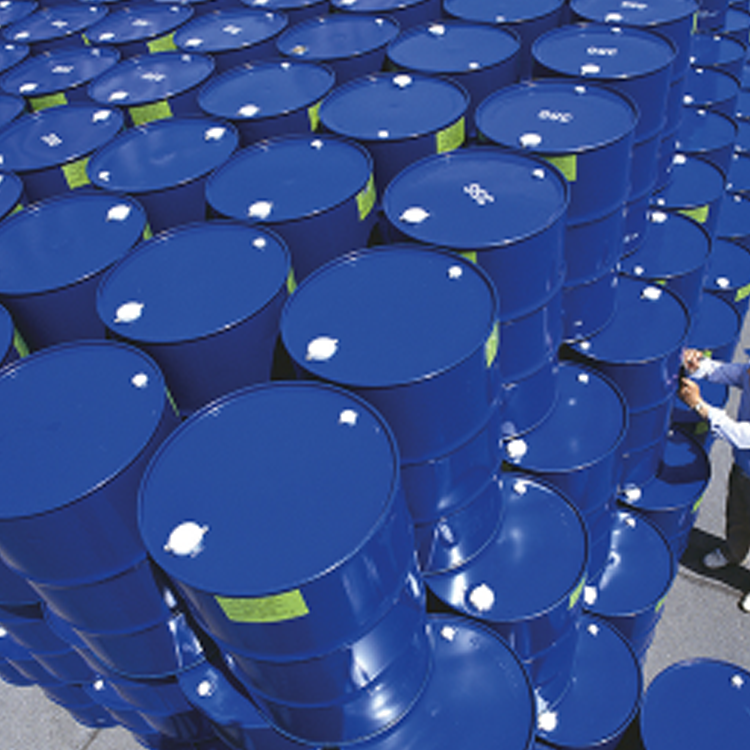
- Package: 25 kg woven bag or kraft bag with inner liner, 1,000 kg jumbo bag or as required
Product Description
Sodium Thiosulfate is an inorganic salt widely used as a dechlorinating agent, photographic fixer, and process chemical in water treatment, mining, and various industrial applications. It offers reliable performance, good solubility in water, and stable quality suitable for bulk industrial and technical use.
📧 Email: info@industrochem.com – Contact us for detailed specifications, COA and latest price.
Physicochemical Properties
| Item | Specification / Typical Value |
|---|---|
| Chemical Name | Sodium Thiosulfate Pentahydrate |
| CAS No. | 7772-98-7 |
| Molecular Formula | Na₂S₂O₃·5H₂O |
| Molecular Weight | Approx. 248.18 g/mol |
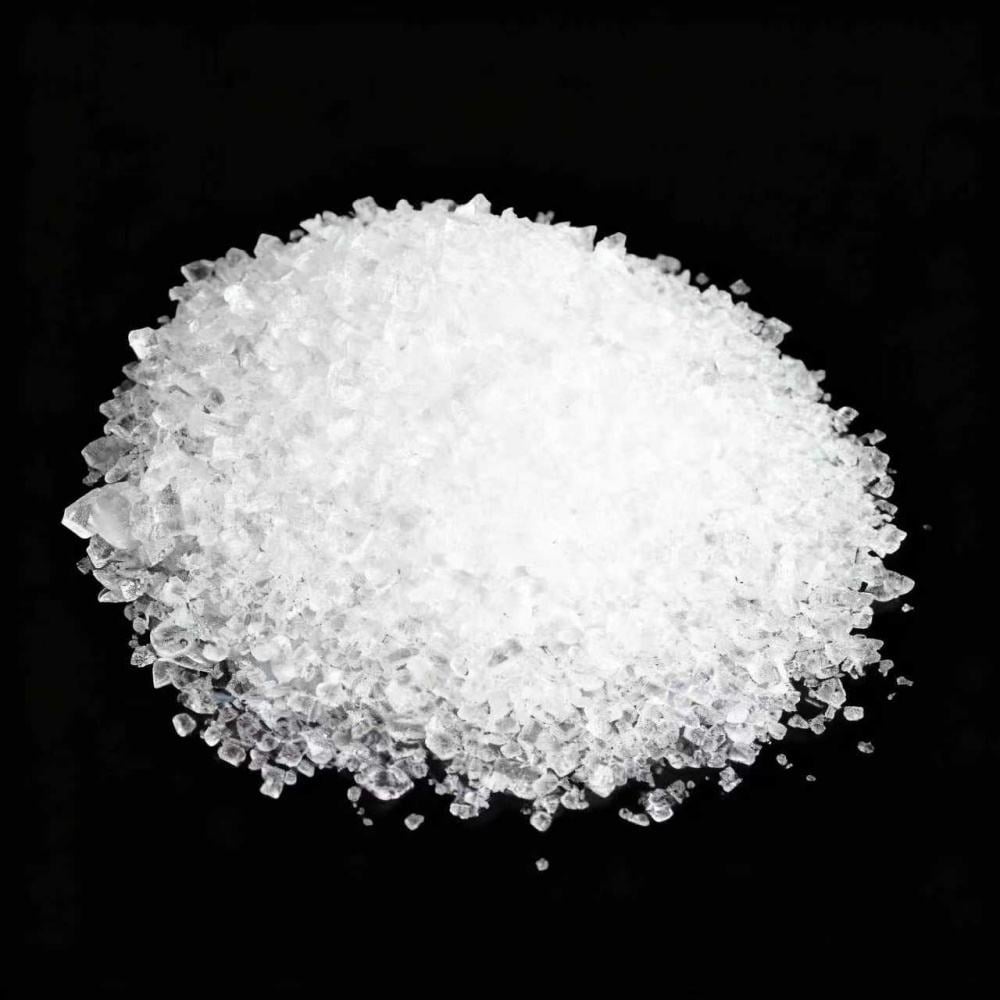
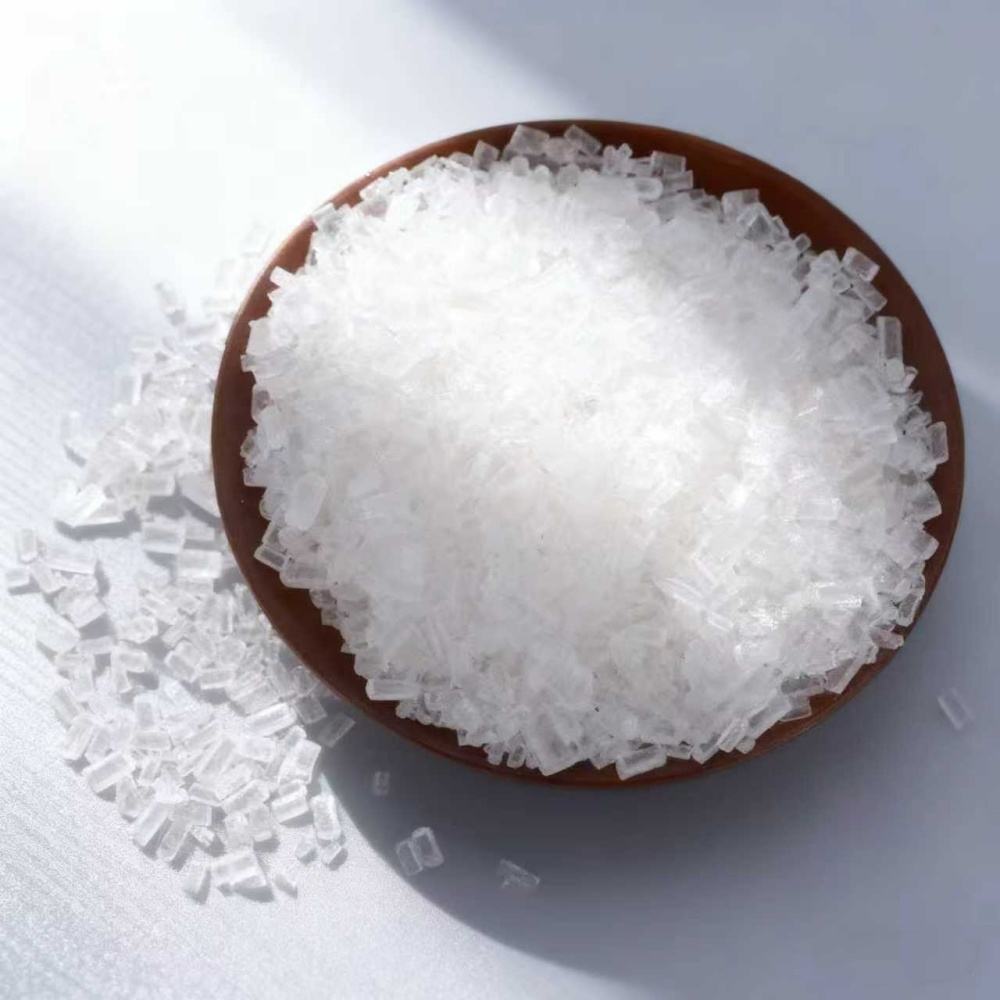
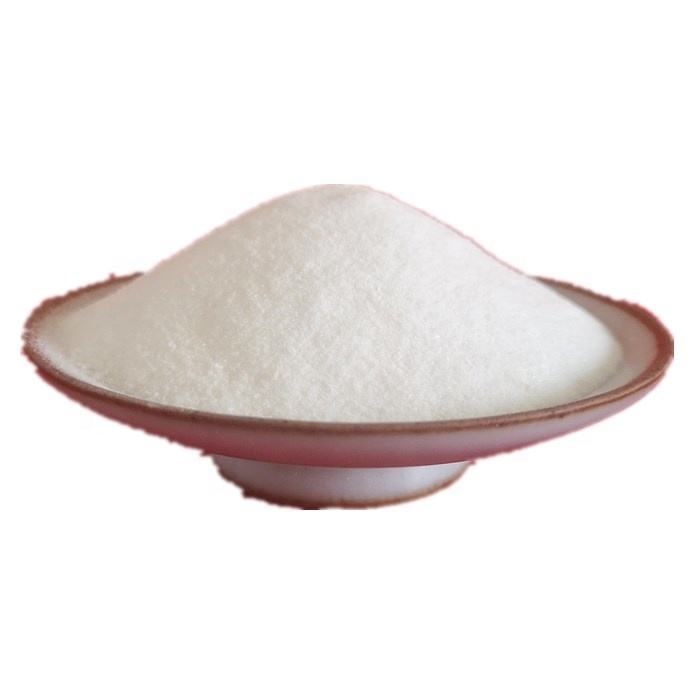
| Appearance | White crystalline granules or powder |
| Odor | Odorless |
| Assay (Na₂S₂O₃) | Typically ≥ 99.0% (on dry basis) |
| Insoluble Matter | Low, suitable for industrial and water treatment use |
| Solubility | Freely soluble in water |
| pH (5–10% aq. solution) | Typically 6.5 – 9.5 |
| Bulk Density | Approx. 1.6 – 1.8 g/cm³ |
| Decomposition / Melting Point | Loses crystal water and decomposes around 48–50 °C |
| Stability | Stable under normal storage and handling |
| Incompatibility | Strong acids, strong oxidizing agents |
(Typical values; can be adjusted according to your required specification.)
Applications
- Water Treatment & Dechlorination
- Neutralizes residual chlorine in municipal and industrial water.
- Used in boiler water, cooling water and wastewater treatment systems to protect downstream equipment and processes.
- Photographic Industry
- Acts as a classic fixer for photographic films and papers, dissolving unexposed silver halides.
- Used in traditional darkroom processes and some specialized imaging applications.
- Mining & Metallurgy
- Participates in cyanide-related processes and detoxification in precious metal extraction.
- Helps reduce toxicity in cyanide-bearing effluents when properly used in engineered systems.
- Chemical & Pharmaceutical Processes
- Functions as a reducing agent and analytical reagent in laboratories and process lines.
- Used as an auxiliary chemical in some pharmaceutical and diagnostic applications (according to local regulations).
- Textile & Pulp Industries
- Applied as a reducing and dechlorinating agent after bleaching steps.
- Helps protect fibers and improve final product quality by removing residual oxidants.
If you need a tailored grade for specific applications (high-purity, low insoluble, special particle size), please contact us for customized specifications.
Storage Conditions
- Store in a cool, dry, well-ventilated warehouse.
- Keep containers tightly closed to prevent moisture uptake and caking.
- Protect from direct sunlight, rain and high temperature.
- Keep away from strong acids and strong oxidizing agents.
- Recommended storage temperature: ambient, avoiding extremes.
- Under proper storage, typical shelf life is 24 months from production date.
Safety Precautions
- Sodium Thiosulfate is generally considered to have low acute toxicity, but good industrial hygiene practices must always be followed.
- Avoid creating or inhaling dust; use local exhaust ventilation where dust may be generated.
- Wear appropriate personal protective equipment (PPE): safety glasses or goggles, dust mask/respirator, gloves and protective work clothing.
- Avoid contact with eyes and prolonged skin contact. In case of contact, rinse with plenty of water.
- Do not eat, drink or smoke in the working area; wash hands thoroughly after handling.
- In case of large spills, collect the material mechanically and avoid discharge into natural water bodies.
- Dispose of material and packaging in accordance with local regulations.
For detailed SDS and handling guidelines, please request documentation via: info@industrochem.com.
FAQ - Technical & Supply Chain
-
Q:
How is Sodium Thiosulfate (CAS 7772-98-7) chemically distinguished from Sodium Sulfite?
A: Sodium Thiosulfate contains a thiosulfate anion (S2O3 2-) where one oxygen atom is replaced by a sulfur atom, whereas Sodium Sulfite contains a sulfite anion (SO3 2-); this structural difference gives Thiosulfate superior complexing abilities, particularly with silver and gold ions. -
Q:
What is the primary functional application of this chemical in water treatment facilities?
A: In industrial water treatment, Sodium Thiosulfate is intended for use as a dechlorination agent to neutralize residual chlorine and chloramines before wastewater discharge or reuse, preventing oxidative damage to downstream equipment or ecosystems.
Documents and Product Support
For product review and sourcing evaluation, supporting documents can be coordinated according to the product type, inquiry stage, and order requirements.
- COA for batch-based quality reference
- TDS for key physical and chemical information
- SDS / MSDS for handling, storage, and safety reference
- Packing information for sample, trial, and bulk orders
- Technical communication based on application and specification requirements
Information to Confirm Before Quotation
Clear sourcing information helps reduce specification mismatch and allows a more accurate quotation before sample or bulk order discussion.
- Product name and CAS number
- Application or intended end use
- Required purity, grade, or specification
- Sample quantity, trial order, or bulk demand
- Preferred packing form or net weight
- Destination country or port
- Required documents or compliance expectations
Packaging, Storage, and Handling Notes
Packaging form, storage conditions, shelf life, and shipment arrangements should be confirmed according to the product characteristics, package size, and destination requirements.
Before order confirmation, buyers are advised to review the corresponding product documents and confirm whether any special storage, labeling, or handling requirements apply.
Sample, Bulk Order and Repeat Supply Support
Support can be arranged for sample discussion, bulk supply planning, packaging confirmation, and routine sourcing communication based on the actual product and order requirements.
For repeat-use formulations or long-term procurement plans, buyers may discuss specification consistency, packaging preferences, delivery expectations, and document coordination in advance.