











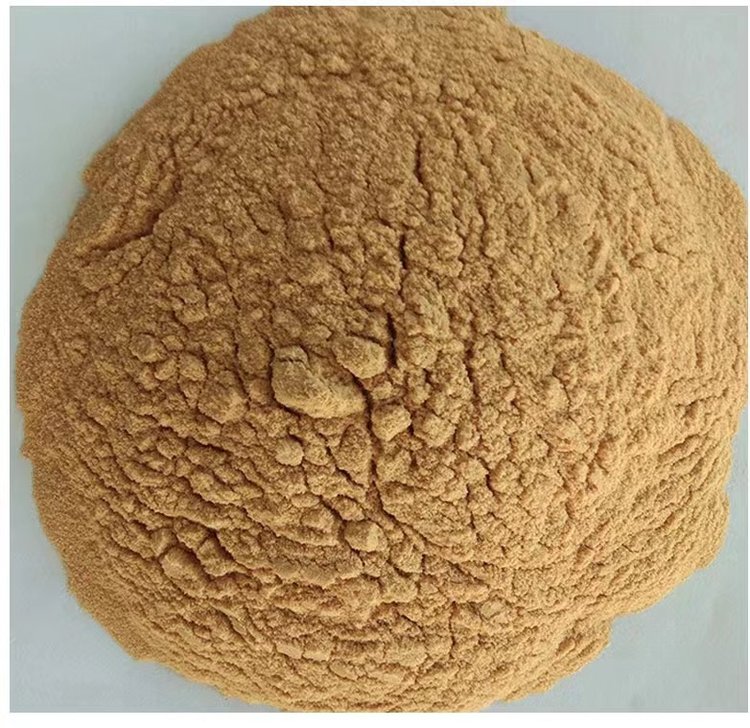
• Polyferric Sulfate (PFS) CAS 10028-22-5
  • Polyferric Sulfate (PFS) CAS 10028-22-5

Polyferric Sulfate (PFS) CAS 10028-22-5

Polyferric Sulfate (CAS 10028-22-5), widely designated in the industry as PFS, is a high-efficiency inorganic polymer coagulant functioning as a rapid settling agent and phosphorus remover in municipal and industrial wastewater treatment. This reddish-brown powder (or liquid), chemically characterized by its high degree of polymerization and extensive molecular chain, acts to destabilize colloidal particles and suspended solids more aggressively than traditional ferric salts, forming dense, heavy flocs that precipitate quickly. We provide bulk supply of this water treatment chemical with competitive factory pricing to optimize sludge dewatering processes for utility operators. Our synthesis process ensures consistent basicity and total iron content , making MSDS, TDS, COA available alongside customized specifications to meet specific turbidity removal or drinking water safety standards.

  • CAS: 10028-22-5
  • Synonyms: PFS, Polymeric Ferric Sulfate, Polyiron sulfate, Iron polymer flocculant, Basic ferric sulfate
  • Einecs: 233-072-9
  • Molecular Formula: [Fe2(OH)n(SO4)3-n/2]m
  • Grade: Industrial / Water Treatment Grade
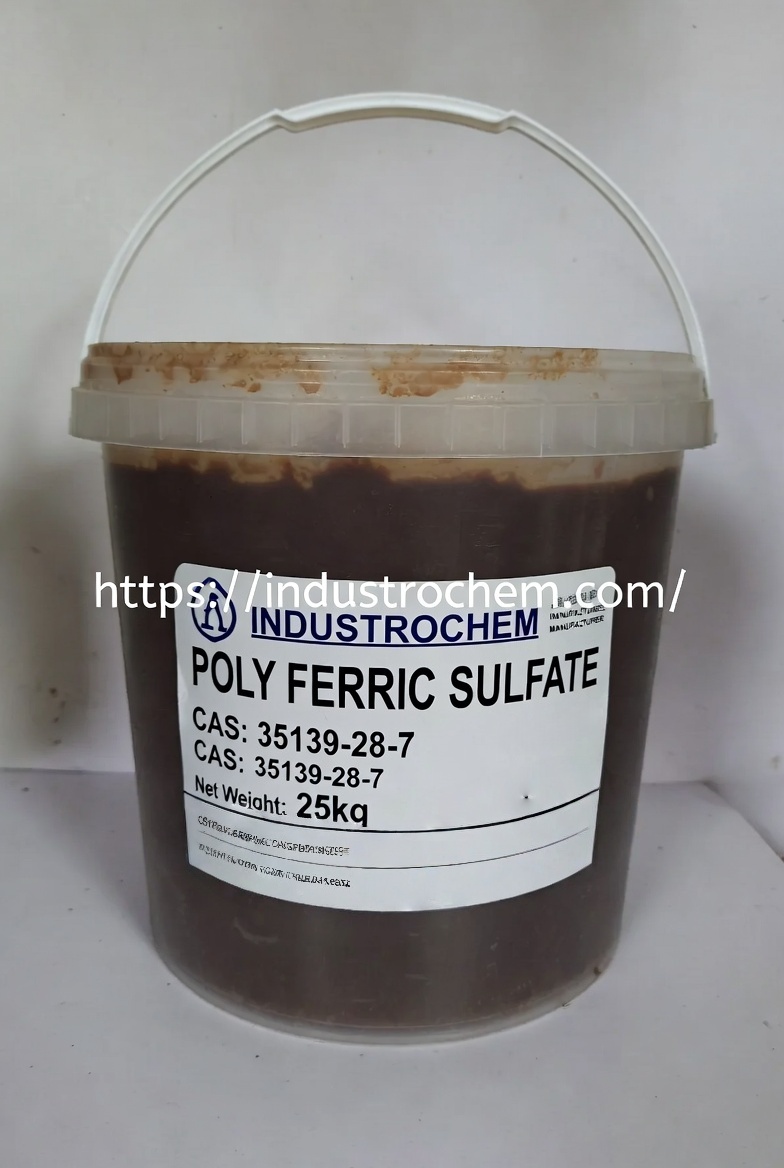
  • Package: 25 kg / 50 kg PP woven bag with inner PE liner (solid); 1,000 L IBC / bulk tank (liquid), or customized as required
Request a quote
Share:

Product Description

Product Introduction

Polyferric Sulfate is a polymerized basic ferric salt. Compared with traditional ferric sulfate or aluminum coagulants, PFS forms larger and denser flocs with higher settling velocity, even at low temperatures and in low-turbidity water. It has strong charge neutralization and bridging capabilities, effectively removing turbidity, suspended solids, COD, color, phosphate and heavy metal ions.

PFS is suitable for drinking water plants, industrial circulating water, papermaking wastewater, electroplating wastewater, printing & dyeing wastewater, mining wastewater and other fields. It shows good performance in both conventional sedimentation processes and modern clarification systems like lamella clarifiers and DAF (dissolved air flotation).


Physicochemical Properties

Typical Specifications (Solid Grade, for reference)

ItemUnitTypical Value
AppearanceLight yellow to yellow-brown powder
Fe³⁺ content%≥ 20.0
Basicity (basic degree)%10 – 20
Insoluble matter%≤ 0.5
pH (1% aqueous solution)2.0 – 3.0
As (as As³⁺)mg/kg≤ 2
Pbmg/kg≤ 10
Crmg/kg≤ 10
Cdmg/kg≤ 2
Hgmg/kg≤ 0.5
Water solubilityCompletely soluble in water
Recommended dosageg/m³ (ppm)10 – 60 (depending on raw water quality)

Typical Specifications (Liquid Grade, for reference)

ItemUnitTypical Value
AppearanceYellow-brown clear or slightly turbid liquid
Density (20 °C)g/mL1.30 – 1.50
Fe³⁺ content%≥ 11.0
Basicity%8 – 18
Insoluble matter%≤ 0.5
pH (as supplied)1.5 – 3.0
Free acidity (as H₂SO₄)%≤ 3.0

Note: Actual specification can be adjusted according to customer’s process requirements (Fe³⁺ content, basicity, impurity limits, etc.). Please send your detailed spec or current coagulant data sheet for matching.


Applications

  1. Drinking Water Treatment
    • Coagulation and clarification of surface water (rivers, lakes, reservoirs).
    • Removal of turbidity, colloids, algae, organic color and partial heavy metals.
    • Good performance under low-temperature, low-turbidity conditions.
  2. Municipal Sewage and Industrial Wastewater
    • COD, BOD and SS removal in municipal wastewater treatment plants.
    • Treatment of papermaking, textile printing & dyeing, electroplating, mining and chemical wastewater.
    • Used in primary coagulation, tertiary polishing and phosphorus removal sections.
  3. Sludge Dehydration and Phosphorus Removal
    • Enhances sludge dewatering performance when used with polymer flocculants.
    • Effective precipitation of phosphate, suitable for total phosphorus control in effluent.
  4. Industrial Circulating Water and Desalination Pretreatment
    • Pretreatment of cooling water and seawater/brackish water desalination systems.
    • Reduces fouling and turbidity load on downstream equipment and membranes.
  5. Other Fields
    • Beneficiation and tailing clarification in mining.
    • Clarification of food and beverage processing effluents (where allowed by local regulations).

If you share your raw water analysis report (turbidity, COD, pH, alkalinity, etc.), we can recommend the most suitable grade and dosage range.


Storage Conditions

  • Storage temperature: Preferably 5 – 30 °C. Avoid freezing and long-term exposure to high temperature.
  • Environment: Keep in a cool, dry, well-ventilated warehouse, protected from direct sunlight and rain.
  • Packaging integrity: Keep bags or IBC tanks tightly closed when not in use to prevent moisture absorption (solid) or concentration change (liquid).
  • Shelf life:
    • Solid: typically 12 – 24 months under recommended storage conditions.
    • Liquid: typically 6 – 12 months; slight precipitation during storage can usually be redissolved by stirring and does not affect normal use if main indexes remain qualified.
  • Stacking: Avoid excessive stacking height for bagged products to prevent caking and packaging damage.

Safety Precautions

  • Polyferric Sulfate is acidic and may cause irritation to eyes, skin and respiratory tract.
  • Avoid direct contact. Wear appropriate protective gloves, goggles and work clothing when handling.
  • In case of skin contact, wash immediately with plenty of water and soap.
  • If it gets into the eyes, rinse with clean water for at least 15 minutes and seek medical attention if irritation persists.
  • Avoid inhalation of dust or mist. Provide local ventilation or general exhaust in working areas.
  • Do not eat, drink or smoke while handling the product; wash hands thoroughly after operation.
  • Spillage should be collected and reused if possible. Rinse remaining residues with plenty of water into the treatment system; do not discharge directly into natural water bodies without treatment.
  • For detailed information, please follow your local regulations and refer to the product SDS.

FAQ - Technical & Supply Chain

  • Q:

    What distinct operational advantage does the polymeric structure of PFS offer over standard Ferric Sulfate?

    A: The long-chain polymeric network of PFS provides superior bridging capabilities during the coagulation process, which results in larger, denser flocs that settle significantly faster than those formed by simple monomeric salts, thereby increasing the hydraulic capacity of clarifiers.
  • Q:

    Does this iron-based coagulant perform reliably in low-temperature or low-turbidity water conditions?

    A: Yes, unlike aluminum-based coagulants which often suffer from slow hydrolysis in cold water, PFS maintains high reactivity and excellent hydrolysis speed even at low temperatures, ensuring effective turbidity removal without requiring excessive dosage increases.
Documents

Documents and Product Support

For product review and sourcing evaluation, supporting documents can be coordinated according to the product type, inquiry stage, and order requirements.

  • COA for batch-based quality reference
  • TDS for key physical and chemical information
  • SDS / MSDS for handling, storage, and safety reference
  • Packing information for sample, trial, and bulk orders
  • Technical communication based on application and specification requirements
Quotation

Information to Confirm Before Quotation

Clear sourcing information helps reduce specification mismatch and allows a more accurate quotation before sample or bulk order discussion.

  • Product name and CAS number
  • Application or intended end use
  • Required purity, grade, or specification
  • Sample quantity, trial order, or bulk demand
  • Preferred packing form or net weight
  • Destination country or port
  • Required documents or compliance expectations
Storage & Handling

Packaging, Storage, and Handling Notes

Packaging form, storage conditions, shelf life, and shipment arrangements should be confirmed according to the product characteristics, package size, and destination requirements.

Before order confirmation, buyers are advised to review the corresponding product documents and confirm whether any special storage, labeling, or handling requirements apply.

Supply Support

Sample, Bulk Order and Repeat Supply Support

Support can be arranged for sample discussion, bulk supply planning, packaging confirmation, and routine sourcing communication based on the actual product and order requirements.

For repeat-use formulations or long-term procurement plans, buyers may discuss specification consistency, packaging preferences, delivery expectations, and document coordination in advance.

Contact Form

Use our contact form to send us your questions, suggestions or comments. We will respond as soon as possible.