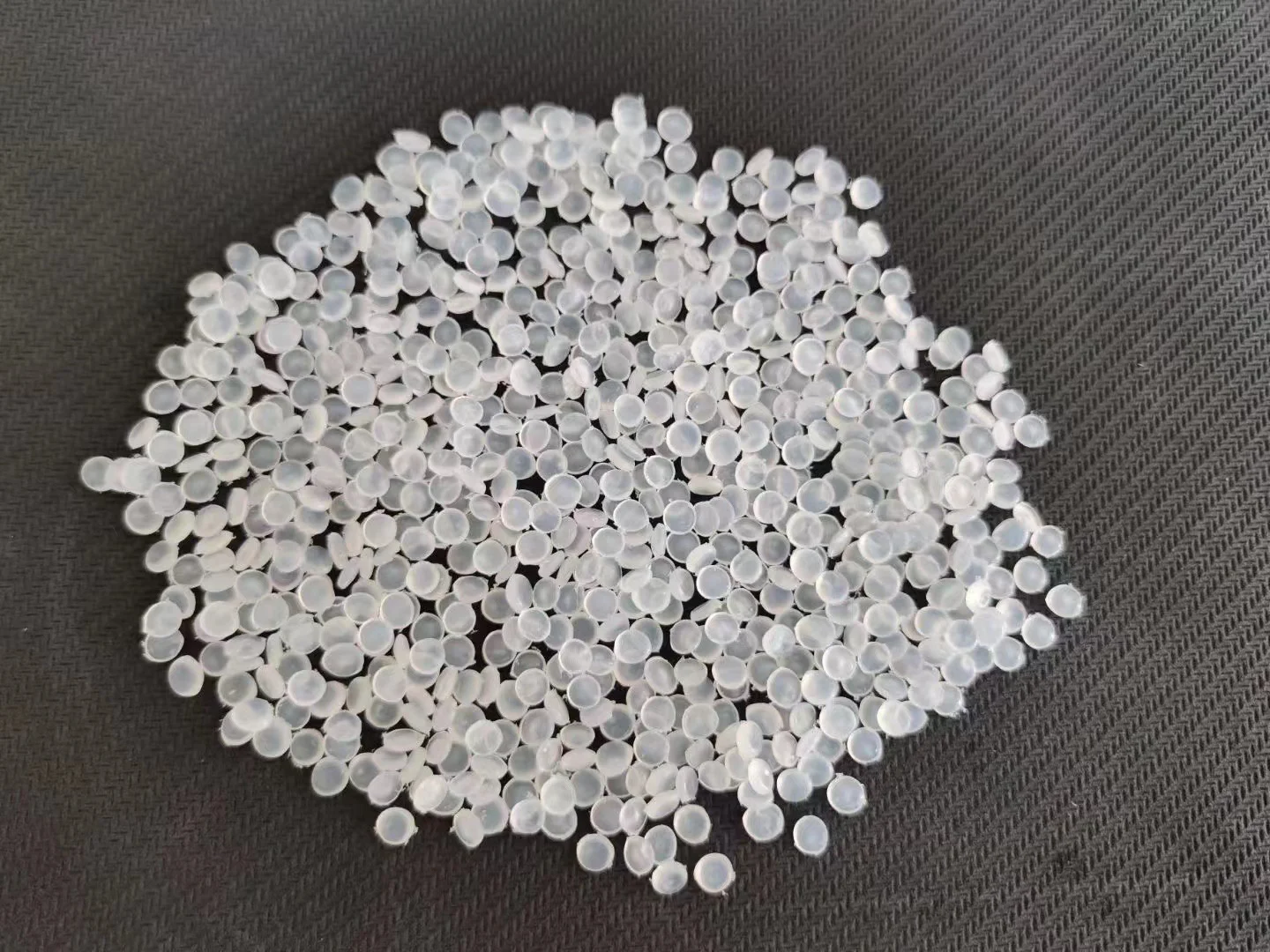










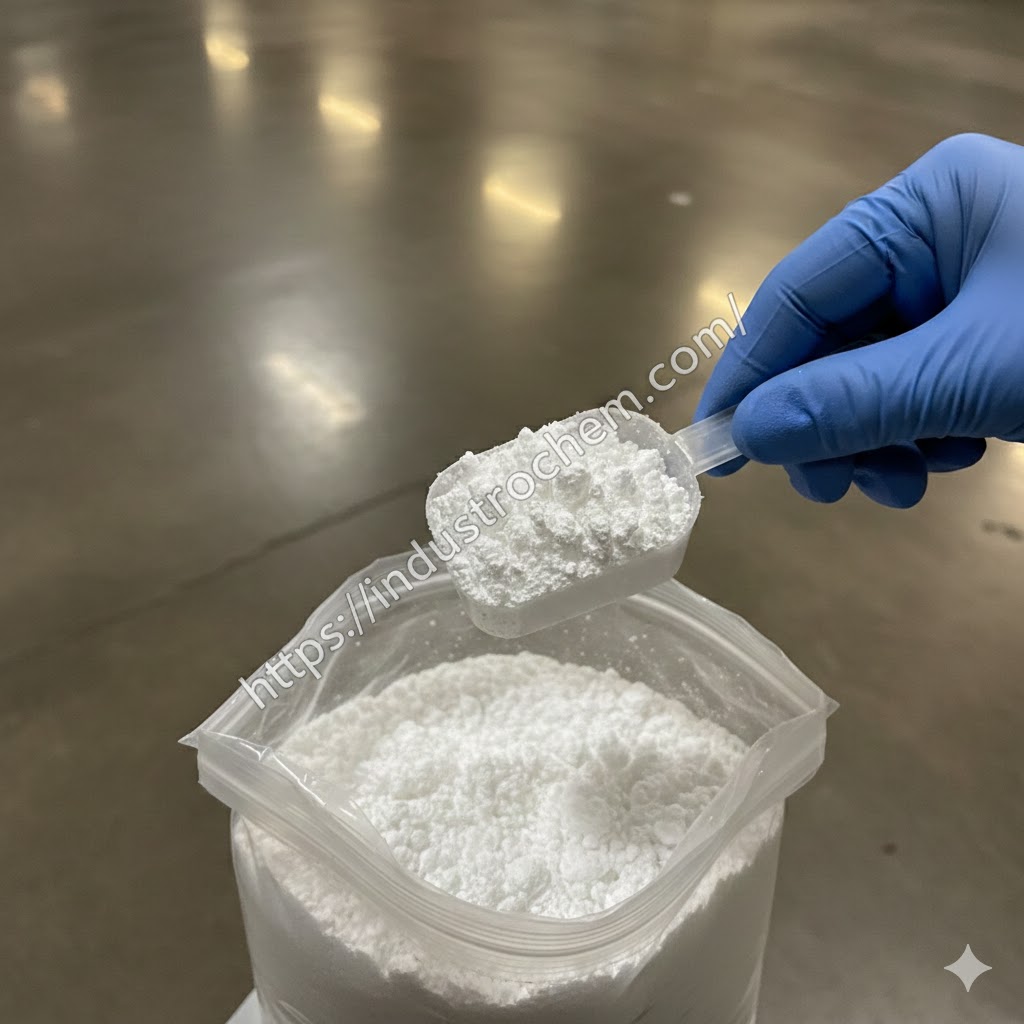
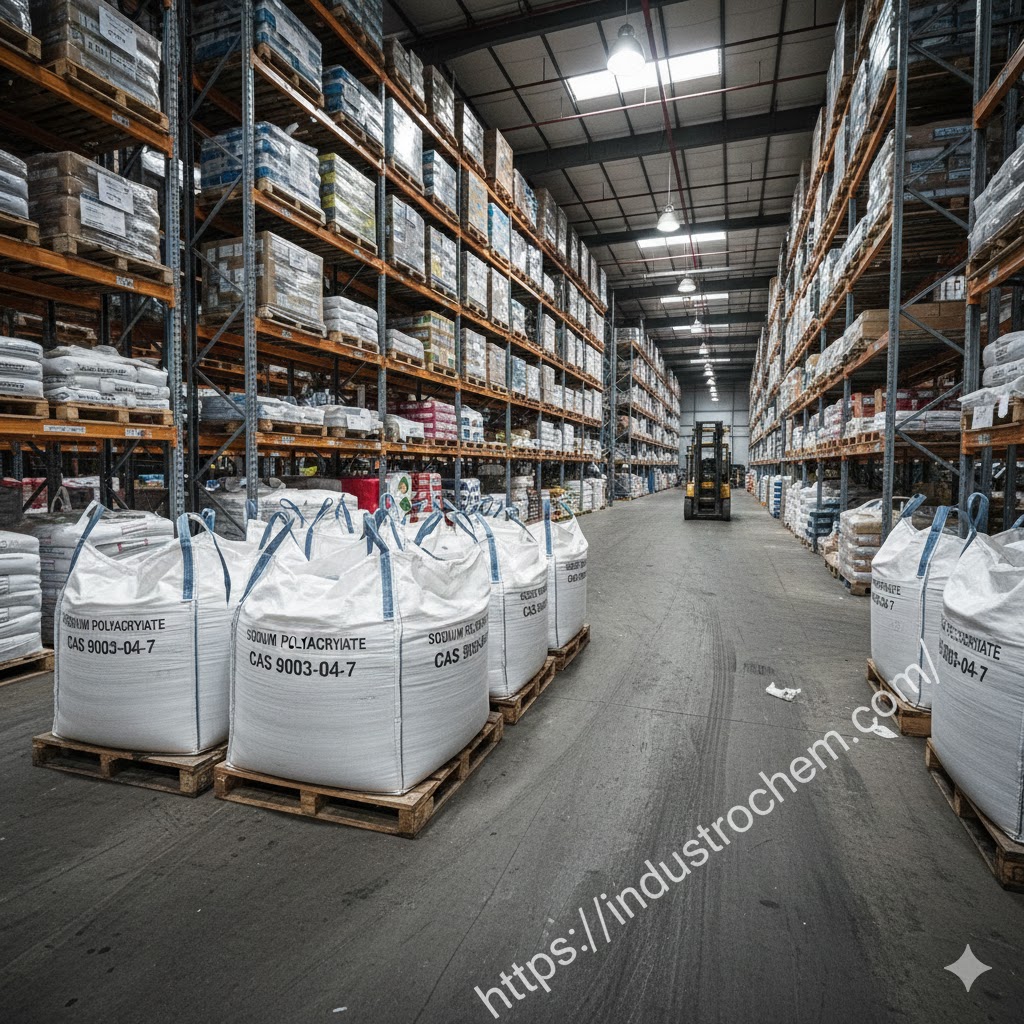
Sodium Polyacrylate CAS 9003-04-7 is a functional polyelectrolyte polymer chemically defined as the sodium salt of polyacrylic acid , functioning primarily as a superabsorbent material in hygiene products and a scale inhibitor in industrial water treatment. Also known as Acrylic acid sodium salt polymer or PAAS, this hygroscopic white powder (or liquid solution) is utilized to solidify liquid waste in sludge treatment and serves as a high-capacity water retention agent in agricultural hydrogels. We provide professional access to this material with competitive factory pricing and the ability to meet customized specifications (such as cross-linking density or molecular weight) for various manufacturing requirements. Our commitment to technical transparency ensures that every shipment is accompanied by comprehensive MSDS, TDS, COA documentation to support your quality assurance protocols, and we maintain capacity for consistent bulk supply to facilitate large-scale industrial operations.
Sodium Polyacrylate CAS 9003-04-7
- CAS: 9003-04-7
- Synonyms: Polyacrylic acid sodium salt, Sodium poly-2-propene-1-oate, Acrylic acid sodium salt polymer, PAAS, Sodium polyacrylate homopolymer
- Einecs: 692-137-3
- Grade: feed additives
- Package: 25kg/bag (Plastic woven bag with PE liner) or 500kg/1000kg Jumbo Bag.
Product Description
Physical & Chemical Properties
Because CAS 9003-04-7 covers a range of molecular weights (from low-weight liquids to high-weight cross-linked powders), specifications can vary. Below are the typical properties for the standard industrial solid/powder grade.
| Property | Specification |
|---|---|
| Chemical Name | Sodium Polyacrylate (PAAS) |
| CAS Number | 9003-04-7 |
| Appearance | White powder, granules, or clear/amber liquid |
| Solid Content | ≥ 90% (Powder) / 30-50% (Liquid) |
| pH Value (1% solution) | 6.0 – 9.0 (Neutral to Mildly Alkaline) |
| Solubility | Highly soluble in water; Insoluble in organic solvents |
| Molecular Weight | Customizable (Low MW for dispersion; High MW for thickening/absorption) |
| Stability | Stable under normal temperature and pressure |
Key Application Fields
The magic of Sodium Polyacrylate lies in its adaptability. We supply varying grades tailored to these specific industries:
1. Water Treatment & Industrial Circulating Systems (Low Molecular Weight) In cooling water systems and boilers, Sodium Polyacrylate acts as an exceptional scale inhibitor and dispersant. It prevents calcium carbonate and calcium sulfate crystals from adhering to pipes, significantly improving heat transfer efficiency and reducing maintenance costs.
2. Detergents and Cleaning Agents (Low to Medium Molecular Weight) It is a crucial ingredient in laundry detergents and dishwashing liquids. It functions as an anti-redeposition agent, ensuring that dirt lifted from clothes or dishes is suspended in the water and rinsed away, rather than settling back onto the surface.
3. Paper and Textile Processing Used as a pigment dispersant, it helps lower the viscosity of coating mixtures (like calcium carbonate slurries), allowing for faster, smoother production runs.
4. Superabsorbent Polymers (SAP) / Hygiene (Cross-linked / High Molecular Weight) For the hygiene industry (diapers, sanitary pads) and agriculture (water retention crystals), we offer the cross-linked form. This version absorbs rapidly and retains water under pressure, transforming liquids into a stable gel.
5. Drilling Fluids In the oil and gas sector, it serves as a fluid loss control agent and viscosity modifier, helping to stabilize the borehole.
Safety and Precautionary Measures
Sodium Polyacrylate is generally considered low-toxicity and safe for industrial handling, but physical safety is the primary concern.
- Slip Hazard: This is the most critical safety note. When Sodium Polyacrylate powder mixes with even a tiny amount of water (spilled on the floor), it becomes extremely slippery. Spills should be cleaned up dry (sweeping or vacuuming) before washing the area.
- Respiratory Protection: Like any fine powder, inhalation should be avoided. Operators should wear dust masks (N95) during handling.
- Eye Contact: Wear safety goggles. If dust enters the eyes, flush with plenty of water.
Storage and Handling Conditions
To maintain the product’s efficacy—especially for powder grades—proper storage is non-negotiable.
- Moisture Control: The product is hygroscopic (it loves to absorb moisture from the air). Keep bags/drums tightly sealed immediately after use.
- Environment: Store in a cool, dry, and well-ventilated warehouse.
- Packaging: Typically available in 25kg paper bags with PE liners or bulk bags. Ensure the liner is intact to prevent cumping.
- Shelf Life: Generally 12-24 months if kept dry.
FAQ - Technical & Supply Chain
-
Q:
How is Sodium Polyacrylate (CAS 9003-04-7) chemically differentiated for specific industrial uses (e.g., absorption vs. dispersion)?
A: The chemical behavior of CAS 9003-04-7 is dictated by its molecular structure: "Cross-linked" Sodium Polyacrylate is insoluble and functions as a Superabsorbent Polymer (SAP) capable of absorbing hundreds of times its weight in water. In contrast, "Linear" (non-cross-linked) Sodium Polyacrylate is water-soluble and functions primarily as a dispersant or scale inhibitor in water treatment systems. -
Q:
Is this material suitable for use as a thickening agent in industrial formulations?
A: Yes. Due to its polyelectrolyte nature, Sodium Polyacrylate functions as an effective thickener and stabilizer in aqueous systems. It increases viscosity by uncoiling its polymer chains upon neutralization, making it suitable for stabilizing emulsions in paints, coatings, and industrial cleaners.
Documents and Product Support
For product review and sourcing evaluation, supporting documents can be coordinated according to the product type, inquiry stage, and order requirements.
- COA for batch-based quality reference
- TDS for key physical and chemical information
- SDS / MSDS for handling, storage, and safety reference
- Packing information for sample, trial, and bulk orders
- Technical communication based on application and specification requirements
Information to Confirm Before Quotation
Clear sourcing information helps reduce specification mismatch and allows a more accurate quotation before sample or bulk order discussion.
- Product name and CAS number
- Application or intended end use
- Required purity, grade, or specification
- Sample quantity, trial order, or bulk demand
- Preferred packing form or net weight
- Destination country or port
- Required documents or compliance expectations
Packaging, Storage, and Handling Notes
Packaging form, storage conditions, shelf life, and shipment arrangements should be confirmed according to the product characteristics, package size, and destination requirements.
Before order confirmation, buyers are advised to review the corresponding product documents and confirm whether any special storage, labeling, or handling requirements apply.
Sample, Bulk Order and Repeat Supply Support
Support can be arranged for sample discussion, bulk supply planning, packaging confirmation, and routine sourcing communication based on the actual product and order requirements.
For repeat-use formulations or long-term procurement plans, buyers may discuss specification consistency, packaging preferences, delivery expectations, and document coordination in advance.