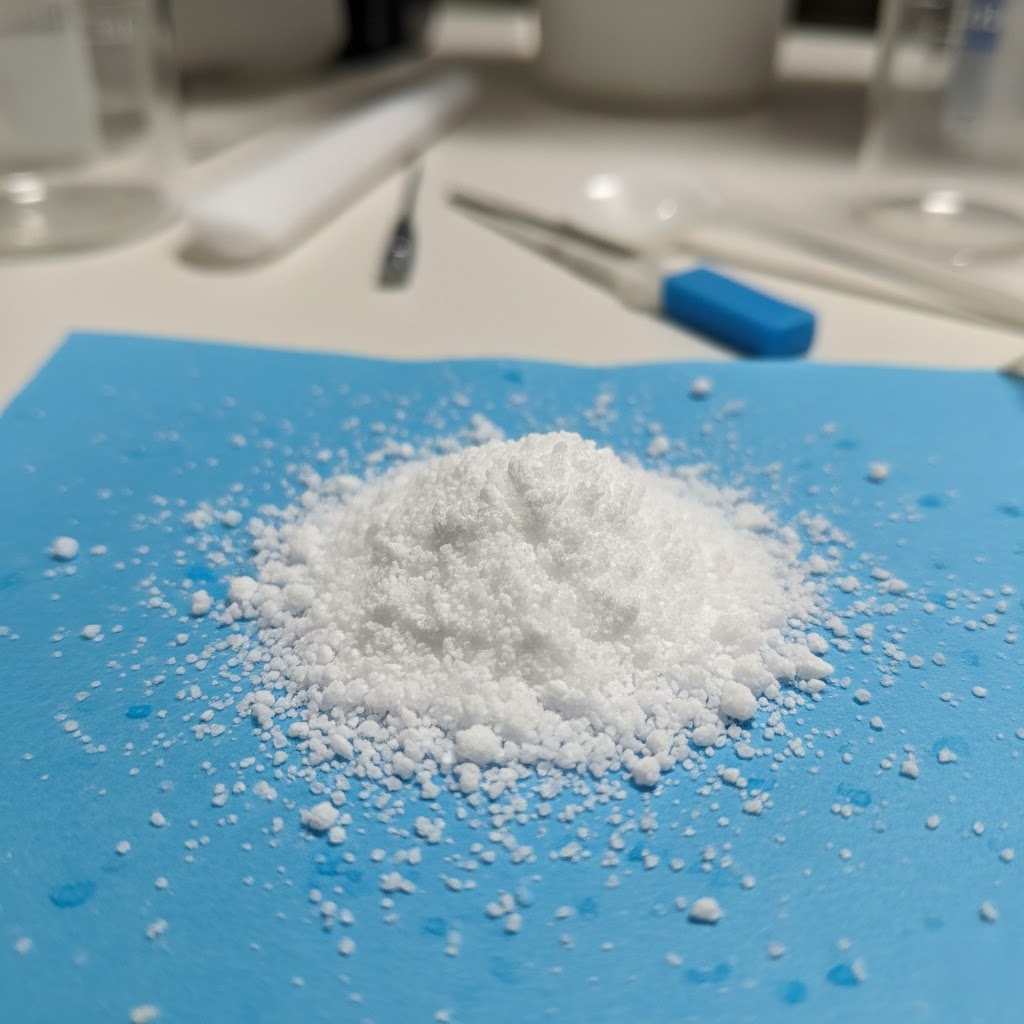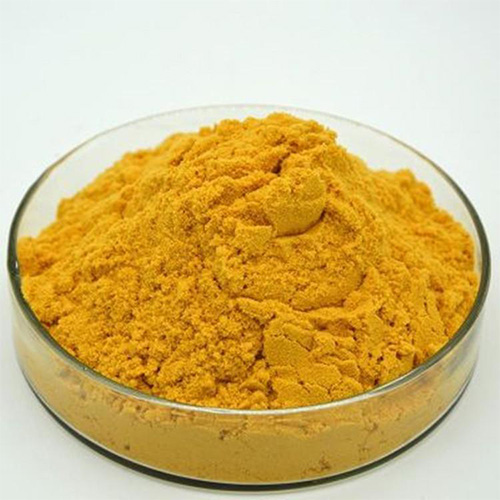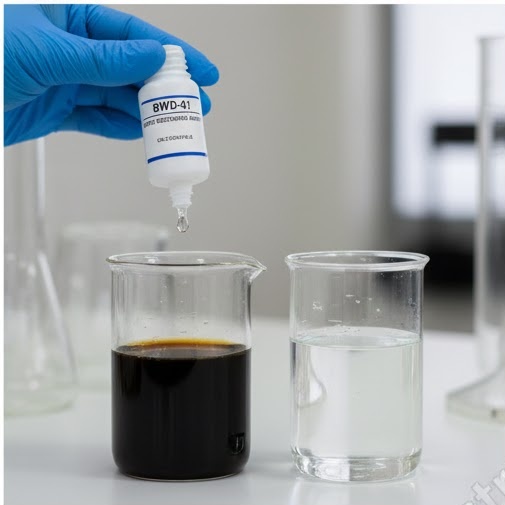
BWD-01 Water Decoloring Agent CAS 55295-98-2 is a specialized cationic quaternary ammonium polymer chemically defined as a dicyandiamide-formaldehyde condensate , functioning primarily as a high-efficiency color removal agent in industrial wastewater treatment. Unlike general coagulants, this viscous liquid is engineered with a high charge density specifically to target and precipitate reactive, acid, and disperse dyes from high-colority effluents (such as textile, ink, and paper wastewater). It works by neutralizing the negative charge of dye molecules and bridging them into large flocs, significantly reducing COD (Chemical Oxygen Demand) and BOD while improving water clarity. We provide professional access to this material with competitive factory pricing and the ability to meet customized specifications (varying solid content 50%-60% or viscosity) for various manufacturing requirements. Our commitment to technical transparency ensures that every shipment is accompanied by comprehensive MSDS, TDS, COA documentation to support your quality assurance protocols, and we maintain capacity for consistent bulk supply to facilitate large-scale industrial operations.
BWD-01 Water Decoloring Agent CAS 55295-98-2
- CAS: 55295-98-2
- Synonyms: Dicyandiamide formaldehyde resin, PolyDCD, Decoloring flocculant, Colour removal agent, Cationic dicyandiamide copolymer, DCDA-Formaldehyde Resin
- Molecular Formula: (C₂H₄N₄·CH₂O)ₙ
- Grade: Industrial Grade
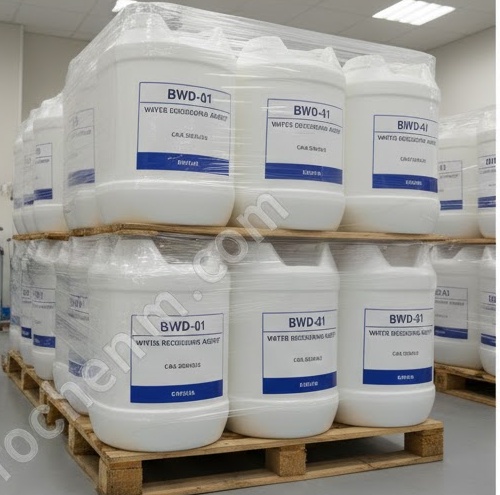
- Package: 200 kg drum / 1000 kg IBC (customizable)
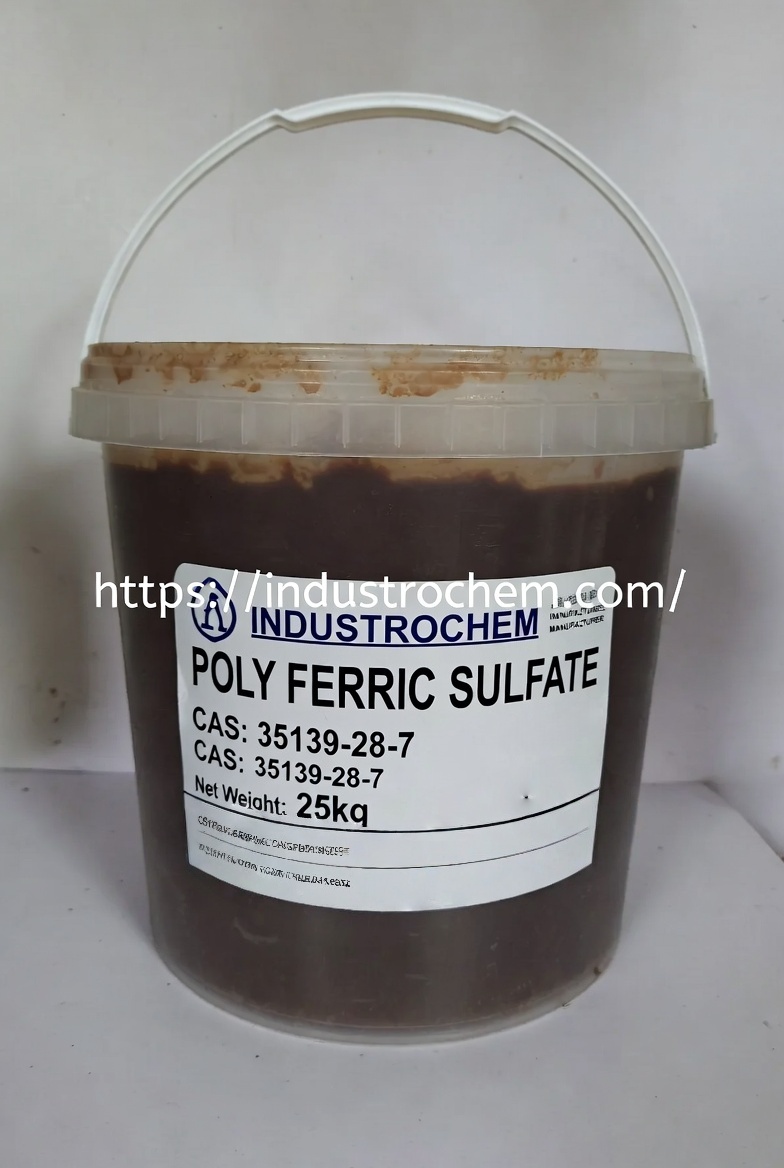
Product Description
Technical Profile
Chemically, this is a quaternary ammonium cationic polymer (often related to Dicyandiamide Formaldehyde Resin). Because dye molecules usually carry a negative charge, the strong positive charge of BWD-01 neutralizes them, causing the dye to destabilize and form “flocs” (clumps) that can be easily filtered out.
| Property | Description |
|---|---|
| Product Name | BWD-01 Water Decoloring Agent |
| CAS Number | 55295-98-2 |
| Chemical Family | Dicyandiamide Formaldehyde Resin / Cationic Polymer |
| Appearance | Colorless to light-colored sticky liquid |
| Solid Content | ≥ 50% |
| pH Value (30% Solution) | 3.0 – 5.0 (Acidic) |
| Viscosity (25°C) | 30 – 150 cps (Low viscosity for easy dosing) |
| Solubility | Completely soluble in water at any ratio |
| Ionic Nature | Cationic |
Where It Is Used: Applications
BWD-01 is not a general-purpose flocculant like PAM; it is a specialist. It shines in high-chroma (high color) wastewater environments.
1. Textile Dyeing & Printing Plants This is the primary use case. It is highly effective against:
- Reactive Dyes
- Acid Dyes
- Disperse Dyes
- Direct Dyes It creates clear water where traditional coagulants (like PAC) fail or require massive dosage rates.
2. Pulp and Paper Industry It acts as a retention agent in the production process and is used to treat the “black liquor” or colored wastewater generated during paper bleaching.
3. Paint, Ink, and Pigment Industry Any facility washing down tanks filled with water-based inks or pigments can use BWD-01 to strip the color before discharge.
4. Sludge Dewatering When used in conjunction with Polyaluminum Chloride (PAC) and Polyacrylamide (PAM), it improves the formation of sludge flocs, making the sedimentation process faster and the resulting sludge drier.
Why Usage Methodology Matters
BWD-01 is powerful, but it requires the right “recipe.” Typically, it works best when the wastewater pH is adjusted to the 7.0–8.0 range. The standard workflow is:
- Adjust pH.
- Add BWD-01 (Wait for reaction).
- Add PAC (to bulk up the flocs).
- Add Anionic PAM (to settle the flocs).
Note: Every wastewater stream is different. We always recommend a “Jar Test” in your lab before large-scale dosing.
Safety and Precautionary Measures
While BWD-01 is widely used, it is an industrial chemical and should be handled with standard safety protocols.
- Skin and Eye Contact: It is slightly acidic and sticky. If it splashes into eyes, wash immediately with plenty of water for at least 15 minutes. Wash skin with soap and water.
- Spill Management: This is the most practical safety tip: BWD-01 is extremely slippery when spilled. If a spill occurs, use sand or sawdust to absorb it. Do not just spray water on the floor, as it will turn the area into an ice rink, creating a slip hazard for workers.
- Protective Gear: Operators should wear rubber gloves, safety goggles, and protective clothing to avoid direct contact.
Storage Conditions
To maintain the efficacy of the polymer, proper storage is required:
- Temperature: Store at room temperature (10°C – 30°C). Avoid freezing and avoid extreme heat, which can degrade the polymer chains.
- Container: Use plastic, fiberglass, or stainless steel tanks. Avoid iron or copper containers due to potential corrosion or reaction.
- Shelf Life: Under proper conditions, the product remains stable for 12 months.
- Separation: Keep away from strong oxidizers.
FAQ - Technical & Supply Chain
-
Q:
Why is BWD-01 (CAS 55295-98-2) often used in combination with PAC (Poly Aluminum Chloride)?
A: Synergy and cost-efficiency. BWD-01 is excellent at breaking the specific chemical bonds of dye molecules to remove color, but the flocs it forms can be small and light. Adding PAC (an inorganic coagulant) helps to bulk up these flocs, making them heavier and easier to settle. This dual-dosing strategy typically achieves better color removal rates at a lower total cost than using either chemical alone. -
Q:
What is the optimal pH range for this decolorizing agent?
A: BWD-01 performs best in a slightly acidic to neutral pH range, typically between pH 7.0 and 8.0. If the wastewater is highly alkaline (pH > 9) or highly acidic, it is recommended to adjust the pH before dosing to maximize the cationic charge effectiveness and prevent polymer degradation.
Documents and Product Support
For product review and sourcing evaluation, supporting documents can be coordinated according to the product type, inquiry stage, and order requirements.
- COA for batch-based quality reference
- TDS for key physical and chemical information
- SDS / MSDS for handling, storage, and safety reference
- Packing information for sample, trial, and bulk orders
- Technical communication based on application and specification requirements
Information to Confirm Before Quotation
Clear sourcing information helps reduce specification mismatch and allows a more accurate quotation before sample or bulk order discussion.
- Product name and CAS number
- Application or intended end use
- Required purity, grade, or specification
- Sample quantity, trial order, or bulk demand
- Preferred packing form or net weight
- Destination country or port
- Required documents or compliance expectations
Packaging, Storage, and Handling Notes
Packaging form, storage conditions, shelf life, and shipment arrangements should be confirmed according to the product characteristics, package size, and destination requirements.
Before order confirmation, buyers are advised to review the corresponding product documents and confirm whether any special storage, labeling, or handling requirements apply.
Sample, Bulk Order and Repeat Supply Support
Support can be arranged for sample discussion, bulk supply planning, packaging confirmation, and routine sourcing communication based on the actual product and order requirements.
For repeat-use formulations or long-term procurement plans, buyers may discuss specification consistency, packaging preferences, delivery expectations, and document coordination in advance.