Chemical products
  • Phosphorus Trichloride CAS 7719-12-2
  • Phosphorus Trichloride CAS 7719-12-2
  • Phosphorus Trichloride CAS 7719-12-2
  • Phosphorus Trichloride CAS 7719-12-2

Phosphorus Trichloride CAS 7719-12-2

Phosphorus Trichloride (PCl₃), CAS 7719-12-2, is a reactive phosphorylation reagent and phosphorus intermediate used to produce phosphites, phosphonates, phosphorus oxychloride, triphenyl phosphate and agrochemical intermediates. Confirm the required grade, then request a quotation with COA/TDS/SDS for bulk supply.

  • CAS: 7719-12-2
  • Synonyms: Trichlorophosphine, Phosphorus(III) chloride, Phosphorous chloride
  • Einecs: 231-749-3
  • Molecular Formula: PCl₃
  • Grade: Industrial grade 99%
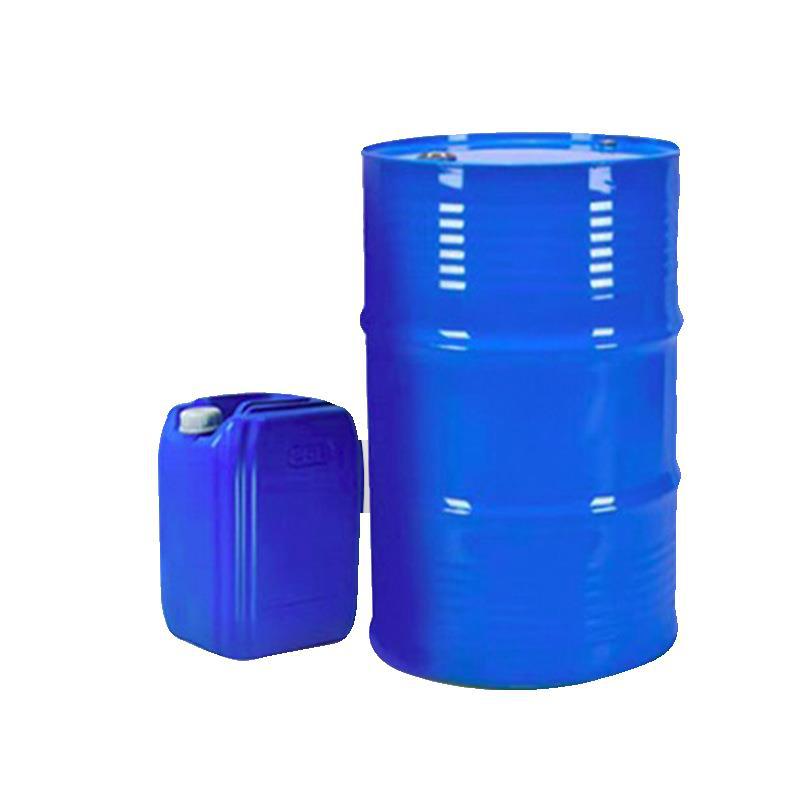
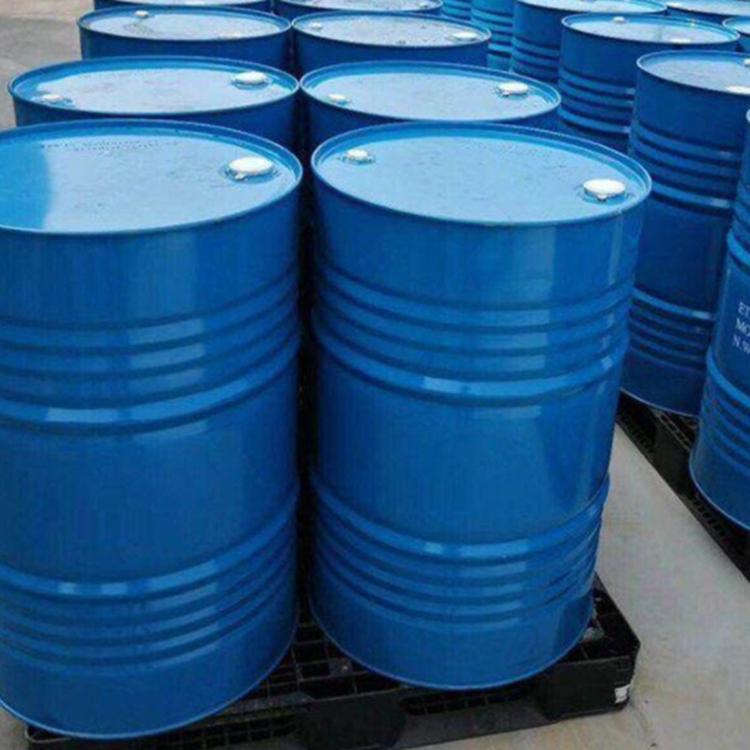
  • Package: 10kg
Request a quote
Share:

Product Description

Phosphorus Trichloride, CAS 7719-12-2, is trichlorophosphine, a reactive phosphorus(III) chloride; the EC/EINECS number is 231-749-3.

Synonyms: Trichlorophosphine; Phosphorus(III) chloride; Phosphorous chloride.

CAS: 7719-12-2.

Molecular formula: PCl₃.

Molecular weight: 137.33.

EC number: 231-749-3.

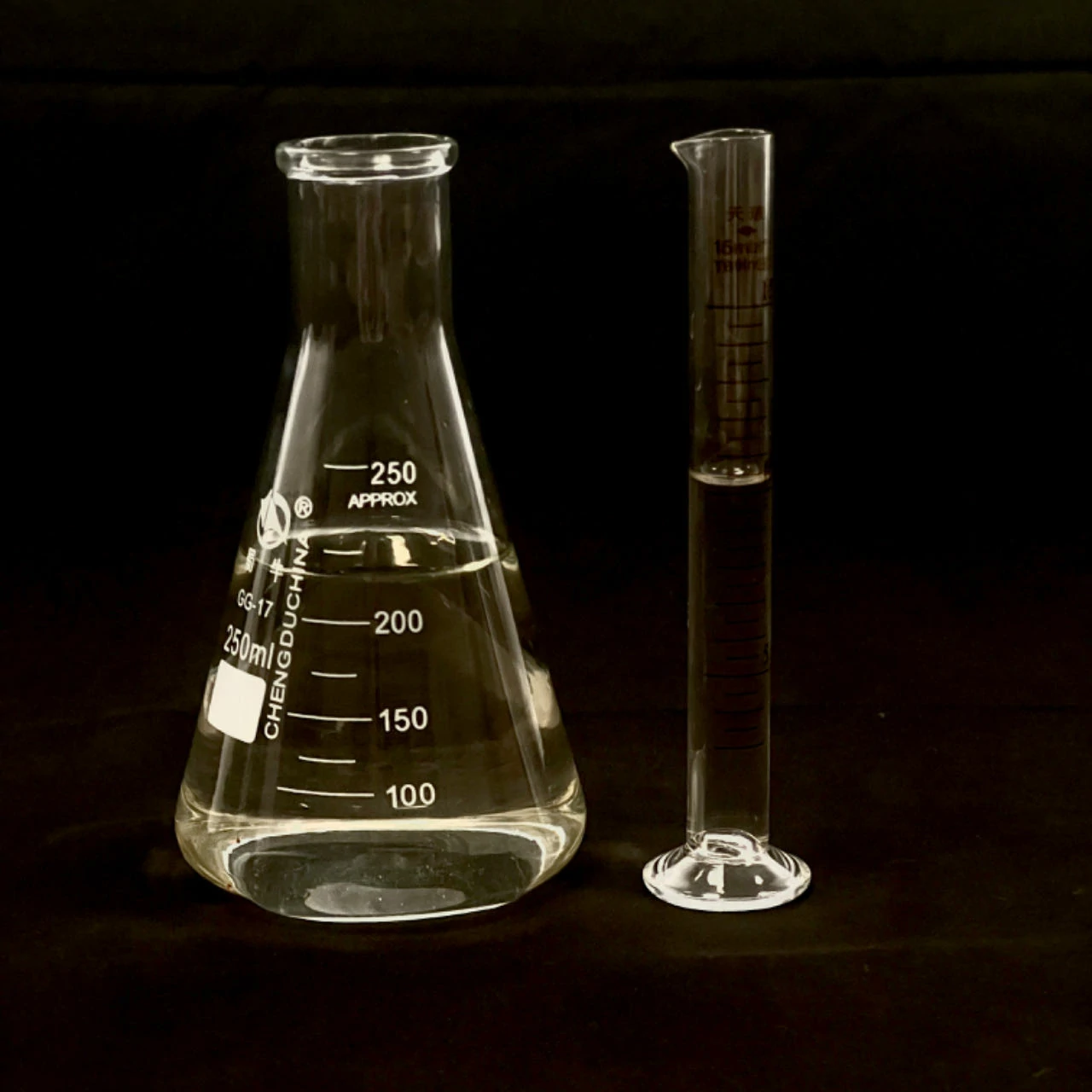
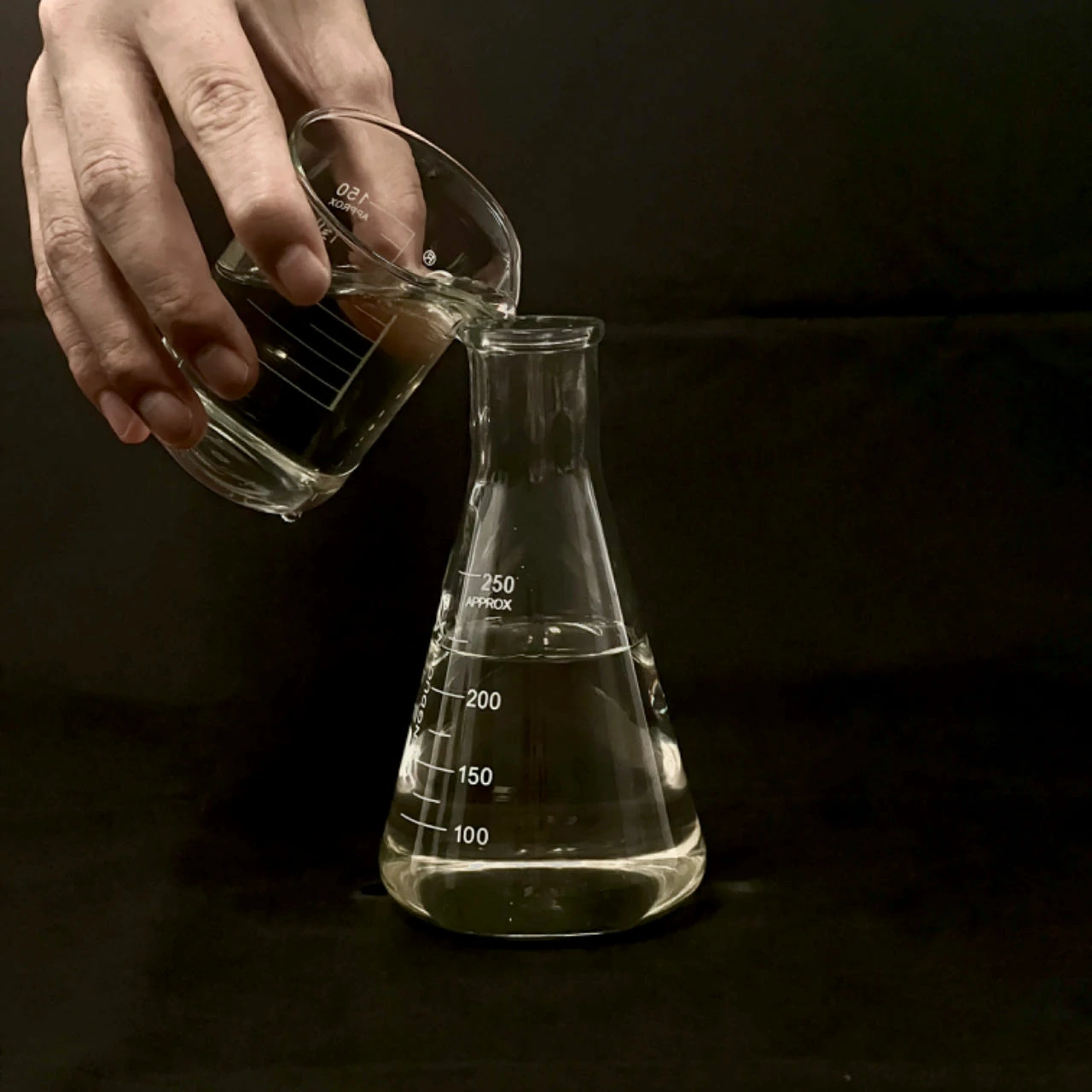
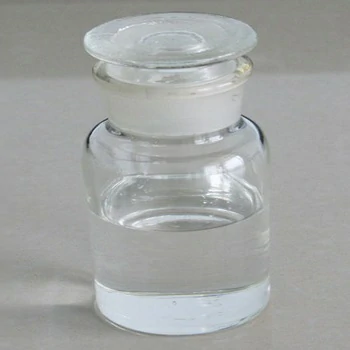
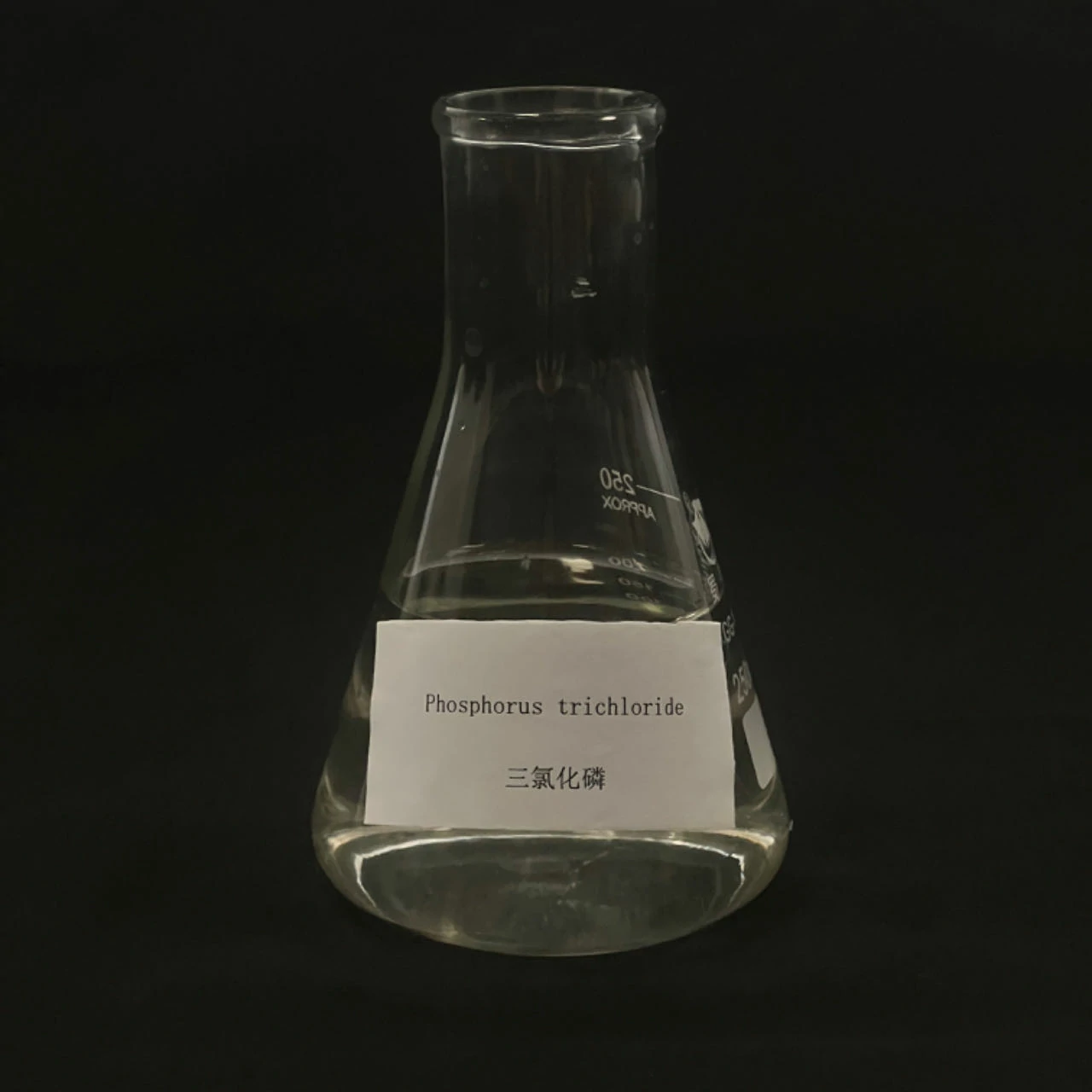
It is a clear, colorless liquid with a pungent odor that fumes in moist air; the melting point is about -112 °C, the boiling point about 76 °C and the density about 1.574 g/cm³.

It reacts violently with water, releasing hydrogen chloride and forming phosphorous acid.

It is miscible with carbon disulfide, carbon tetrachloride and benzene.

It is produced by reaction of white phosphorus with chlorine.

It is used to produce organophosphorus compounds such as phosphites, phosphonates and phosphorus oxychloride.

It is used to produce triphenyl phosphate, tricresyl phosphate and flame-retardant or plasticizer intermediates.

It is used in agrochemical intermediates such as dichlorvos and in electronic high-purity phosphorus chemistry.

Confirm assay, color, free phosphorus and related phosphorus chloride impurities; trace iron and arsenic may also need to be controlled.

Store in tightly sealed, dry, corrosion-resistant containers in a cool, ventilated area away from water, alcohols, amines, bases and oxidizers; use suitable PPE.

Confirm the current product-specific specification.

Confirm packaging with the requested quantity and destination requirements.

Document requirements should be confirmed from the current specification, SDS, COA, or other product-specific files.

The page is an RFQ entry point and does not state stock, price, MOQ, or fixed lead time.

For an RFQ, state the intended use, required specification, quantity, packaging, destination, and document needs.

FAQ - Technical & Supply Chain

  • Q:

    What is Phosphorus Trichloride CAS 7719-12-2?

    A: Phosphorus trichloride, also called phosphorus(III) chloride or trichlorophosphine, is a reactive phosphorus intermediate with CAS 7719-12-2, EINECS 231-749-3 and molecular formula PCl₃. It is normally a clear, colorless liquid with a pungent odor and fumes in moist air.
  • Q:

    What are the main industrial applications of Phosphorus Trichloride?

    A: It is used to produce organophosphorus compounds such as phosphites, phosphonates, phosphorus oxychloride, triphenyl phosphate and tricresyl phosphate. Major end uses include crop protection intermediates, flame retardants, plasticizers, specialty fluids, lubricants, pharmaceuticals, dyes and electronic phosphorus chemistry.
  • Q:

    Is Phosphorus Trichloride the same as phosphorus oxychloride?

    A: No. Phosphorus trichloride has CAS 7719-12-2 and formula PCl₃, while phosphorus oxychloride has formula POCl₃ and is one of the downstream products made from it. They are related but different compounds with different CAS numbers, properties and handling requirements.
  • Q:

    What specifications should be confirmed for 99% Phosphorus Trichloride?

    A: For industrial use, confirm assay, color, free phosphorus and related phosphorus chloride impurities such as phosphorus oxychloride. Depending on the application, trace iron and arsenic may also need to be controlled; density and distillation range are useful checks.
  • Q:

    Why does Phosphorus Trichloride fume in moist air, and how should it be stored?

    A: It reacts with water or moisture and releases hydrogen chloride, which appears as fuming. Store it in tightly sealed, dry, corrosion-resistant containers in a cool, ventilated area away from water, alcohols, amines, bases and oxidizers, and use proper PPE during handling.

Ordering & Documentation

Key information for document requests, quotations, and supply planning.

Documents

COA, TDS, SDS/MSDS and packing details are available on request.

Quotation

Send the CAS number, grade, quantity, packing preference and destination.

Sample & Supply

Support is available for samples, trial orders, bulk and repeat supply.

Storage & Shipping

Product-specific conditions are confirmed before order.

Contact Form

Use our contact form to send us your questions, suggestions or comments. We will respond as soon as possible.
For a quotation, please include the product name or CAS number, quantity, grade or application, and destination country or port. Tell us if you need a sample, COA, TDS or SDS.