Magnesium Sulfate Heptahydrate (CAS 10034-99-8), commonly recognized as industrial-grade Epsom Salt, is a water-soluble inorganic compound utilized primarily as a magnesium and sulfur micronutrient in agricultural fertilizers and as a conditioning agent in textile processing. This crystalline Magnesium sulphate 7-hydrate functions to correct mineral deficiencies in soil and livestock feed, while serving as a weighting agent and dyeing auxiliary in fabric manufacturing. Unlike the anhydrous form, this Magnesium sulfate 7H2O possesses high solubility and neutral pH stability, making it a critical Bitter salt component for bath salt formulations and wastewater treatment coagulants. We provide this inorganic raw material with competitive factory pricing to support agricultural and industrial blending operations and ensure bulk supply availability for high-volume orders. Our facility accommodates customized specifications for crystal size (0.1-3mm) and purity grades, while every shipment is fully documented with MSDS, TDS, COA files to meet quality and safety regulations.
Magnesium Sulfate Heptahydrate CAS 10034-99-8
- CAS: 10034-99-8
- Synonyms: Epsom Salt, Magnesium sulphate 7-hydrate, Magnesium sulfate 7H2O
- Einecs: 231-298-2
- Molecular Formula: MgSO₄·7H₂O
- Grade: Industrial / Fertilizer / Feed grade
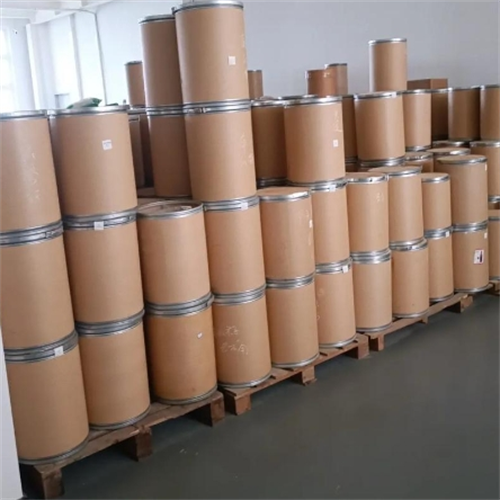
- Package: 25 kg plastic woven bag, 50 kg bag, 1000 kg jumbo bag or customized
Product Description
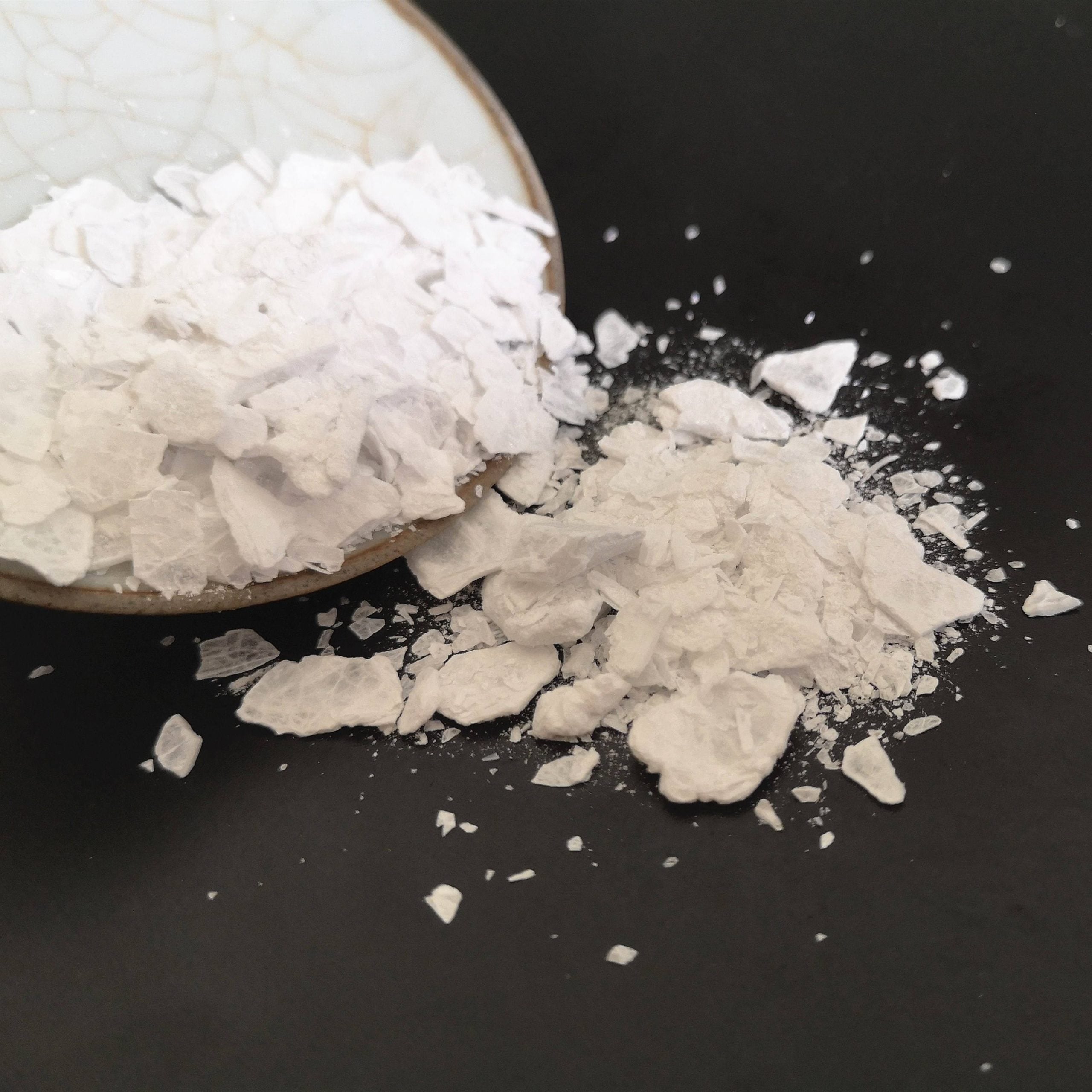
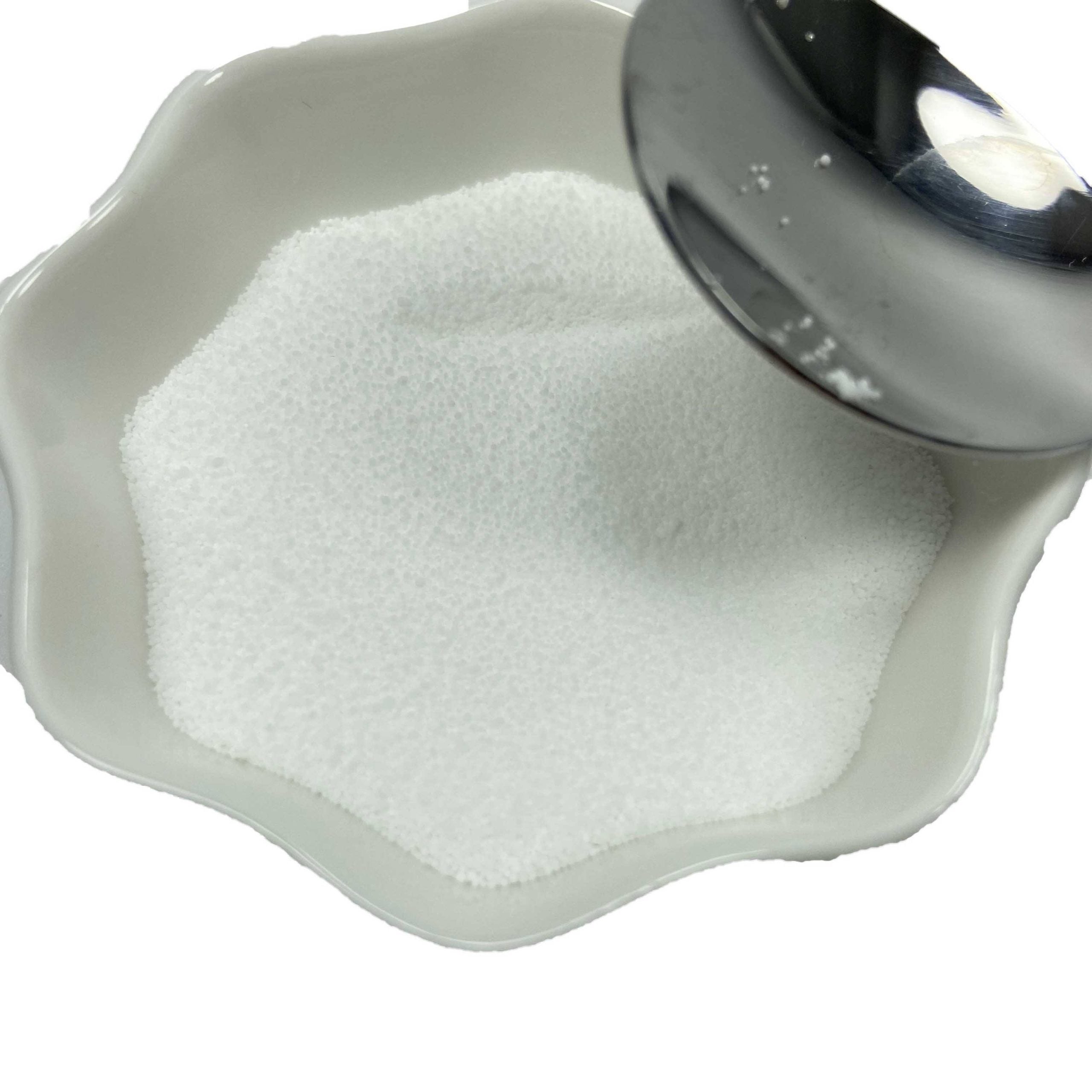
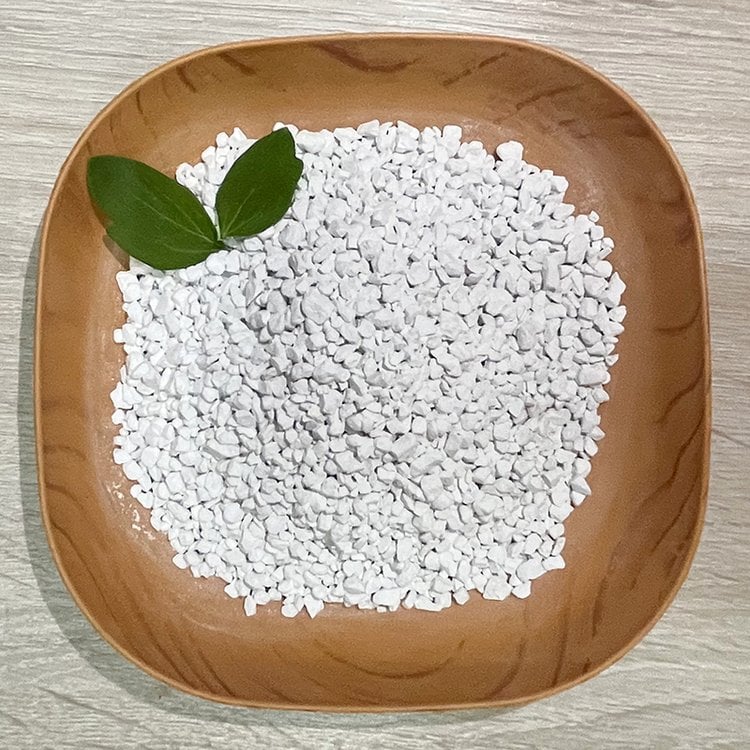
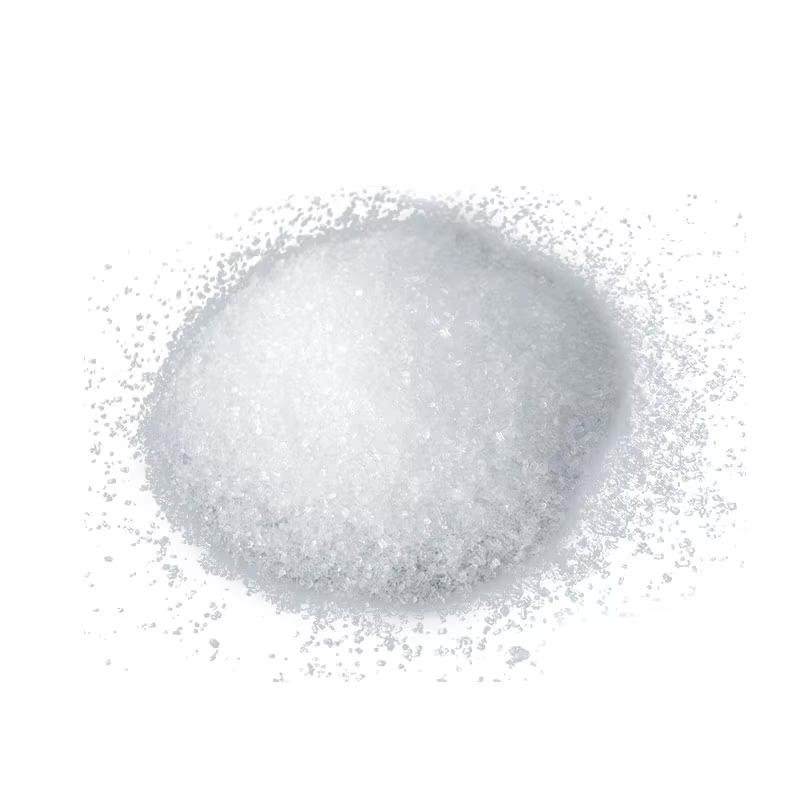
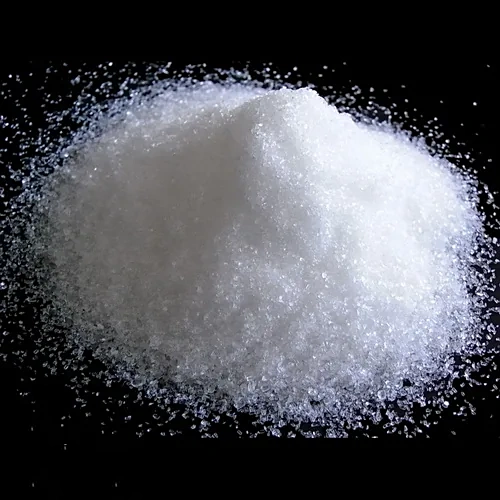
Magnesium sulfate heptahydrate is a white, free-flowing crystalline salt widely used as a source of magnesium and sulfur in fertilizers, animal nutrition and various industrial processes. We supply consistent-quality material with controlled impurities, suitable for blending, direct application or further formulation.
Physicochemical Properties
| Item | Specification / Value |
|---|---|
| Chemical Name | Magnesium sulfate heptahydrate |
| Synonyms | Epsom salt; Magnesium sulphate 7-water |
| CAS No. | 10034-99-8 |
| Einecs No. | 231-298-2 |
| Molecular Formula | MgSO₄·7H₂O |
| Molecular Weight | Approx. 246.37 g/mol |
| Appearance | White or colorless crystalline solid / granules |
| Odor | Odorless |
| Density | Approx. 1.68 g/cm³ (20 °C) |
| Solubility | Very soluble in water (approx. 71 g/100 g water at 20 °C); practically insoluble in ethanol |
| pH (5% aqueous solution) | Typically about 5.0–8.0 (20 °C) |
| Melting / Decomposition | Loses crystal water from around 48 °C; decomposes on strong heating |
| Hygroscopicity | Hygroscopic; may cake if exposed to moisture |
| Stability | Stable under normal temperature and dry storage conditions |
Applications
1. Agriculture & Fertilizers
- Used as a magnesium and sulfur source in compound fertilizers and bulk blends
- Suitable for field crops, fruits, vegetables and oil-bearing crops that are sensitive to magnesium deficiency
- Can be applied as base fertilizer, top dressing or foliar spray when formulated appropriately
2. Animal Nutrition
- Used as a feed additive to supplement magnesium and support normal nerve and muscle function in livestock and poultry
- Applied in premixes and complete feeds under controlled dosage
3. Industrial Uses
- Textile industry: as a dyeing assistant and leveling agent
- Paper industry: auxiliary agent in pulping and paper treatment
- Construction and building materials: component in cement and gypsum formulations and certain fireproofing systems
- Chemical industry: intermediate or auxiliary in the production of other magnesium salts and process chemicals
4. Other Uses
- Raw material or ingredient in bath salts, personal care and cosmetic products (with appropriate grade selection)
- Laboratory reagent and buffer component
For special applications, please share your technical requirements by email for tailored specifications.
Storage Conditions
- Store in a cool, dry and well-ventilated warehouse.
- Keep bags tightly closed to prevent moisture absorption and caking.
- Avoid direct sunlight, high temperature and exposure to rain.
- Do not store together with strong acids or substances that may be affected by moisture.
- Use pallets and avoid direct contact of bags with the floor to maintain product quality.
Safety Precautions
Magnesium sulfate heptahydrate is generally considered to have low acute toxicity, but standard industrial hygiene practices should always be followed:
- Avoid inhalation of dust; use local exhaust ventilation where dust may be generated.
- Wear appropriate personal protective equipment (PPE) such as gloves, dust mask/respirator and safety goggles.
- Avoid prolonged or repeated contact with skin and eyes.
- In case of eye contact, rinse immediately with plenty of clean water for several minutes and seek medical advice if irritation persists.
- In case of skin contact, wash with soap and water.
- If large amounts are accidentally ingested or inhaled, seek medical attention.
- Keep out of reach of children and non-trained personnel.
FAQ - Technical & Supply Chain
-
Q:
How does CAS 10034-99-8 distinguish the Heptahydrate form from other Magnesium Sulfates?
A: CAS 10034-99-8 specifically identifies the heptahydrate crystal structure (MgSO₄·7H₂O), which contains approximately 49% water of crystallization, chemically distinguishing it from the Anhydrous (CAS 7487-88-9) or Monohydrate forms. -
Q:
Is this grade suitable for liquid fertilizer blending?
A: Yes, this material is highly water-soluble and is typically applied in the formulation of liquid foliar fertilizers and hydroponic nutrient solutions to provide immediately available magnesium and sulfur.
Documents and Product Support
For product review and sourcing evaluation, supporting documents can be coordinated according to the product type, inquiry stage, and order requirements.
- COA for batch-based quality reference
- TDS for key physical and chemical information
- SDS / MSDS for handling, storage, and safety reference
- Packing information for sample, trial, and bulk orders
- Technical communication based on application and specification requirements
Information to Confirm Before Quotation
Clear sourcing information helps reduce specification mismatch and allows a more accurate quotation before sample or bulk order discussion.
- Product name and CAS number
- Application or intended end use
- Required purity, grade, or specification
- Sample quantity, trial order, or bulk demand
- Preferred packing form or net weight
- Destination country or port
- Required documents or compliance expectations
Packaging, Storage, and Handling Notes
Packaging form, storage conditions, shelf life, and shipment arrangements should be confirmed according to the product characteristics, package size, and destination requirements.
Before order confirmation, buyers are advised to review the corresponding product documents and confirm whether any special storage, labeling, or handling requirements apply.
Sample, Bulk Order and Repeat Supply Support
Support can be arranged for sample discussion, bulk supply planning, packaging confirmation, and routine sourcing communication based on the actual product and order requirements.
For repeat-use formulations or long-term procurement plans, buyers may discuss specification consistency, packaging preferences, delivery expectations, and document coordination in advance.