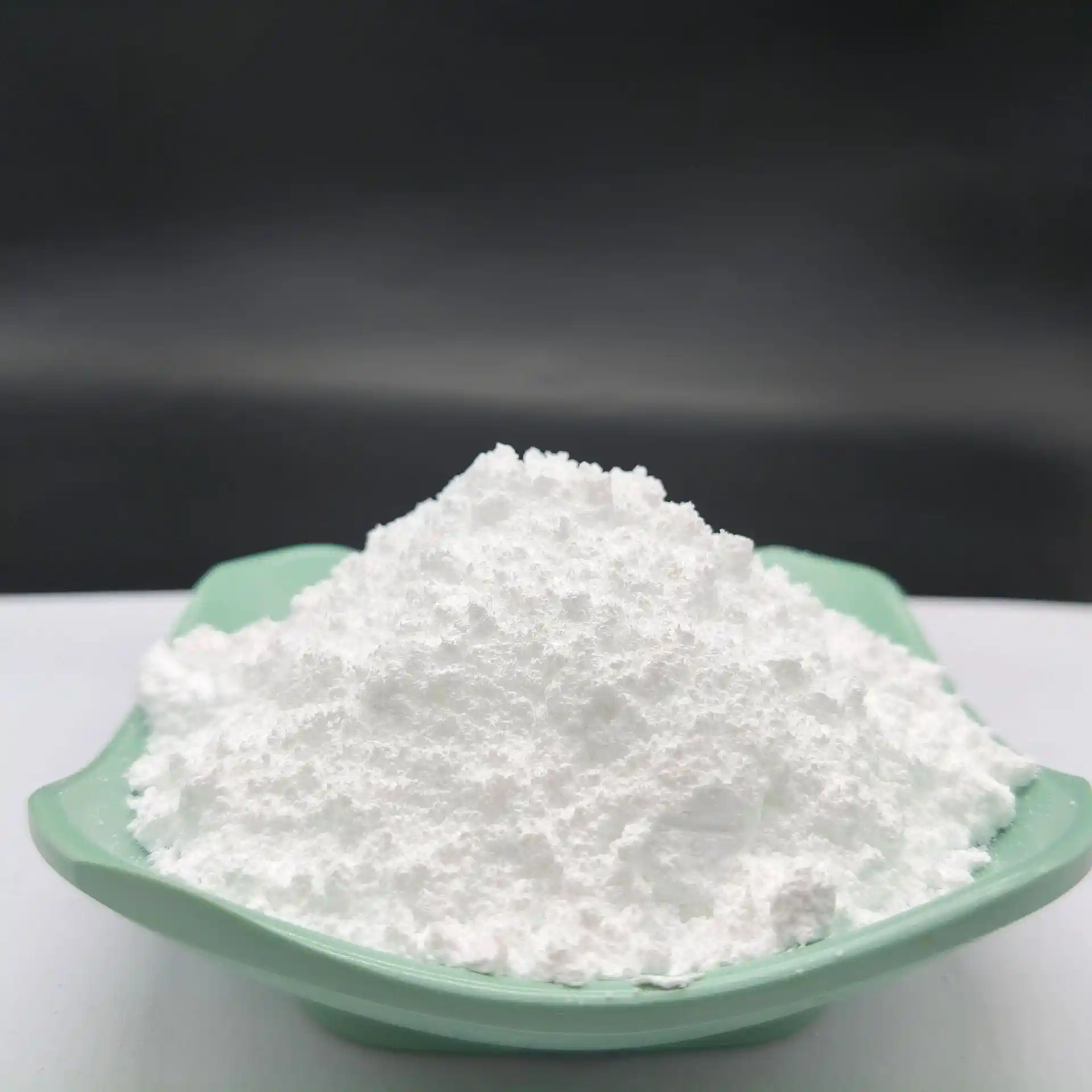
Anatase Titanium Dioxide (CAS 13463-67-7), chemically identified as a crystalline form of titanium(IV) oxide, is a high-performance white pigment functioning as an opacifying agent and delustrant in coating and paper manufacturing. This inorganic compound, also technically referred to as titania or C.I. Pigment White 6, possesses a bluish undertone and lower abrasivity compared to the rutile form, making it the preferred raw material for producing interior architectural paints, synthetic fibers, and paper pulp fillers. We provide bulk supply of this industrial grade powder with competitive factory pricing to optimize material costs for downstream processors. Our supply chain guarantees strict lot consistency, making MSDS, TDS, COA available alongside customized specifications to match precise whiteness and particle size requirements.
Anatase Titanium Dioxide CAS 13463-67-7
- CAS: 13463-67-7
- Synonyms: titanium(IV) oxide, titania, C.I. Pigment White 6, titanium peroxide, titanium white
- Einecs: 236-675-5
- Molecular Formula: TiO₂
- Grade: Anatase titanium dioxide, industrial/coating pigment grade
- Package: 25 kg paper–plastic composite bags or 500–1000 kg jumbo bags, palletized; customized packing on request
Product Description
Anatase Titanium Dioxide (TiO₂) CAS 13463-67-7 is a high-whiteness inorganic pigment widely used in coatings, plastics, inks, paper and rubber. It provides excellent hiding power, brightness and tinting strength, making it suitable for industrial applications that require stable color and long-term durability.
📧 Email: info@industrochem.com for COA, TDS, latest price and customized specifications.
Physicochemical Properties
| Parameter | Value (Typical) |
|---|---|
| Chemical Name | Titanium dioxide, anatase type |
| CAS No. | 13463-67-7 |
| EINECS No. | 236-675-5 |
| Molecular Formula | TiO₂ |
| Molecular Weight | 79.87 |
| Crystal Form | Anatase |
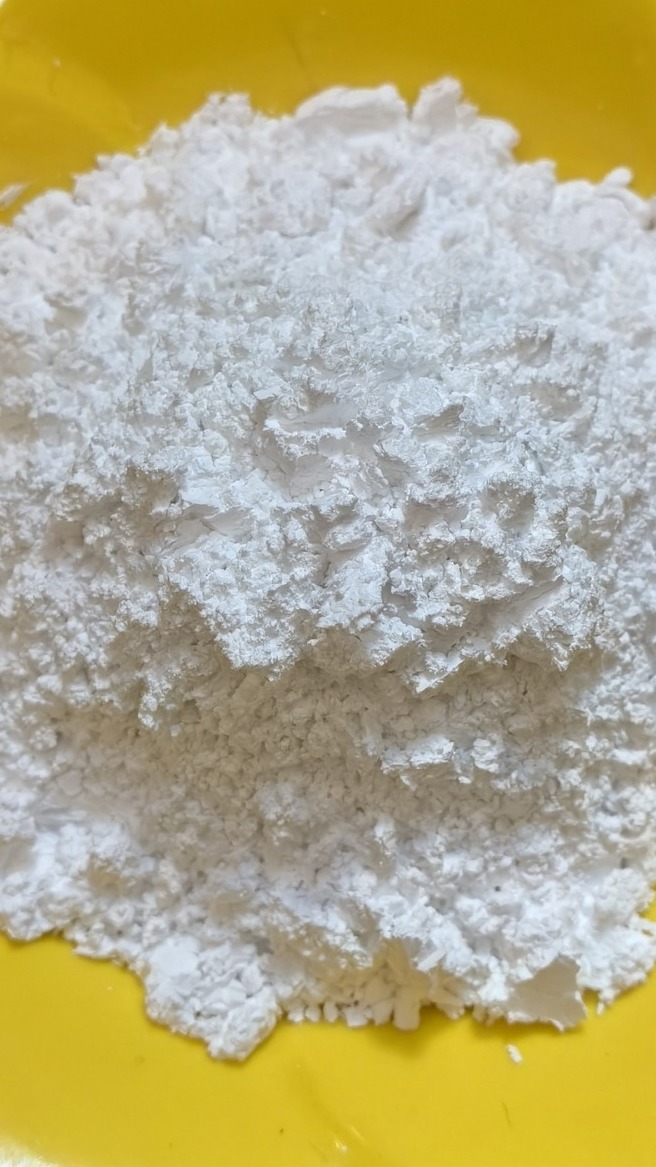
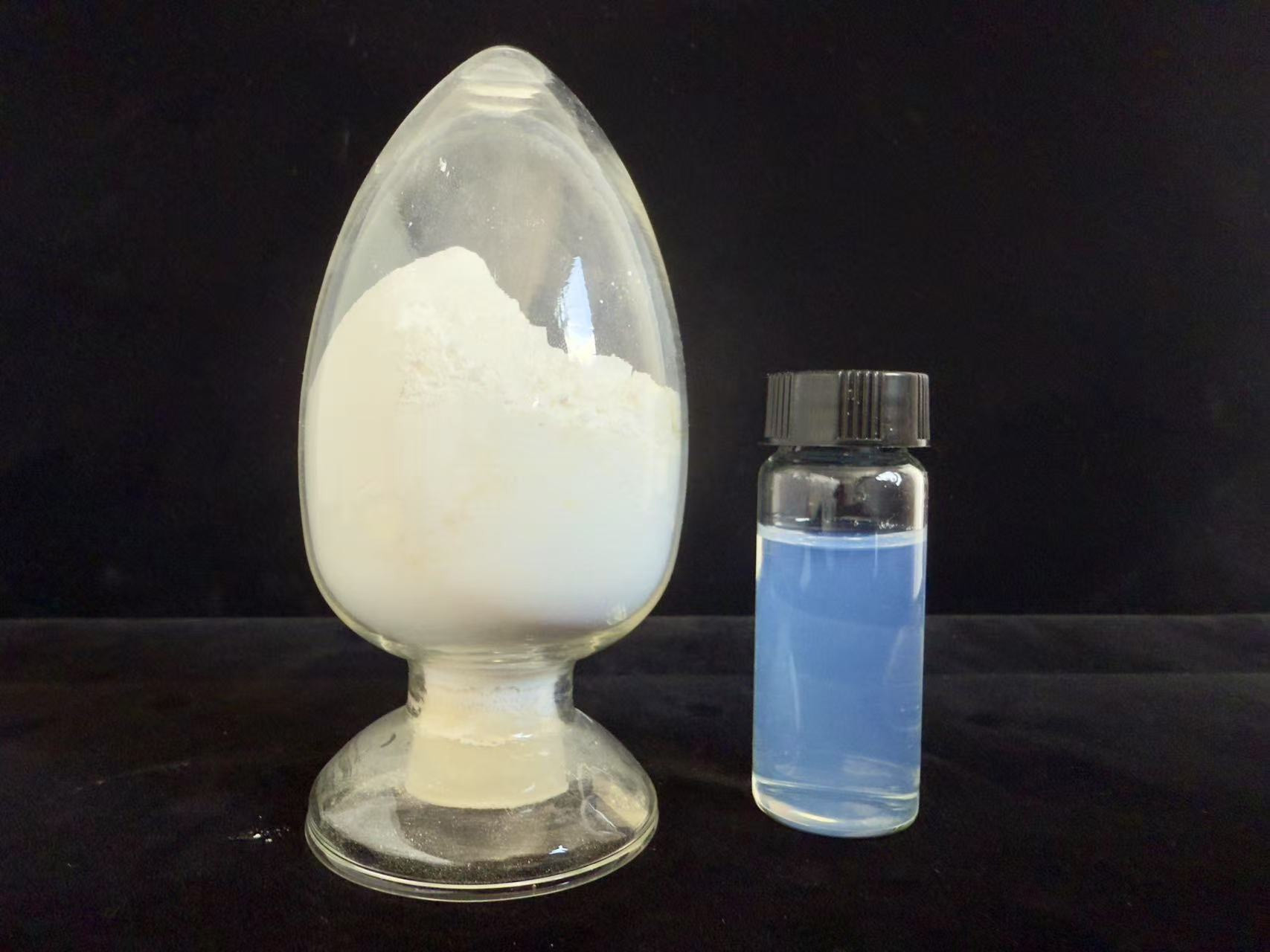
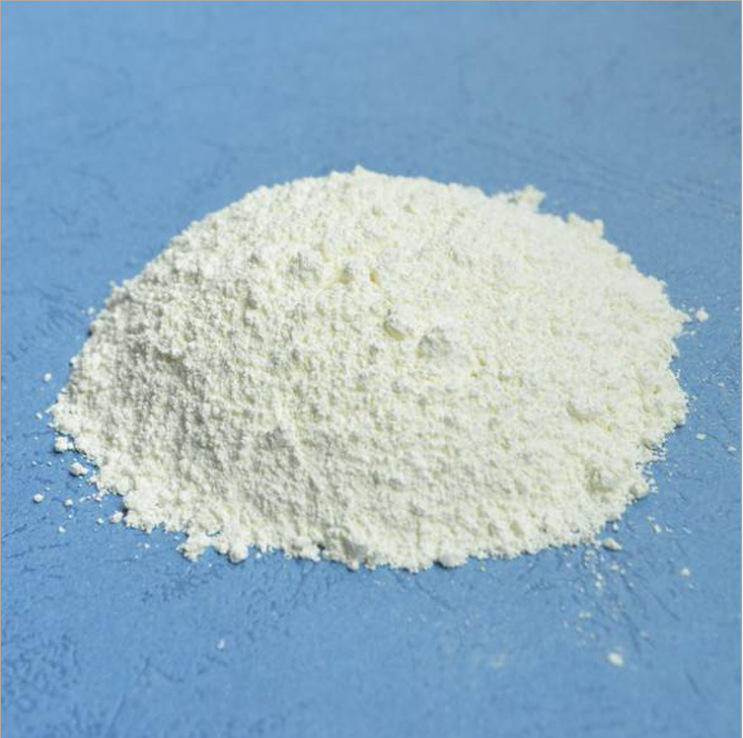
| Appearance | White, fine powder |
| TiO₂ Content | ≥ 98.0% |
| Whiteness (compared with standard) | ≥ 96% |
| Tinting Strength (Reynolds, vs. standard) | ≥ 100% |
| Specific Gravity | 3.8 – 3.9 g/cm³ (25°C) |
| Refractive Index | ~ 2.55 |
| Oil Absorption | 23 – 28 g / 100 g |
| pH (10% aqueous suspension) | 6.5 – 8.0 |
| Volatile Matter at 105°C | ≤ 0.5% |
| Moisture Content | ≤ 0.5% |
| Loss on Ignition (1000°C) | ≤ 0.5% |
| Residue on 45 μm Sieve | ≤ 0.05% |
| Surface Treatment | Optional inorganic/organic treatment available |
Note: Above values are typical technical data for Chinese anatase TiO₂ pigment and can be adjusted according to specific grade and application requirements.
Applications
1. Paints & Coatings
- Interior wall paints, primers and putties
- Water-based and solvent-based industrial coatings
- Wood coatings and anticorrosive systems
- Provides high brightness, good covering power and easy dispersion
2. Plastics & Masterbatch
- PVC profiles, pipes, sheets and films
- PE/PP injection and extrusion products
- Engineering plastics and color masterbatch
- Offers strong tinting strength and good heat/light stability in polymer processing
3. Inks & Printing
- Solvent-based and water-based printing inks
- Flexo, gravure and screen-printing systems
- Ensures high opacity, sharp print definition and consistent shade
4. Paper, Rubber and Other Uses
- Paper coating and filling to improve whiteness and opacity
- Rubber products, sealants and adhesives
- Building materials and other industrial fields that require white pigmen
For the broader titanium dioxide product page, see Titanium Dioxide.
Storage Conditions
- Store in a cool, dry and well-ventilated warehouse.
- Keep the bags tightly closed to prevent moisture absorption and contamination.
- Avoid direct exposure to sunlight and high temperature.
- Do not stack directly on the ground; use pallets and cover with plastic film if long-term storage is needed.
- Keep away from strong acids, alkalis and substances that may cause contamination of the powder.
Safety Precautions
- Anatase titanium dioxide is generally regarded as a low-toxicity, non-combustible inorganic pigment.
- Avoid generating and inhaling excessive dust during handling, loading and mixing.
- Use appropriate personal protective equipment (PPE): dust mask or respirator, safety goggles, gloves and protective clothing in dusty areas.
- In case of contact with eyes, rinse with plenty of clean water; if irritation persists, seek medical advice.
- Wash hands and exposed skin with soap and water after work; do not eat, drink or smoke in the work area.
- For detailed health, safety and regulatory information, please refer to the product Safety Data Sheet (SDS).
FAQ - Technical & Supply Chain
-
Q:
How does anatase titanium dioxide differ from rutile?
A: Anatase and rutile are both crystal forms of titanium dioxide under CAS 13463-67-7. Anatase has a density around 3.8-3.9 g/cm3 and refractive index about 2.55, while rutile is denser with a refractive index near 2.7. Anatase is softer and tends to give higher whiteness with a slight blue tone, but rutile provides better weathering resistance. -
Q:
What are the main applications of anatase titanium dioxide?
A: Anatase titanium dioxide is used in indoor coatings, paper, plastics, fibers, printing inks, ceramics, rubber, and specialized photocatalytic applications. It provides high brightness, hiding power, and tinting strength where long-term exterior weather resistance is not the main requirement. -
Q:
Is this grade suitable for exterior coatings?
A: Anatase has higher photocatalytic activity than rutile, so it can promote chalking or surface degradation during prolonged outdoor exposure. For exterior architectural or industrial coatings, rutile or a suitably surface-treated grade is usually the better choice. -
Q:
What specifications should be checked before ordering?
A: Confirm TiO2 content, crystal form, whiteness, tinting strength, oil absorption, particle size, moisture or volatile matter, loss on ignition, and residue on sieve. Also clarify any surface treatment and the target coating, plastic, paper, or specialty application, because different grades are optimized differently. -
Q:
How should anatase titanium dioxide be stored and handled?
A: Store it in tightly closed bags or containers in a cool, dry, well-ventilated area away from moisture and incompatible materials. Avoid generating airborne dust, use local exhaust or dust control during bulk handling, and keep packages sealed between uses to prevent caking and contamination.
Ordering & Documentation
Key information for document requests, quotations, and supply planning.
Documents
COA, TDS, SDS/MSDS and packing details are available on request.
Quotation
Send the CAS number, grade, quantity, packing preference and destination.
Sample & Supply
Support is available for samples, trial orders, bulk and repeat supply.
Storage & Shipping
Product-specific conditions are confirmed before order.