










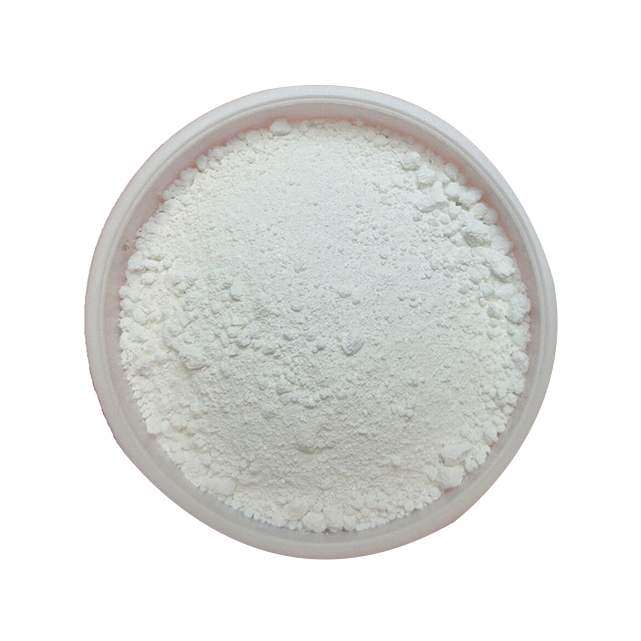
Titanium Dioxide, CAS 13463-67-7, is a high-refractive-index white inorganic pigment supplied for paints, coatings, plastics, paper, inks, rubber and ceramics. Confirm the required grade, crystal form and specification, then request a quotation with COA/TDS/SDS for bulk supply.
Titanium Dioxide CAS 13463-67-7
- CAS: 13463-67-7
- Synonyms: Titania, Titanium(IV) oxide, Pigment White 6, CI 77891, TiO2 Rutile/Anatase
- Einecs: 236-675-5
- Molecular Formula: TiO₂
- Grade: Industrial Grade / Paint Grade / Coating Grade / Rubber Grade
- Package: 25kg/Paper-plastic composite bag, 500kg/1000kg Jumbo bag
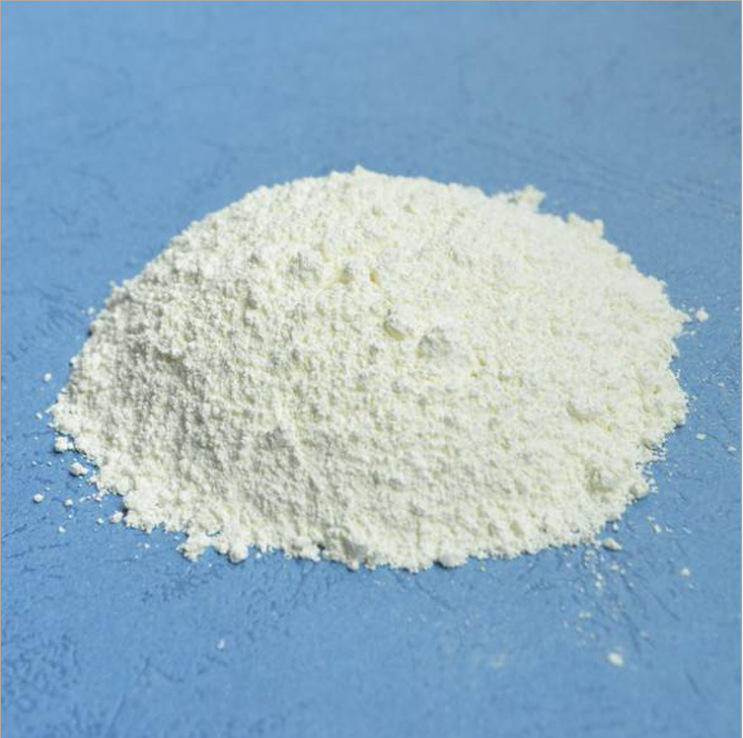
Product Description
Titanium Dioxide, CAS 13463-67-7, also called titania or titanium(IV) oxide, is a white inorganic pigment.
Synonyms: Titania; Titanium(IV) oxide; Pigment White 6; CI 77891; TiO2 Rutile/Anatase.
CAS: 13463-67-7.
It has a molecular weight of 79.87 g/mol and is produced in rutile and anatase crystal forms.
It has a very high refractive index, giving strong light scattering, hiding power and opacity at relatively low loading.
Rutile has a denser structure, higher refractive index and better exterior durability.
Anatase is softer, has a lower refractive index and can give a brighter bluish-white tone in interior paints, paper and fibers.
It is used in interior and exterior architectural coatings, industrial finishes and powder coatings.
It is used in PVC, polyolefins, engineering plastics and masterbatches for heat resistance and light fastness.
It is used as a filler in paper pulp to enhance brightness, opacity and printability.
It is used in solvent-based and water-based printing inks to ensure vivid colors and coverage.
It is used in rubber manufacturing, including tires and shoe soles, and in ceramics.
Surface treatments can improve dispersion, wetting, compatibility and storage stability in water- or solvent-based systems.
Confirm appearance, TiO2 content, color/whiteness, tinting strength, volatile matter, oil absorption, pH, sieve residue, specific resistance and dispersibility.
Store in a cool, dry, well-ventilated area and strictly protect from rain during transport and storage.
Keep containers tightly sealed and do not stack pallets too high, as the powder is hygroscopic.
Confirm packaging with the requested quantity and destination requirements.
The page is an RFQ entry point and does not state stock, price, MOQ or fixed lead time.
For an RFQ, state the intended use, required grade, crystal form and specification, quantity, packaging, destination and document needs.
FAQ - Technical & Supply Chain
-
Q:
What is Titanium Dioxide CAS 13463-67-7?
A: Titanium Dioxide CAS 13463-67-7 is a white inorganic pigment with the formula TiO2 and molecular weight 79.87 g/mol. It is produced in rutile and anatase crystal forms and is widely used for opacity, whiteness and UV protection. -
Q:
What is the difference between rutile and anatase TiO2?
A: Rutile has a denser crystal structure, higher refractive index and better exterior durability, making it the usual choice for outdoor coatings and plastics. Anatase is softer, has a lower refractive index and can give a brighter bluish-white tone in interior paints, paper and fibers. -
Q:
Why is TiO2 used as a pigment and opacifier?
A: Its high refractive index gives strong light scattering, which provides hiding power and opacity at relatively low loading. This makes it effective in paints, coatings, plastics, rubber, paper, inks and other bright-white or tinted formulations. -
Q:
How does surface treatment affect Titanium Dioxide performance?
A: Surface treatments can improve dispersion, wetting, compatibility and storage stability in water-based or solvent-based systems. Treated rutile grades are often designed for exterior applications where gloss retention and chalk resistance are important. -
Q:
Which grade should be selected for an exterior coating?
A: A treated rutile grade is generally preferred for exterior architectural or industrial coatings because it offers higher opacity, UV resistance, weatherability and resistance to chalking. Grade selection should also consider resin type, sheen and application conditions.
Ordering & Documentation
Key information for document requests, quotations, and supply planning.
Documents
Tell us which documents your procurement team needs. Before an order, we will check whether the quoted source can provide them for the offered lot.
Quotation
Send the CAS number, grade, quantity, packing preference and destination.
Sample & Supply
Ask whether samples, trial quantities or repeat orders are possible. We will check each request against the sourced product and current offer.
Storage & Shipping
Product-specific conditions are confirmed before order.

