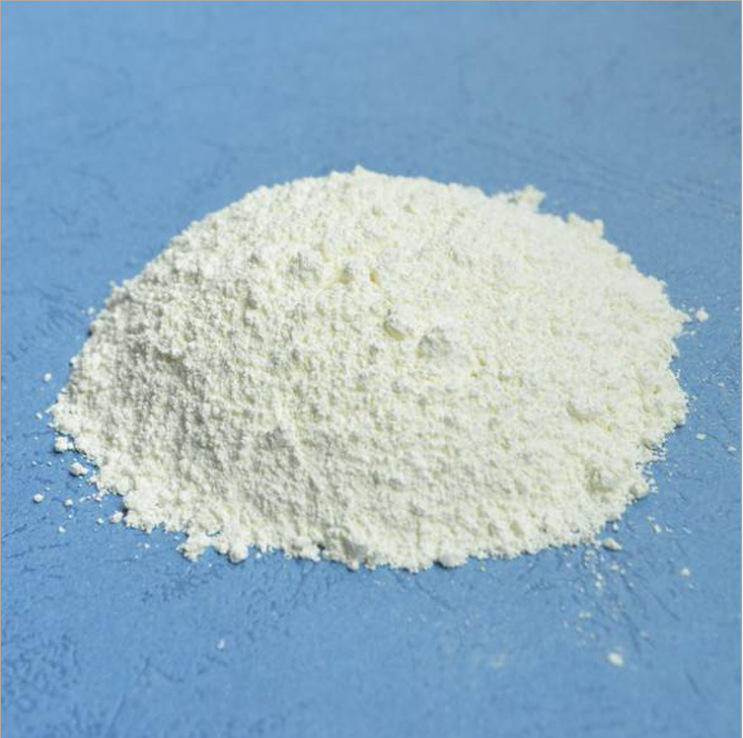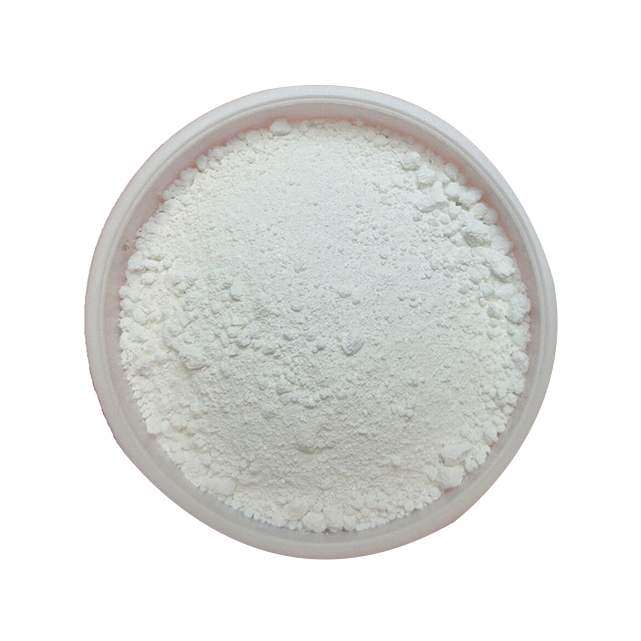










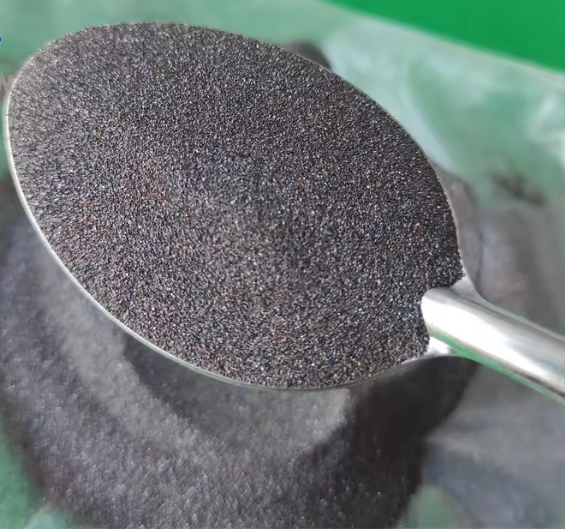
• Calcined Rutile Sand CAS 1317-80-2

Calcined Rutile Sand CAS 1317-80-2

Calcined Rutile Sand (also known as Roasted Rutile or Welding Grade Rutile) is a premium titanium dioxide mineral processed through high-temperature roasting. This critical calcination process effectively eliminates moisture, sulfur, and carbon impurities, making it an indispensable raw material for manufacturing high-quality welding electrodes (E6013, E7018) and flux-cored wires.

As a specialized mineral processor, we ensure stable TiO2 purity and precise particle size distributions to prevent weld porosity. We offer competitive factory pricing tailored to your production needs, supporting customized specifications for various mesh sizes. To guarantee compliance and smooth technical verification, full documentation including MSDS, TDS, COA is provided with every shipment. Partner with us for reliable bulk supply to streamline your metallurgical manufacturing.

  • CAS: 1317-80-2
  • Synonyms: Calcined Rutile Concentrate, Natural Rutile Sand, Titanium Dioxide Ore, High-Grade Rutile Flour, Calcined Titanium Ore.
  • Einecs: 215-282-2
  • Molecular Formula: TiO2
  • Grade: Industrial Grade / Welding Grade
  • Package: 25kg/bag, 1000kg/bulk bag, or bulk shipment
Request a quote
Share:

Product Description

Technical Data

PropertySpecification (Typical Welding Grade)
TiO2 Content (%)≥ 95.0%
S (Sulfur)≤ 0.01%
P (Phosphorus)≤ 0.02%
Fe2O3 Content (%)≤ 1.5%
Moisture (%)≤ 0.05%
Available Sizes60-120 mesh, 80-150 mesh (Customizable)

Applications

  • Welding Consumables: Used as a primary coating ingredient for rutile-type welding electrodes (e.g., E6013) to improve arc stability and slag detachability.
  • Titanium Pigment Production: Serves as a feedstock for the chloride process to produce high-performance TiO2 pigments.
  • Glass & Ceramics: Applied as an opacifier and colorant in industrial ceramic glazes and acid-resistant glass formulations.
  • Metallurgy: Utilized in the production of ferro-titanium alloys and titanium sponge.

Storage & Safety

  • Storage: Store in a dry, covered warehouse to prevent moisture pickup. While calcined rutile is chemically stable and non-combustible, it should be kept away from strong mineral acids in industrial settings.
  • Safety & PPE: Calcined Rutile Sand is classified as a nuisance dust. Operators should wear industrial safety glasses and a dust mask (P2 or N95) during handling and screening to prevent respiratory irritation. Long-term skin contact should be avoided by wearing standard industrial work gloves.

Quality Assurance

Our quality control protocol focuses on the stringent management of trace elements, particularly sulfur and phosphorus, which are critical for welding applications. Each shipment of Calcined Rutile Sand is subjected to X-Ray Fluorescence (XRF) analysis to confirm TiO2 purity and Sieve Analysis to ensure consistent particle size distribution. This guarantees that the material performs predictably in automated electrode extrusion lines and metallurgical furnaces.

FAQ - Technical & Supply Chain

  • Q:

    How does the calcination process affect the performance of this Rutile Sand (CAS 1317-80-2) in welding applications?

    A: The calcination process removes chemically bound water and organic impurities, which prevents hydrogen-induced cracking in welding seams. By stabilizing the TiO2 crystal structure, Calcined Rutile Sand provides more consistent arc behavior and better control over the fluidity of the slag compared to uncalcined natural rutile.
  • Q:

    Is this product intended for use in pharmaceutical or food-grade titanium dioxide production?

    A: No, this material is an industrial-grade mineral concentrate intended for heavy industrial applications such as welding, metallurgy, and pigment manufacturing. While it has high $TiO_2$ content, it contains naturally occurring mineral impurities (like iron and silica) and is not processed according to GMP or food-grade safety standards.
  • Q:

    How do you control the Sulfur (S) and Phosphorus (P) levels in your supply?

    A: We source high-purity raw titanium ores and utilize advanced magnetic separation combined with thorough high-temperature roasting. This consistently keeps Sulfur below 0.01% and Phosphorus below 0.02%, strictly meeting the metallurgical requirements for high-tensile steel welding consumables.
Documents

Documents and Product Support

For product review and sourcing evaluation, supporting documents can be coordinated according to the product type, inquiry stage, and order requirements.

  • COA for batch-based quality reference
  • TDS for key physical and chemical information
  • SDS / MSDS for handling, storage, and safety reference
  • Packing information for sample, trial, and bulk orders
  • Technical communication based on application and specification requirements
Quotation

Information to Confirm Before Quotation

Clear sourcing information helps reduce specification mismatch and allows a more accurate quotation before sample or bulk order discussion.

  • Product name and CAS number
  • Application or intended end use
  • Required purity, grade, or specification
  • Sample quantity, trial order, or bulk demand
  • Preferred packing form or net weight
  • Destination country or port
  • Required documents or compliance expectations
Storage & Handling

Packaging, Storage, and Handling Notes

Packaging form, storage conditions, shelf life, and shipment arrangements should be confirmed according to the product characteristics, package size, and destination requirements.

Before order confirmation, buyers are advised to review the corresponding product documents and confirm whether any special storage, labeling, or handling requirements apply.

Supply Support

Sample, Bulk Order and Repeat Supply Support

Support can be arranged for sample discussion, bulk supply planning, packaging confirmation, and routine sourcing communication based on the actual product and order requirements.

For repeat-use formulations or long-term procurement plans, buyers may discuss specification consistency, packaging preferences, delivery expectations, and document coordination in advance.

Contact Form

Use our contact form to send us your questions, suggestions or comments. We will respond as soon as possible.