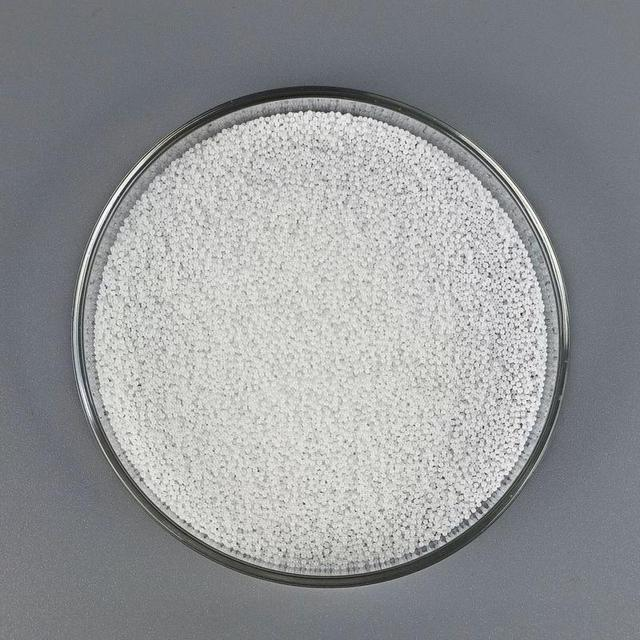










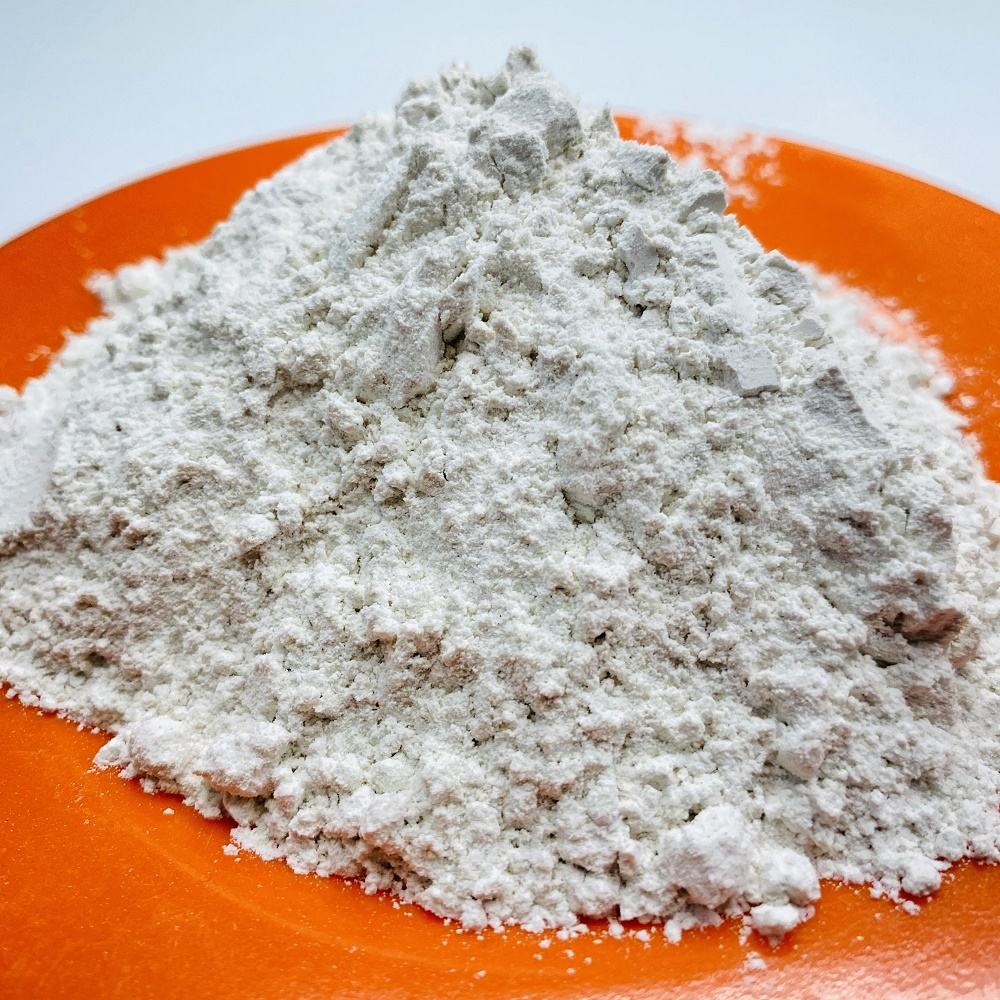
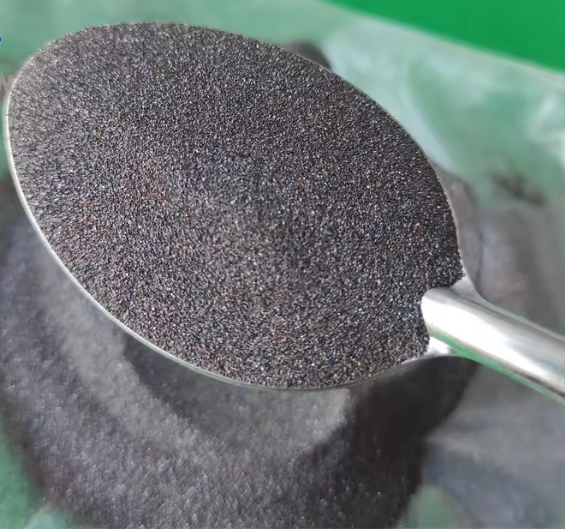
Calcined Bauxite Aluminum Ore is a high-density mineral product obtained by heating raw bauxite in rotary, round, or shaft kilns at temperatures ranging from 1400°C to 1800°C. This thermal decomposition process, known as calcination, triggers the transformation of gibbsite and diaspore into stable α-alumina (corundum) and mullite, a reaction mechanism that significantly increases the material's mechanical strength, thermal stability, and resistance to chemical erosion. Primarily utilized in the production of high-alumina bricks and monolithic refractories, this calcined aluminum ore serves as a critical industrial supply for lining steel-making furnaces, cement kilns, and glass tanks. In addition to its refractory properties, the high hardness of the resulting alumina crystals makes it an essential raw material for manufacturing brown fused alumina abrasives and anti-skid road surfacing aggregates. We provide competitive factory pricing across various grain sizes (0-1mm, 1-3mm, 3-5mm) and mesh powders to meet customized specifications, ensuring reliable bulk supply supported by complete technical documentation including MSDS, TDS, COA.
Calcined Bauxite CAS 1318-16-7
- CAS: 1318-16-7
- Synonyms: Calcined Aluminum Ore, Refractory Bauxite, High Alumina Bauxite, Rotary Kiln Bauxite, Calcined Bauxite Aggregate.
- Einecs: 215-270-7
- Molecular Formula: Al2O3
- Grade: Refractory Grade / Abrasive Grade
- Package: 25kg/bag, 1MT/1.2MT Jumbo bag, or bulk vessel shipment
Product Description
Technical Data
| Property | Specification (Guaranteed 85% Rotary Kiln Grade) |
| Al2O3 Content (%) | ≥ 85.0% |
| Fe2O3 Content (%) | ≤ 1.8% |
| TiO2 Content (%) | ≤ 4.0% |
| CaO + MgO (%) | ≤ 0.5% |
| Bulk Density (g/cm³) | ≥ 3.15 |
| Moisture (%) | ≤ 0.3% |
| Available Sizes (mm) | 0-1mm, 1-3mm, 3-5mm, 200 mesh (Customizable) |
| Refractoriness (°C) | Min. 1780°C |
Applications
- Refractory Industry: The primary industrial use is for manufacturing high-alumina firebricks, castables, and gunning mixes for high-temperature furnace linings.
- Abrasives: Used as a feedstock for Brown Fused Alumina (BFA) production, utilized in grinding wheels, sandpaper, and blasting media.
- Construction: Applied as a high-friction surfacing (HFS) material for road safety to provide anti-skid properties.
- Precision Casting: Used as a molding sand or coating material in investment casting for heavy industrial components.
Storage & Safety
- Storage: Store in a dry area protected from environmental moisture. While Calcined Bauxite is chemically inert, moisture can cause clumping in fine mesh grades and affect the bonding properties in refractory formulations.
- Safety & PPE: Calcined Bauxite Aluminum Ore contains crystalline silica and alumina dust. Personnel handling bulk material should wear industrial-grade dust masks (P3 or N95), safety goggles, and protective gloves. Ensure adequate local exhaust ventilation during crushing or screening processes to maintain airborne dust levels below industrial exposure limits.
Quality Assurance
Our quality control system focuses on the stability of the Al2O3 content and the volume density of the aggregate. Each production lot of Calcined Bauxite Aluminum Ore is tested via X-Ray Fluorescence (XRF) for chemical purity and Pycnometer testing for bulk density. We also perform Refractoriness-under-load (RUL) tests to ensure the material can withstand the extreme thermal stresses typical of heavy metallurgical and industrial kiln environments.
FAQ - Technical & Supply Chain
-
Q:
Is this Calcined Bauxite (CAS 1318-16-7) intended for aluminum metal smelting?
A: No, this product is "Refractory Grade" or "Abrasive Grade" calcined bauxite. While it has a high Al2O3 content, the calcination process renders it highly stable and difficult to dissolve in the Hall-Héroult process. It is intended for industrial use in high-temperature heat insulation and abrasive manufacturing rather than metallurgical aluminum production. -
Q:
How do the different kiln types (Rotary vs. Shaft) affect the industrial application of this ore?
A: Rotary kiln calcined bauxite typically offers higher homogeneity and superior bulk density (typically >3.2 ), making it the preferred choice for high-end refractory bricks. Shaft kiln bauxite is commonly used in general refractory mortars or as an industrial supply for anti-skid aggregates where cost-efficiency is prioritized over maximum density. -
Q:
What are the lead times for a 100 MT bulk order, and what technical docs accompany the shipment?
A: For standard refractory grades, lead time to major loading ports (e.g., Tianjin/Qingdao) is 7-10 days. Every shipment is dispatched with a batch-specific COA (detailing XRF analysis for Al2O3 and Pycnometer results for B.D.), an updated TDS, and compliant MSDS for customs clearance.
Documents and Product Support
For product review and sourcing evaluation, supporting documents can be coordinated according to the product type, inquiry stage, and order requirements.
- COA for batch-based quality reference
- TDS for key physical and chemical information
- SDS / MSDS for handling, storage, and safety reference
- Packing information for sample, trial, and bulk orders
- Technical communication based on application and specification requirements
Information to Confirm Before Quotation
Clear sourcing information helps reduce specification mismatch and allows a more accurate quotation before sample or bulk order discussion.
- Product name and CAS number
- Application or intended end use
- Required purity, grade, or specification
- Sample quantity, trial order, or bulk demand
- Preferred packing form or net weight
- Destination country or port
- Required documents or compliance expectations
Packaging, Storage, and Handling Notes
Packaging form, storage conditions, shelf life, and shipment arrangements should be confirmed according to the product characteristics, package size, and destination requirements.
Before order confirmation, buyers are advised to review the corresponding product documents and confirm whether any special storage, labeling, or handling requirements apply.
Sample, Bulk Order and Repeat Supply Support
Support can be arranged for sample discussion, bulk supply planning, packaging confirmation, and routine sourcing communication based on the actual product and order requirements.
For repeat-use formulations or long-term procurement plans, buyers may discuss specification consistency, packaging preferences, delivery expectations, and document coordination in advance.