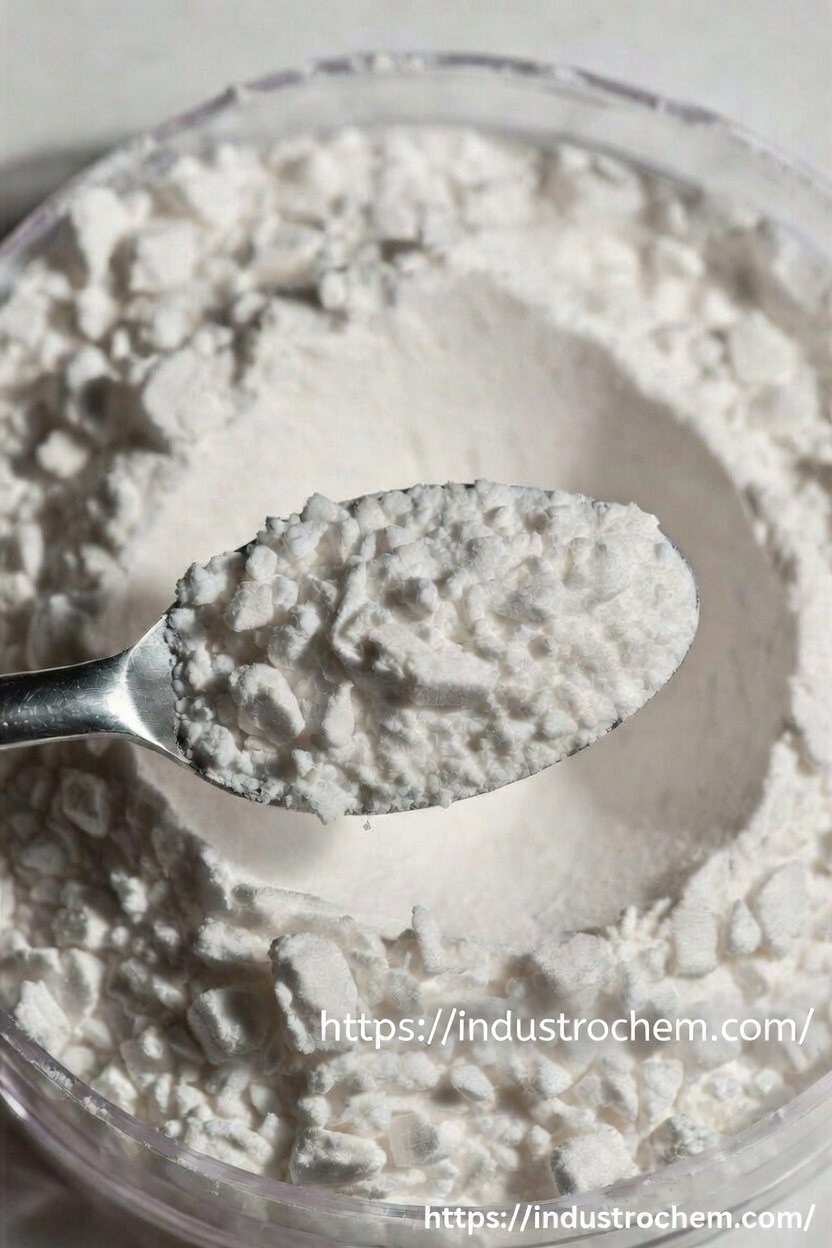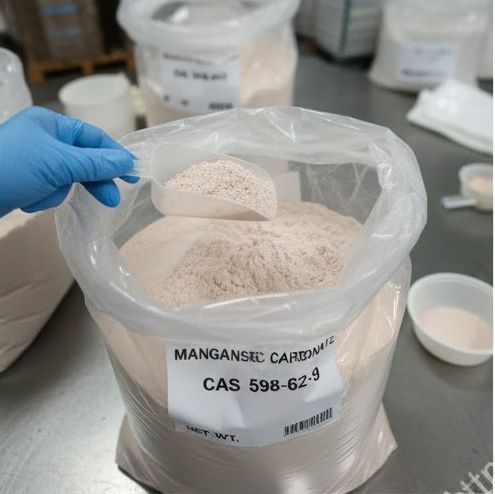
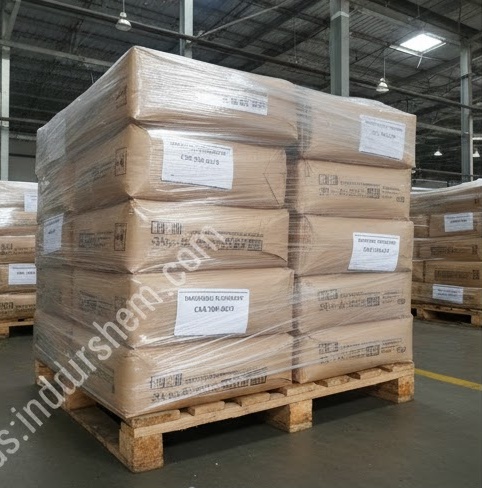
Manganese Carbonate CAS 598-62-9 is an inorganic manganese salt chemically defined as Manganese(II) carbonate , functioning primarily as a precursor for the synthesis of manganese oxides in soft magnetic ferrites and as a nutritional trace element in animal feed. Also known as Manganous carbonate or Carbonic acid manganese salt, this rose-pink crystalline powder is utilized to manufacture high-performance magnetic cores for electronics and serves as a pigmenting agent in ceramic glazes and concrete staining. We provide professional access to this material with competitive factory pricing and the ability to meet customized specifications for various manufacturing requirements. Our commitment to technical transparency ensures that every shipment is accompanied by comprehensive MSDS, TDS, COA documentation to support your quality assurance protocols, and we maintain capacity for consistent bulk supply to facilitate large-scale industrial operations.
Manganese Carbonate CAS 598-62-9
- CAS: 598-62-9
- Synonyms: Manganese(II) carbonate, Manganous carbonate, Carbonic acid manganese(2+) salt, Manganese monocarbonate, MnCO3
- Einecs: 209-942-9
- Molecular Formula: MnCo3
- Grade: feed additives
- Package: 25kg/bag (Plastic woven bag with PE liner) or 500kg/1000kg Jumbo Bag.
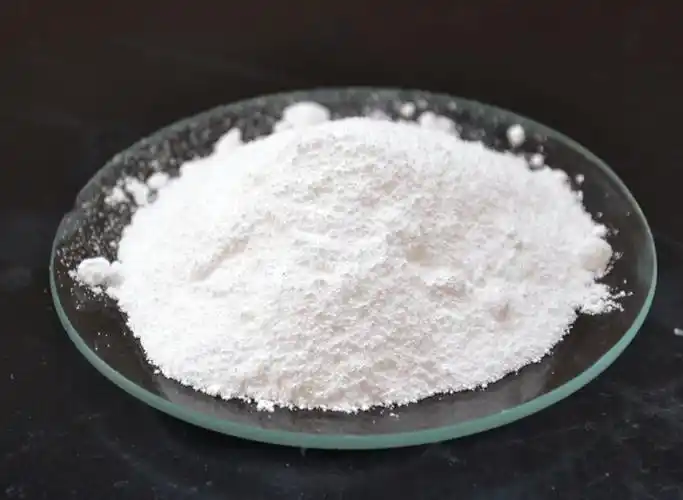
Product Description
Physical & Chemical Properties
To ensure this grade matches your technical requirements, please review the standard specifications below.
| Property | Specification |
|---|---|
| Chemical Name | Manganese Carbonate |
| CAS Number | 598-62-9 |
| Appearance | Rose-colored / Light Pink Powder |
| Manganese (Mn) Content | 43% – 46% (Typical Industrial Grade) |
| Molecular Weight | 114.95 |
| Solubility | Insoluble in water; Soluble in dilute acids |
| Specific Gravity | 3.12 g/cm³ |
| Decomposition | Releases CO₂ upon heating |
Key Application Fields
Manganese Carbonate is valued because it is a stable, non-hygroscopic source of manganese that reacts cleanly in acidic environments.
1. Magnetic Materials (Ferrites) This is one of the most critical applications. High-purity Manganese Carbonate is a key ingredient in the production of Soft Magnetic Ferrites (Mn-Zn ferrites). These components are essential for transformers, inductors, and power supply units in the electronics industry. Our product’s low impurity profile ensures optimal magnetic permeability.
2. Agriculture and Animal Feed Manganese is a vital micronutrient.
- Fertilizers: It is used to cure manganese deficiency in crops (often seen as yellowing leaves), particularly in soil with high pH.
- Feed Additive: It serves as a nutritional supplement for livestock to support bone development and enzyme function.
3. Ceramics and Glass
- Glazes: In pottery and tile manufacturing, it acts as a colorant. Depending on the firing atmosphere and other ingredients, it can produce reddish-browns, blacks, or purples.
- Porcelain: It is used to minimize the “iron spotting” effect, ensuring a cleaner finish.
4. Chemical Intermediate It is the preferred starting material for manufacturing other manganese salts (like Manganese Nitrate or Manganese Gluconate) because it dissolves in acid without introducing sulfate or chloride ions, releasing only carbon dioxide.
Why Sourcing the Right Grade Matters
Not all Manganese Carbonate is suitable for all applications.
- For Electronics: You need low silica and low sodium levels.
- For Agriculture: You need strict control over heavy metals like Lead (Pb) and Arsenic (As).
We supply grades that are tailored to these specific needs, ensuring you don’t pay for purity you don’t need, or risk using a low-grade product in a sensitive application.
Safety and Precautionary Measures
While Manganese Carbonate is stable, it should be handled with standard industrial hygiene practices.
- Dust Control: Long-term inhalation of high concentrations of manganese dust can be harmful to the nervous system. Local exhaust ventilation is highly recommended in mixing areas.
- PPE: Operators should wear dust masks (N95), safety goggles, and gloves to prevent irritation.
- Incompatibility: Avoid contact with strong acids unless part of the controlled reaction process, as this will generate carbon dioxide gas rapidly.
Storage and Stability
One of the benefits of Manganese Carbonate over other manganese salts (like the sulfate form) is that it is not highly hygroscopic (it doesn’t absorb water easily).
- Environment: Store in a cool, ventilated, and dry warehouse.
- Separation: Keep away from acids to prevent accidental reaction.
- Packaging: Keep containers (bags or drums) tightly closed to prevent dust contamination.
- Shelf Life: It is chemically stable and has a long shelf life (2+ years) if stored correctly.
FAQ - Technical & Supply Chain
-
Q:
How is the industrial grade of Manganese Carbonate (CAS 598-62-9) physically characterized for quality control?
A: Manganese Carbonate is identified by CAS 598-62-9 and typically presents as a fine, rose-colored to light brown powder. Industrial quality verification focuses on its Manganese (Mn) metal content—typically ranging from 44% to 46%—and low levels of heavy metal impurities (like Pb and As) to distinguish high-purity synthetic grades from crude natural ore (Rhodochrosite). -
Q:
Why is this material essential in the production of soft magnetic ferrites?
A: In the electronics materials industry, Manganese Carbonate is intended for use as the primary source of manganese oxide. Upon thermal decomposition, it yields highly reactive oxides that are critical for synthesizing Manganese-Zinc (Mn-Zn) ferrites, which are used in transformers and inductors for their high magnetic permeability and low electrical loss.
Documents and Product Support
For product review and sourcing evaluation, supporting documents can be coordinated according to the product type, inquiry stage, and order requirements.
- COA for batch-based quality reference
- TDS for key physical and chemical information
- SDS / MSDS for handling, storage, and safety reference
- Packing information for sample, trial, and bulk orders
- Technical communication based on application and specification requirements
Information to Confirm Before Quotation
Clear sourcing information helps reduce specification mismatch and allows a more accurate quotation before sample or bulk order discussion.
- Product name and CAS number
- Application or intended end use
- Required purity, grade, or specification
- Sample quantity, trial order, or bulk demand
- Preferred packing form or net weight
- Destination country or port
- Required documents or compliance expectations
Packaging, Storage, and Handling Notes
Packaging form, storage conditions, shelf life, and shipment arrangements should be confirmed according to the product characteristics, package size, and destination requirements.
Before order confirmation, buyers are advised to review the corresponding product documents and confirm whether any special storage, labeling, or handling requirements apply.
Sample, Bulk Order and Repeat Supply Support
Support can be arranged for sample discussion, bulk supply planning, packaging confirmation, and routine sourcing communication based on the actual product and order requirements.
For repeat-use formulations or long-term procurement plans, buyers may discuss specification consistency, packaging preferences, delivery expectations, and document coordination in advance.