








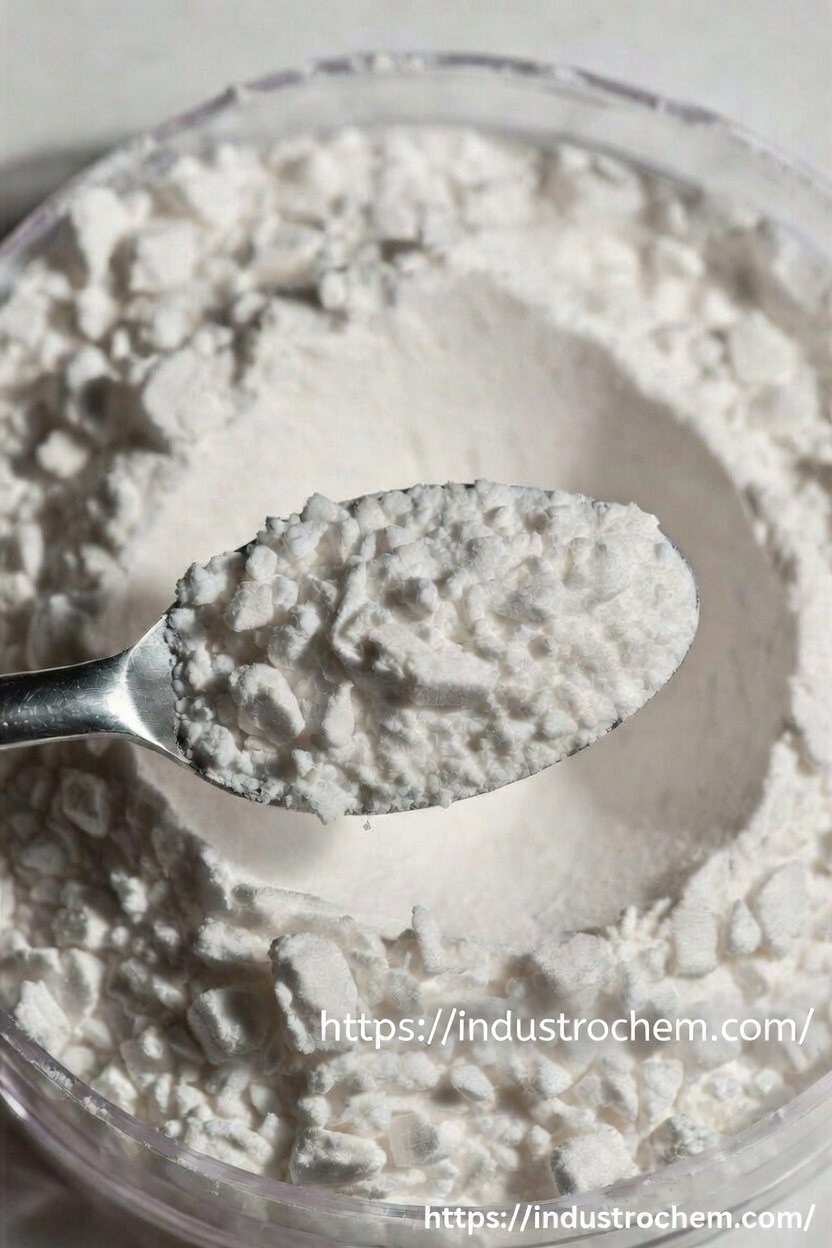
Lithium carbonate, designated by CAS 554-13-2, is a white, monoclinic crystalline inorganic compound acting as a fundamental precursor within the Inorganic Chemicals sector for advanced energy storage and glass-ceramic manufacturing. This dilithium carbonate serves as a primary source of lithium ions, driving the synthesis of complex metal oxides used in modern electrochemical systems. As a versatile carbonic acid dilithium salt, it functions as a potent fluxing agent in silica melts, significantly lowering the melting point and reducing the thermal expansion coefficient of specialized glassware. Furthermore, this lithium(I) carbonate is typically applied in the formulation of continuous casting fluxes and primary aluminum smelting baths to enhance bath conductivity and lower operating temperatures. We manufacture this critical material with competitive factory pricing to sustain continuous metallurgical and electrochemical production lines, guaranteeing that every delivery meets customized specifications for purity and particle size distribution. Our integrated bulk supply network ensures reliable procurement, accompanied by comprehensive technical documentation, including MSDS, TDS, COA, to support stringent process auditing and safety compliance.
Lithium Carbonate CAS 554-13-2
- CAS: 554-13-2
- Synonyms: Dilithium carbonate, Carbonic acid dilithium salt, Lithium(I) carbonate, Lithium monocarbonate
- Einecs: 209-062-5
- Molecular Formula: Li2CO3
- Grade: Industrial Grade / Battery Grade
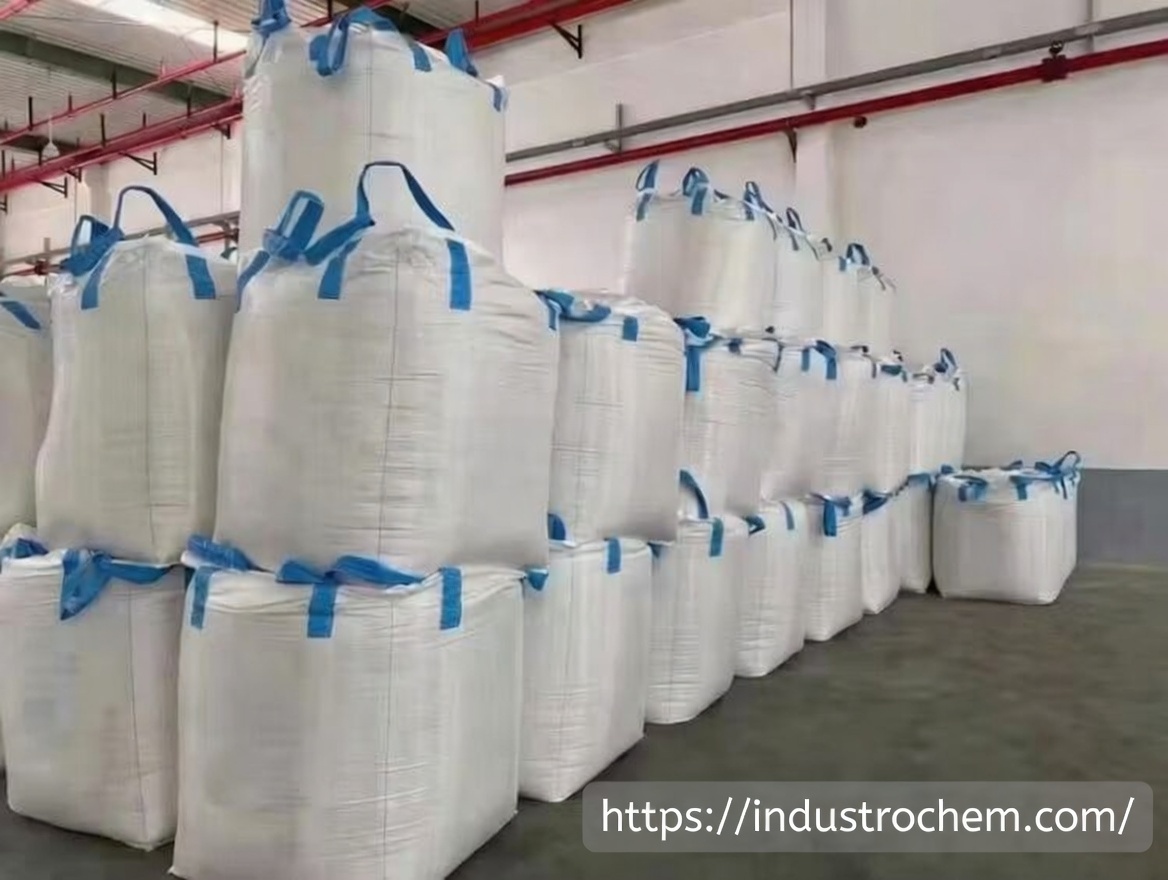
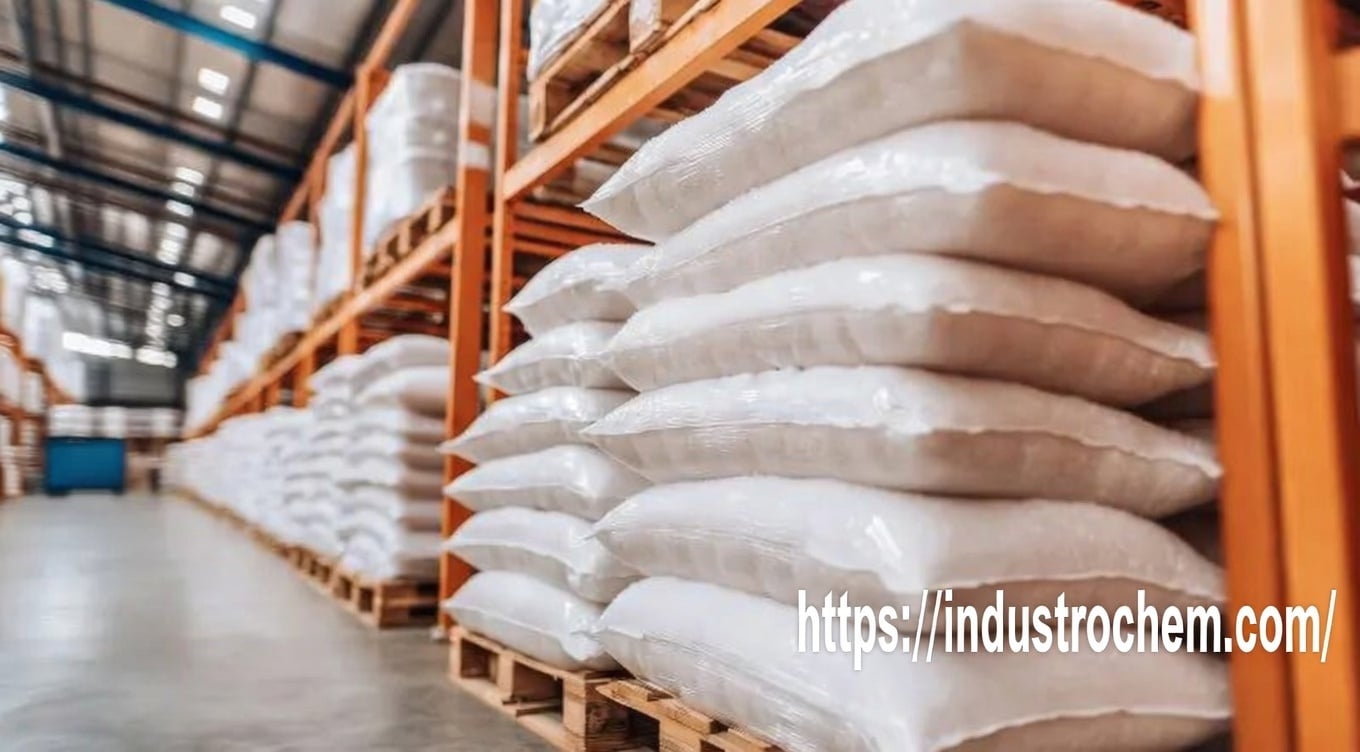
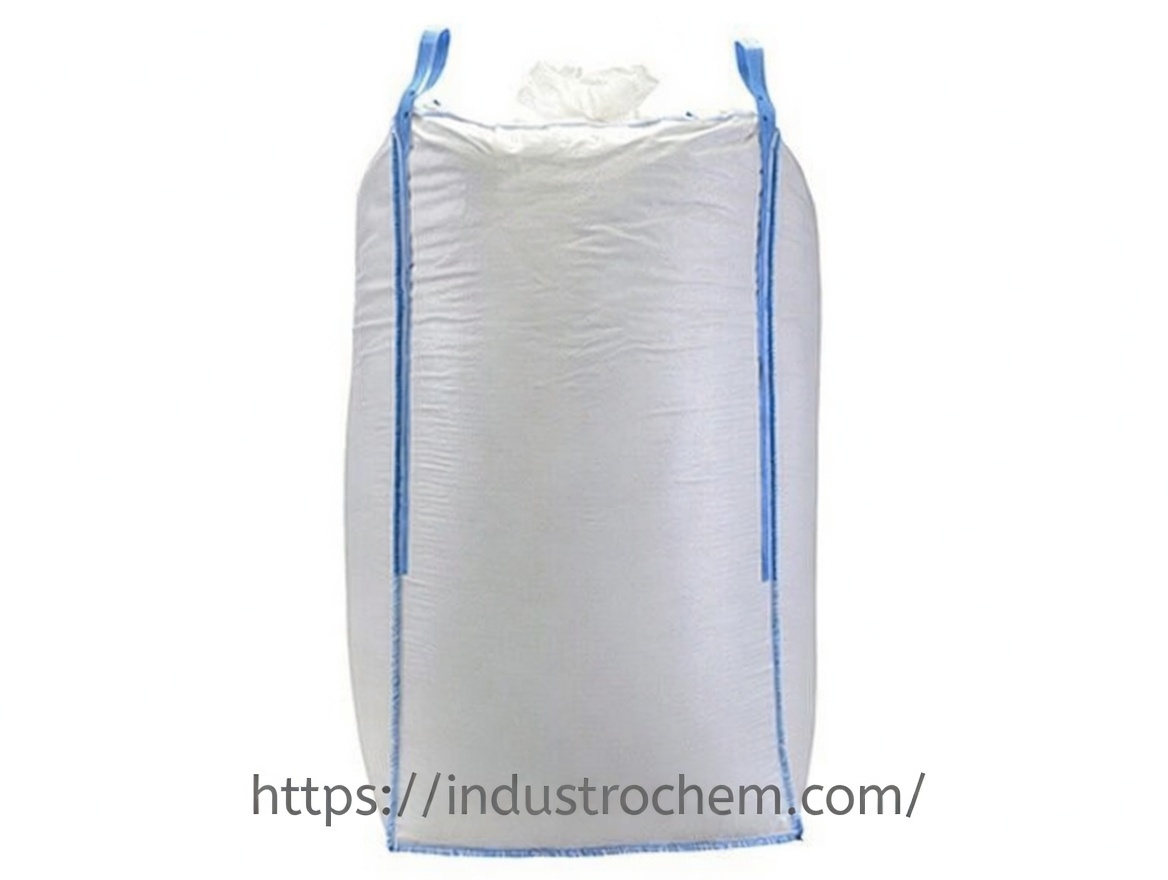
- Package: 25kg/bag, 500kg/bag, or 1000kg jumbo bags
Product Description
For lithium-ion battery electrolyte systems, Ethylene Carbonate is a separate solvent component rather than a lithium-source material.
Technical Data (Physicochemical Properties)
| Property | Specification (Typical Export Standard) |
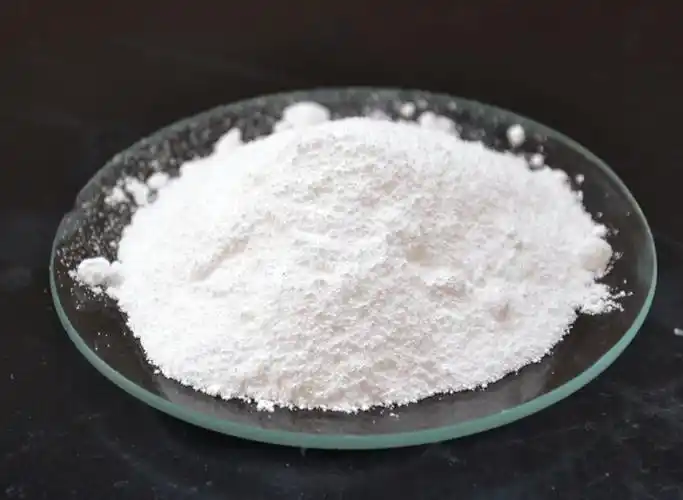
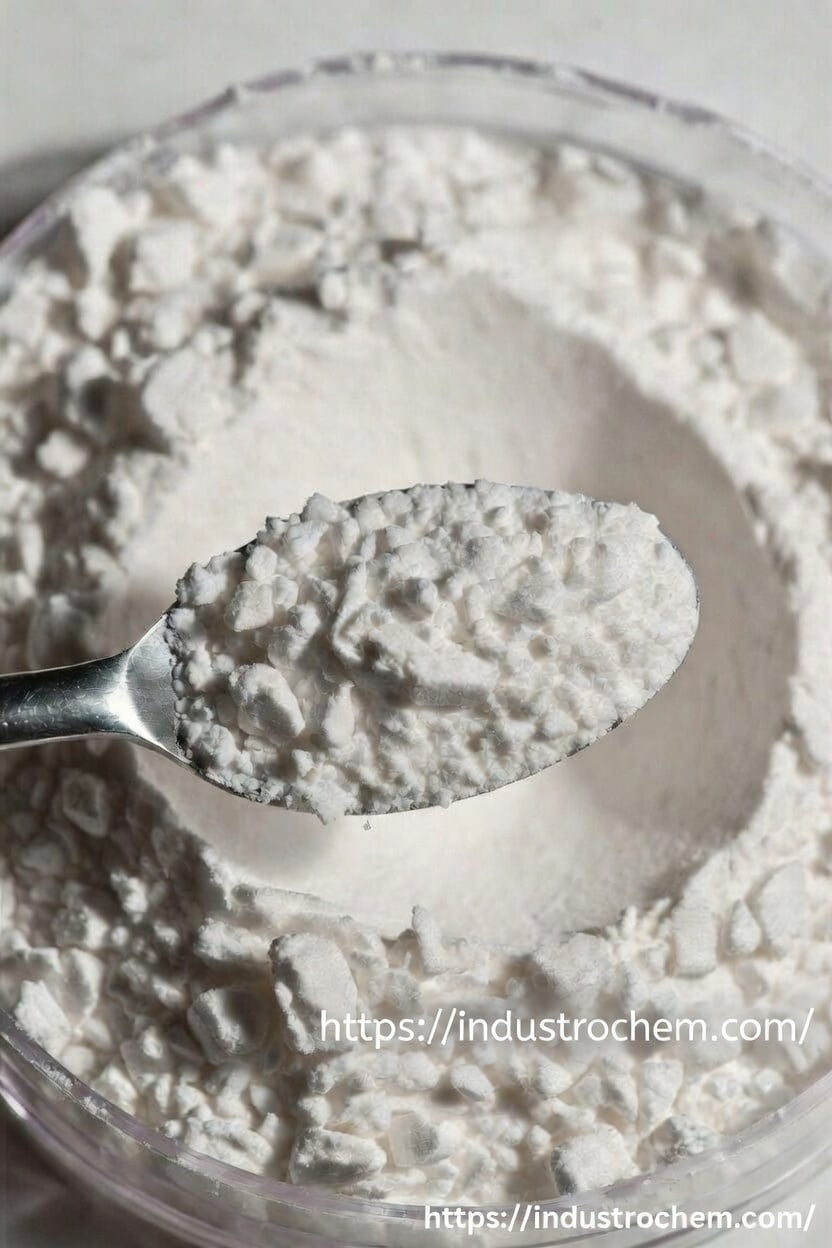
| Appearance | White crystalline powder |
| Assay (Li2CO3) | ≥ 99.5% |
| Sodium (Na) | ≤ 0.025% |
| Calcium (Ca) | ≤ 0.005% |
| Iron (Fe) | ≤ 0.001% |
| Chloride (Cl) | ≤ 0.003% |
| Moisture Content | ≤ 0.4% |
| Melting Point | 723°C |
Applications
- Energy Storage: The primary industrial precursor for synthesizing cathode active materials (such as LCO, NMC, and LFP) in lithium-ion batteries.
- Glass & Ceramics: Utilized as a fluxing agent in ovenware, enamels, and specialty glass to lower viscosity, increase chemical durability, and improve thermal shock resistance.
- Aluminum Smelting: Added to the cryolite bath in primary aluminum production to lower the melting temperature and increase the electrical conductivity of the electrolyte.
- Construction Chemicals: Applied as a set-accelerating additive in specialized cementitious materials and fast-setting tile adhesives.
Storage & Safety
- Storage: Store in a strictly dry, well-ventilated area. The material is slightly hygroscopic; therefore, all packaging (especially inner PE liners) must remain tightly sealed to prevent moisture uptake and subsequent agglomeration. Isolate from strong acids and reactive metals.
- Handling: Avoid the generation of airborne dust during bulk transfer, weighing, and mixing. Implement closed-system processing or local exhaust ventilation where feasible.
- PPE Recommendations: Personnel handling bulk powder must wear chemical-resistant gloves, tightly fitting safety goggles, and a NIOSH-approved particulate respirator (N95 or higher) to mitigate respiratory and ocular irritation.
Quality Assurance
Our refining facility employs advanced precipitation and continuous crystallization processes to isolate high-purity Li2CO3 from technical brines or spodumene concentrates. Each batch is meticulously evaluated using Inductively Coupled Plasma Optical Emission Spectroscopy (ICP-OES) to strictly quantify trace magnetic impurities (such as Fe and Ni) and alkali metal cross-contamination (Na, K), which are critical parameters for electrochemical applications. Furthermore, we utilize laser diffraction technology to map the particle size distribution (D50/D90), ensuring the powder exhibits the exact morphological profile required for uniform calcination in downstream cathode manufacturing.
FAQ - Technical & Supply Chain
-
Q:
What is Lithium Carbonate CAS 554-13-2?
A: CAS 554-13-2 is lithium carbonate, an inorganic lithium salt with the molecular formula Li2CO3. It is a white crystalline powder and is a key industrial source of lithium for battery and specialty-material production. -
Q:
What is the difference between industrial grade and battery grade lithium carbonate?
A: Both grades are based on lithium carbonate, but battery grade is controlled for higher purity and lower levels of impurities such as sodium, calcium, iron, chloride, and magnetic metals. Industrial grade is suitable for ceramics, glass, and aluminum smelting, while battery grade is preferred for cathode precursor production. -
Q:
What are the main applications of Lithium Carbonate CAS 554-13-2?
A: It is primarily used as a precursor for lithium-ion battery cathode materials, including LFP, NMC, and LCO. It also functions as a flux in specialty glass and ceramics, an electrolyte additive in aluminum smelting, and a set accelerator in some cementitious formulations. -
Q:
What are the typical specifications for lithium carbonate powder?
A: A common export specification is at least 99.5% Li2CO3, with controlled sodium, calcium, iron, chloride, and moisture. The material is a white crystalline powder with a melting point near 723 degrees C and is slightly hygroscopic. -
Q:
How should lithium carbonate be stored?
A: Keep it in a dry, well-ventilated area and close containers tightly because it is slightly hygroscopic. Avoid contact with moisture and incompatible materials, and follow standard chemical handling and dust-control practices.
Ordering & Documentation
Key information for document requests, quotations, and supply planning.
Documents
COA, TDS, SDS/MSDS and packing details are available on request.
Quotation
Send the CAS number, grade, quantity, packing preference and destination.
Sample & Supply
Support is available for samples, trial orders, bulk and repeat supply.
Storage & Shipping
Product-specific conditions are confirmed before order.