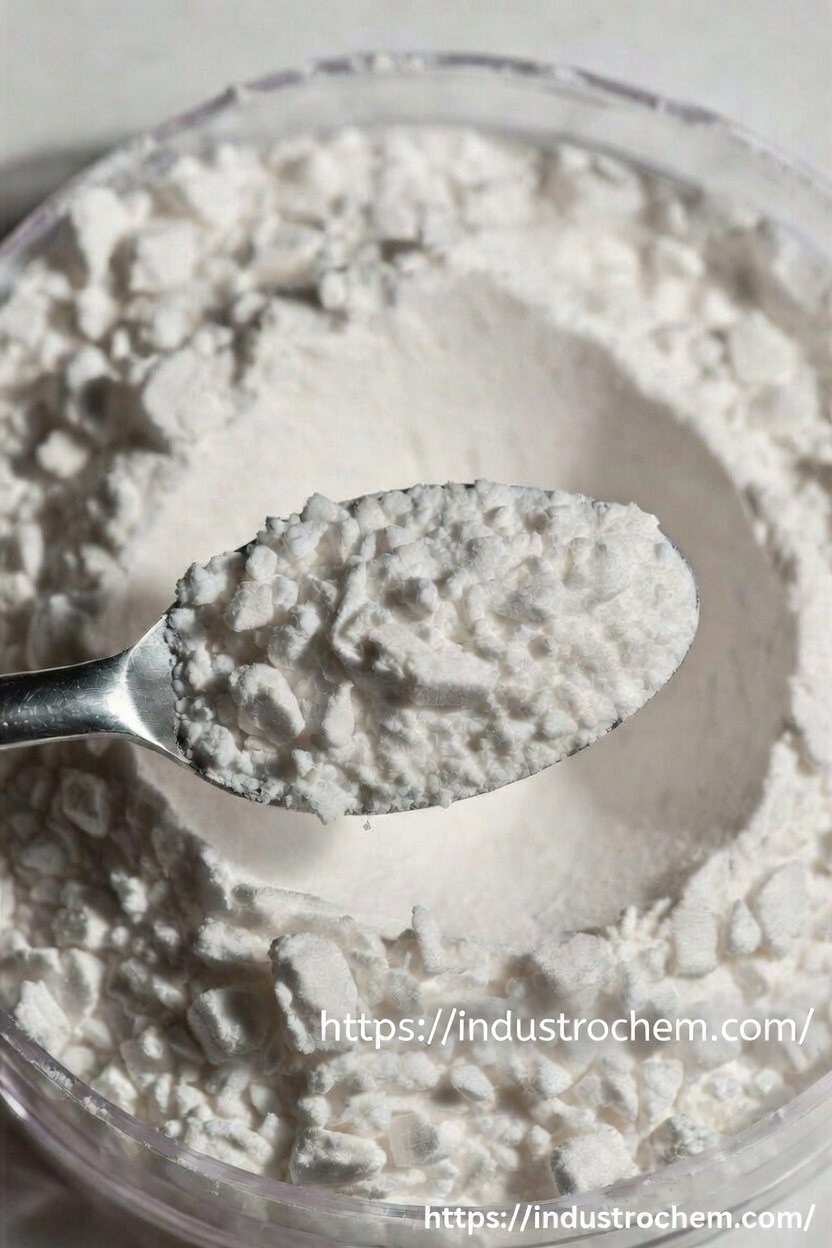










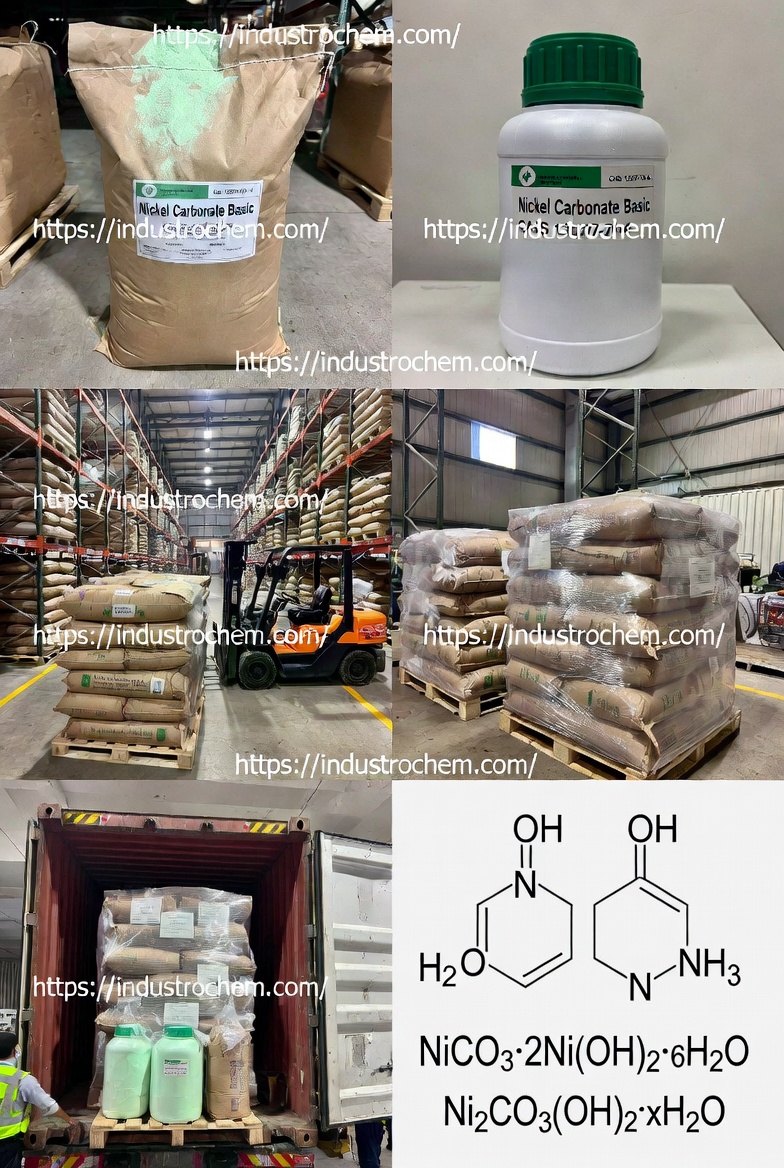
Nickel Carbonate Basic CAS 12607-70-4 is a light green crystalline powder functioning as a high-purity source of nickel ions for aqueous chemical processes. Within industrial metal finishing, this nickelous carbonate basic serves as a critical pH regulator and precursor for nickel carbonate hydroxide in electroplating baths and catalyst manufacturing. This basic nickel carbonate acts as a neutralizing agent to maintain nickel ion concentration without introducing unwanted anions into the system, while nickel(II) carbonate basic is essential for the chemical synthesis of specialty nickel-based pigments and ceramic glazes. We provide bulk supply with competitive factory pricing to meet large-scale industrial demands, ensuring all batches are accompanied by comprehensive MSDS, TDS, COA and offer customized specifications to meet specific purity or particle size requirements.
Nickel Carbonate Basic CAS 12607-70-4
- CAS: 12607-70-4
- Synonyms: Nickelous carbonate basic, Nickel carbonate hydroxide, Nickel(II) carbonate basic, Carbonic acid nickel salt basic, Nickelous carbonate
- Einecs: 235-715-9
- Molecular Formula: CH4Ni3O7
- Grade: Electroplating Grade / Industrial Grade
- Package: 25kg/bag or customized bulk packaging
Product Description
Technical Data (Physicochemical Properties)
| Property Category | Parameter | Specification (High-Purity Export Grade) |
| Physical State | Appearance | Fine, light green crystalline powder |
| Bulk Density | 0.65 – 0.90 g/cm3 | |
| Particle Size (D50) | 3.0 – 8.0 um | |
| Core Assay | Nickel (Ni) Content | >= 45.0% (typically 45.5% – 48.0%) |
| Acid Insoluble Matter | <= 0.01% | |
| Trace Impurities | Iron (Fe) | <= 0.001% (10 ppm) |
| Copper (Cu) | <= 0.0005% (5 ppm) | |
| Zinc (Zn) | <= 0.0005% (5 ppm) | |
| Lead (Pb) | <= 0.001% (10 ppm) | |
| Cobalt (Co) | <= 0.005% (50 ppm) | |
| Anionic Content | Sulfate (SO4) | <= 0.01% |
| Chloride (Cl) | <= 0.01% | |
| Solubility | Water Solubility | Insoluble (0.093 g/L at 25°C) |
| Acid Solubility | Rapidly dissolves in HNO3, HCl, H2SO4 |
Applications
- Electroplating & Surface Finishing: Primarily used to adjust the pH value of nickel plating solutions (such as Watts baths) and replenish nickel ions without introducing chloride or sulfate imbalances.
- Catalyst Production: Acts as a high-purity raw material for the manufacturing of hydrogenation catalysts and various nickel-based chemical catalysts used in oil refining.
- Ceramics and Glass: Utilized as a coloring agent and in the preparation of specialized glazes, ceramic pigments, and glass decolorization.
- Chemical Synthesis: Serves as a reactive intermediate in the production of high-purity nickel salts like nickel sulfamate, nickel nitrate, and nickel acetate.
Storage & Safety
- Storage: Store in a cool, dry, and well-ventilated warehouse. Keep containers tightly sealed to prevent moisture absorption and environmental contamination. Store away from strong acids and food-grade materials.
- Safety Operations (PPE): Wear chemical-resistant nitrile gloves, safety goggles with side shields, and an approved dust respirator (N95 or equivalent) to prevent inhalation. Protective work clothing should be worn to minimize skin contact.
- Handling: Ensure adequate local exhaust ventilation during handling to control airborne dust levels. Avoid generating dust during bulk material transfer or bag opening.
Quality Assurance
Our production facility implements a rigorous quality management system to ensure consistency across all batches. We utilize advanced analytical techniques, including Inductively Coupled Plasma (ICP) for trace metal analysis and precise titration for nickel content verification. Each production run is cross-referenced against high-purity industrial standards to ensure compliance with international electroplating and catalyst requirements. Technical documentation is maintained to meet specific industrial audit needs and specialized application standards.
FAQ - Technical & Supply Chain
-
Q:
How does the CAS 12607-70-4 designation differentiate this material from neutral nickel carbonate?
A: CAS 12607-70-4 specifically identifies the basic form of the salt, which contains both carbonate and hydroxide groups (NiCO3·2Ni(OH)2·xH2O). This is chemically distinct from the anhydrous neutral carbonate (CAS 3333-67-3), which is rarely used in industrial electroplating due to its much lower solubility and different reaction kinetics in acidic plating baths. -
Q:
Is this product intended for laboratory research or large-scale industrial electroplating?
A: This material is processed specifically as an industrial-grade chemical intended for large-scale applications such as pH adjustment in plating baths and catalyst precursors. While it meets high purity standards, it is typically supplied in bulk quantities to support factory-level manufacturing processes rather than micro-scale laboratory research. -
Q:
Why is Nickel Carbonate Basic preferred over Nickel Oxide for pH adjustment in plating baths?
A: Nickel Carbonate Basic is commonly used because it dissolves more readily in acidic plating solutions at lower temperatures compared to nickel oxide. Its dissolution reaction effectively neutralizes excess acidity without introducing foreign anions, making it the standard choice for maintaining chemical equilibrium in high-performance electrolytes.
Documents and Product Support
For product review and sourcing evaluation, supporting documents can be coordinated according to the product type, inquiry stage, and order requirements.
- COA for batch-based quality reference
- TDS for key physical and chemical information
- SDS / MSDS for handling, storage, and safety reference
- Packing information for sample, trial, and bulk orders
- Technical communication based on application and specification requirements
Information to Confirm Before Quotation
Clear sourcing information helps reduce specification mismatch and allows a more accurate quotation before sample or bulk order discussion.
- Product name and CAS number
- Application or intended end use
- Required purity, grade, or specification
- Sample quantity, trial order, or bulk demand
- Preferred packing form or net weight
- Destination country or port
- Required documents or compliance expectations
Packaging, Storage, and Handling Notes
Packaging form, storage conditions, shelf life, and shipment arrangements should be confirmed according to the product characteristics, package size, and destination requirements.
Before order confirmation, buyers are advised to review the corresponding product documents and confirm whether any special storage, labeling, or handling requirements apply.
Sample, Bulk Order and Repeat Supply Support
Support can be arranged for sample discussion, bulk supply planning, packaging confirmation, and routine sourcing communication based on the actual product and order requirements.
For repeat-use formulations or long-term procurement plans, buyers may discuss specification consistency, packaging preferences, delivery expectations, and document coordination in advance.