









Lead(II) Bromide CAS 10031-22-8 is an inorganic halide salt chemically defined as lead dibromide , functioning primarily as a solid-state electrolyte in specialized galvanic cells and a precursor in the synthesis of photosensitive semiconductor materials. Also known as Plumbous bromide, this high-density crystalline powder is utilized to fabricate acousto-optic components and serves as a catalyst additive in specific industrial polymerization reactions. We provide professional access to this material with competitive factory pricing and the ability to meet customized specifications for various manufacturing requirements. Our commitment to technical transparency ensures that every shipment is accompanied by comprehensive MSDS, TDS, COA documentation to support your quality assurance protocols, and we maintain capacity for consistent bulk supply to facilitate large-scale industrial operations.
Lead(II) Bromide CAS 10031-22-8
- CAS: 10031-22-8
- Synonyms: Lead dibromide, Plumbous bromide, Lead(2+) bromide, Dibromolead, PbBr2
- Einecs: 233-084-4
- Molecular Formula: 𝑃 𝑏 𝐵 𝑟 2
- Grade: Industrial Detergent Material
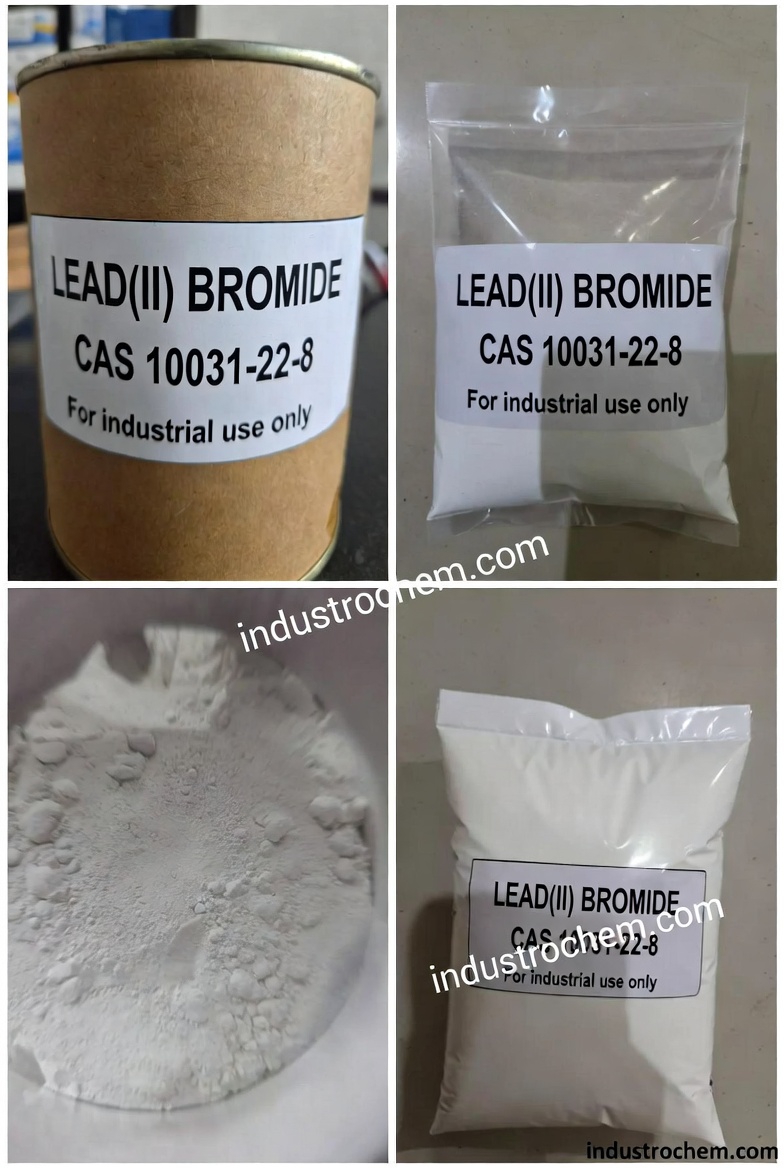
- Package: 25kg/bag (Plastic woven bag with PE liner) or 500kg/1000kg Jumbo Bag.
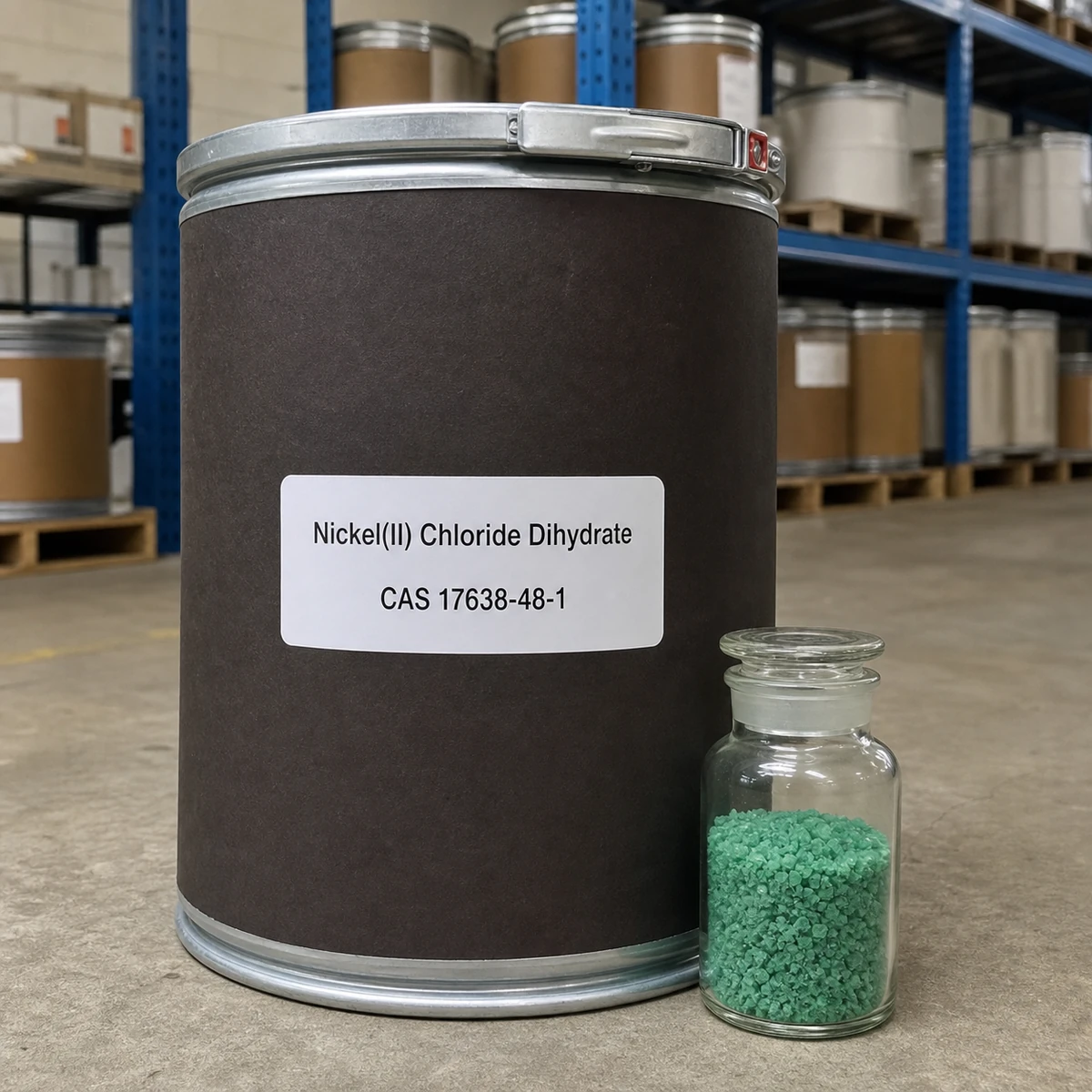
Product Description
1. Physical and Chemical Properties
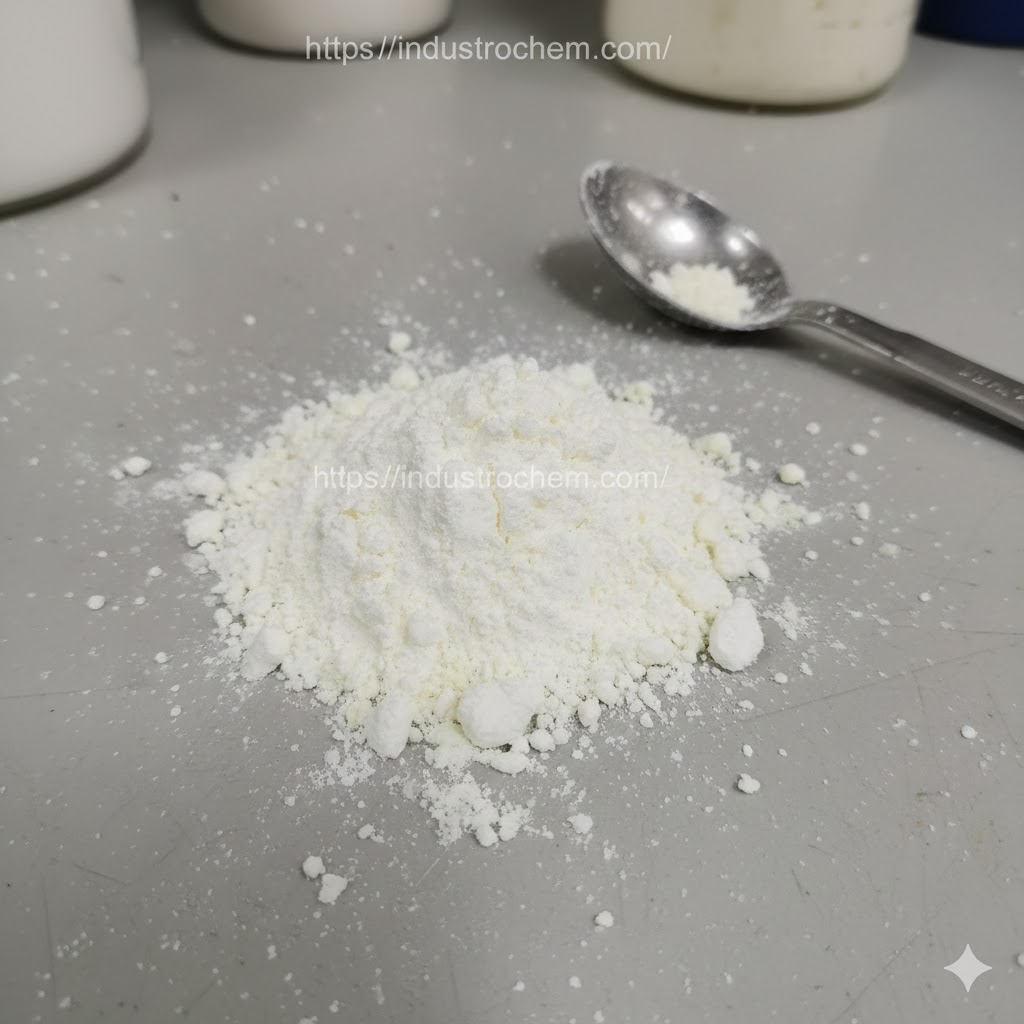
Lead(II) Bromide is a dense, white crystalline powder that exhibits unique behavior under varying conditions.
| Property | Value / Specification |
|---|---|
| CAS Number | 10031-22-8 |
| Molecular Formula | |
| Molecular Weight | 367.01 g/mol |
| Appearance | White to off-white crystalline powder |
| Density | 6.66 g/cm³ |
| Melting Point | 373 °C (673 K) |
| Boiling Point | 916 °C (1,189 K) |
| Solubility (Water) | Low in cold water; increases significantly in hot water |
| Solubility (Organic) | Soluble in DMSO, DMF (essential for thin-film coating) |
| Sensitivity | Light-sensitive (turns slightly yellow/grey over time) |
2. Primary Application Fields: The “Perovskite” Revolution
The modern demand for Lead(II) Bromide is driven by three high-tech sectors:
- Perovskite Solar Cells (PSCs): This is the most critical application. is used as a primary precursor in the synthesis of organic-inorganic hybrid perovskites . Its purity directly influences the carrier lifetime and the power conversion efficiency (PCE) of the solar cell.
- Radiation Detection: High-purity Lead(II) Bromide crystals are used in the fabrication of X-ray and Gamma-ray detectors. Its high atomic number () makes it an excellent material for absorbing high-energy radiation.
- Specialized Optics: It is used in the production of infrared-transmitting glasses and as an additive in certain types of optical fibers and laser materials.
- Organic Synthesis: In laboratory settings, it acts as a mild catalyst or reagent in various bromination reactions.
3. Safety Precautions: A Strict Protocol
As with all lead-based compounds, Lead(II) Bromide must be handled with the utmost professional care. It is classified as toxic and an environmental hazard.
- Respiratory Protection: Fine powder can easily become airborne. Use a high-efficiency particulate air (HEPA) filtered respirator (N100 or P100) when handling the material outside of a closed system.
- Skin and Eye Contact: Use chemical-resistant nitrile gloves (double-gloving is recommended for high-purity handling) and full safety goggles.
- Ingestion: Lead is a cumulative toxin. Do not eat, drink, or smoke in areas where is handled.
- Environmental Impact: It is highly toxic to aquatic life. Ensure all waste is disposed of through a certified hazardous waste contractor and never allow it to enter the drainage system.
4. Storage and Stability
To protect your investment and maintain the chemical’s purity, storage conditions are non-negotiable:
- Light Control: Lead(II) Bromide is photo-sensitive. Prolonged exposure to light will cause it to decompose slightly, often indicated by a grey or yellowish tint. It must be stored in amber glass bottles or opaque HDPE containers.
- Moisture Control: The material is slightly hygroscopic. Store it in a cool, dry place, preferably under an inert atmosphere (Dry Nitrogen or Argon) if you are using it for electronic applications.
- Temperature: Maintain storage at room temperature (15-25°C). Keep away from strong acids and oxidizing agents.
FAQ - Technical & Supply Chain
-
Q:
How is Lead(II) Bromide (CAS 10031-22-8) chemically characterized for industrial verification?
A: Lead(II) Bromide is identified by CAS 10031-22-8 and chemically confirmed as PbBr2. In industrial quality control, it is distinguished by its high density (approx. 6.66 g/cm³) and its specific solubility profile in hot water compared to other lead halides like lead chloride or lead iodide. -
Q:
What is the primary industrial function of Lead(II) Bromide in material synthesis?
A: In advanced material manufacturing, this compound is intended for use as a precursor for optoelectronic materials. It provides the necessary lead and bromide ions for synthesizing complex perovskite structures or specialized glass materials requiring high refractive indices.
Documents and Product Support
For product review and sourcing evaluation, supporting documents can be coordinated according to the product type, inquiry stage, and order requirements.
- COA for batch-based quality reference
- TDS for key physical and chemical information
- SDS / MSDS for handling, storage, and safety reference
- Packing information for sample, trial, and bulk orders
- Technical communication based on application and specification requirements
Information to Confirm Before Quotation
Clear sourcing information helps reduce specification mismatch and allows a more accurate quotation before sample or bulk order discussion.
- Product name and CAS number
- Application or intended end use
- Required purity, grade, or specification
- Sample quantity, trial order, or bulk demand
- Preferred packing form or net weight
- Destination country or port
- Required documents or compliance expectations
Packaging, Storage, and Handling Notes
Packaging form, storage conditions, shelf life, and shipment arrangements should be confirmed according to the product characteristics, package size, and destination requirements.
Before order confirmation, buyers are advised to review the corresponding product documents and confirm whether any special storage, labeling, or handling requirements apply.
Sample, Bulk Order and Repeat Supply Support
Support can be arranged for sample discussion, bulk supply planning, packaging confirmation, and routine sourcing communication based on the actual product and order requirements.
For repeat-use formulations or long-term procurement plans, buyers may discuss specification consistency, packaging preferences, delivery expectations, and document coordination in advance.