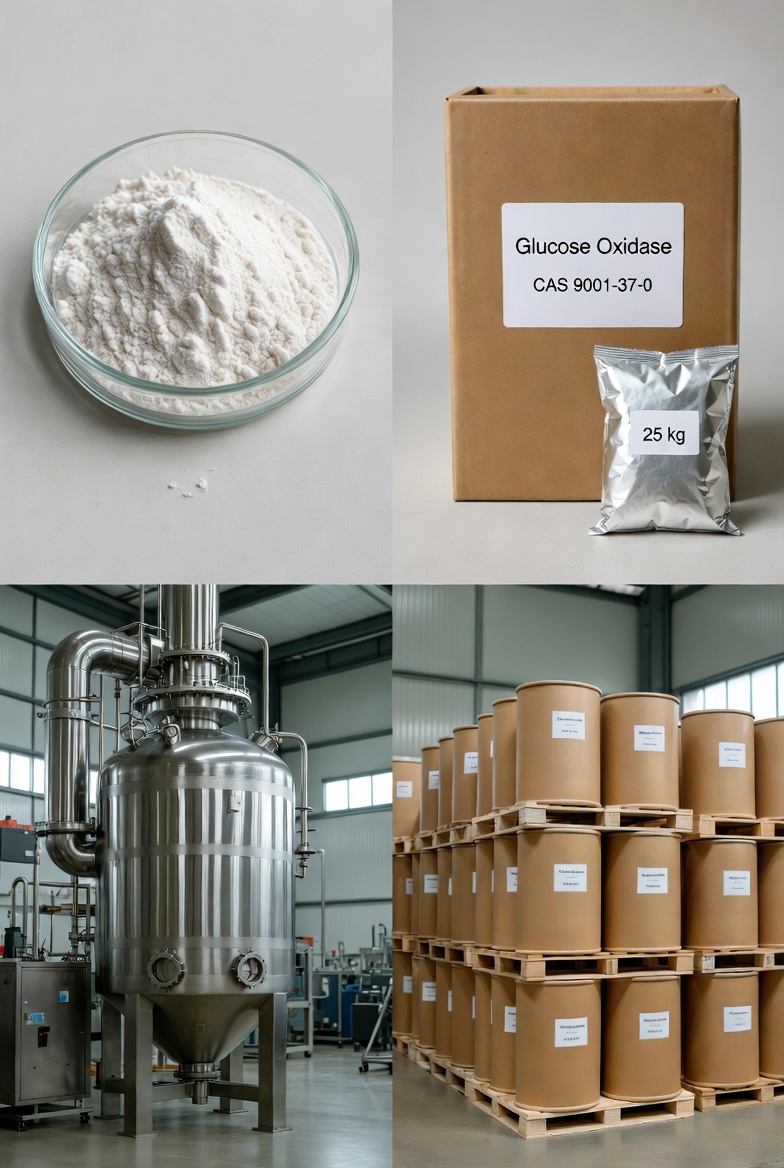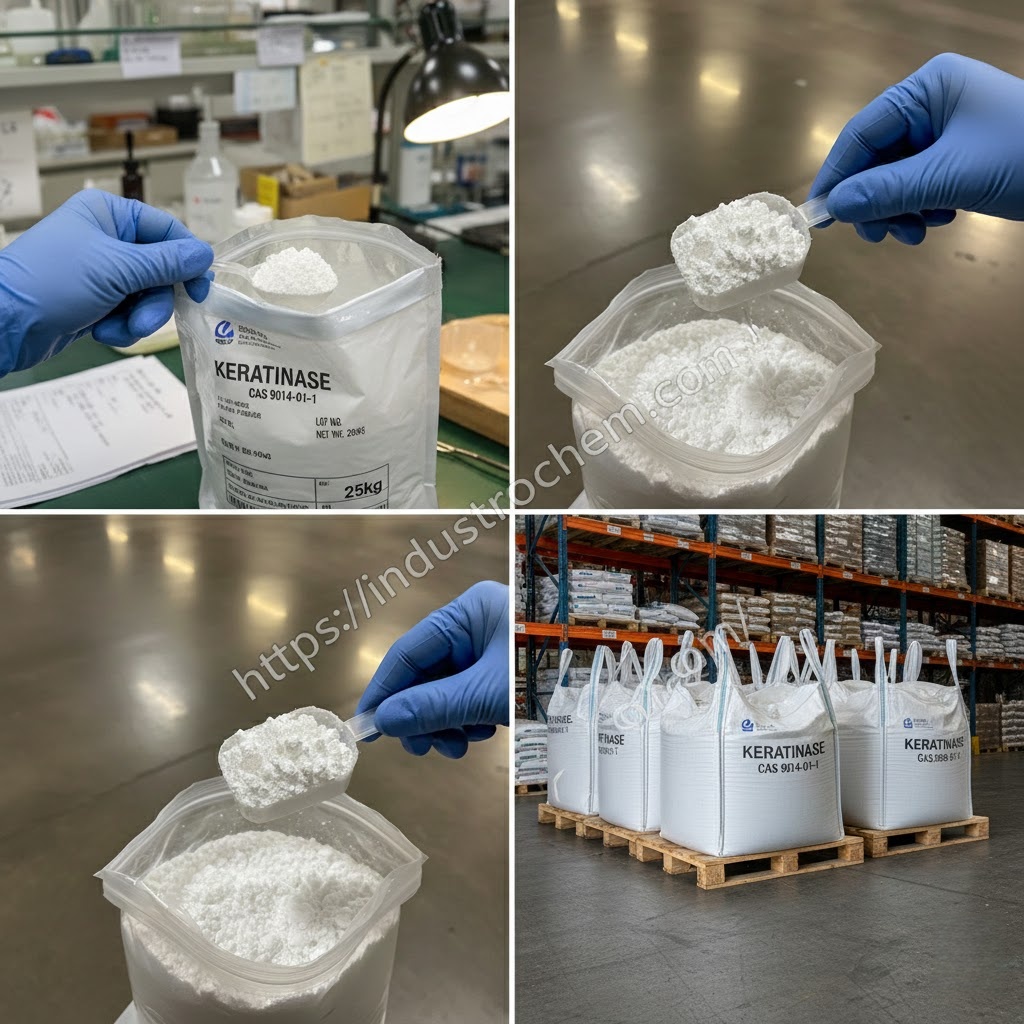










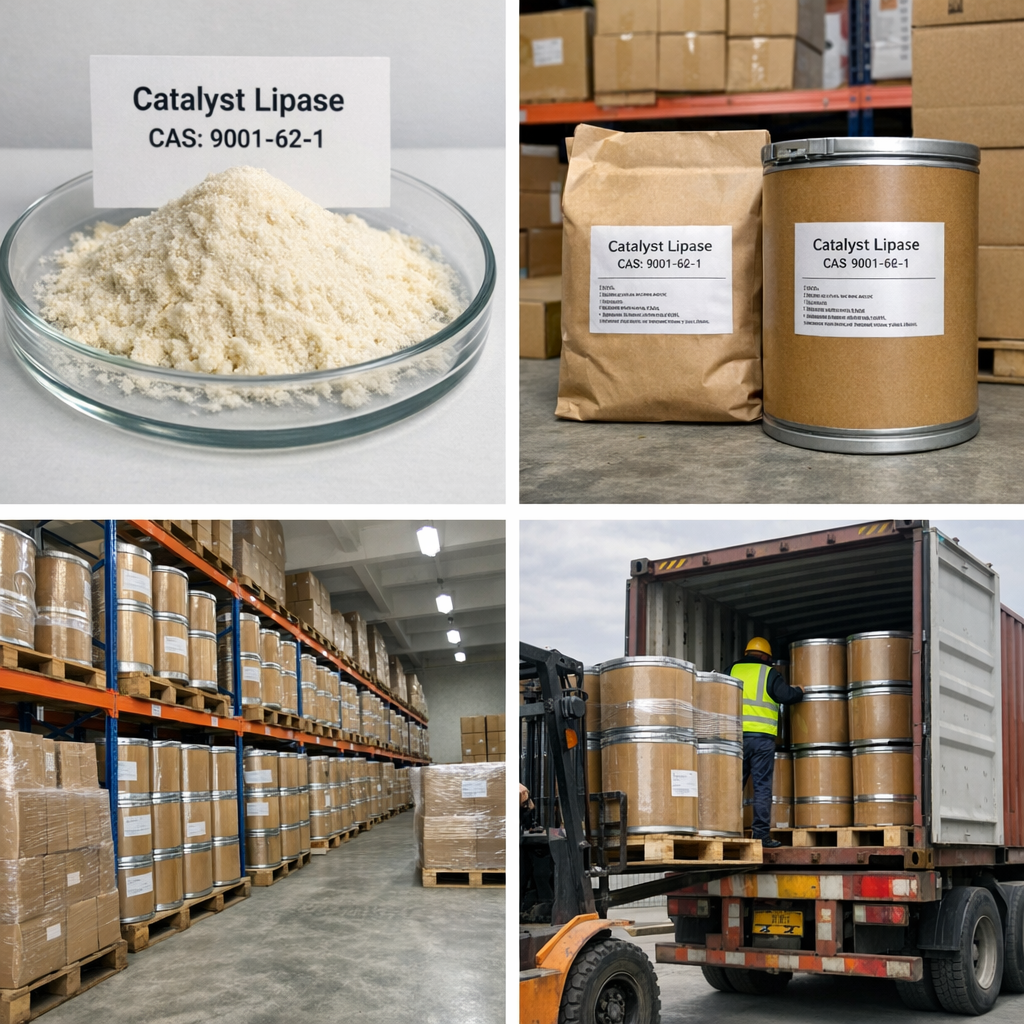
• Lipase Enzyme (Biocatalyst) CAS 9001-62-1

Lipase Enzyme (Biocatalyst) CAS 9001-62-1

Lipase Enzyme CAS 9001-62-1 is a versatile hydrolase chemically classified as a triacylglycerol acylhydrolase , functioning primarily as a highly selective biocatalyst for hydrolysis, esterification, and transesterification reactions. Unlike traditional chemical catalysts, this biological macromolecule operates under mild conditions (low temperature and pH) to catalyze the breakdown of fats into glycerol and fatty acids, or conversely, to synthesize complex esters in non-aqueous media. It is extensively utilized in the biodiesel industry for converting waste oils into fuel and in the pharmaceutical sector for the kinetic resolution of chiral intermediates. We provide professional access to this material with competitive factory pricing and the ability to meet customized specifications (such as Immobilized Lipase or Free Powder forms with varying activity U/g) for various manufacturing requirements. Our commitment to technical transparency ensures that every shipment is accompanied by comprehensive MSDS, TDS, COA documentation to support your quality assurance protocols, and we maintain capacity for consistent bulk supply to facilitate large-scale industrial operations.

  • CAS: 9001-62-1
  • Synonyms: Lipase, Triacylglycerol lipase, Glycerol ester hydrolase, Fat-splitting enzyme, Lipolytic enzyme, Triglyceride hydrolase, Lipid hydrolase, Lipase enzyme, Biocatalytic lipase
  • Einecs: 232-619-9
  • Grade: Industrial / Biocatalytic Grade
  • Package: 25kg Fiber Drum (with inner PE bag) / 1kg Aluminum Foil Bag
Request a quote
Share:

Product Description

Physicochemical Properties & Specification

Standard: National Standard GB/T 23535-2009 & Enterprise Internal Control

Test ItemSpecification
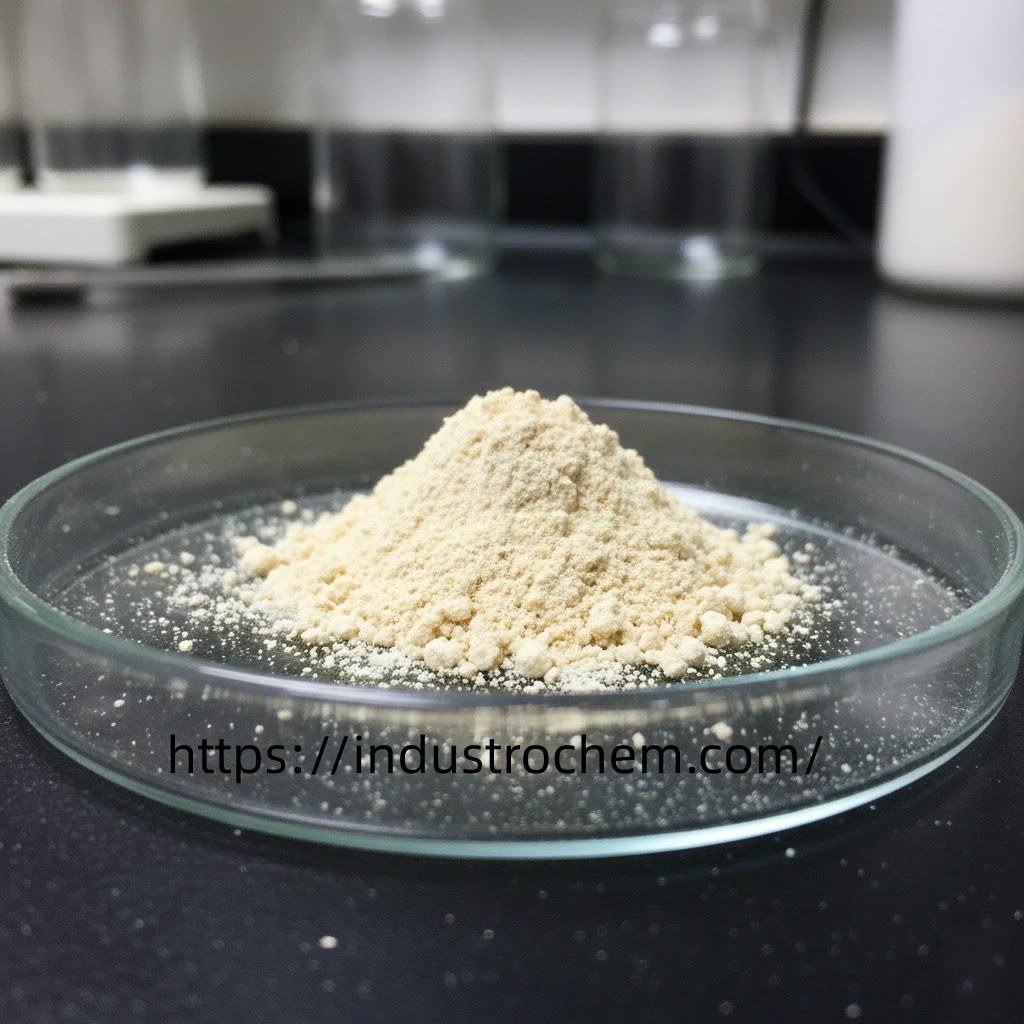
AppearanceWhite to yellowish powder or granule
Enzyme Activity≥100,000extU/g (Customizable: 20k-200k)
Moisture (Loss on Drying)≤8.0%
Optimum pH Range5.5−9.0
Optimum Temperature30∘extC−50∘extC
Bulk Density0.50−0.70extg/mL
Heavy Metals (as Pb)≤30extmg/kg
Arsenic (As)≤3extmg/kg
SolubilitySoluble in water; Insoluble in organic solvents

Key Applications

Our Catalyst Lipase is engineered to replace harsh chemical catalysts, offering lower energy consumption and reduced by-product formation in the following sectors:

1. Pharmaceutical Synthesis (Chiral Resolution) Used extensively for the kinetic resolution of racemic alcohols, amines, and acids. It is a critical tool in the synthesis of chiral drug intermediates (APIs), including anti-inflammatory and cardiovascular medications, ensuring high enantiomeric excess (ee%).

2. Biodiesel & Bio-Energy Facilitates the transesterification of oils and fats (triglycerides) into fatty acid methyl esters (biodiesel). Enzymatic catalysis avoids soap formation common in alkaline processes and allows for the processing of high-acid value feedstocks like waste cooking oil.

3. Fine Chemical Manufacturing

  • Esterification: Synthesis of specialty esters, flavors, and fragrances (e.g., ethyl hexanoate).
  • Polymer Modification: Used in the modification of polyester resins to improve biodegradability.

4. Paper & Pulp Industry (Pitch Control) Hydrolyzes triglycerides in wood resin (pitch) during the pulping process, preventing pitch deposition on machinery and improving paper quality.


Quality Assurance (QA/QC)

We maintain a pharmaceutical-grade quality management system to ensure the stability and activity of our biological enzymes.

  • Activity Assay: Every batch is tested using the standard Titration Method (or Spectrophotometry upon request) to guarantee the catalytic unit count per gram meets the Certificate of Analysis (COA).
  • Microbial Control: Rigorous testing for microbial limits, ensuring the absence of pathogens such as SalmonellaE. coli, and Staphylococcus aureus, complying with ISO standards.
  • Consistency: We utilize automated fermentation control systems to minimize batch-to-batch variation, ensuring consistent reaction kinetics for your industrial processes.

Storage, Handling & Safety

Storage Conditions Enzymes are biologically active proteins and can lose activity if stored improperly.

  • Temperature: Recommended storage at 2extC8extC2∘extC−8∘extC (Refrigerated). Can be stored at room temperature (<25extC<25∘extC) for short periods (up to 3 months) with minimal activity loss.
  • Environment: Keep in a dry, dark place. Seal tightly after use to prevent moisture absorption.
  • Shelf Life: 12 months under recommended conditions (Activity loss <10%<10%).

Safety Instructions (PPE) Inhalation of enzyme dust/mist may induce sensitization and cause allergic type reactions in sensitized individuals.

  • Respiratory Protection: Crucial. Wear a NIOSH/MSHA approved dust mask or respirator (N95) when handling powder.
  • Eye/Skin Protection: Wear safety glasses and protective gloves to avoid prolonged contact.
  • First Aid: If inhaled, remove to fresh air. If on skin/eyes, wash thoroughly with water.

Logistics & Shipping

  • Cold Chain Option: For bulk orders or long transit times, we offer Reefer Container shipping or thermal-insulated packaging with ice packs to maintain enzyme activity.
  • Port of Loading: Shanghai Air/Sea Port (Priority for biologicals).
  • Lead Time: 5-7 working days.
  • Documents: Non-Hazardous Chemical Certification, COA, MSDS, and Origin Certificate provided.

Looking for high-efficiency biocatalysts? Upgrade your synthesis process with our premium Lipase.

📧 Email: info@industrochem.com

FAQ - Technical & Supply Chain

  • Q:

    Is Catalyst Lipase the same as Lipase?

    A: Yes. Catalyst Lipase is a general industrial term for lipase enzymes. All listed names refer to the same enzyme product with CAS No. 9001-62-1.
  • Q:

    What applications is Catalyst Lipase commonly used for?

    A: Catalyst Lipase is widely used in industrial biocatalysis, chemical processing, and enzyme-based manufacturing processes involving lipid hydrolysis and transformation.
  • Q:

    Is technical documentation available for Catalyst Lipase?

    A: Yes. Standard technical documents including MSDS, TDS, and COA are available to support industrial supply and regulatory requirements.
Documents

Documents and Product Support

For product review and sourcing evaluation, supporting documents can be coordinated according to the product type, inquiry stage, and order requirements.

  • COA for batch-based quality reference
  • TDS for key physical and chemical information
  • SDS / MSDS for handling, storage, and safety reference
  • Packing information for sample, trial, and bulk orders
  • Technical communication based on application and specification requirements
Quotation

Information to Confirm Before Quotation

Clear sourcing information helps reduce specification mismatch and allows a more accurate quotation before sample or bulk order discussion.

  • Product name and CAS number
  • Application or intended end use
  • Required purity, grade, or specification
  • Sample quantity, trial order, or bulk demand
  • Preferred packing form or net weight
  • Destination country or port
  • Required documents or compliance expectations
Storage & Handling

Packaging, Storage, and Handling Notes

Packaging form, storage conditions, shelf life, and shipment arrangements should be confirmed according to the product characteristics, package size, and destination requirements.

Before order confirmation, buyers are advised to review the corresponding product documents and confirm whether any special storage, labeling, or handling requirements apply.

Supply Support

Sample, Bulk Order and Repeat Supply Support

Support can be arranged for sample discussion, bulk supply planning, packaging confirmation, and routine sourcing communication based on the actual product and order requirements.

For repeat-use formulations or long-term procurement plans, buyers may discuss specification consistency, packaging preferences, delivery expectations, and document coordination in advance.

Contact Form

Use our contact form to send us your questions, suggestions or comments. We will respond as soon as possible.