









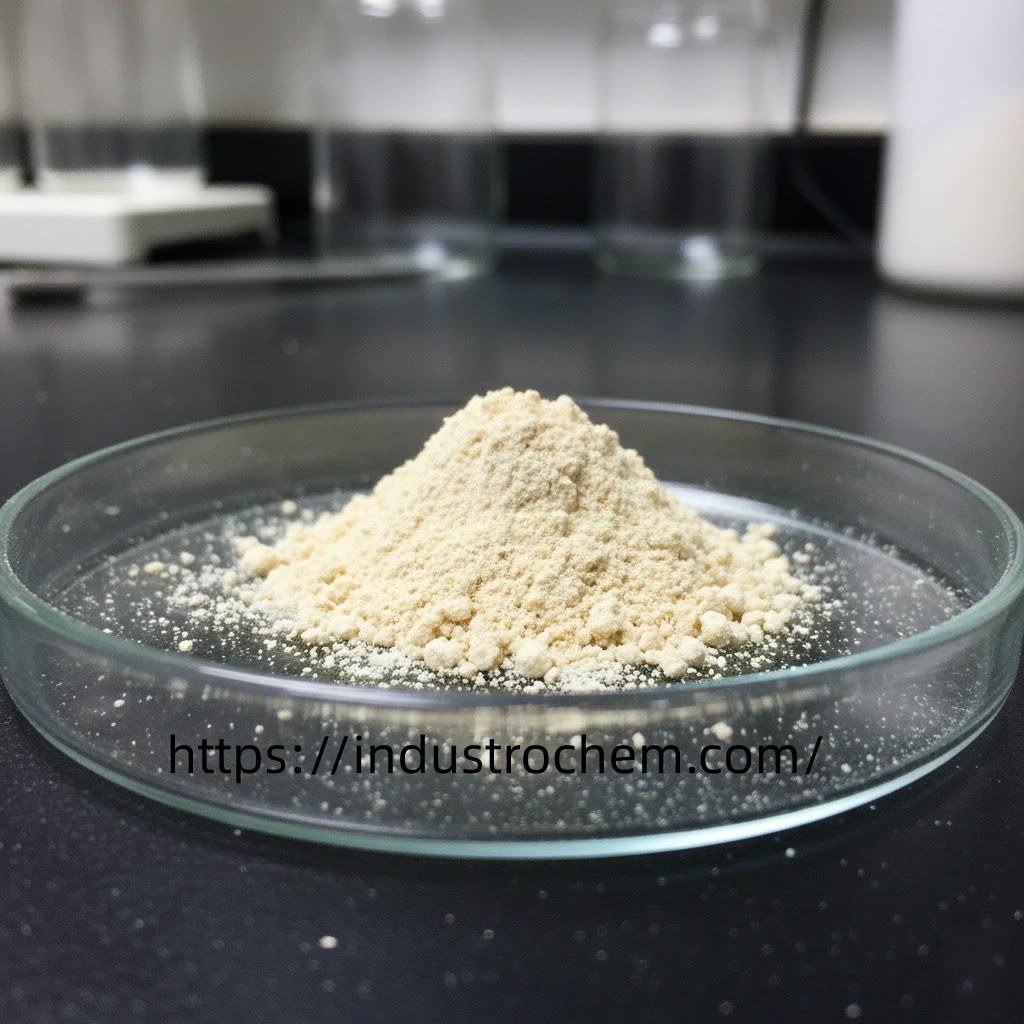
Enzyme Cellulase CAS 9012-54-8 is a multi-component biocatalyst system chemically defined as endo-1,4-beta-D-glucanase , functioning primarily to depolymerize cellulose fibers into glucose and shorter oligosaccharides. Sourced typically from fungal fermentation (such as Trichoderma reesei or Aspergillus niger), this proteinaceous powder (or liquid) is utilized to achieve "biopolishing" effects in textile finishing (removing surface fuzz from cotton) and serves as a clarification agent in fruit juice processing to break down cell walls. We provide professional access to this material with competitive factory pricing and the ability to meet customized specifications (available in both Acidic and Neutral pH stable grades) for various manufacturing requirements. Our commitment to technical transparency ensures that every shipment is accompanied by comprehensive MSDS, TDS, COA documentation to support your quality assurance protocols, and we maintain capacity for consistent bulk supply to facilitate large-scale industrial operations.
Enzyme Cellulase CAS 9012-54-8
- CAS: 9012-54-8
- Synonyms: Endo-1,4-beta-D-glucanase, Beta-1,4-glucanase, 1,4-(1,3;1,4)-beta-D-glucan 4-glucanohydrolase, Cellulase concentrate, Textile enzyme
- Einecs: 232-734-4
- Grade: Industrial Grade / Feed Grade / Food Grade
- Package: Powder: 25kg Cardboard Drum or Kraft Bag. • Liquid: 25kg/200kg Plastic Drum or 1000kg IBC Tank.
Product Description
Physicochemical Properties
The following specifications reflect our standard export-grade Acid Cellulase (Powder form), which represents the highest volume in international trade. Custom activity levels are available upon request.
| Property | Specification |
|---|---|
| Appearance | Light Yellow to Brown Powder (or Liquid) |
| Enzyme Activity | 10,000 u/g – 100,000 u/g (Customizable) |
| Odor | Slight fermentation odor |
| pH Stability Range | 4.5 – 5.5 (Optimal for Acid Cellulase) |
| Optimum Temperature | 45°C – 55°C |
| Solubility | Completely soluble in water |
| Bulk Density | 0.5 – 0.7 g/ml |
| Loss on Drying | ≤ 8.0% |
| Heavy Metals (as Pb) | ≤ 30 mg/kg |
| Arsenic (As) | ≤ 3 mg/kg |
Applications
Cellulase is a versatile enzyme used to upgrade quality and efficiency in various sectors.
1. Textile Industry (Bio-Polishing & Denim Washing)
- Bio-polishing: Eliminates micro-fibrils (fuzz) protruding from the surface of cotton and cellulosic fabrics. This results in a smoother surface, improved pilling resistance, and a softer hand-feel.
- Stone Washing: Replaces pumice stones in denim processing. It fades the indigo color evenly without the mechanical damage to the washing machine or the fabric that stones cause.
2. Animal Feed Additive Acts as a Non-Starch Polysaccharide (NSP) enzyme. By breaking down the cellulose in plant cell walls (in wheat, barley, or soy meal), it lowers the viscosity of the gut, releases encapsulated nutrients, and significantly improves the Feed Conversion Ratio (FCR) in poultry and swine.
3. Paper and Pulp Industry Used for de-inking of recycled paper and refining of pulp. It improves drainage rates and reduces the energy consumption required for mechanical beating.
4. Bio-Ethanol and Energy Crucial for the hydrolysis of lignocellulosic biomass (straw, wood chips) into fermentable sugars, which are then converted into bio-ethanol.
5. Food and Beverage Used in juice extraction to break down plant walls, increasing juice yield and clarifying the final product.
Quality Assurance
Biological activity is the core value of this product. Our manufacturing facilities operate under strict ISO 9001 and FSSC 22000 (for feed/food grades) standards.
- Activity Assays: Every batch is tested using the standard DNS (Dinitrosalicylic Acid) method to verify enzymatic activity (u/g).
- Microbial Purity: We strictly monitor for microbial contaminants. Testing includes screening for Salmonella, E. coli, and Coliforms to ensure safety for feed and food applications.
- Stability Testing: Samples are subjected to stress tests to ensure the enzyme retains activity during transit and storage.
Storage & Safety
Storage Conditions:
- Temperature Sensitivity: Enzymes are proteins and can denature at high temperatures. Store in a cool, dry place, ideally between 0°C and 25°C.
- Shelf Life: 12 months for liquid (at 5-10°C) and 12-24 months for powder. Extended storage or high temperatures will decrease enzymatic activity.
- Protection: Keep away from direct sunlight and moisture.
Safety Precautions:
- Inhalation Hazard: Enzyme dust or mist can cause sensitization (allergies) in susceptible individuals upon inhalation.
- PPE Requirements: Operators must wear suitable respiratory protection (NIOSH N95 or P2 dust mask), safety goggles, and gloves.
- Skin Contact: Prolonged contact may cause irritation. Wash contaminated skin with soap and plenty of water.
- Refer to the Material Safety Data Sheet (MSDS/SDS) for detailed handling instructions.
Optimize Your Enzymatic Processes. Whether you need a high-concentration powder for formulation or a ready-to-use liquid for the dye house, we have the solution.
📧 Email: info@industrochem.com
FAQ - Technical & Supply Chain
-
Q:
What is the critical difference between "Acid Cellulase" and "Neutral Cellulase" for textile applications?
A: The difference lies in the optimal pH range and aggressiveness. Acid Cellulase (optimum pH 4.5–5.0) reacts aggressively, ideal for denim "stonewashing" to create a faded vintage look quickly, but requires strict pH control to prevent fabric strength loss.Neutral Cellulase (optimum pH 6.0–7.0) is gentler and works at a wider pH range, making it the preferred choice for "biopolishing" premium knits to remove pilling without damaging the fabric structure.View source details for citation from Textile Learner. Opens side panel.View source details for citation from GRIN Verlag. Opens side panel. -
Q:
Does this enzyme remain active in animal feed pellets?
A: It depends on the pelleting temperature. Standard liquid Cellulase denatures above 60-70°C. For feed applications, we recommend our specialized Thermostable Granular grade, which is coated to withstand pelleting temperatures up to 85°C, ensuring the enzyme functions effectively in the animal's digestive tract to break down fiber and improve feed conversion ratios (FCR).
Documents and Product Support
For product review and sourcing evaluation, supporting documents can be coordinated according to the product type, inquiry stage, and order requirements.
- COA for batch-based quality reference
- TDS for key physical and chemical information
- SDS / MSDS for handling, storage, and safety reference
- Packing information for sample, trial, and bulk orders
- Technical communication based on application and specification requirements
Information to Confirm Before Quotation
Clear sourcing information helps reduce specification mismatch and allows a more accurate quotation before sample or bulk order discussion.
- Product name and CAS number
- Application or intended end use
- Required purity, grade, or specification
- Sample quantity, trial order, or bulk demand
- Preferred packing form or net weight
- Destination country or port
- Required documents or compliance expectations
Packaging, Storage, and Handling Notes
Packaging form, storage conditions, shelf life, and shipment arrangements should be confirmed according to the product characteristics, package size, and destination requirements.
Before order confirmation, buyers are advised to review the corresponding product documents and confirm whether any special storage, labeling, or handling requirements apply.
Sample, Bulk Order and Repeat Supply Support
Support can be arranged for sample discussion, bulk supply planning, packaging confirmation, and routine sourcing communication based on the actual product and order requirements.
For repeat-use formulations or long-term procurement plans, buyers may discuss specification consistency, packaging preferences, delivery expectations, and document coordination in advance.